Dex SP Injection for Cats: A Comprehensive Guide
Dexamethasone Sodium Phosphate (Dex SP) injection is a potent corticosteroid frequently used in veterinary medicine to treat a wide array of conditions in cats. This article provides a detailed overview of Dex SP injection, its uses, administration, potential side effects, and important considerations for cat owners. Understanding this medication can help you better advocate for your feline companion's health. You can find quality pet food and supplements at RCPetFood, ensuring your cat receives the nutritional support they need alongside any necessary medications.
What is Dex SP Injection?
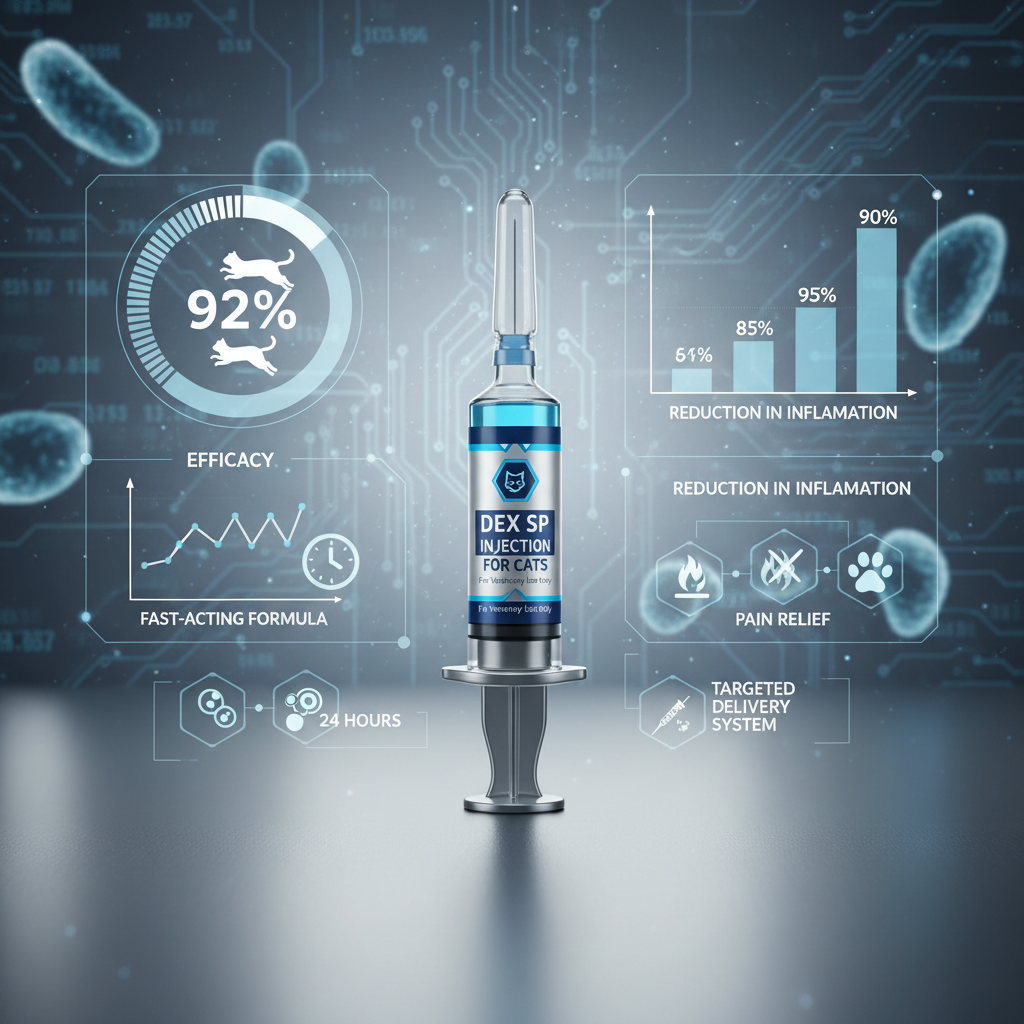
Dex SP injection contains dexamethasone sodium phosphate, a synthetic glucocorticoid. Corticosteroids mimic the effects of cortisol, a hormone naturally produced by the adrenal glands. Dex SP works by reducing inflammation, suppressing the immune system, and affecting carbohydrate, fat, and protein metabolism. This broad range of effects makes it valuable in treating various conditions, but also necessitates careful monitoring by a veterinarian. It's crucial to remember that Dex SP is a prescription medication and should only be administered by or under the direction of a veterinarian.
Key Highlights: Dex SP injection is a potent corticosteroid used to reduce inflammation and suppress the immune system in cats. It requires veterinary supervision due to potential side effects.
Common Uses of Dex SP Injection in Cats
Dex SP injection is used to treat a variety of conditions in cats, including allergic reactions (such as feline asthma and skin allergies), inflammatory bowel disease (IBD), autoimmune diseases, certain types of cancer, and shock. It can also be used to suppress the immune system in cases of severe autoimmune disease or to manage inflammation associated with various injuries or surgical procedures. Veterinarians will carefully assess each cat’s condition to determine if Dex SP is the appropriate treatment.
Common Conditions Treated:
• Feline Asthma
• Inflammatory Bowel Disease (IBD)
• Autoimmune Diseases
• Allergic Reactions
Dex SP Injection Dosage and Administration
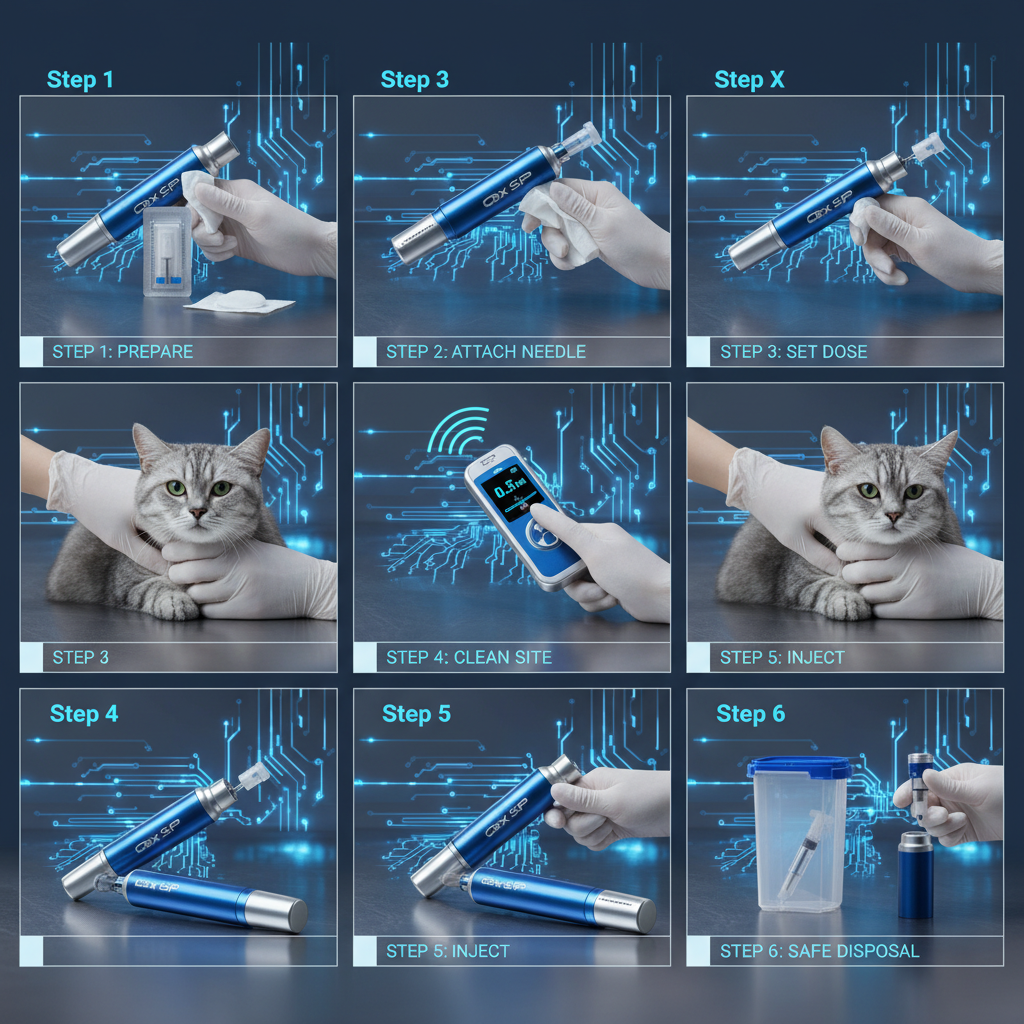
The dosage of Dex SP injection varies significantly based on the cat's weight, the condition being treated, and the veterinarian's assessment. It is typically administered intramuscularly (IM) or intravenously (IV) by a veterinarian. Never attempt to administer this medication at home without explicit instructions from your vet. The duration of treatment also varies, from a few days for acute conditions to long-term management for chronic illnesses. Consistent follow-up appointments are essential to monitor your cat’s response to the medication.
Potential Side Effects and Monitoring
Dex SP can cause several side effects, especially with prolonged use. Common side effects include increased thirst and urination, increased appetite, panting, restlessness, and behavioral changes. More serious side effects, though less common, can include diabetes mellitus, hypertension, and increased susceptibility to infections. Regular veterinary checkups, including blood tests and urine analysis, are crucial to monitor for these potential complications. Report any unusual symptoms to your veterinarian immediately. Providing your cat with a balanced diet, such as those offered at RCPetFood, can help support their overall health during treatment.
Important Considerations and Precautions
Never administer Dex SP to a cat without a veterinarian's prescription. Cats with pre-existing conditions, such as diabetes, kidney disease, or heart disease, may require special monitoring or a modified dosage. Avoid administering Dex SP to cats with active infections unless specifically directed by your veterinarian. Proper storage of the medication is also essential, keeping it out of reach of children and pets. Always follow your veterinarian’s instructions carefully and complete the full course of treatment, even if your cat appears to be improving.
Conclusion: Managing Your Cat's Health with Dex SP
Dex SP injection can be a highly effective treatment for various conditions in cats when used appropriately under veterinary supervision. Understanding its uses, potential side effects, and necessary monitoring is crucial for ensuring your cat’s well-being. Combined with proper nutrition, like that offered by RCPetFood, Dex SP can help your feline companion live a comfortable and healthy life.
Frequently Asked Questions (FAQs)
What should I do if my cat experiences side effects after receiving Dex SP injection?
If you notice any unusual symptoms after your cat receives Dex SP, such as increased thirst, urination, appetite, restlessness, or vomiting, contact your veterinarian immediately. Do not attempt to treat the side effects yourself. Your vet can assess the severity of the side effects and adjust the dosage or treatment plan accordingly. Prompt communication is key to ensuring your cat’s safety and well-being. Document the symptoms and when you first noticed them to provide your veterinarian with detailed information.
Can Dex SP injection be used long-term?
Dex SP can be used long-term for managing chronic conditions, but it requires careful monitoring by a veterinarian. Long-term use increases the risk of side effects, such as diabetes and immune suppression. Your vet will periodically assess your cat's health through blood tests and urine analysis to detect any potential complications. They may also attempt to gradually reduce the dosage over time to minimize side effects, if possible. It's crucial to adhere to the prescribed treatment plan and attend all scheduled checkups.
Is Dex SP safe for cats with kidney disease?
Cats with kidney disease may be more sensitive to the effects of Dex SP, and its use requires careful consideration. The medication can potentially worsen kidney function. Your veterinarian will thoroughly assess your cat’s kidney function before prescribing Dex SP and may recommend a lower dosage or alternative treatment options. Regular monitoring of kidney values is essential during treatment.
Post time: March 31, 2026