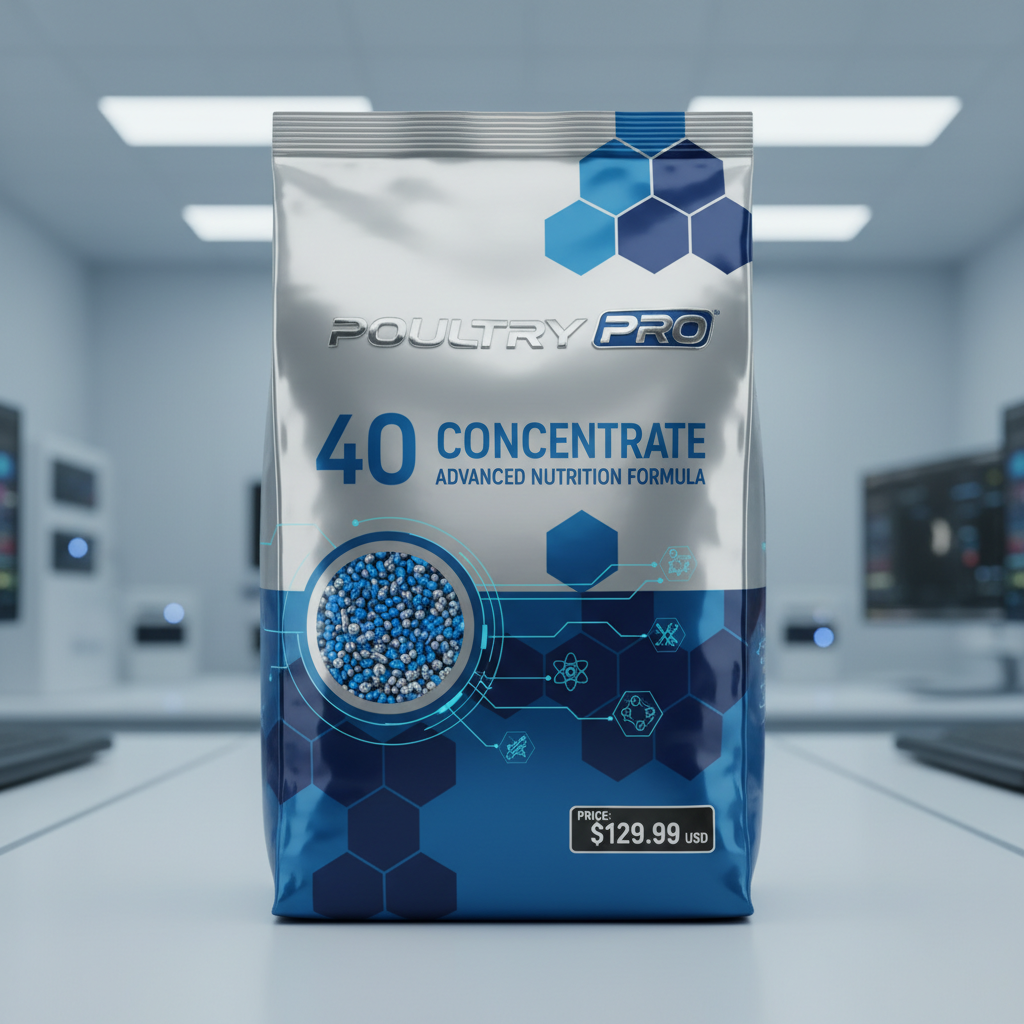
Animal concentrates are the backbone of modern animal nutrition, offering a cost-effective and efficient way to deliver essential nutrients. It’s not just about mixing feed; it’s about optimizing animal health and productivity. From large-scale poultry farms to smaller, specialized livestock operations, these concentrates are critical for ensuring animals receive a balanced diet, leading to better growth, improved product quality, and ultimately, a more sustainable food supply. I’ve spent years on farms, watching firsthand how crucial these blends are - a poorly formulated concentrate can mean sick animals and lost profits, but a good one? That's the difference between thriving and just surviving.
The global demand for animal protein is steadily increasing, driven by population growth and rising incomes. This places a significant strain on feed production, making efficient solutions like animal concentrates even more important. The UN Food and Agriculture Organization estimates that global meat consumption will continue to rise in the coming decades, further accelerating the need for innovative feeding strategies. What I see in the field isn’t just numbers, it’s farmers under pressure, needing solutions that boost output without breaking the bank. Animal concentrates allow us to meet this demand responsibly.
Ultimately, animal concentrates aren’t just about feed; they're about food security. They provide a reliable and scalable way to nourish livestock, contributing to a stable food supply in an increasingly uncertain world. And that's a serious thing, something you really understand when you’re knee-deep in the realities of agricultural production.
What are Animal Concentrates?
Simply put, animal concentrates are nutrient-rich mixtures designed to supplement animal diets. They aren’t a complete feed on their own, but they provide a concentrated dose of essential vitamins, minerals, proteins, and energy. Think of it like a multivitamin for livestock. We're talking about precise formulations tailored to specific animal needs – a dairy cow’s concentrate will look very different from a broiler chicken’s. I’ve seen guys trying to cut corners, mixing their own, and it almost always ends in trouble.
The goal is to optimize animal health and performance while minimizing feed costs. That’s where the science really comes in. It's about balancing the concentrate with locally sourced ingredients like grains and forages. And honestly, it's a lot more complex than it seems. You’ve got to account for bioavailability, digestibility, and the animal’s stage of life. It’s a fine art.
Global Relevance and Industry Context
The animal feed industry is a multi-billion dollar global market, directly linked to the growing demand for meat, poultry, eggs, and dairy products. According to recent reports, the global animal feed market is projected to reach over $500 billion by 2028. A significant portion of this market relies on animal concentrates to ensure efficient feed conversion rates and optimal animal growth. This isn’t just about big ag either; it impacts small family farms just as much.
The biggest challenge is feeding a growing population sustainably. We need to produce more food with less land, water, and resources. Animal concentrates play a crucial role in achieving this. They allow us to maximize the nutritional value of available feedstuffs, reducing waste and improving overall efficiency. What I keep hearing from farmers is that they’re needing more output from the same land – concentrates help deliver that.
The rise of intensive farming practices has also increased the reliance on animal concentrates. While there are valid concerns about animal welfare, these concentrates are often essential for maintaining animal health and productivity in controlled environments. We need to find a balance between efficiency and ethical considerations – that's the hard part.
Defining Animal Concentrates
Animal concentrates are, at their core, a precisely formulated blend of nutrients designed to be added to a base diet. They don't contain the bulk fiber that animals need – that comes from things like hay, silage, or pasture. Instead, they pack a punch of proteins, vitamins, minerals, and energy into a relatively small volume. The formulation is often tailored to the species, age, and production stage of the animal.
Their connection to modern industrial agriculture is undeniable. They allow for standardized feeding practices, ensuring consistent product quality and minimizing variations in animal performance. However, their roots go back further – early forms of concentrates were used even before the advent of modern feed mills, often involving supplementing grain with protein-rich sources like oilseed meals. I've seen farmers using these 'old ways' when sourcing ingredients.
They address a crucial need in modern livestock production: the inability of basic feedstuffs to provide all the nutrients an animal requires. Especially in intensive systems where animals may have limited access to grazing, concentrates are essential for preventing deficiencies and ensuring optimal health and growth. It's about bridging the gap between what animals need and what they get naturally.
Core Components of Effective Animal Concentrates
A good animal concentrate is built on a foundation of several key elements. First, you have your protein sources – soybean meal, canola meal, sunflower meal – these are the building blocks for muscle growth and overall animal development. Then, you've got your energy sources: grains like corn and barley, or alternative energy sources like beet pulp. The quality of these base ingredients matters massively.
Equally important are the vitamins and minerals. These micronutrients are often overlooked, but they're essential for a whole range of physiological processes, from immune function to bone development. Calcium, phosphorus, vitamin A, vitamin D – the list goes on. I've seen deficiency symptoms manifest in some pretty scary ways, so getting the balance right is crucial.
Comparison of Animal Concentrate Formulations
Real-World Applications of Animal Concentrates
You see animal concentrates used everywhere in modern animal production. In large-scale poultry farms, they are vital for ensuring rapid growth and efficient feed conversion. In dairy farming, they’re used to boost milk production and maintain the health of lactating cows. And in beef cattle operations, they contribute to increased weight gain and improved carcass quality.
I've worked on projects in post-disaster relief operations where animal concentrates were used to support livestock populations affected by floods or droughts. Providing these concentrates helps farmers get back on their feet quickly and rebuild their livelihoods. They also have a significant role in specialized livestock sectors, such as aquaculture, where they’re used to formulate feeds for farmed fish and shrimp.
Advantages and Long-Term Value
The advantages of using animal concentrates are numerous. First and foremost, they offer significant cost savings by optimizing feed efficiency. Animals gain more weight on less feed, reducing overall feed costs. They also improve animal health, leading to lower veterinary bills and reduced mortality rates. The return on investment is often substantial, especially in large-scale operations.
Beyond the economic benefits, animal concentrates contribute to a more sustainable food system. By minimizing feed waste and reducing the environmental impact of livestock production, they help us produce food more responsibly. This isn’t just about profit – it’s about preserving resources for future generations.
Future Trends and Innovations in Animal Concentrates
We're seeing a lot of exciting developments in the world of animal concentrates. Precision feeding, using data analytics to tailor concentrate formulations to individual animal needs, is gaining traction. The use of alternative protein sources, like insect meal and algae, is also growing, driven by concerns about the environmental impact of traditional protein sources.
And the integration of digital technologies, such as blockchain, is improving traceability and transparency in the feed supply chain. Farmers want to know exactly what’s going into their animals’ feed, and blockchain can provide that assurance. The focus is shifting toward more sustainable, efficient, and data-driven feeding practices.
There’s also a push towards developing concentrates that promote animal gut health, enhancing nutrient absorption and boosting the immune system. A healthy gut is a happy animal, and a happy animal is a productive animal.
Key Performance Indicators of Animal Concentrate Effectiveness
| Concentrate Formulation |
Average Daily Gain (ADG) |
Feed Conversion Ratio (FCR) |
Animal Health Score (1-10) |
| Standard Poultry Concentrate |
45g |
1.7 |
8 |
| High-Protein Swine Concentrate |
38g |
2.3 |
9 |
| Lactating Dairy Cow Concentrate |
1.2kg |
3.1 |
7 |
| Finishing Beef Cattle Concentrate |
1.8kg |
6.5 |
8 |
| Performance Horse Concentrate |
N/A |
N/A |
9 |
| Organic Poultry Concentrate |
42g |
1.9 |
7 |
FAQS
Most animal concentrates have a shelf life of around 6-12 months when stored properly in a cool, dry place. However, it’s crucial to check the manufacturing date and 'best before' date on the packaging. Over time, the vitamins and minerals can degrade, reducing the nutritional value. I’ve seen feed that’s been stored improperly, and it’s just not worth the risk – you’re better off replacing it.
Choosing the right concentrate depends on a number of factors, including the species, age, breed, and production stage of your animals. It’s best to consult with a qualified nutritionist or animal feed specialist. They can assess your specific needs and recommend a concentrate that’s tailored to your situation. Don’t just grab the cheapest option – a properly formulated concentrate will pay for itself in the long run.
Yes, organic animal concentrates are becoming increasingly available. These concentrates are formulated using certified organic ingredients and are subject to strict quality control standards. They’re a good option for farmers who are committed to organic production practices, but they often come with a higher price tag. It’s about balancing your values with your budget.
Generally, it’s not recommended to mix different types of animal concentrates unless specifically advised by a nutritionist. Different concentrates are formulated with different nutrient profiles, and mixing them can disrupt the balance and lead to nutritional imbalances. It’s better to use a single, well-formulated concentrate that meets all of your animals’ needs.
Look for concentrates that contain high-quality protein sources, essential vitamins and minerals, and a balanced energy profile. Pay attention to the ingredient list – you want to see recognizable ingredients that are sourced from reputable suppliers. Avoid concentrates that contain a lot of fillers or artificial additives. A good concentrate should be transparent about what’s inside.
Animal concentrates should be stored in a cool, dry, and well-ventilated area, away from direct sunlight and moisture. Keep them in their original packaging and make sure the containers are tightly sealed to prevent spoilage. Proper storage is essential for maintaining the nutritional value and ensuring the safety of your animals’ feed. Don’t let it sit outside!
Conclusion
Animal concentrates are a cornerstone of modern animal agriculture, providing a cost-effective and efficient way to deliver essential nutrients to livestock. From optimizing feed efficiency and improving animal health to contributing to a more sustainable food system, the benefits are substantial. They are, and will continue to be, essential in meeting the growing global demand for animal protein.
Looking ahead, continued innovation in formulation, the integration of digital technologies, and a focus on sustainability will be key to maximizing the value of animal concentrates. By embracing these advancements, we can ensure that livestock production remains efficient, responsible, and resilient for generations to come. To learn more about our range of animal concentrate solutions, visit our website: animal concentrates.