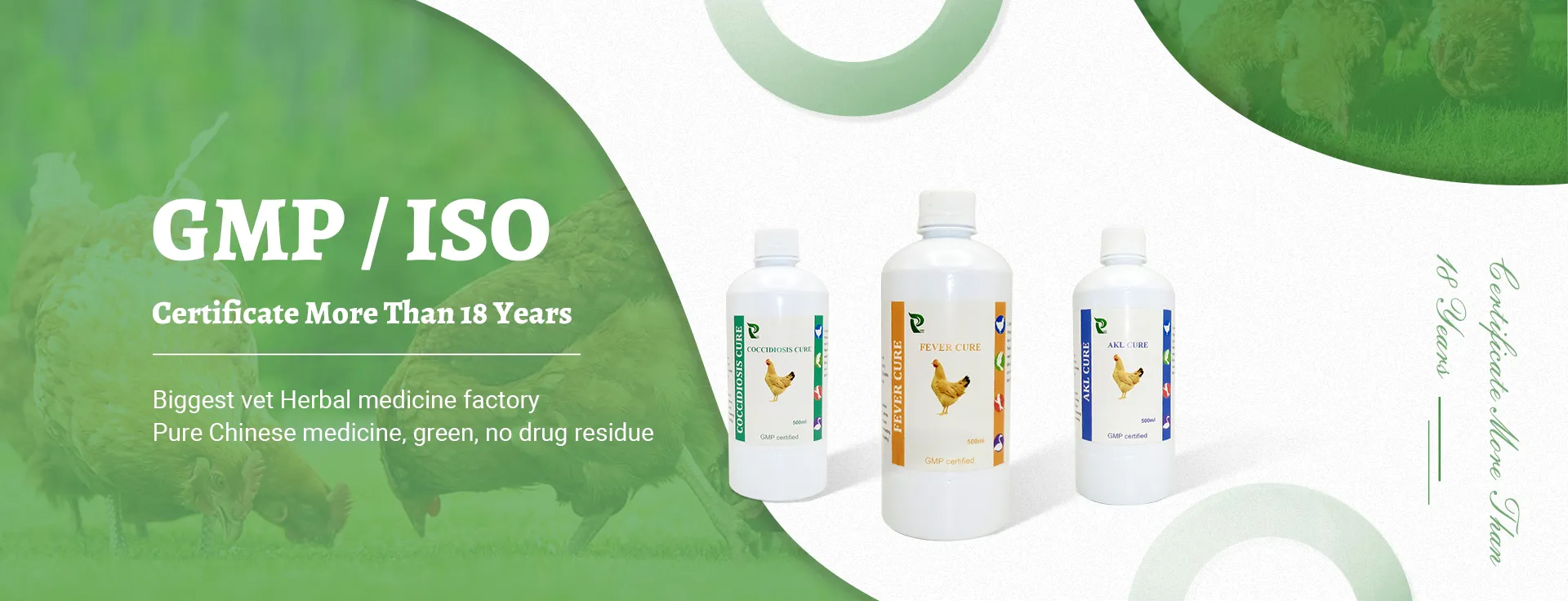
Phytogenics in Animal Nutrition: A Natural Path to Healthier Livestock
If you’ve been around animal nutrition or livestock lately, you might have heard the buzzword phytogenics. But what exactly are they, and why is everyone suddenly paying attention? Simply put, phytogenics in animal nutrition refer to plant-derived bioactive compounds used as feed additives—a natural way to optimize animal health and productivity. Considering the pressure on farming to be more sustainable, reduce antibiotic use, and meet growing global food demand, understanding phytogenics isn’t just trendy; it’s crucial.
Globally, livestock production is a giant industry, feeding billions and contributing significantly to economies. But with challenges like antibiotic resistance, environmental impact, and animal welfare concerns, the sector needs innovative tools. Enter phytogenics, offering potential to improve digestion, immune response, and growth without synthetic drugs or chemicals. It's the kind of natural solution that, frankly, sounds too good to resist.
Understanding the Global Role of Phytogenics in Animal Nutrition
The global livestock feed market was valued at over USD 350 billion recently, and it’s growing fast. The UN FAO reports that as demand for animal protein rises, so does the need for smarter feed solutions—ones that don't harm ecosystems or public health. Antibiotic growth promoters, once mainstream, face strict regulation, causing producers to seek natural alternatives.
Phytogenics fit perfectly here. They’ve been gaining traction from Europe to Asia as viable replacements, supported by data on improved digestibility, better nutrient absorption, and enhanced immune status. The World Bank has noted that adopting such innovations can raise livestock productivity by 20-30% in developing nations. But even in better-resourced industrial farms, the benefits translate to reduced residues in meat, better feed conversion ratio, and lower environmental footprints. The problem like antibiotic resistance could be reduced — phytogenics offer a real solution.
Challenges That Phytogenics Address
- Antibiotic resistance debates restricting traditional growth aids
- Environmental sustainability pushing for natural inputs
- Demand for organic and residue-free animal products
- Global food security needing efficient animal growth strategies
What Are Phytogenics in Animal Nutrition?
In its essence, phytogenics (or phytogenic feed additives) are plant-based compounds—essential oils, herbs, spices, and extracts—introduced into animal diets to improve health and performance. Unlike synthetic drugs or antibiotics, they offer a cocktail of antimicrobial, antioxidant, and digestive stimulant effects naturally found in plants.
Think of it like cooking with fresh herbs that make your stew tastier and easier on your stomach. Similarly, phytogenics make feed more digestible and animals more resilient.
This aligns with broader goals in agriculture and humanitarian efforts alike. For example, in regions where farming faces harsh climates or limited veterinary access, phytogenics can help animals cope with stress or infections without expensive medications. Their use fits trends towards cleaner meat, organic standards, and ethical farming practices worldwide.
Core Components of Phytogenics and Their Functions
1. Essential Oils
Extracts like thymol, carvacrol, or eugenol offer antimicrobial and anti-inflammatory properties. Many farmers find they reduce gut pathogens — ultimately improving feed efficiency.
2. Herbs and Spices
Common ingredients include garlic, cinnamon, and ginger, historically used for their healing and immune-boosting traits. These can also stimulate appetite and enhance digestion.
3. Active Phytochemicals
Compounds like flavonoids and tannins act as antioxidants, helping animals manage oxidative stress—something especially valuable in intensive farming setups.
4. Saponins and Triterpenoids
These bioactives have been linked to improved nutrient absorption and regulation of the gut microbiome, basically promoting a healthier digestive tract.
5. Mode of Delivery
Phytogenics can be integrated directly into feed pellets or given as liquid extracts. The form influences stability and effectiveness, a key consideration for producers — some of whom might not realize this subtlety at first.
Real-World Applications Across Continents
Phytogenics are currently used mainly in poultry, swine, and ruminant feed. Here’s how different regions are tapping into their advantages:
- Europe: With rigid antibiotic bans, countries like Germany and Denmark rely heavily on phytogenic blends to maintain productivity and animal welfare standards.
- Asia: Small-scale farmers in Vietnam and Thailand adopt phytogenics to minimize disease outbreaks in humid, challenging environments.
- South America: Brazil’s massive cattle industry uses phytogenics to enhance feed conversion rates, critical where pasture quality fluctuates seasonally.
- Africa: Relief and development projects integrate plant-based feed additives to reduce dependency on costly drugs in remote communities.
For instance, in a recent case, a mid-sized poultry farm in Poland reduced mortality rates by 15% after switching antibiotic feed premixes to natural phytogenic additives. The farm manager commented that the birds seemed “more vigorous, less prone to infection,” a sentiment echoed by many in the industry.
Product Specification Table: Typical Phytogenic Feed Additive
| Specification | Typical Value | Unit |
|---|---|---|
| Active Essential Oil Content | 30 - 50 | % |
| Minimum Flavonoids | 12 | mg/g |
| Moisture Content | 10 max | % |
| Shelf Life | 18-24 | Months |
Comparing Leading Phytogenic Feed Additive Vendors
| Vendor | Product Range | Certifications | Price Index (1-5) | Global Reach |
|---|---|---|---|---|
| Phytocare Inc. | Essential Oils, Extracts | ISO 22000, GMP | 3 | 60+ countries |
| HerbaVet Solutions | Herbal Pellets, Liquids | Organic, KOSHER | 4 | Global |
| NutriPhyt Group | Flavonoid Concentrates | FDA Approved | 2 | North America, Europe |
Advantages and Long-Term Value of Phytogenics
Many livestock producers say phytogenics are not just about animal health — they reflect a shift towards ethical, sustainable farming. Here are some standout benefits:
- Reduced Antibiotic Dependence: Phytogenics naturally suppress harmful bacteria, helping cut down on antibiotic use that worries consumers and regulators alike.
- Sustainability Boost: Derived from renewable botanical sources, they reduce chemical residues and environmental pollution from farming.
- Enhanced Animal Welfare: By easing digestive stress and boosting immunity, animals tend to feel better — and perform better.
- Economic Benefits: Improved feed efficiency and reduced mortality can add up to significant savings over time.
- Consumer Trust: Meat and dairy labeled as produced with natural additives align with evolving consumer preferences worldwide.
Frankly, the emotional satisfaction of knowing your livestock is raised on cleaner, greener inputs can be huge. It feels nicer, more responsible, and may even open new markets for producers.
Emerging Trends and Innovations
The phytogenics field is evolving rapidly. Some of the exciting directions include:
- Nanoencapsulation: Improving stability and bioavailability of plant compounds to make additives more effective.
- AI-Driven Formulation: Using data analytics and machine learning to customize phytogenic blends by species, breed, or environment.
- Integration with Probiotics: Creating synergistic effects between plants and beneficial microbes in animal guts.
- Regulatory Advances: More countries clarifying standards on phytogenic feed additives to encourage wider adoption and safety.
Oddly enough, some startups are now exploring plant-derived compounds for aquaculture feed too, showing the broadening horizons of phytogenics.
Challenges and Practical Solutions
Despite promising results, phytogenics are not without challenges:
- Consistency: Plant extracts can vary by batch, making standardization tricky.
- Cost: Sometimes pricier than synthetic additives, posing barriers for small farmers.
- Regulatory Hurdles: Some regions lack clear guidelines, complicating approval and international trade.
To tackle these, many producers adopt advanced extraction and quality control technologies; combined with educational outreach, this helps build trust in the products. Networks like phytogenics in animal nutrition forums are also growing, helping stakeholders share best practices and success stories.
FAQ: Common Questions on Phytogenics in Animal Nutrition
Q1: Are phytogenic feed additives safe for all types of livestock?
Yes, most phytogenics are broadly safe if properly dosed. However, efficacy and tolerance can vary by species and age, so it’s wise to consult product specs or a nutritionist when switching additives.
Q2: How quickly can farmers see results after using phytogenics?
Typically, improvements in digestion or growth may appear within 2-4 weeks. However, long-term benefits like immunity take time and consistent feeding.
Q3: Can phytogenics replace antibiotics entirely?
Phytogenics can reduce the need for antibiotics but are not a flawless substitute for disease treatment. They’re best as part of an integrated health management plan.
Q4: Are phytogenics compatible with organic farming?
Most phytogenic additives come from natural sources and align well with organic standards, though certification depends on regional rules and product formulation.
Q5: How can smallholder farmers access quality phytogenic products?
Accessing reputable suppliers, joining cooperatives, or government-supported programs can help smallholders source quality phytogenics affordably.
Conclusion: A Natural Future for Animal Nutrition
Phytogenics in animal nutrition represent an exciting convergence of tradition and modern science. Their natural origins, combined with proven benefits, offer a promising path to safer, more sustainable farming worldwide. For anyone involved in livestock health or feed production, exploring phytogenic additives is more than just a fad — it’s a strategic move for future-proofing agriculture.
Interested in learning more or sourcing trusted products? Visit our website: https://www.rcpetfood.com to explore detailed guides, vendor lists, and industry insights.
Post time: November 27, 2025