What’s Changing in Pet Health: A Field Note on Parasite Control for Birds
If you follow the pet-health market, you’ve noticed the quiet boom in targeted parasite treatments. From backyard coops to urban lofts, keepers have become noticeably savvier. Frankly, the demand for smarter, safer [drugs for pets] has surged, especially for avian care where protozoa like Trichomonas and coccidia can derail digestion, growth, and race-day stamina.
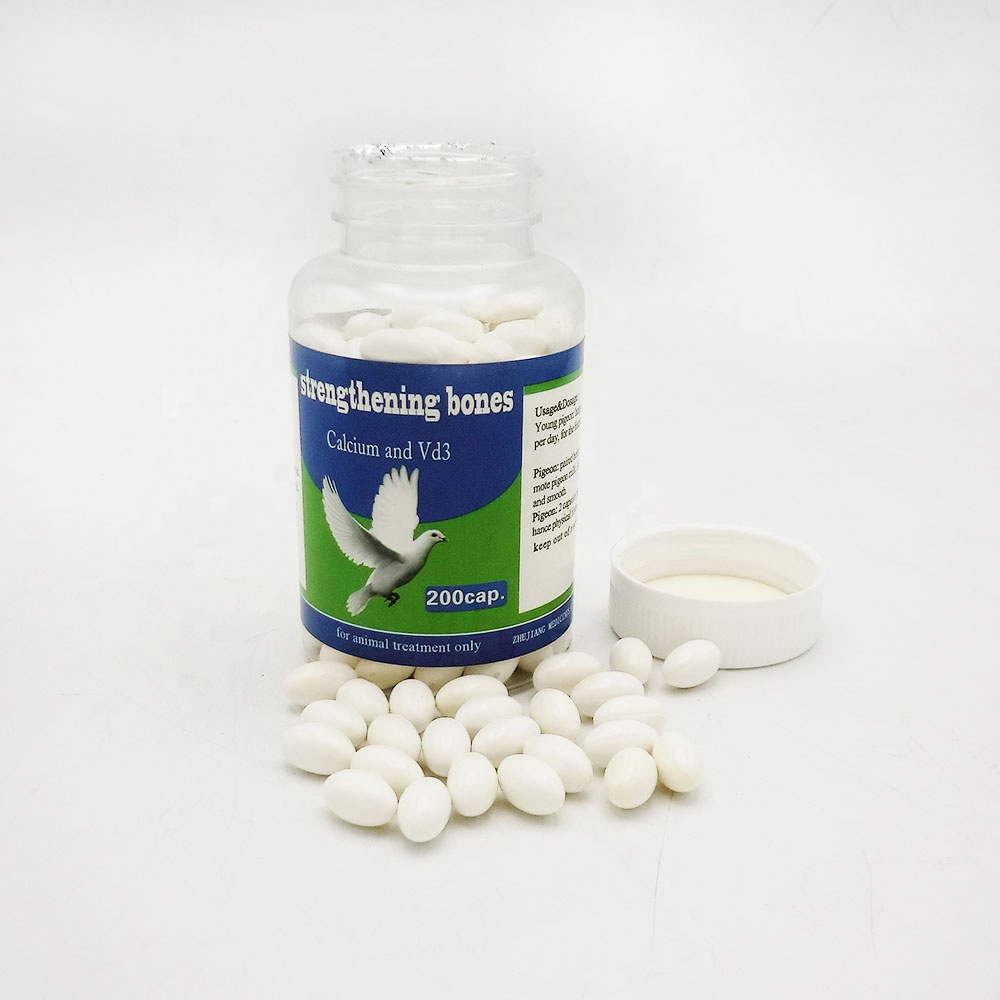
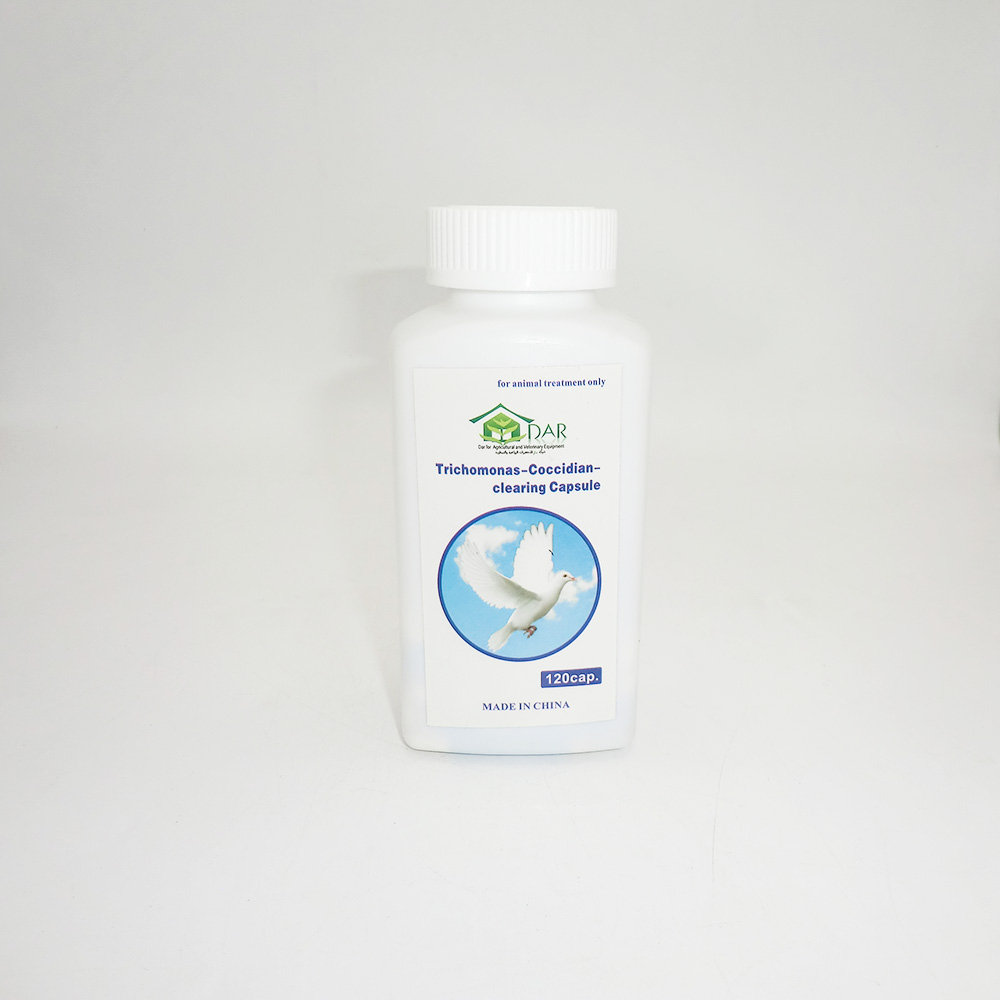
Product Spotlight: Trichomonas‑Coccidian‑clearing Capsule
Originating from Room 2210, Building A, Yihongxia, 298 Zhonghuabei Street, Xinhua District, Shijiazhuang City, Hebei Province, China, this capsule is built for birds—poultry and racing pigeons in particular. It’s designed to clear Trichomonas and coccidian infections, help stabilize digestion, and—this is what many customers say—get birds back on feed quickly. In practice, that can translate to fewer loose droppings, steadier weight, and better nutrient uptake. Sounds simple, but it’s the difference between “fine” and “flying.”
Why it’s trending
- Focused spectrum: targets protozoal parasites that commonly undermine loft performance.
- Fast-acting profile: early user feedback suggests visible stool normalization in a few days (real-world use may vary).
- Safety-minded: formulated for birds; keepers report good tolerance when used as directed.
Technical Snapshot (Specifications)
| Product Name | Trichomonas‑Coccidian‑clearing Capsule |
| Dosage Form | Hard capsule, anti‑protozoal complex (exact actives per batch spec; ≈ standardized content) |
| Target Species | Birds (poultry, racing pigeons) |
| Intended Use | Clears Trichomonas and coccidian infections; supports digestion and nutrient absorption |
| Shelf Life | ≈ 24 months (sealed, cool/dry, away from light) |
| Testing & Standards | Veterinary GMP batch release; microbial limits; content uniformity; stability checks aligned with ISO/ICH concepts where applicable |
| Certifications (typ.) | Veterinary Drug GMP (CN), ISO 9001 QMS; documentation provided on purchase |
Manufacturing Flow (How it’s built)
Materials: vetted anti‑protozoal actives + pharmaceutical‑grade excipients. Methods: blending under controlled humidity → encapsulation (in-capsule weight checks) → drying/visual inspection → blister/bottle packing. Testing: microbial counts, active assay, disintegration, stability pulls. Service life: around two years sealed; post-open handling should minimize moisture ingress. Industries: breeder farms, racing lofts, avian clinics, specialty pet retailers.
Application Scenarios
- Racing pigeon lofts pre-season or when droppings trend watery and birds go off-feed.
- Poultry grow-outs where coccidia pressure spikes after weather swings.
- Rescue and aviary settings needing quick stabilization of new intakes.
Field notes: One mid-size racing loft (≈120 birds) reported oocyst counts dropping by ~85–90% within 72 hours, alongside improved feed conversion in the following week; to be honest, that’s strong, but real-world use may vary with hygiene, hydration, and stress management.
Vendor Landscape (What to look for)
| Vendor | Certs | Lead Time | MOQ | Notes |
|---|---|---|---|---|
| RC Pet Food (manufacturer origin listed above) | Vet GMP, ISO 9001 (docs on request) | ≈ 10–20 days ex‑works | Flexible, starter cartons | Focused avian line; customization options |
| Supplier A (regional) | ISO 22000, partial GMP | ≈ 3–4 weeks | Higher | Broader catalogue, less pigeon specialization |
| Supplier B (export‑focused) | GMP pending update | ≈ 2–6 weeks | Medium | Competitive pricing; variable documentation |
Customization & Support
Private label, multi-language inserts, and pack sizes for hobby vs. farm use are common asks. I guess the more serious buyers also push for batch COAs, stability summaries, and, yes, parasite test logs—worth insisting on for [drugs for pets] in competitive racing circuits.
Compliance, Care, and a Quick Reality Check
Always align with local veterinary regulations. Avoid combining anti‑protozoals randomly; hydration and loft hygiene matter as much as the capsule. When in doubt, consult a licensed vet—especially if birds are juveniles or already under treatment. That’s the unglamorous part of [drugs for pets], but it’s what keeps flocks resilient.
Citations
- WOAH (OIE). Manual of Diagnostic Tests and Vaccines for Terrestrial Animals: Coccidiosis & Trichomoniasis in Birds.
- EFSA Panel on Animal Health and Welfare. Scientific opinions on coccidiosis control in poultry, EU.
- FAO. Good practices for the feed and livestock sector: hygiene, biosecurity, and parasite management.
- Ministry of Agriculture and Rural Affairs of the PRC. Veterinary Drug GMP guidelines and compliance framework.
Post time: October 16, 2025