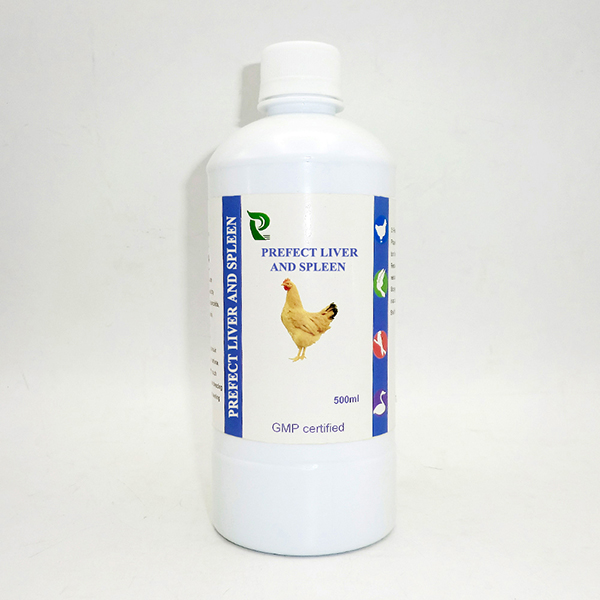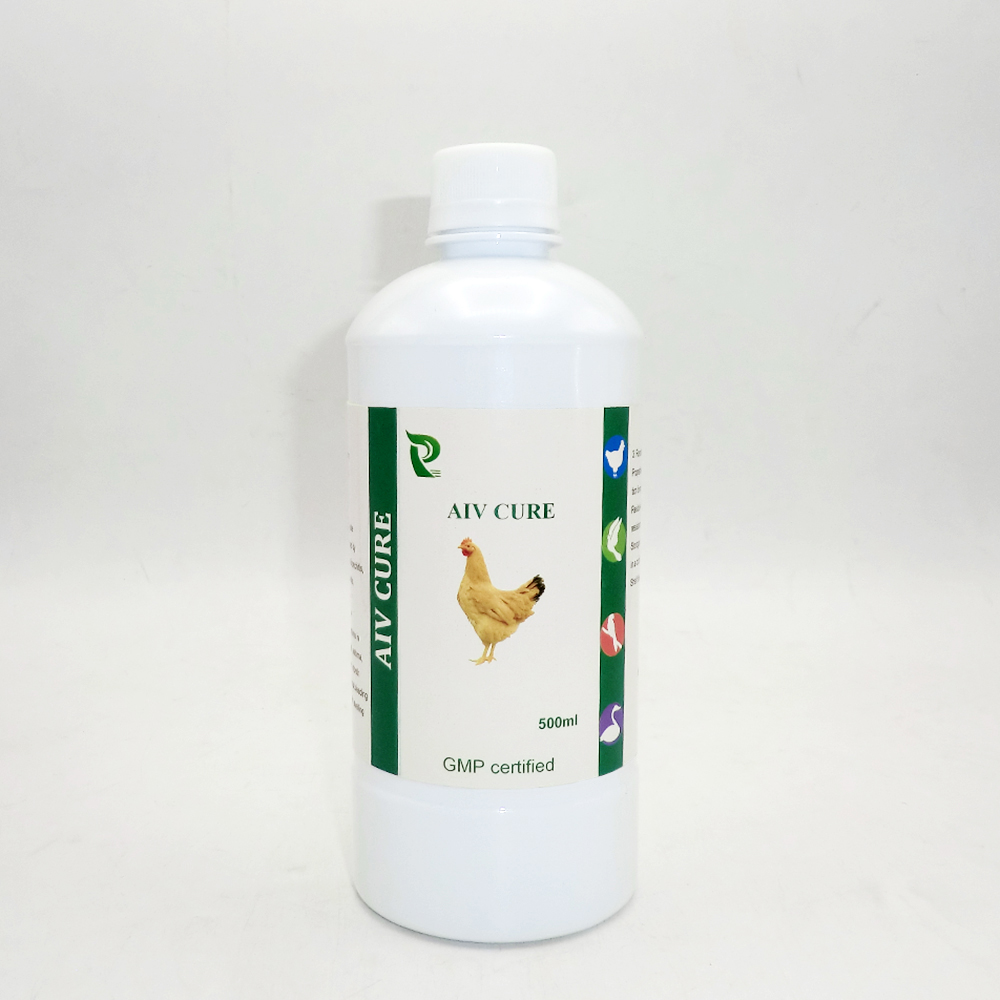
The Growing Importance of Feed Additives in Poultry Nutrition: A Global Perspective
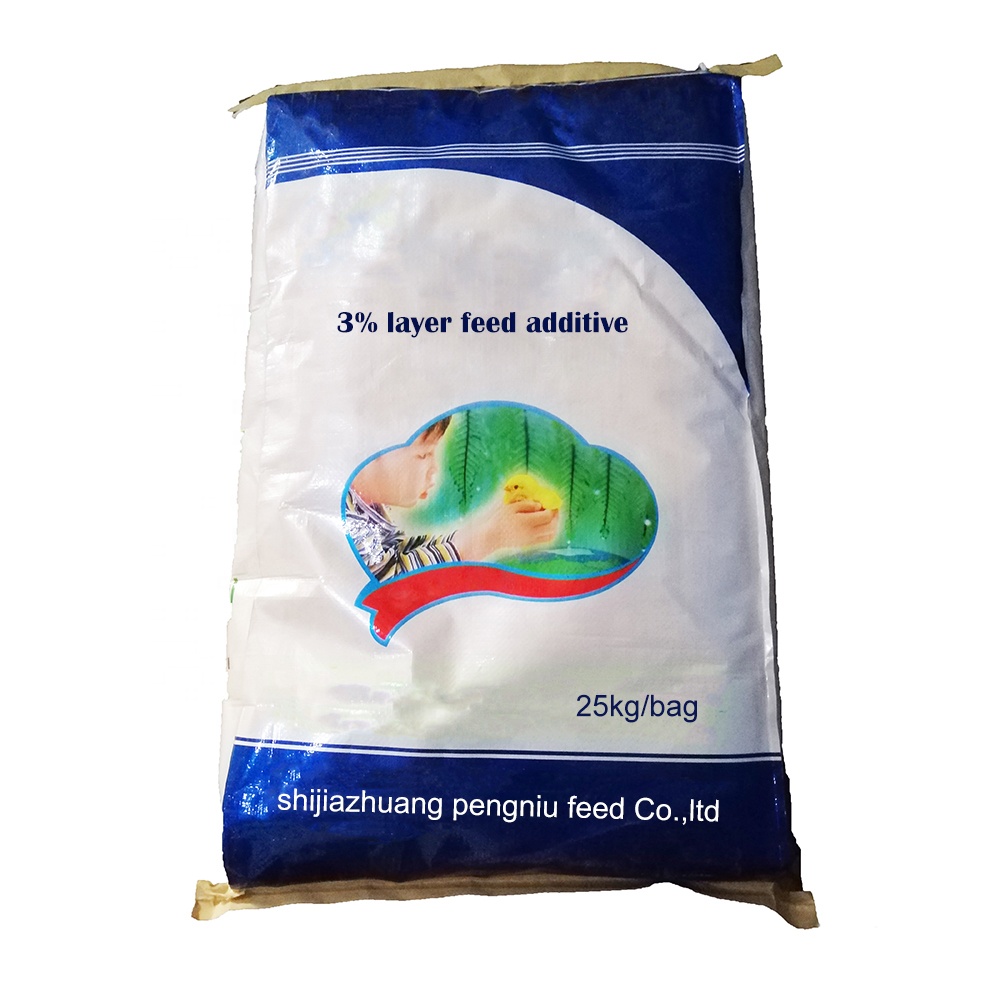
It’s fascinating how what’s added to poultry feed has evolved into a truly global concern. Feed additives in poultry nutrition—those subtle boosters tucked into chicken diets—play a critical role in poultry health, growth efficiency, and ultimately, food security worldwide. Given the fast-growing demand for poultry products driven by population growth and changing dietary habits, understanding how feed additives function isn’t just academic; it’s a cornerstone of sustainable animal agriculture.
From enhancing feed digestibility to bolstering immunity and reducing environmental impact, these additives offer a treasure trove of benefits. Over time, their strategic use has helped poultry producers tackle enormous challenges, including disease resistance, antibiotic reduction, and meeting stringent international food safety standards.
Why Feed Additives in Poultry Nutrition Matter Globally
Globally, poultry accounts for nearly 40% of all meat production, according to the Food and Agriculture Organization (FAO). The poultry sector alone supports millions of livelihoods and is a vital protein source for billions. Yet, the industry grapples with rising feed costs—often 60-70% of total production expenses—and pressure to reduce antibiotic use amid increasing regulatory attention.
Here lies the challenge: How can poultry producers improve feed efficiency, minimize disease outbreaks, and ensure sustainable environmental practices? Feed additives have stepped in as a versatile answer. Enhancing nutrient absorption and gut health makes poultry more resilient and productive, directly impacting global food security.
Mini takeaway: Feed additives in poultry nutrition are not just localized solutions; they’re essential tools to meet global food demands sustainably.
What Exactly Are Feed Additives in Poultry Nutrition?
Put simply, feed additives are compounds added to basic poultry feed to improve its nutritional quality or enhance bird health and growth performance. These include enzymes, probiotics, acids, vitamins, minerals, antioxidants, and more. They differ from basic feed ingredients (like corn or soybean meal) because they don't serve as primary nutrients but as enhancers.
Modern poultry production leans heavily on these additives to optimize growth rates and feed conversion ratios while reducing reliance on antibiotics—something increasingly important in the global effort to slow antimicrobial resistance. In humanitarian contexts, such as food aid programs, fortified poultry feed supplemented with additives can help vulnerable populations by improving local poultry productivity.
Core Components of Effective Poultry Feed Additives
1. Enzymes
These biological catalysts break down complex feed components like phytates and non-starch polysaccharides, making nutrients more available. For example, phytase reduces phosphorus excretion—a big plus environmentally.
2. Probiotics and Prebiotics
Beneficial bacteria and their “food” that support gut microflora balance, enhance immunity, and reduce harmful pathogens.
3. Organic Acids
These lower gut pH to inhibit pathogenic bacteria growth, improving digestion and feed efficiency.
4. Vitamins and Minerals
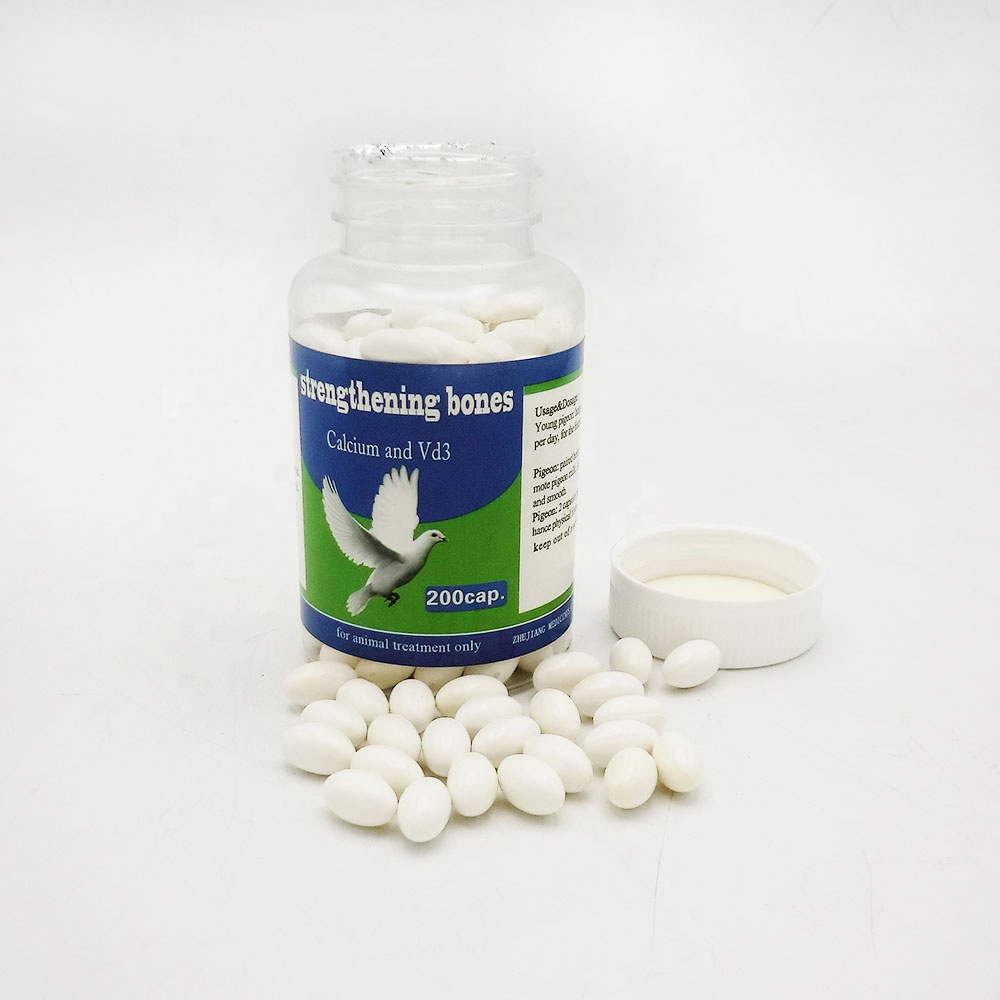
Essential micronutrients crucial for normal metabolic functions, immune system robustness, and bone strength.
5. Antioxidants
Help protect cells from oxidative stress and support overall health, impacting meat quality and shelf life.
Mini takeaway: The synergy among these components drives sustainable growth and resilience in poultry farming.
Real-World Applications Across the Globe
From Southeast Asia’s intensive poultry farms to backyard flocks in African villages, feed additives are everywhere. European producers rely on additives like enzymes and probiotics to comply with strict regulations banning antibiotic growth promoters (AGPs). Meanwhile, in countries facing feed scarcity, such as parts of Latin America, enzyme additives help maximize nutrient extraction from locally available, lower-quality feed ingredients.
In post-disaster relief zones, aid organizations often distribute poultry feed enhanced with vitamins and minerals to maintain flock health, helping restore a household’s livelihood faster. This has been valuable in Southeast Asia following typhoons, where quickly re-establishing local poultry production aids food security and economic recovery.
Advantages and Long-Term Value of Using Feed Additives
- Cost-efficiency: By improving feed conversion, producers get more meat or eggs per kg of feed, reducing overall costs.
- Environmental sustainability: Limiting phosphorus and nitrogen waste helps mitigate water pollution.
- Animal welfare: Healthier guts mean less disease, reducing the need for antibiotics.
- Food safety and quality: Enhanced bird health often translates to safer, higher-quality poultry products for consumers.
Emotionally, many producers feel more confident raising birds with natural additives supporting immune health rather than relying heavily on antibiotics. It also fosters trust among consumers increasingly savvy about clean label products.
Mini takeaway: Feed additives embody a win-win: better productivity, improved animal welfare, and greater environmental responsibility.
Looking Ahead: Trends and Innovations in Poultry Feed Additives
Innovation is buzzing in this space. We’re seeing probiotics designed through genomics for strain-specific effects, or enzymes tailored to new feed ingredients like insect meal. Digital farms now collect real-time health data to fine-tune additive inclusion rates.
The push for green energy and sustainability also influences feed additive development—innovators aim for bio-based additives with lower carbon footprints. Plus, regulatory trends demand transparency and traceability, accelerating moves toward natural or plant-based additives.
Overcoming Challenges in Feed Additive Use
Of course, it’s not all smooth sailing. Feed additives must be precisely formulated and correctly mixed; otherwise, efficacy wanes. Varying feed ingredients in different areas also demand product customization. There are concerns about cost premiums and supply chain disruptions, especially post-COVID-19.
Experts recommend integrated feed strategies combining nutrition, biosecurity, and management practices. Innovation in microencapsulation and slow-release technologies promises better delivery in the gut, reducing losses.
Product Specification Table: Typical Poultry Feed Additive Blend
| Component | Purpose | Typical Inclusion Rate | Key Benefits |
|---|---|---|---|
| Phytase Enzyme | Phosphorus availability | 500 FTU/kg feed | Reduced phosphorus waste & feed cost |
| Probiotic mix (Lactobacillus strains) | Gut health | 1×10^9 CFU/kg feed | Improved immunity & pathogen control |
| Organic Acids (Formic, Propionic) | Digestive environment regulation | 0.5–1% of feed weight | Pathogen reduction & feed efficiency |
| Vitamin-Mineral Premix | Nutrient balance | As per NRC guidelines | Supports growth & bone health |
Comparison of Leading Feed Additive Suppliers
| Supplier | Product Range | Regional Presence | Sustainability Commitment | Special Features |
|---|---|---|---|---|
| NutriFeed Corp. | Enzymes, probiotics, antioxidants | Global, strong in Asia & Europe | Bio-based additive development | Custom blends, R&D focus |
| AgroVita Solutions | Organic acids, vitamin premixes | Primarily Americas & Africa | Waste reduction initiatives | Field support & training |
| PoultryCare Inc. | Probiotics, enzymes, feed acids | Europe & Australia focus | Green packaging, carbon-neutral plants | ISO-certified formulations |
Common Questions About Feed Additives in Poultry Nutrition
- Q1: How do feed additives improve feed conversion ratios in poultry?
- A: Feed additives such as enzymes and probiotics help break down otherwise indigestible nutrients, improving nutrient absorption efficiency. This means birds grow faster and convert feed more effectively, reducing waste and feed costs.
- Q2: Are feed additives safe for poultry and human consumers?
- A: Yes, most feed additives undergo rigorous safety and efficacy testing according to global standards (like ISO and FDA regulations). When used correctly, they pose no risk to poultry health or the safety of meat and eggs for human consumption.
- Q3: Can feed additives reduce the need for antibiotics in poultry farming?
- A: Definitely. Many feed additives enhance gut health and bolster immune defenses, making birds less susceptible to infections. This reduces dependence on antibiotics, aligning with global efforts to combat antimicrobial resistance.
- Q4: How can small-scale poultry farmers access quality feed additives?
- A: Many suppliers offer tailored solutions suitable even for small operations. Partnering with local agricultural extensions or cooperative groups can help small farmers source affordable, effective additives.
Conclusion: Feeding the Future With Smart Additives
Feed additives in poultry nutrition are no longer an optional extra; they are central to advancing poultry production sustainably, efficiently, and responsibly worldwide. By enhancing feed utilization, promoting health, and easing environmental pressures, these additives help us meet the growing global protein demand with dignity and care.
Whether you’re running an industrial farm or supporting rural livelihoods, there’s real value to tapping into these innovations. For in-depth solutions tailored to your needs, visit us at https://www.rcpetfood.com and discover how feed additives can transform your poultry nutrition strategy.
References:
1. FAO. Poultry Sector Profiles. https://www.fao.org
2. NRC Nutrient Requirements of Poultry, 9th revised edition, The National Academies Press, 1994.
3. ISO standards on feed additives: https://www.iso.org
Post time: December 14, 2025