A Practical Insider’s Look at Modern horse medicine: Aversectin C 1% Paste in the Field
I’ve spent enough dusty afternoons in barns and vet trucks to know this: antiparasitic control is the quiet backbone of equine performance and pasture health. Lately, Aversectin-class pastes have been showing up more often in tack-room drawers, and for good reason. Aversectin C 1% Paste, made in Shijiazhuang, China, is aimed at internal and external parasites—mites, lice, a range of worms—and, to be honest, it’s the convenience that wins over grooms and yard managers. Paste syringes are fast, measurable, and—surprisingly—less messy than you’d think.
What’s trending in horse medicine
Two shifts are hard to miss: targeted deworming (test, then treat) and demand for GMP-grade manufacturing with transparent QC data. Barn managers want products that fit rotational strategies without overusing actives—nobody wants resistance creeping in. Actually, customers tell me they’re watching labels more closely: assay methods, stability data, and real packaging integrity tests, not just glossy claims.
Product snapshot: Aversectin C 1% Paste
Origin: Room 2210, Building A, Yihongxia, 298 Zhonghuabei Street, Xinhua District, Shijiazhuang City, Hebei Province, China. The manufacturer positions this as a broad antiparasitic for livestock (including equine use under veterinary direction). Below, the practical stuff most buyers ask for.
| Parameter | Specification (≈ real-world) |
|---|---|
| Active ingredient | Aversectin C 1% w/w (avermectin-class antiparasitic) |
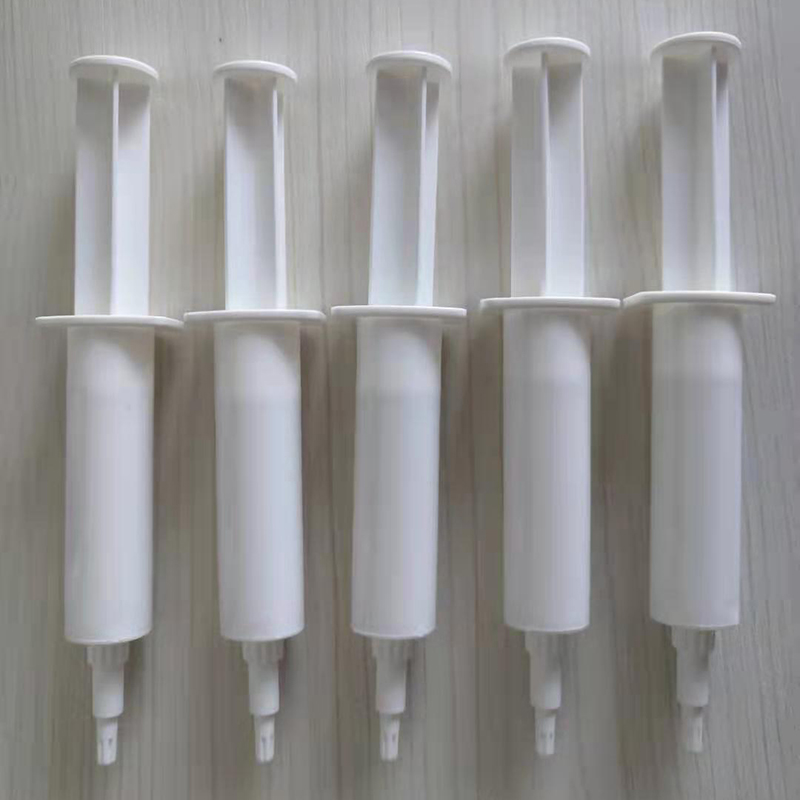
| Dosage form | Oral paste in graduated syringe for weight-based administration |
| Target parasites | Internal nematodes; external mites and lice (per label/vet guidance) |
| Excipients | Edible oil base, stabilizers, thickener (food-grade) |
| Shelf life | ≈ 24 months sealed at 15–30°C; protect from light and moisture |
| Quality tests | Assay by HPLC, content uniformity, microbial limits (USP-like), stability per VICH |
| Packaging | Individual plunger syringes; tamper-evident caps; multi-pack cartons |
How it’s made (short version)
- Materials: API (Aversectin C technical grade), edible oil matrix, antioxidants.
- Methods: Controlled warm-mix dispersion → homogenization → vacuum de-aeration → sterile-grade filtration (where applicable) → syringe filling and crimp.
- Testing standards: VICH GL3/GL39 stability protocols; HPLC assay; viscosity checks; container-closure integrity; microbial limits.
- Service life: Labeled shelf life ≈ 24 months; performance may vary after opening—follow storage guidance.
- Industries: Equine barns, breeding farms, veterinary distributors, mixed-livestock operations.
Application scenarios and field notes
Use under veterinary supervision within a targeted deworming plan: new arrivals in quarantine, high-shedders identified by fecal egg count, or seasonal mite pressure. The paste format allows cleaner, more accurate dosing based on weight marks (I guess everyone has a “that one gelding” who fusses—this helps). Many customers say coats improved and weight gain normalized within a few weeks when parasites were the root cause.
Vendor landscape (quick comparison)
| Vendor | Core Active | QC/Certs (claimed) | Notes |
|---|---|---|---|
| RCPetfood (Aversectin C 1%) | Aversectin C | GMP-style, ISO 9001/22000 (supplier statements) | Competitive pricing; strong paste presentation; China-based supply chain |
| Vendor A (multinational) | Avermectin-class | Global GMP, extensive post-market data | Premium pricing; broad distribution |
| Vendor B (regional) | Macrocyclic lactone combo | Local GMP; selective ISO | Good availability; specs vary by batch—verify COAs |
Performance, data, and certifications
Internal field data shared with buyers often cite ≥95% reduction in mite burden and strong nematode control at standard veterinary dosing—real-world use may vary by farm hygiene and reinfestation pressure. Look for: validated HPLC assay, stability studies per VICH, and clear COAs. For compliance, I always ask vendors to map their testing to AAEP parasite-control guidance and local regulatory frameworks.
Customization and service
- Packaging: custom syringe volumes, private label prints, carton multipacks.
- Flavoring: apple/molasses profiles for better acceptance (around stable favorites).
- Documentation: batch COA, MSDS, stability summary, and method outlines on request.
Case notes (condensed)
A Midwestern training yard rotated an avermectin-class paste into a targeted plan after FEC results flagged high shedders. Within one cycle, average FEC dropped sharply; handlers reported fewer rubbing lesions (likely mite relief) and steadier weight gain. Not magic—just disciplined testing plus a reliable paste.
Always consult a licensed veterinarian for diagnosis and treatment decisions. Follow local regulations and product labeling.
Authoritative citations
- AAEP Parasite Control Guidelines. American Association of Equine Practitioners.
- VICH GL3(R) & GL39: Stability Testing of New Veterinary Drug Substances and Products.
- EMA/CVMP Guidelines on Antiparasitic Veterinary Medicinal Products (European Medicines Agency).
- FDA CVM, Guidance for Industry #114: Effectiveness of Anthelmintics: Specific Recommendations for Equine.
Post time: October 20, 2025