What Are Premix Vitamins and Why They Matter Globally
Premix vitamins — if you’re hearing this phrase for the first time, don’t worry, you’re not alone. At its core, a premix vitamin is simply a thoughtfully combined blend of essential vitamins and nutrients designed to be added into food, animal feed, or supplements. But why should anyone outside of nutritionists or manufacturers care? Well, these tiny blends actually play a massive role across global health, agriculture, and even humanitarian aid campaigns.
The impact is broad-reaching. Globally, micronutrient deficiencies affect billions, leading to health issues like anemia or weakened immune systems. Premix vitamins make it possible to enrich staple foods or livestock feed, improving health outcomes at scale. They’re a subtle yet crucial ingredient in addressing nutrition gaps, particularly in developing countries where dietary variety is limited.
In a nutshell, understanding premix vitamins gives you a small window into how science and industry join forces to tackle malnutrition, enhance agricultural yields, and ultimately, support sustainable development goals worldwide.
Global Relevance in Today’s Industry and Public Health
The World Health Organization estimates that over 2 billion people globally suffer from micronutrient deficiencies. Many regions rely heavily on staple foods that lack key vitamins. Premix vitamins provide a practical solution — they can be integrated seamlessly into everyday foods or feed, making nutrient boosting possible without drastic dietary changes.
Industrially, the demand for premix vitamins is booming. The global premix market was valued at several billion USD recently and shows steady growth. This is partly driven by government fortification programs, rising health awareness, and an expanding livestock sector. Paradoxically, while malnutrition is a humanitarian challenge, premix vitamin production is also sophisticated industrial chemistry, where precision, safety, and efficiency are key.
One challenge remains: logistics and quality control. Ensuring that premix vitamins maintain potency from factory to table, especially in remote areas, is not trivial.
Defining Premix Vitamins: What They Actually Are
Put simply, premix vitamins are pre-blended mixtures of vitamins — sometimes minerals as well — designed to be added to food, feed, or supplements before final processing or packaging. This mix means manufacturers can add the right nutritional content without individually dosing each vitamin. It’s efficiency meets nutritional science.
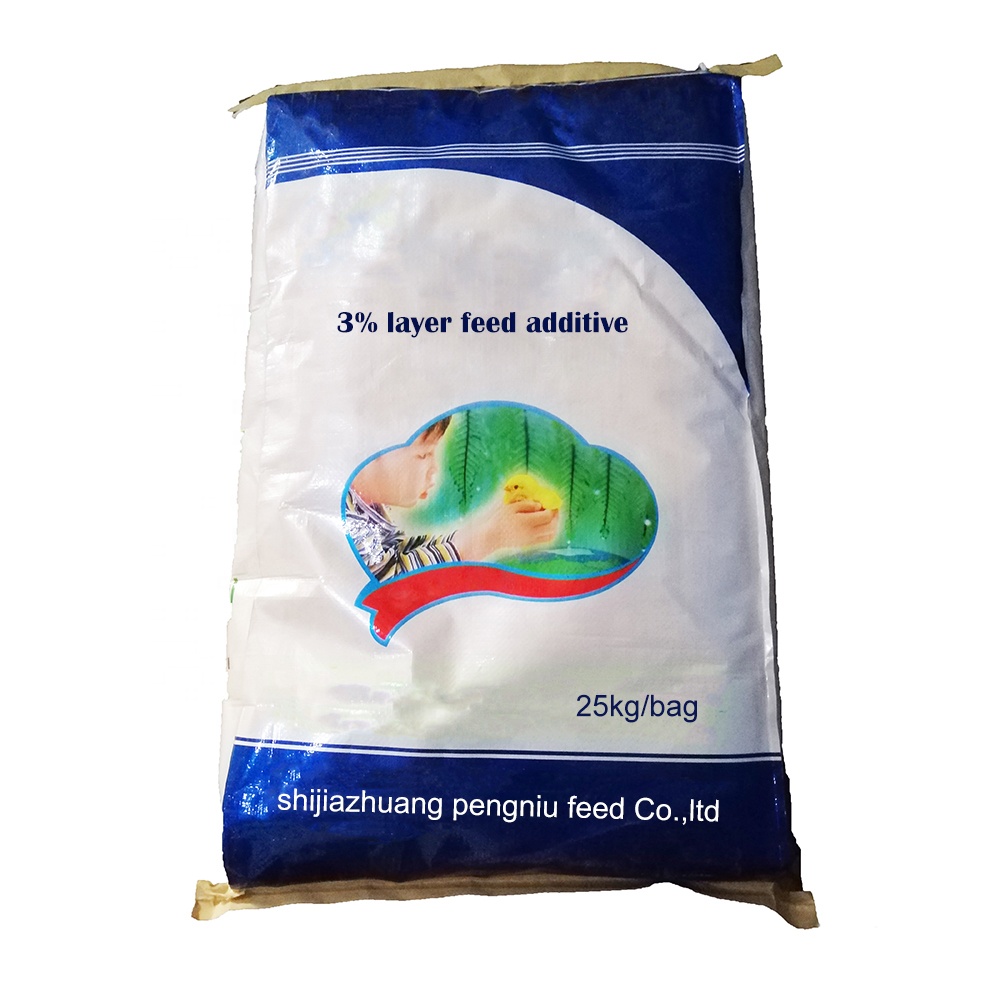
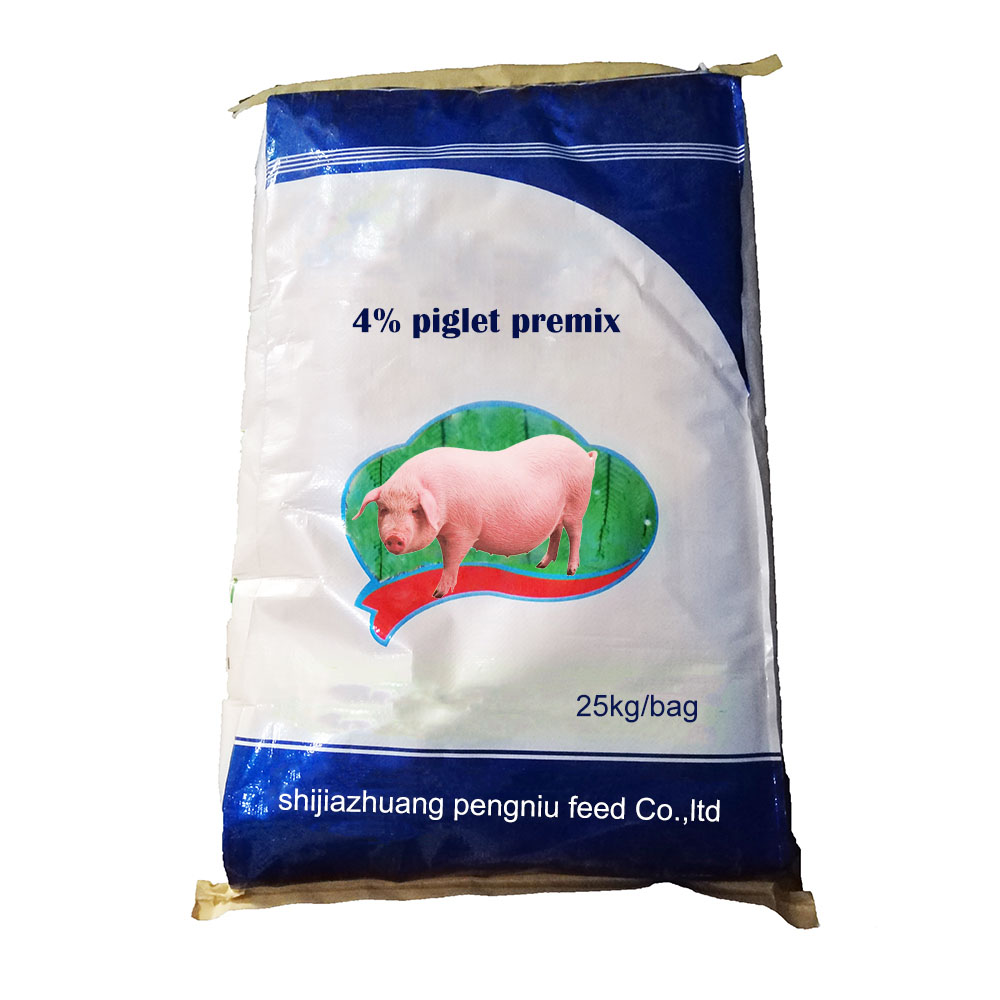
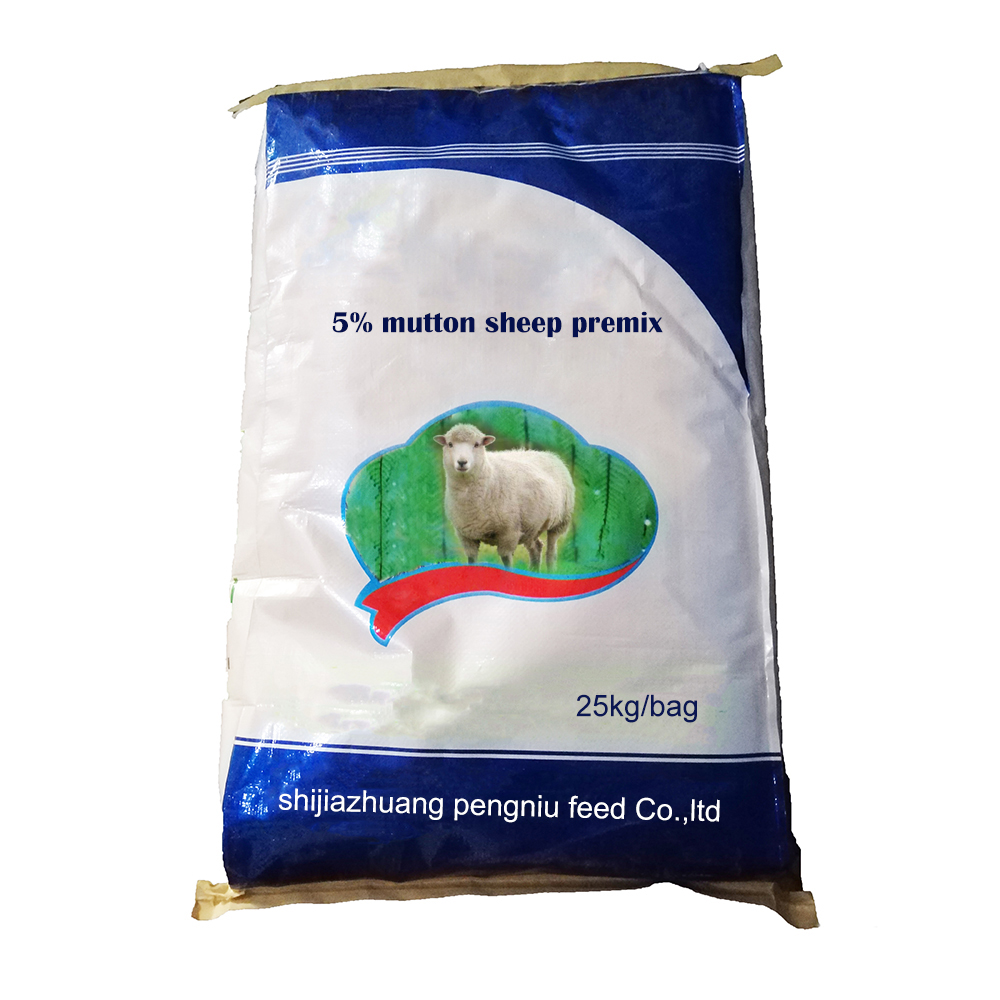
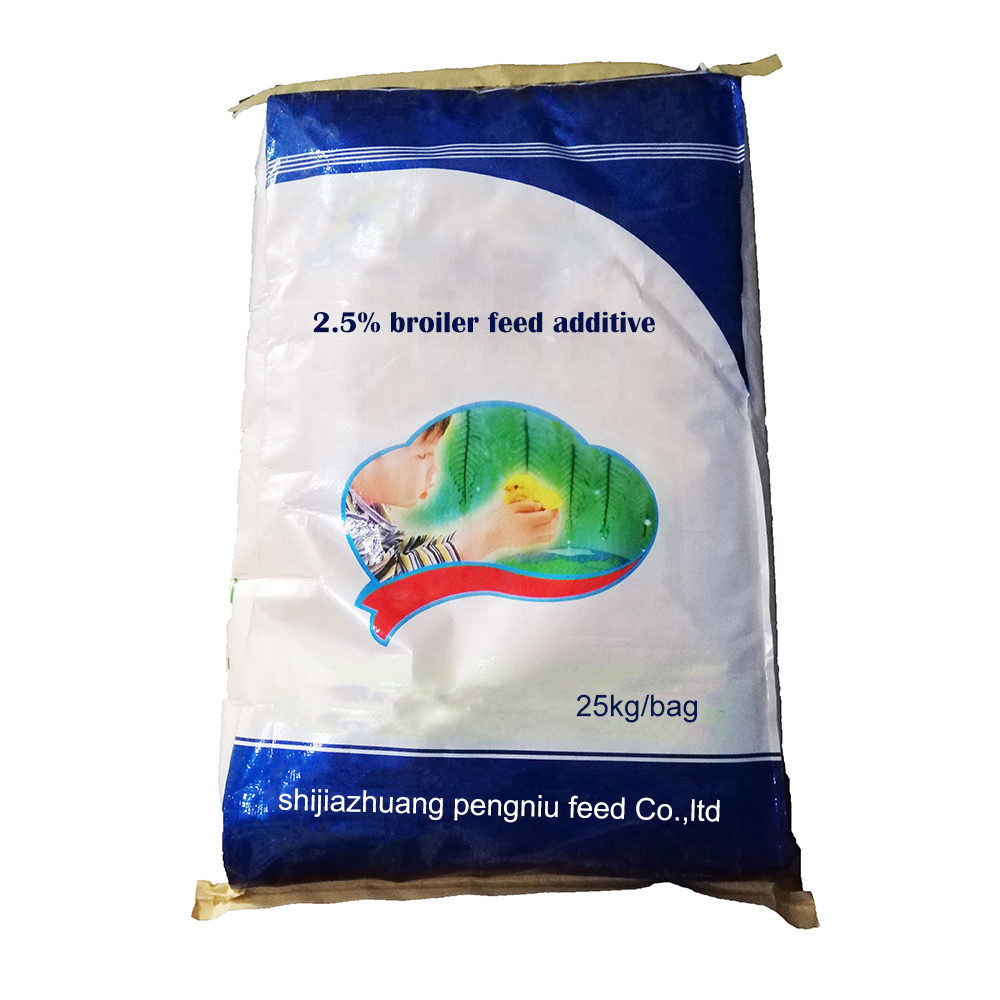
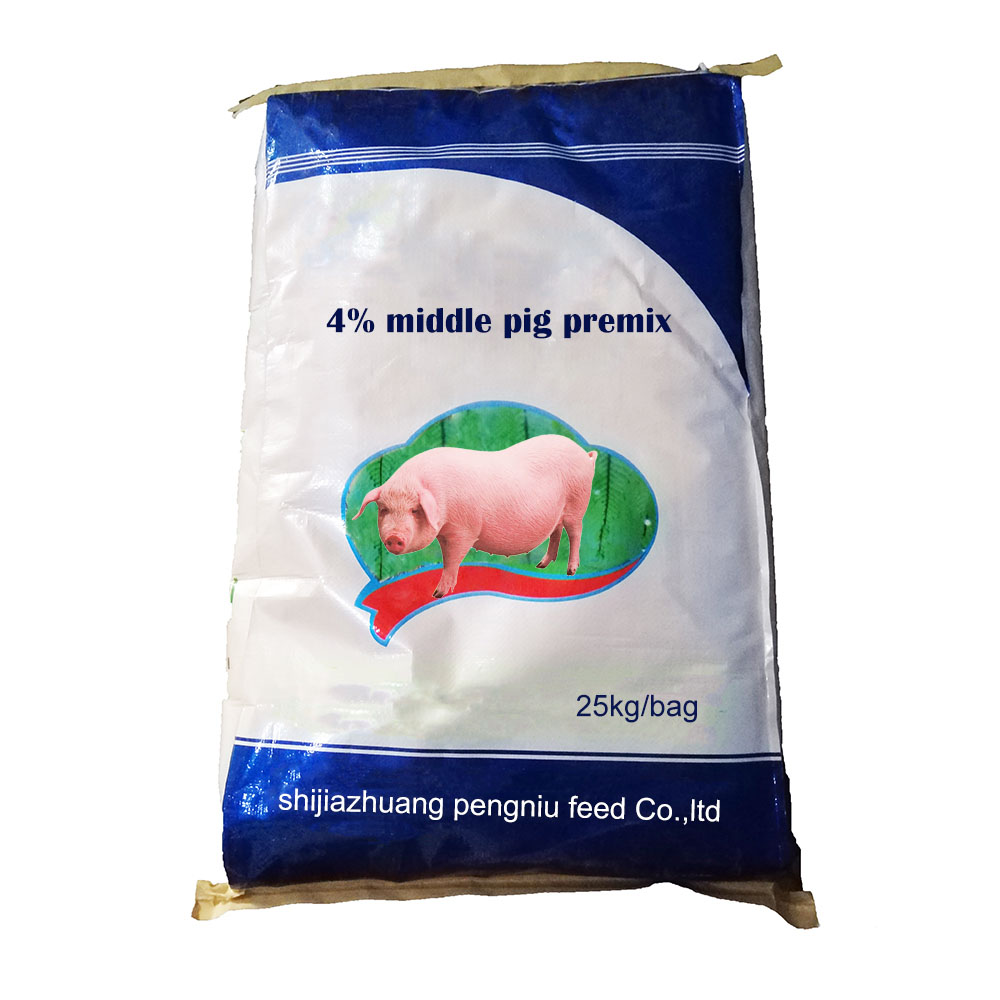
In humanitarian contexts, premixes often support emergency food rations, ensuring that displaced or vulnerable populations receive vital nutrients even in challenging conditions. In animal nutrition, similar principles boost livestock health and productivity, improving food security indirectly.
Core Components & Key Considerations
1. Nutrient Composition
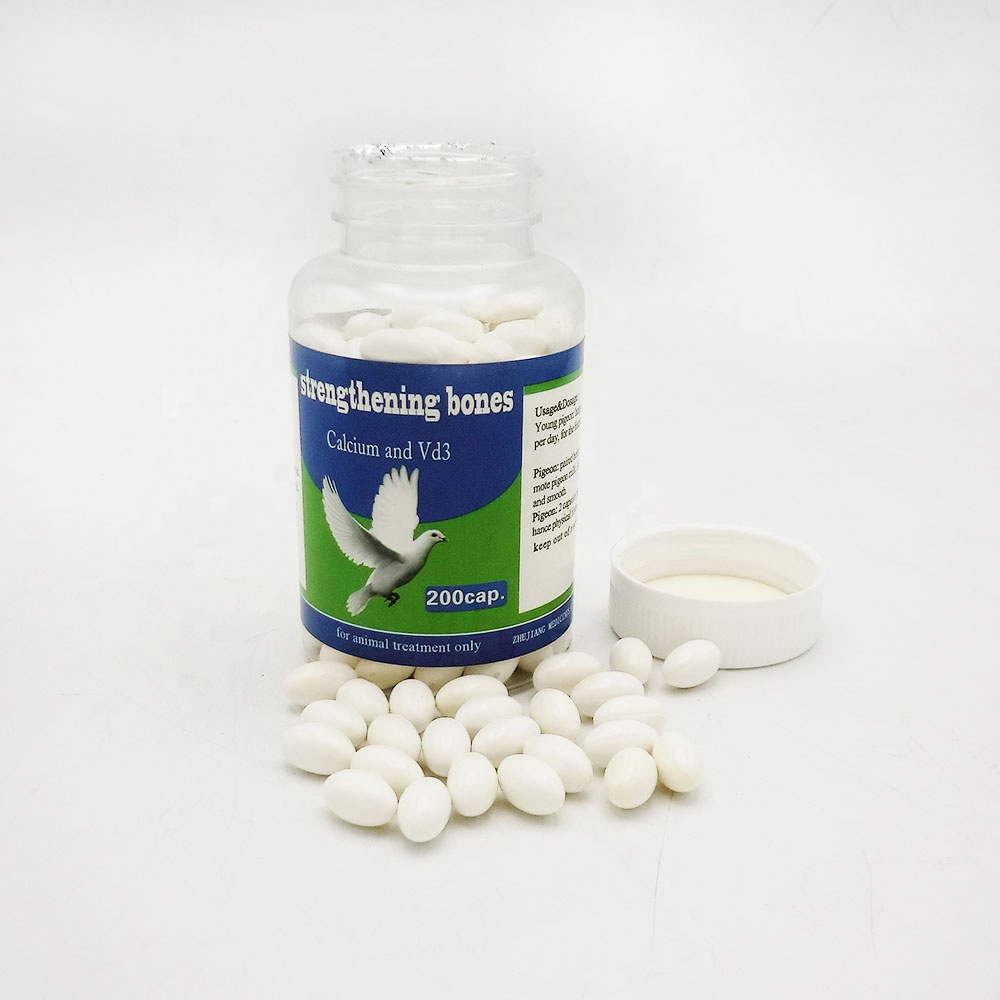
Premix vitamins typically include vitamins A, D, E, K, B-complex, and sometimes minerals like iron or zinc. Selection is based on targeted deficiencies or dietary needs, which vary by region or species.
2. Stability & Shelf-life
Many vitamins degrade quickly when exposed to heat, light, or moisture. Premixes are designed to protect these sensitive nutrients — often by microencapsulation or antioxidants — to ensure longevity, especially important in hot, humid climates.
3. Dosage Precision
Consistency is crucial. Too little vitamin fails to meet dietary goals, too much risks toxicity or regulatory violations. Advanced blending and quality control ensure even distribution throughout the product.
4. Compatibility with Food or Feed
Premixes must mix well without affecting taste, texture, or appearance. They also need to withstand processing like baking, extrusion, or pelleting.
5. Regulatory Compliance
Different countries have varied standards for vitamin fortification. Premix producers must navigate this complex landscape carefully.
Mini takeaway: Premix vitamins are not just random blends — they’re carefully engineered solutions balancing science, technology, and regulation to deliver health benefits wherever they're used.
Premix Vitamins in Real-World Applications
From fortified breakfast cereals in North America to enriched flour programs in sub-Saharan Africa, the applications are diverse.
- Human Nutrition: In countries like India, flour premixes containing iron and folic acid combat anemia and birth defects.
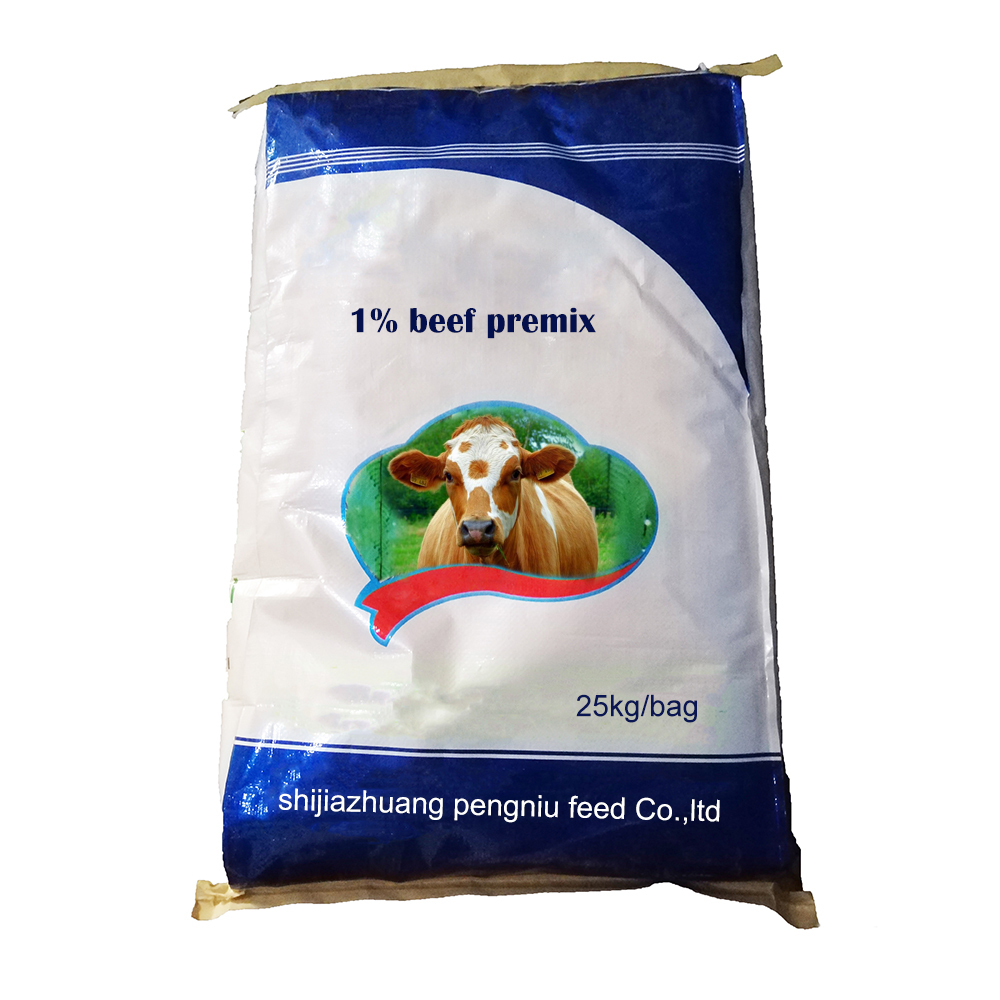
- Animal Feed: Livestock premix vitamins improve animal health, increase meat and milk yields, and reduce disease in places like Brazil’s cattle ranches.
- Emergency Assistance: Agencies such as the UN’s World Food Programme include premix vitamins in ready-to-use therapeutic foods for refugees.
- Infant Formula: To mimic breast milk nutrition, formulas are fortified with premixed vitamins to support early development.
Mini takeaway: Whether in large urban markets or rural relief camps, premix vitamins are quietly enabling healthier populations and more productive agriculture worldwide.
Benefits and Long-Term Impact of Using Premix Vitamins
Cost-wise, premix vitamins enable manufacturers to efficiently add nutritional value without redesigning whole product lines. This scalability means healthier products reach more people affordably.
Environmentally, the precision blending limits waste and overuse of expensive ingredients. Socially, premixes can restore dignity and safety by preventing malnutrition, particularly among children and vulnerable adults. And logically — the science backs their effectiveness in reducing deficiency rates.
There’s also an emotional aspect — it feels good knowing something as simple as your daily bread or feed mix could be boosting health invisibly. These tiny blends embody innovation, trust, and sustainability all at once.
Premix Vitamins Product Specification Table
| Specification | Details |
|---|---|
| Vitamin Types Included | A, B1, B2, B6, B12, C, D3, E, K |
| Minerals | Iron, Zinc, Calcium (optional) |
| Form | Powder, granules, microencapsulated |
| Shelf Life | 12–24 months (depending on storage) |
| Storage Conditions | Cool, dry place; protect from light & humidity |
| Typical Applications | Fortification of flour, feed, supplements |
Comparing Leading Premix Vitamin Vendors
| Feature | NutraBlend Inc. | VitaMix Global | PureNutra Co. |
|---|---|---|---|
| Product Range | Wide (human, animal) | Medium (focus on supplements) | Specialized (organic premixes) |
| Microencapsulation Tech | Advanced proprietary | Standard industry | Innovative plant-based |
| Global Certifications | ISO 22000, GMP | HACCP, FDA certified | Organic & Non-GMO certified |
| Price Tier | Mid to High | Mid | Higher-end |
| Lead Time | 2–4 weeks | 4–6 weeks | 3–5 weeks |
What’s Next? Trends and Innovations in Premix Vitamins
The future looks promising for premix vitamins, especially with the increasing frontiers of technology and sustainability.
- Green Synthesis: Some manufacturers are exploring more environmentally friendly vitamin production processes, reducing chemical waste and energy use.
- Automation & AI: Advanced blending equipment coupled with AI helps achieve precise dosing and quality checks in real-time, cutting errors and costs.
- Personalized Nutrition: As data-driven health solutions grow, premix vitamins might be tailored to specific population needs or even individual genomics.
- Expanded Fortification Initiatives: Governments may widen mandatory fortification policies as evidence mounts for their public health benefits.
Challenges & How Industry Tackles Them
There are inevitable obstacles. Stability is perhaps the greatest technical one. Some vitamins just don’t play nicely with heat or moisture, risking potency loss. Experts constantly refine encapsulation and packaging to address this.
Furthermore, supply chains need strengthening — sourcing high-quality raw vitamins without disruption is essential but vulnerable to market shifts or geopolitical concerns.
Regulatory complexity can slow market entry for innovations, but cross-industry collaborations and advocacy are helping harmonize standards internationally.
FAQs About Premix Vitamins
- Q: How do premix vitamins differ from raw vitamin powders?
- A: Premix vitamins are blended formulations designed for easy and precise incorporation into food or feed products, while raw powders tend to be individual vitamin ingredients often requiring further processing.
- Q: Can premix vitamins withstand cooking or baking temperatures?
- A: Many premixes use microencapsulation to protect sensitive vitamins during processing, but some degradation can still occur depending on temperature and time.
- Q: Are premix vitamins suitable for organic products?
- A: Yes, there are premix options certified for organic use, typically using vitamins derived from natural sources with non-GMO status.
- Q: How can small producers source premix vitamins?
- A: Local distributors or global vendors often offer minimum order quantities tailored for smaller-scale operations, though pricing might be higher than for large scale buyers.
- Q: What regulations govern premix vitamin fortification?
- A: Regulations vary by country and product type; many adhere to Codex Alimentarius or local food safety authorities. Compliance ensures safety and efficacy.
Final Thoughts and Next Steps
When you peek under the surface, premix vitamins reveal a fascinating intersection of science, industry, and social good. Their ability to quietly and efficiently improve nutritional intake worldwide makes them indispensable in modern food and feed manufacturing.
For companies or organizations eager to make a meaningful impact, understanding premix vitamins is a smart first step. They’re reliable, scalable, and continuously evolving to meet tomorrow’s health challenges.
Want to explore premix vitamin solutions tailored to your needs? Dive deeper by visiting our website, where comprehensive resources and expert support await. Nutrition might just be a blend away from transformation.
References
Post time: December 13, 2025