How to Inject Ivermectin in Rabbits: A Practical Guide
Having worked with all sorts of agricultural and industrial animals over the past decade, I’ve seen my fair share of health treatments—rabbits especially can be a bit tricky with medications. Ivermectin injections are a common go-to when it comes to controlling internal and external parasites in rabbits, but honestly, getting the dosage right and the administration correct is key. I suppose it feels like more art than science sometimes; rabbits have this delicate build, so you want to do it right the first time.
First off, why ivermectin? It’s effective against a range of parasites, including mites and intestinal worms, and that broad-spectrum action means fewer trips under the vet’s needle. Oddly enough, despite its widespread veterinary use, you’ll find rabbit-specific ivermectin details can be a bit scattered outside veterinary literature. That’s why I thought it’s worth putting down some field-tested advice.
Choosing the Right Ivermectin Product
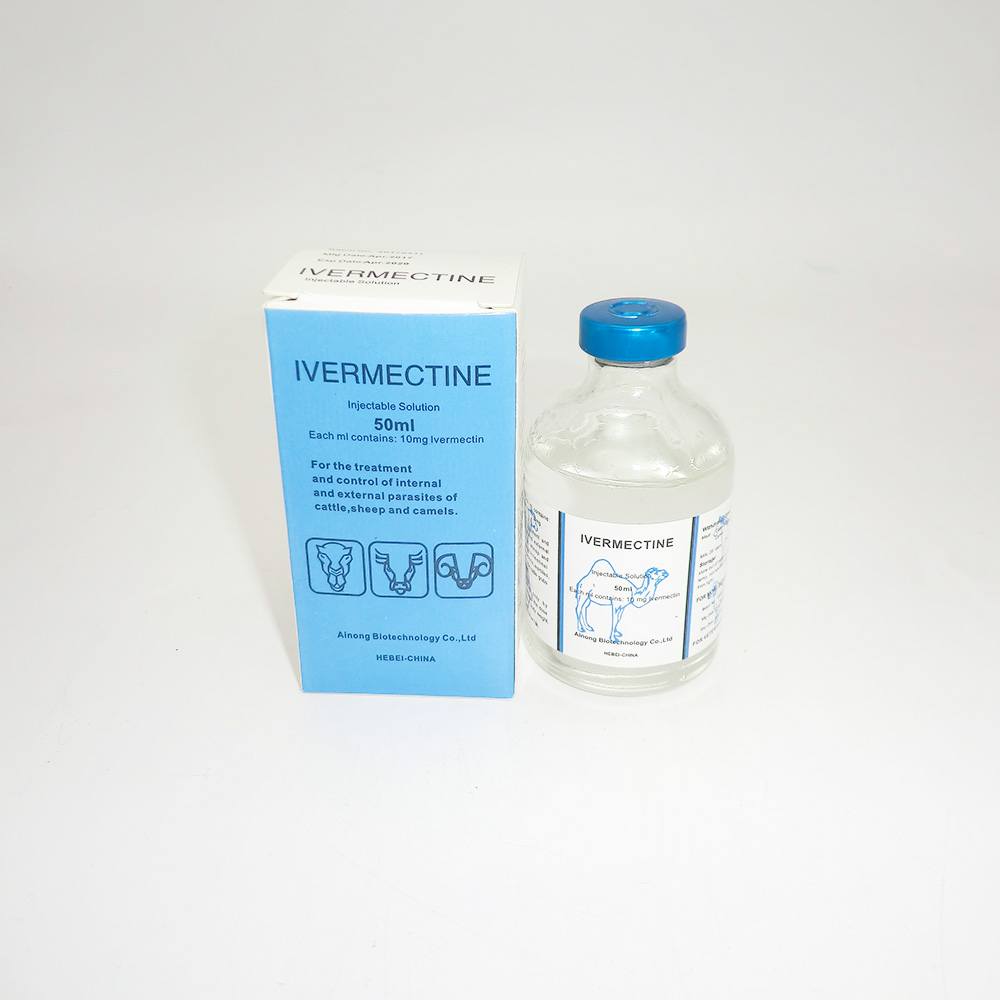
Most ivermectin products come in 1% injectable solutions, but depending on the brand and formulation, excipients can vary—important if your rabbits are sensitive. Remember, always check the product is labeled for use in rabbits or at least for small mammals. Avoid off-label misuse where possible; it’s just responsible animal care.
| Spec | Details |
|---|---|
| Concentration | 1% (10 mg/mL) |
| Dosage | 0.2 mg/kg body weight (0.2 mL per 10 kg) |
| Method | Subcutaneous injection (under skin) |
| Withdrawal Time | Varies; consult product label |
| Storage | Store between 15-25°C, protect from light |
How to Inject Ivermectin in Rabbits: Step-by-Step
Trust me, I always tell newer technicians: prepping the rabbit and injection site is as crucial as the dose itself. To start, gently restrain the rabbit—rabbits can get stressed quickly, so keeping them calm will make the process a lot easier. Usually, the loose skin over the scruff or between the shoulder blades is the best spot for a subcutaneous injection.
Here’s a rough breakdown:
- Weigh your rabbit carefully — accurate dosing hinges on this.
- Calculate the correct volume: as mentioned, 0.2 mg ivermectin per kg body weight.
- Clean the injection area with alcohol to reduce any infection risk.
- Using a sterile needle (typically 25-27 gauge), pinch the loose skin to form a tent.
- Insert the needle at a shallow angle, inject slowly, then withdraw carefully.
- Reward your rabbit with a treat—that little positive reinforcement helps future injections go smoother.
One thing I noticed over time is that the biggest mistakes often come from hurried administration—rabbits are fragile, and an anxious handler can cause an accident, like injecting too deep into muscle tissue instead of subcutaneous space. Always stay calm and steady.
Comparing Popular Ivermectin Brands for Rabbits
In the equipment and supply chain business, choosing your vendor is important. Reliable sourcing matters as much as product quality—especially when it comes to injectable meds.
| Brand | Purity & Formulation | Packaging | Typical Price (per 10 mL) | Notes |
|---|---|---|---|---|
| VetMicro™ | High purity, latex-free | Glass vial with sealed cap | $12 | Widely available, reliable batch testing |
| Parasafe® | Standard formula, includes preservatives | Plastic bottle with dropper | $10 | Popular, but some report sensitivity in rabbits |
| BioVet IverClean | Ultra-pure, no preservatives | Sterile single-dose vials | $18 | Ideal for sensitive or show rabbits |
Picking the right brand often boils down to your rabbits’ sensitivity and your budget. I once worked on a small show rabbit farm where they had severe reactions to preservatives in one brand, so switching to preservative-free made all the difference. It's worth asking your supplier for product details.
In real terms, ivermectin injection in rabbits is straightforward if done carefully and with respect for the animal’s delicacy. The right dosage, method, and a calm approach make all the difference.
If you want a trustworthy feeding partner alongside parasite control, check out RCPetFood—their formulations often complement health maintenance in small mammals nicely. Combining nutrition and parasite control is kind of the winning formula in my experience.
So, next time you handle that tiny injection, remember: steady hands, accurate math, and a calm mind. Your rabbits will thank you (even if they don’t say it).
A little patience goes a long way in animal care.
References
- Plumb's Veterinary Drug Handbook, 9th Edition, Wiley-Blackwell, 2018.
- FASS - Animal Medicines Handbook, 2023, www.fass.se
- Field notes from practical vet-tech training, 2016-2023.
Post time: January 6, 2026