Rabbit Food: More Than Just a Simple Diet Choice
If you’ve ever paused at your pet store aisle, wondering what exactly goes into the so-called rabbit food, you’re definitely not alone. Beyond the carrot sticks and fluffy greens, rabbit food is a surprisingly complex topic that impacts not only pet owners but agricultural communities, global food security, and even humanitarian aid programs worldwide. Understanding rabbit food means understanding how these small creatures fit into larger ecosystems, economies, and sustainability plans. It’s also about ensuring their well-being—and ultimately, maintaining a tiny, green thread in humanity’s nutritional safety net.
An Industry and Global Crop That Matters
Rabbits are among the most efficient converters of vegetation into high-quality protein, which is why rabbit food has become a niche yet vital segment within agriculture and pet care industries. According to FAO (Food and Agriculture Organization), small-scale rabbit farming accounts for millions of tons of meat annually globally—especially in developing countries where rabbits are cheap, fast-growing livestock.
But rabbit food matters beyond meat production. It’s a key part of agro-ecological cycles, helping reduce waste through recycling vegetable trimmings, weeds, and even certain crop residues. As the UN Food Systems Summit pointed out, diversifying protein sources with sustainable animals like rabbits can improve food security without overtaxing natural resources.
Still, challenges remain: inconsistent feed availability, nutritional imbalances, and lack of standardization can hamper optimal rabbit care. That’s where proper understanding and innovation in rabbit food come in to play.
What Exactly Is Rabbit Food?
At its core, rabbit food refers to the diet composed primarily of fibrous veggies, hay, pellets, and fresh water that keep rabbits healthy. Think of it as a blend designed for highly specialized herbivores with sensitive digestive systems. Unlike many other livestock, rabbits require a constant supply of fiber to prevent gastrointestinal issues and maintain their delicate gut flora. It might sound simple, but the ingredients and quality of this rabbit chow are crucial for their longevity and productivity.
From a humanitarian angle, rabbit food is also a component of animal welfare standards in farming and laboratory settings, contributing to better animal ethics and sustainable protein strategies. Modern industries that produce rabbit food aim to balance nutrition, affordability, and environmental responsibility—often using locally sourced plants and recycled materials.
Core Components of Effective Rabbit Food
- Fiber Content: The backbone of any good rabbit diet, usually supplied by timothy hay, alfalfa (for young rabbits), and other dried grasses. Fiber supports digestion and healthy bacteria.
- Protein Levels: Necessary for growth and reproduction, but balanced carefully—too much protein stresses kidneys.
- Vitamins & Minerals: Essential nutrients like Vitamin A, calcium, and potassium. Some producers enrich pellets with supplements to avoid deficiencies.
- Moisture & Freshness: Helps in hydrating rabbits naturally; fresh leafy vegetables also provide this.
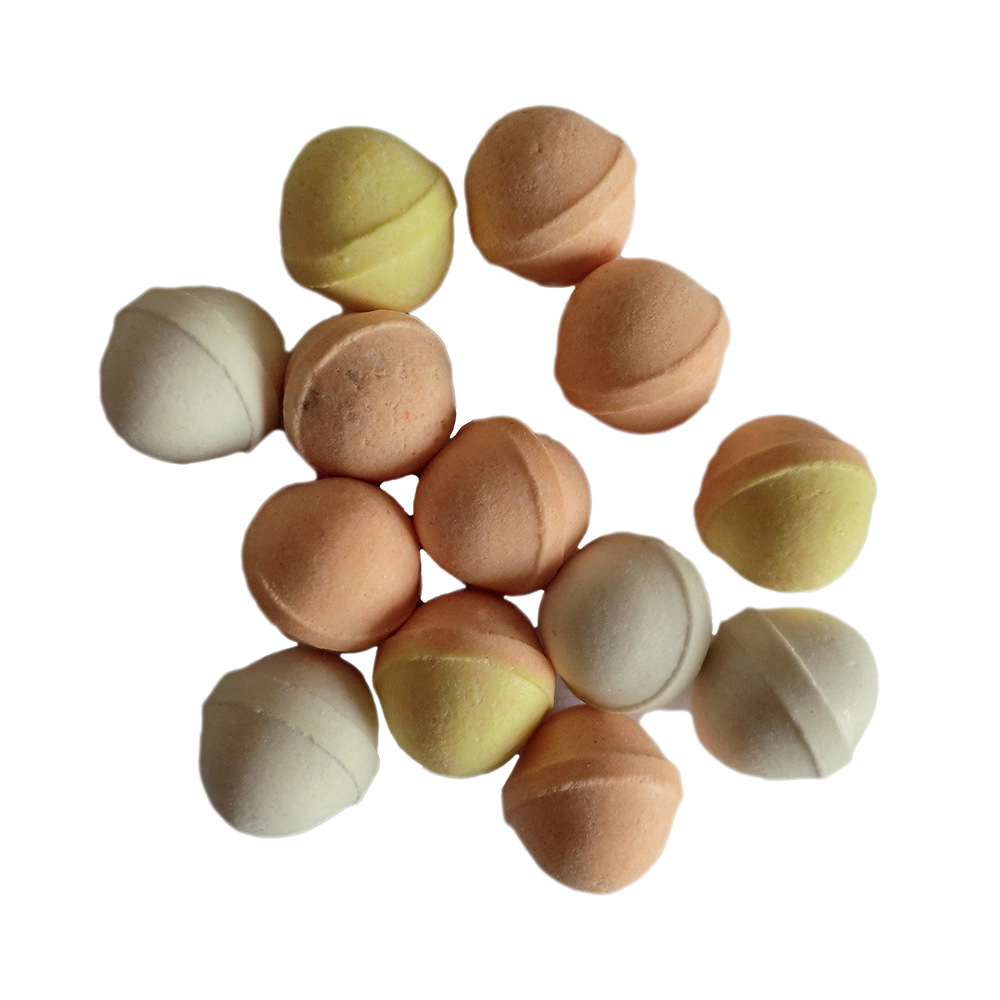
- Pellets: Compressed feed that delivers balanced nutrition in a convenient form but should never replace hay.
- Palatability: Rabbits are picky eaters; taste impacts intake and nutrient absorption.
Each component interlocks to ensure rabbits not only survive but thrive. It’s almost like a mini ecosystem in their food bowl.
Mini Takeaway
Rabbit food is a deceptively complex field spanning nutrition science, agriculture, and sustainability—vital for both pet care and global food strategies.
Global Rabbit Food Applications: From Backyard to Global Farms
In many parts of Africa, Asia, and Latin America, rabbits are a cheap protein alternative and a source of income. Countries like Kenya have community projects focusing on rabbit farming where proper rabbit food formulations help farmers achieve better yields. Similarly, European Union agricultural subsidies encourage research into sustainable feeds that reduce environmental impacts.
In urban settings, pet stores stock various rabbit food products aimed at domestic owners looking for convenience and quality. Meanwhile, NGOs involved in disaster relief zones have started to use rabbits and their feed as part of rehabilitating rural communities—fast-growing rabbits provide food quickly, while their feed sources can often be locally sourced weeds or crop by-products.
Examples of Use Cases
- Post-disaster relief: Emergency food programs that supply pellet mixes to sustain small-scale rabbit farms in crisis areas.
- Organic farming: Using crop residues to feed rabbits reduces waste and completes nutrient cycles.
- Pet Industry: Customized pre-packaged rabbit food blends catered to various breeds and ages.
Mini Takeaway
Rabbit food isn’t just for pets. It plays a pivotal role in various industries and even humanitarian efforts worldwide, thanks to rabbits’ unique traits.
Advantages & Lasting Impact of Quality Rabbit Food
Why invest in better rabbit food? The advantages ripple outwards:
- Cost efficiency: Proper rabbit food prevents illness and improves growth rates, which translates to fewer vet bills and quicker returns in meat production.
- Sustainability: Rabbits consume less water and land than larger livestock; good feed maximizes this eco-friendly potential.
- Social impact: Boosts rural livelihoods by supporting smallholder farmers and local economies.
- Reliability: Consistent nutrition leads to stable herd health, a key concern in commercial operations.
- Emotional benefits: Pet owners feel assured when feeding balanced diets that promote their pets’ health and happiness.
Product Specification Table for a Standard Premium Rabbit Food Blend
| Component | Typical Range | Notes |
|---|---|---|
| Crude Fiber | 18% - 22% | Supports digestion |
| Protein | 14% - 16% | Balanced for growth & maintenance |
| Calcium | 0.8% - 1.2% | Essential for bones but avoid excess |
| Moisture | 10% - 12% | Prevents spoilage |
| Vitamin A | 5000 - 7000 IU/kg | Important for vision and immune function |
Comparing Popular Rabbit Food Vendors
| Vendor | Key Features | Price Range | Sustainability Focus |
|---|---|---|---|
| GreenGrass Farms | Organic hay, GMO-free pellets | $$$ | Uses biodegradable packaging |
| BunnyChoice | Multi-vitamin enriched pellets | $$ | Locally sourced ingredients |
| EcoRabbit | Low-calcium formula for adult rabbits | $$$ | Zero-waste manufacturing |
Future Trends in Rabbit Food
It might seem like rabbit food has been around forever, but frankly, the field is evolving fast. Innovations such as precision nutrition tailor-made to a rabbit’s age, breed, and health status are becoming mainstream. Scientists are experimenting with algae-based additives and fermented feeds to boost gut health and reduce methane emissions—the pet equivalent of green fuels.
Automation in feed production allows smaller, artisanal brands to thrive, while digital platforms help owners ensure their rabbits get the right balance, even adjusting feeding schedules intelligently. On the sustainability front, circular agriculture models promote using waste streams from other crops and even insect protein as supplemental feed.
Challenges & Solutions in Rabbit Food Production
One common hurdle with rabbit food is balancing affordability and quality—cheap pellets may lack necessary nutrients, whereas premium options can be inaccessible to small farmers or pet owners on a budget. Storage is another challenge; humidity and pests can spoil feed quickly.
To offset these, many companies now integrate moisture control packaging and fortify cheap feed with locally sourced supplements. Extension programs teach farmers how to grow their own hay and safely store feed, cutting costs and improving outcomes.
FAQ: Frequently Asked Questions About Rabbit Food
- What is the best type of hay for a pet rabbit?
- Timothy hay is generally preferred for adult rabbits because it offers optimal fiber without too much calcium—important to avoid urinary issues. Alfalfa hay is better for young or pregnant rabbits due to higher protein and calcium.
- How often should rabbit food pellets be fed?
- Pellets should be a small part of the diet—usually around 1/4 cup per 5 pounds of body weight daily—because overfeeding can cause obesity and digestive problems. Fresh hay should make up most of a rabbit’s diet.
- Can rabbits eat vegetables instead of pellets?
- While fresh vegetables provide vitamins and moisture, they shouldn’t replace pellets or hay entirely, as they lack sufficient fiber. Vegetables are best offered as treats or supplements, not main foods.
- Is homemade rabbit food as good as commercial products?
- Homemade diets can work if balanced carefully, but it's tricky to provide all nutrients without professional guidance. Commercial feeds are formulated to meet nutrient standards consistently, making them safer for most owners.
- How can I store rabbit food to keep it fresh?
- Store hay and pellets in a cool, dry place away from sunlight and pests. Airtight containers or sealed bags with moisture absorbers can extend shelf life by preventing mold and spoilage.
Wrapping It Up
Understanding rabbit food is more than just knowing what your pet nibbles on—it’s about appreciating a delicate balance of nutrition, sustainability, and practicality that supports everything from your furry friend's health to rural economies and global food systems. Whether you’re a pet owner or stakeholder in agricultural development, good rabbit food is a subtle yet powerful tool for better living.
For reliable, well-researched products and insights on rabbit nutrition, why not visit our website? Because when it comes to rabbit food, a well-fed rabbit is a happy rabbit—and that makes everybody smile.
References
Post time: December 13, 2025