How to Inject Ivermectin: Insights from Years in the Industrial Equipment Sector
Now, before you raise an eyebrow—yes, I’ve spent countless hours in the industrial equipment world, and oddly enough, understanding the right way to inject ivermectin came up more times than you’d think. Not exactly the most glamorous topic, but, frankly, it’s one of those things where detail matters. A lot.
The truth is, ivermectin is a versatile, widely used antiparasitic agent that’s found its way not just in veterinary fields but also in broader agricultural and industrial animal management. And while the product itself is formulated carefully—thanks to years of testing and refinement—administering it correctly is what makes or breaks the whole operation.
One thing I’ve noticed over the years is how often people underestimate the importance of injector selection and technique. It’s not just about sticking a needle in an animal, pumping some liquid, and being done with it. Injecting ivermectin requires precision, the right equipment, and an understanding of the product’s formulation—because it influences absorption, efficacy, and animal welfare. Most engineers and operators I’ve worked with agree this isn’t something to skim over.
Ivermectin Injection: Product Specifications at a Glance
| Specification | Details |
|---|---|
| Active Ingredient | Ivermectin 1% w/v |
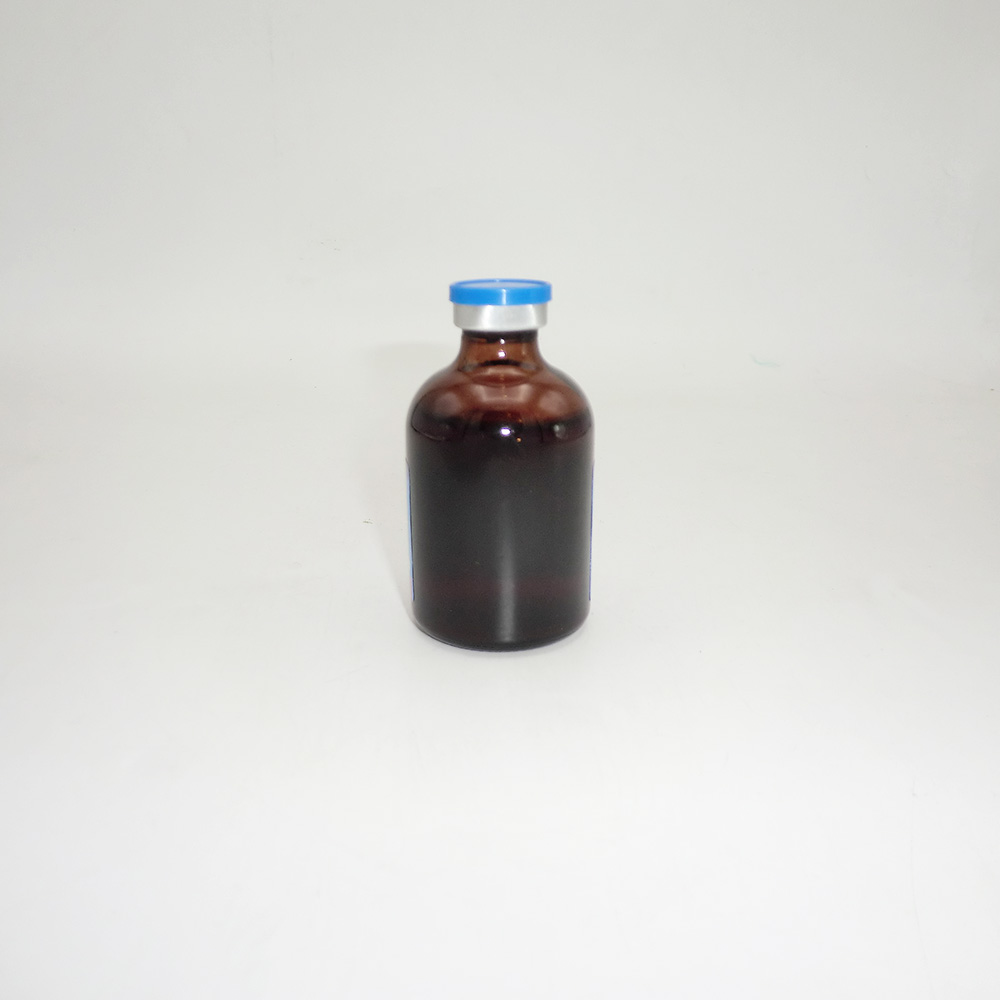
| Formulation Type | Injectable solution (subcutaneous) |
| Dosage Accuracy | Typically 0.2 mg/kg body weight |
| Storage Conditions | Store below 25°C, protect from light |
| Shelf Life | 2 years from manufacturing date |
In real terms, ivermectin’s careful formulation ensures it stays potent after long storage—even in less-than-ideal farm conditions, which, I suppose, many of us are familiar with. This is crucial because inconsistent dosing can lead to poor parasite control or, worse, resistance issues.
Choosing Your Injector: Vendor Comparison
| Feature | VendoEquip Pro | SureDose Injector | PrecisionFlow 4X |
|---|---|---|---|
| Injection Type | Manual pump | Semi-automatic | Fully automatic |
| Dose Accuracy | ±5% | ±2% | ±1% |
| Volume Capacity | 50 ml | 100 ml | 250 ml |
| Ease of Use | Moderate | Good | Excellent |
| Price Range | $150-$200 | $300-$350 | $600-$700 |
Picking the right injector often boils down to balancing budget with precision demands. In my experience, the SureDose Injector hits a sweet spot for many mid-sized farms; it’s reliable and more accurate than your run-of-the-mill manual pumps. The PrecisionFlow 4X costs a pretty penny, but for large-scale operations where time equals money, it’s worth every cent.
Just last season, a client of mine switched from a standard syringe to a semi-automatic injector for ivermectin. They reported fewer dosing errors and less stress on the animals (and themselves!). Small changes like this often go unnoticed but can significantly impact overall herd health and operational efficiency.
Steps for Safe Ivermectin Injection
- Calculate the exact dose — usually 0.2 mg/kg of body weight is standard, but check product guidelines.
- Use a clean, sharp needle and sterile equipment to avoid infections.
- Administer subcutaneously, typically in the neck area where the skin is loose.
- Inject steadily and monitor the animal for any adverse reaction.
- Dispose of needles properly in designated sharps containers.
In all honesty, following these steps isn’t rocket science but requires care. That’s why many farms invest in training for their staff — it’s about precision and safety not just for animals but also for the humans involved. I keep telling colleagues: accuracy in injection dosing isn’t just a technical detail — it’s the foundation of parasite management success.
Oh, and one quick caveat — dosing ivermectin outside of its approved usage or without veterinary guidance is a no-go. It’s best to consult professional resources or vets because misuse can cause toxicity or resistance problems.
If you want a reliable supplier, you might want to explore trustworthy sources like this one. They consistently deliver quality products that stand up to tough conditions.
So, while injecting ivermectin might sound straightforward on paper, in real operations, it’s a little art and a lot of science. From choosing the right injector to handling the product properly, every step counts.
In the end, a careful approach leads to healthier livestock, fewer parasites, and most importantly, peace of mind.
Takeaway: Never underestimate the little details when administering ivermectin — your animals and your operation depend on it.
References:
1. FDA Guidelines on Ivermectin Usage (fda.gov)
2. Veterinary Parasitology Texts, 3rd Edition
3. Field insights from Industrial Agriculture Equipment Community
Post time: January 5, 2026