Buy Ivermectin Injectable: A Comprehensive Guide
Ivermectin is a broad-spectrum antiparasitic drug used to treat a variety of internal and external parasitic infections in animals. The injectable form offers a precise and effective method of administration. This article provides a detailed overview of buying ivermectin injectable, its uses, dosage, safety precautions, and where to source it reliably. Understanding these aspects is crucial for ensuring the health and well-being of your animals. We'll explore the benefits of using the injectable form and how to ensure proper administration.
Understanding Ivermectin Injectable
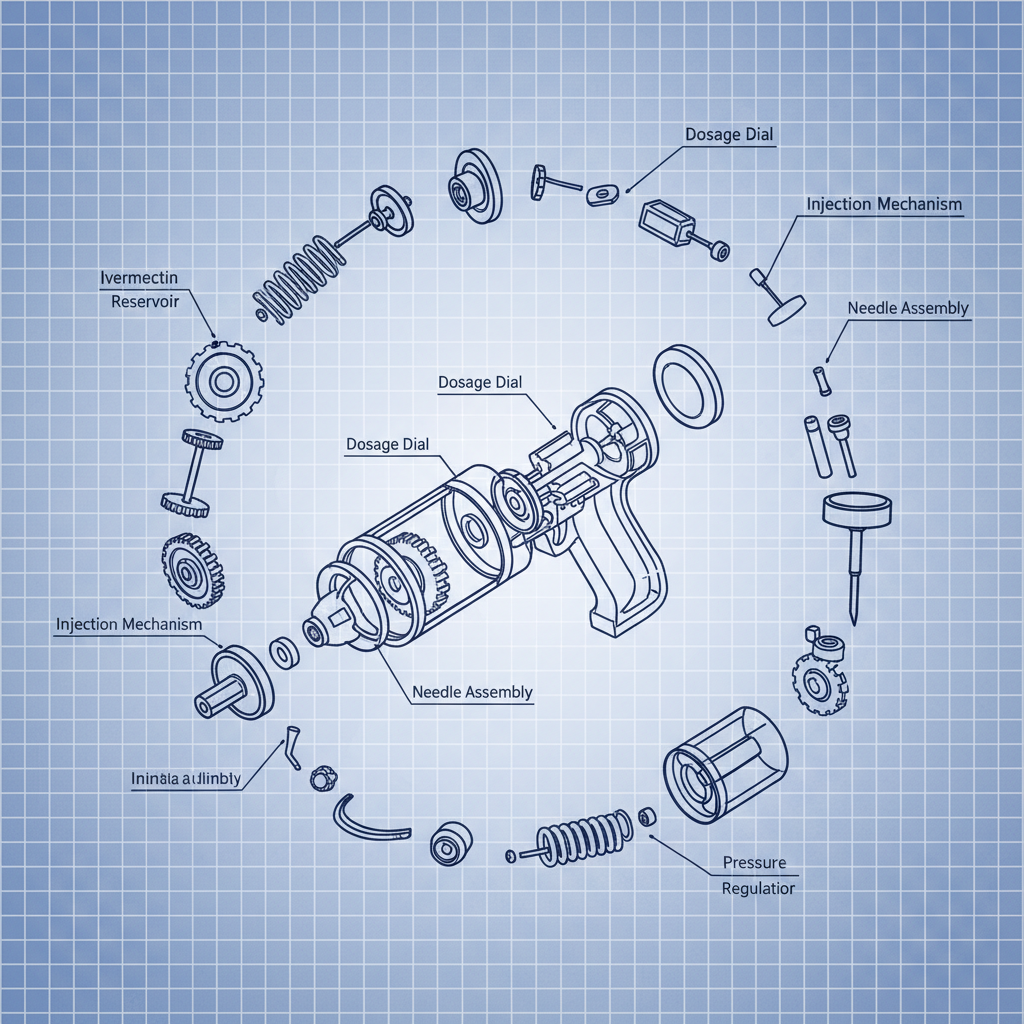
Ivermectin injectable is a sterile solution containing ivermectin, a macrolide antiparasitic. It functions by disrupting the nerve and muscle function of parasites, leading to their paralysis and eventual death. It’s particularly effective against internal parasites like roundworms, lungworms, and stomach worms, as well as external parasites such as mites and lice. The injectable form allows for accurate dosing based on weight, minimizing the risk of under or overdosing, which is a key advantage over oral formulations. Choosing a reputable supplier like RC Pet Food is essential to ensure product quality and authenticity.
Key Highlights: Accurate dosing, broad-spectrum antiparasitic, effective against internal and external parasites, sterile solution for safe administration.
Common Uses of Ivermectin Injectable
Ivermectin injectable is widely used in veterinary medicine for treating parasitic infections in a range of animals including cattle, swine, sheep, and goats. It’s commonly used to control gastrointestinal worms, respiratory parasites, and ectoparasites. In cattle, it helps to improve weight gain and milk production by reducing the parasitic burden. In swine, it's used for the prevention and treatment of lungworms and mange. For sheep and goats, it is effective against a wide array of internal and external parasites, contributing to improved overall health and productivity. Proper diagnosis of the parasitic infection is crucial before administering any treatment; consulting a veterinarian is highly recommended.
Common Applications:
• Treatment of gastrointestinal worms
• Control of respiratory parasites
• Management of ectoparasites (mites, lice)
• Improved weight gain and productivity in livestock
Dosage Guidelines and Administration: Buy Ivermectin Injectable
Dosage of ivermectin injectable varies depending on the animal species, weight, and the specific parasitic infection being treated. It's absolutely critical to follow the veterinarian’s instructions or the product label precisely. Typically, it’s administered via subcutaneous injection, usually in the neck region. Ensure the injection site is clean and free of any inflammation. A common dosage for cattle is 1 mL per 110 lbs of body weight, but this can vary. Incorrect dosing can lead to ineffectiveness or, in the case of overdosing, potential toxicity. Always use a sterile needle and syringe and follow proper injection techniques.
Safety Precautions and Potential Side Effects
While generally safe when used correctly, ivermectin injectable can have potential side effects. These are typically mild and transient, including localized swelling or pain at the injection site. In rare cases, more serious reactions like allergic reactions or neurological symptoms may occur. Always observe animals closely after administration for any signs of adverse reactions. Avoid using ivermectin in very young animals or animals that are severely debilitated. It’s also crucial to adhere to withdrawal times before slaughter or using milk from treated animals for human consumption. Refer to the product label and consult your veterinarian for specific guidance. When you buy ivermectin injectable, ensure you’re aware of all safety guidelines.
Where to Buy Ivermectin Injectable
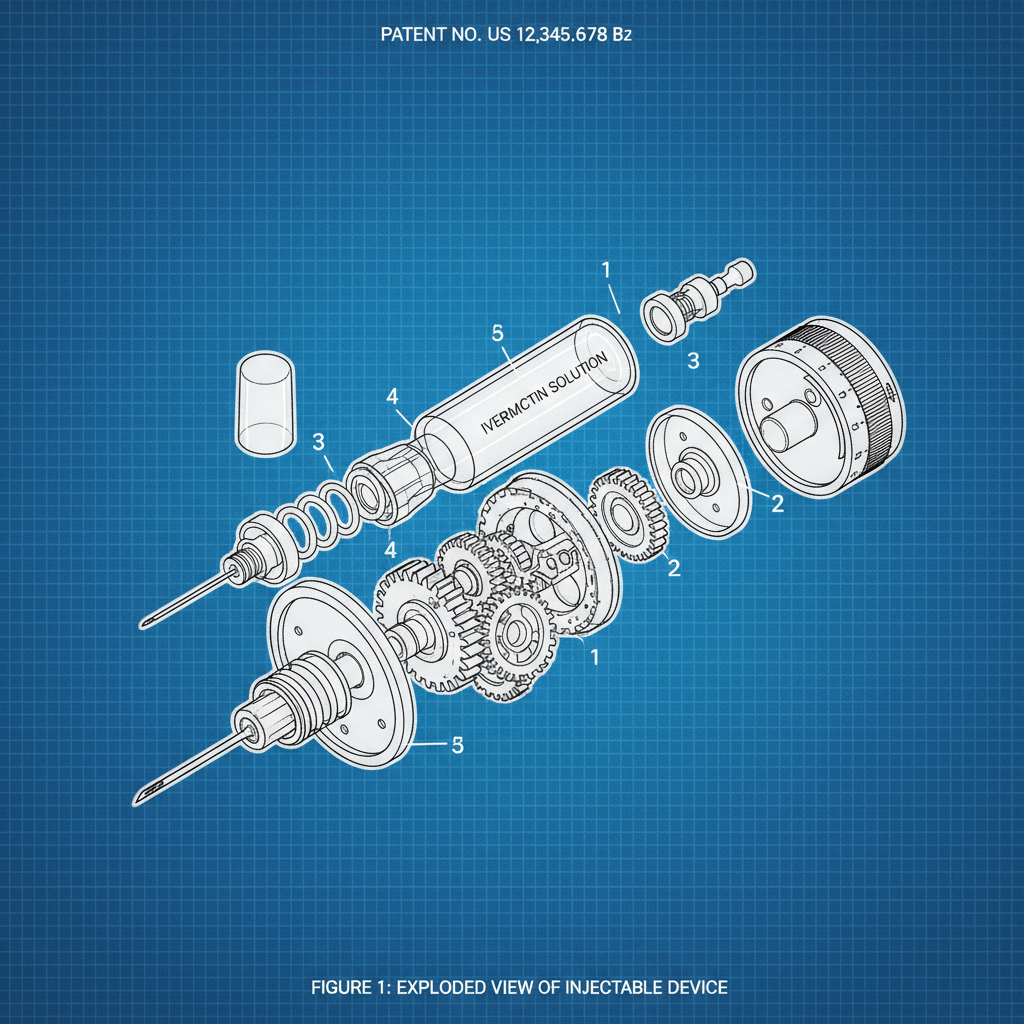
Purchasing ivermectin injectable requires caution to ensure you’re getting a genuine and high-quality product. It’s best to obtain it from reputable veterinary suppliers or pharmacies. RC Pet Food offers a reliable source for purchasing ivermectin injectable, with a commitment to product authenticity and quality assurance. Avoid buying from unverified online sources, as these may sell counterfeit or substandard products. Always check for proper labeling, manufacturing information, and expiration dates before use.
Conclusion: Ensuring Animal Health with Responsible Ivermectin Use
Using ivermectin injectable responsibly and under the guidance of a veterinarian is crucial for effectively controlling parasitic infections and maintaining the health of your animals. Choosing a trusted supplier like RC Pet Food ensures you receive a genuine product and accurate information. Always prioritize safety, follow dosage guidelines carefully, and monitor your animals for any adverse reactions.
Frequently Asked Questions (FAQs)
Can ivermectin injectable be used in horses?
While ivermectin is used in horses, the injectable formulation and dosage differ significantly from those used in cattle, swine, or sheep/goats. Using the wrong formulation or dosage can be dangerous and even fatal to horses. There are specific ivermectin products formulated for horses, and it’s critical to use only those products and follow the veterinarian’s instructions precisely. Never use cattle or swine formulations on horses.
What should I do if I accidentally overdose my animal with ivermectin?
If you suspect an overdose of ivermectin, immediately contact your veterinarian. Symptoms of overdose can include tremors, ataxia (loss of coordination), mydriasis (dilated pupils), and coma. The veterinarian may recommend supportive care, such as intravenous fluids and monitoring of vital signs. Prompt veterinary attention is crucial in cases of suspected ivermectin overdose.
Is ivermectin resistance a concern?
Yes, ivermectin resistance is an increasing concern in some livestock populations. Overuse or improper use of ivermectin can contribute to the development of resistance. To help prevent resistance, it’s important to use ivermectin only when necessary, based on diagnostic testing, and to rotate different classes of dewormers. Consult with your veterinarian to develop a parasite control plan that minimizes the risk of resistance.
Post time: January 27, 2026