Iron Dextran Injection Dosage in Piglets: A Comprehensive Guide
Piglets are often born with low iron reserves, making them susceptible to anemia. Iron dextran injection is a common veterinary practice to address this deficiency. Understanding the appropriate iron dextran injection dosage in piglets is crucial for optimal health and growth. This article provides a detailed overview of dosage recommendations, administration techniques, potential side effects, and factors influencing iron requirements. Ensuring piglets receive the right amount of iron is vital for their long-term well-being and productivity.
Understanding Iron Deficiency in Piglets
Piglets rely on iron transferred from the sow during gestation and lactation. However, this transfer is often insufficient, particularly in large litters or when sows have low iron stores themselves. Symptoms of iron deficiency include pale mucous membranes, lethargy, reduced growth rate, and increased susceptibility to infections. Prompt diagnosis and treatment with iron dextran are essential to prevent severe anemia and mortality. The severity of the deficiency will influence the appropriate iron dextran dosage required. Early intervention offers the best outcome.
Key Highlights: Piglets rely on iron from their mothers, but this is often not enough. Early intervention with iron dextran is vital for healthy growth.
Recommended Iron Dextran Injection Dosage in Piglets
The standard iron dextran injection dosage in piglets typically ranges from 50 to 100 mg of elemental iron per piglet. This is usually administered as a single intramuscular injection between 3 and 7 days of age. The specific concentration of iron dextran products varies, so it’s essential to carefully calculate the volume to inject based on the product’s label and the piglet’s weight. Accurate dosage is paramount to avoid both deficiency and toxicity.
Dosage Guidelines:
• Piglet weight under 1 kg: 50mg elemental iron.
• Piglet weight between 1-2 kg: 75mg elemental iron.
• Piglet weight over 2 kg: 100mg elemental iron.
• Always check the product label for precise concentration.
Factors Influencing Iron Requirements
Several factors can influence a piglet’s iron needs. Large litters increase competition for iron from the sow, increasing the risk of deficiency. Sows with poor nutritional status or those that have experienced multiple litters may have lower iron reserves to pass on to their offspring. Breed, health status, and environmental factors can also play a role. Veterinarians may adjust the iron dextran injection dosage based on these individual circumstances.
Administration and Potential Side Effects
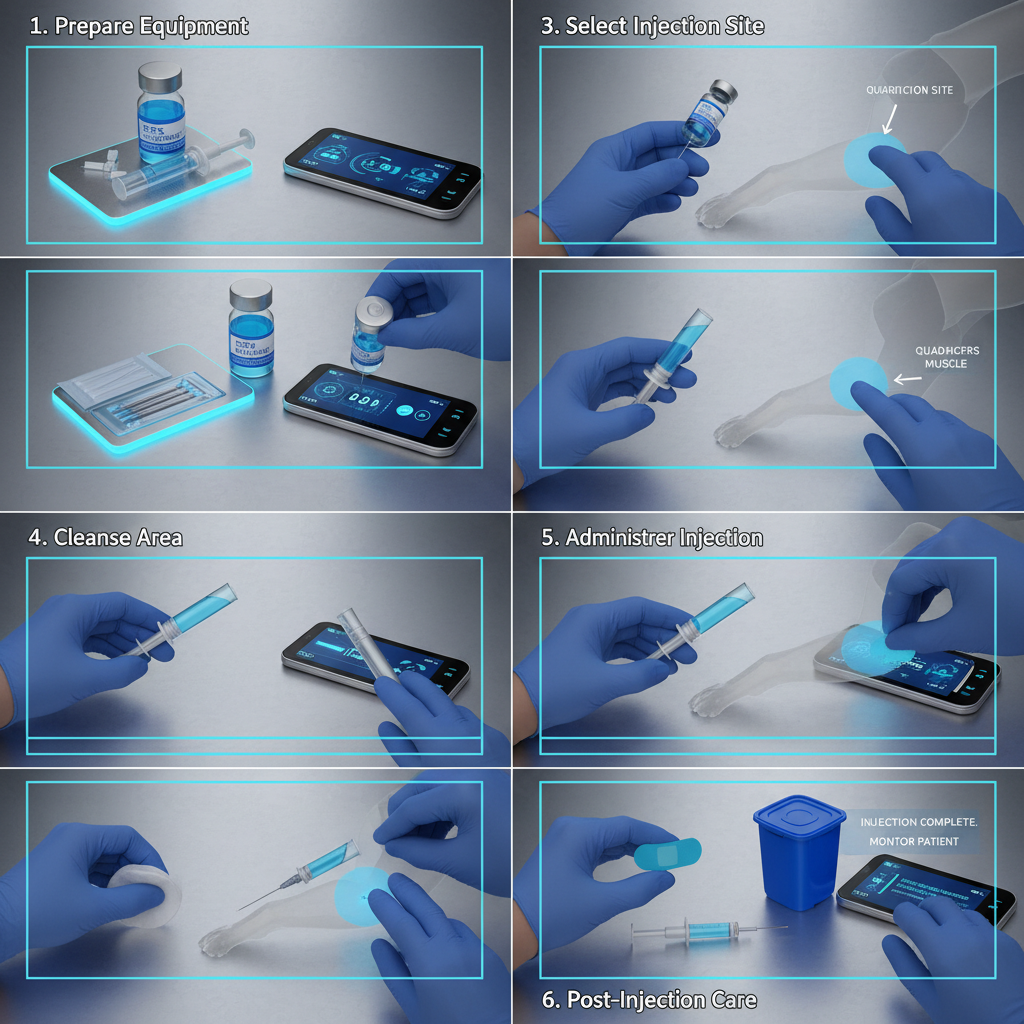
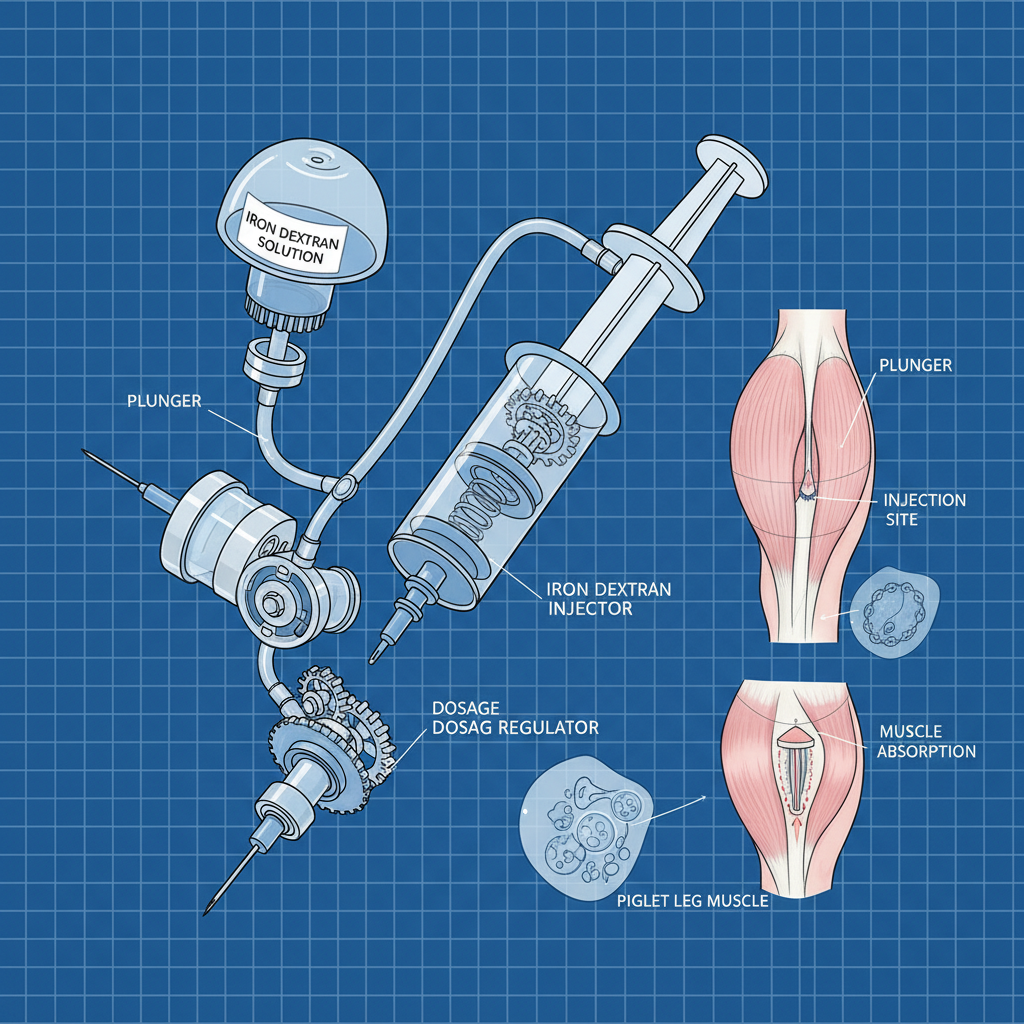
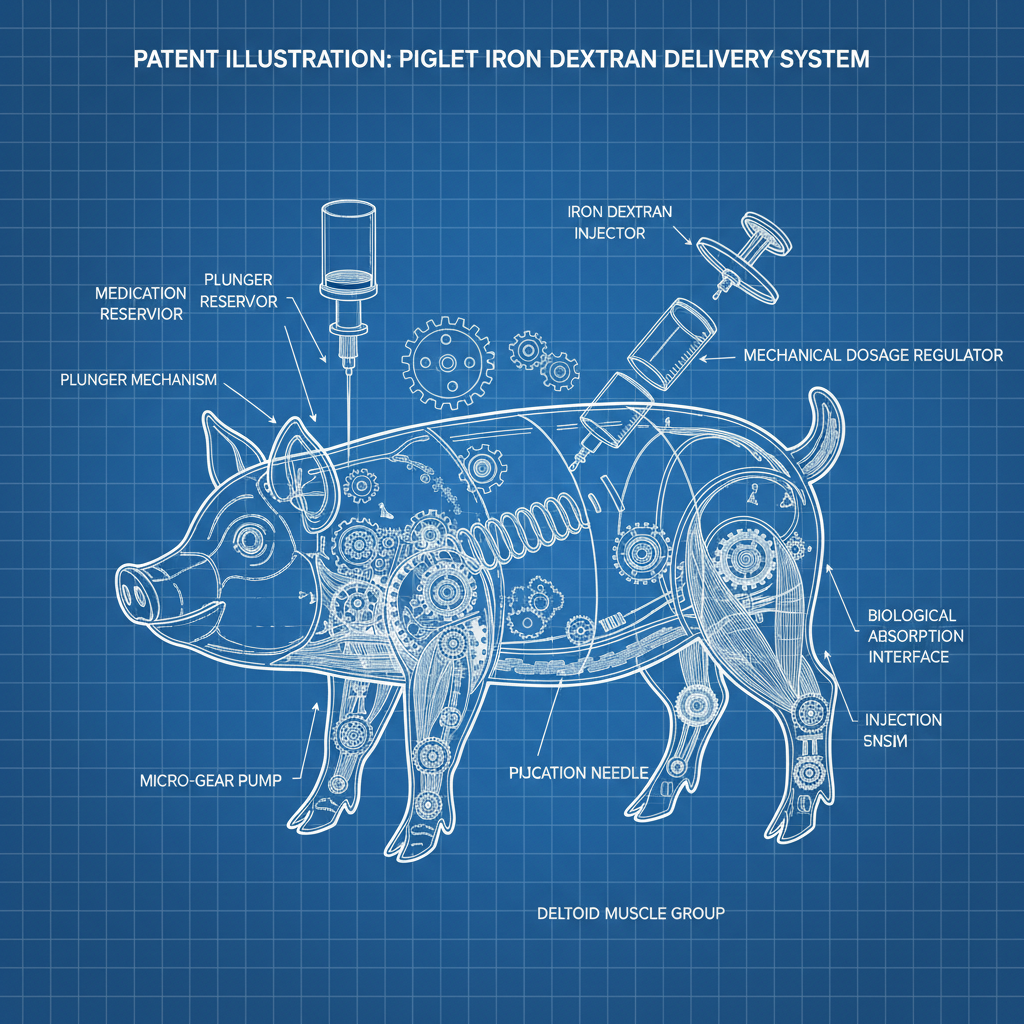
Iron dextran injections should be administered intramuscularly, typically into the neck muscles. Avoid subcutaneous injection, as this can cause staining and irritation. Common side effects are mild and may include localized pain or swelling at the injection site. Rarely, anaphylactic reactions can occur. Always have epinephrine available in case of an emergency. Proper technique and careful monitoring are crucial for safe and effective administration. Your veterinarian can provide detailed instructions.
Monitoring and Prevention
Regular monitoring of piglets for signs of anemia is essential. This includes observing mucous membrane color and monitoring growth rates. Optimizing sow nutrition to ensure adequate iron intake is a key preventive measure. Providing creep feed enriched with iron can also help supplement piglets’ iron reserves. Collaborating with a veterinarian to develop a comprehensive iron management program is the best approach to prevent deficiencies and maintain optimal piglet health.
Conclusion: Ensuring Optimal Piglet Health with Proper Iron Management
Effective iron management, including appropriate iron dextran injection dosage in piglets, is vital for promoting healthy growth and preventing anemia. Understanding the factors influencing iron requirements and implementing preventative measures can significantly improve piglet survival rates and overall farm productivity. For expert advice and quality animal nutrition solutions, visit RCPetfood.com.
Frequently Asked Questions (FAQs)
What are the signs of iron deficiency in piglets?
The most common signs include pale mucous membranes (especially inside the ears and eyes), lethargy, reduced appetite, poor growth rate, and increased susceptibility to infections. Piglets may also exhibit shortness of breath or weakness. Early recognition of these symptoms is crucial for prompt treatment. If you suspect iron deficiency, consult your veterinarian immediately for diagnosis and appropriate iron dextran dosage recommendations.
Can iron dextran be given orally?
While oral iron supplements are available, they are generally less effective than iron dextran injections, particularly in cases of severe deficiency. Oral iron absorption is often limited and can be affected by other dietary components. Iron dextran injections provide a more direct and reliable source of iron, ensuring rapid correction of the deficiency. However, oral supplementation can be used as a preventative measure in piglets at risk of developing iron deficiency.
What should I do if a piglet has an allergic reaction to iron dextran?
Anaphylactic reactions to iron dextran are rare, but potentially life-threatening. Symptoms include difficulty breathing, swelling of the face and throat, hives, and collapse. If you suspect an allergic reaction, immediately administer epinephrine (if available) and contact your veterinarian for emergency treatment. Having epinephrine readily available whenever administering iron dextran is a critical safety precaution.
Post time: January 27, 2026