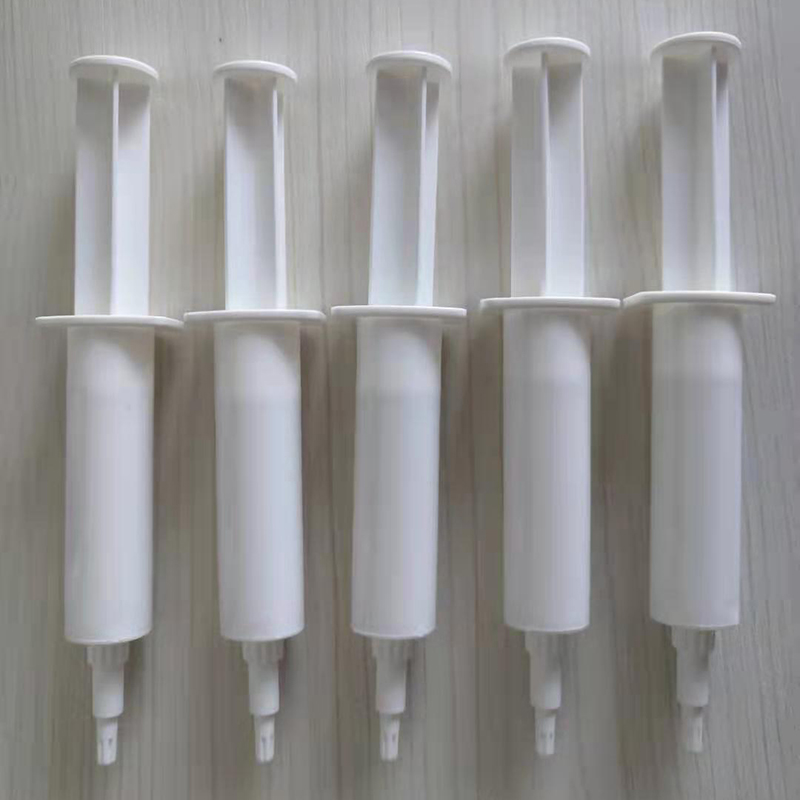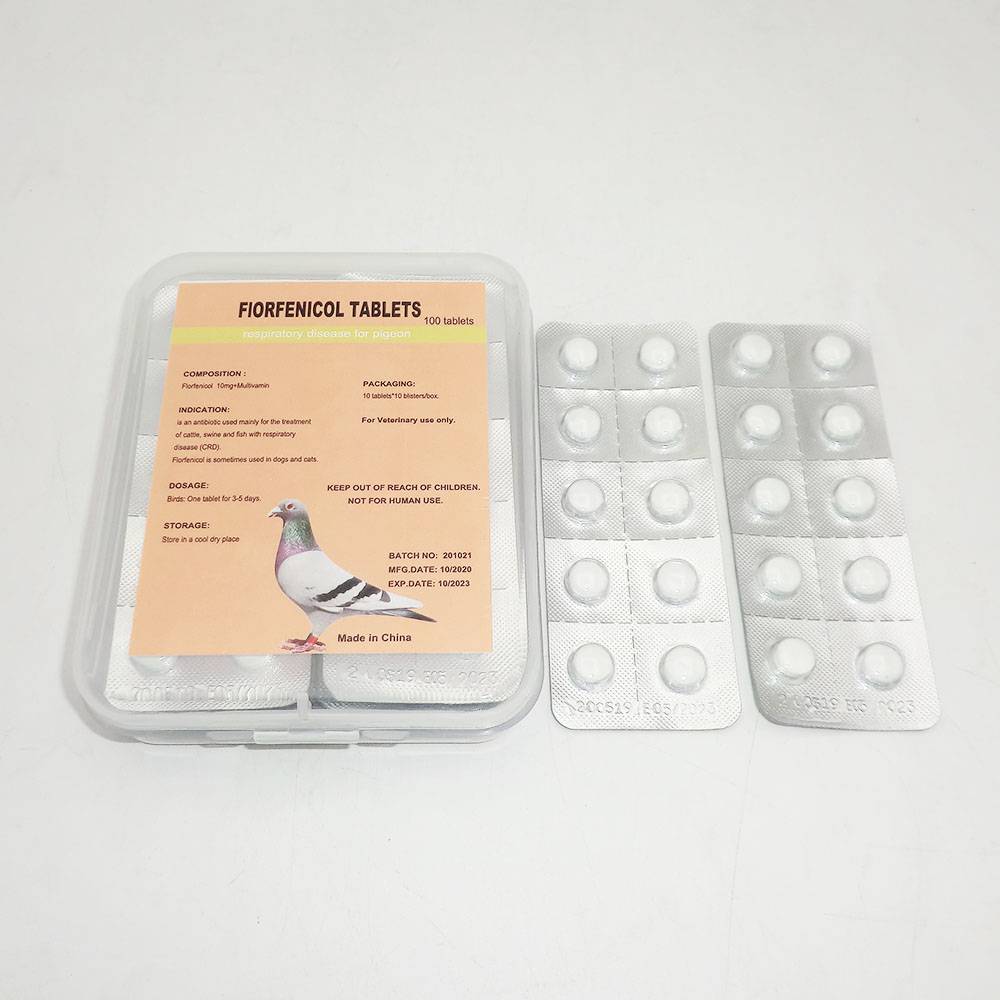
Ivermectin 3.15 Injection: Practical Insights from an Industrial Vet Perspective
Having spent over a decade working around animal health products and industrial equipment, I’ve come to regard ivermectin 3.15 injection as one of those quietly reliable solutions for parasitic control that many folks underestimate. It’s not flashy, and it doesn’t come in with a lot of pomp, but its effectiveness and ease of use really stand out once you get familiar with it.
Oddly enough, in real terms, this product's strength lies in its formulation — 3.15 mg/ml ivermectin concentration optimized for injectable application. Having observed livestock health technicians during treatments, I noticed how straightforward the injection process is, minimizing animal stress and promoting better absorption compared to some topical alternatives.
In the industrial animal care sectors, especially where large herds make efficiency crucial, this injectable ivermectin has carved a niche. It’s the unsung hero in parasite management, particularly against internal and external parasites like gastrointestinal roundworms and mites. Many engineers and vets I’ve interacted with say that injectable formulations often perform better in variable weather conditions, which can compromise topical effectiveness.
| Specification | Details |
|---|---|
| Active Ingredient | Ivermectin 3.15 mg/ml |
| Formulation Type | Injectable solution |
| Target Parasites | Internal nematodes, mites, lice |
| Dosage | 200 mcg/kg body weight |
| Administration | Subcutaneous injection |
| Storage Conditions | Store below 25°C, avoid sunlight |
Reflecting on industry trends, sustainability and safety are becoming huge considerations. What’s interesting is how ivermectin injections manage to align with these, as precise dosing reduces drug waste and exposure risk to handlers. Plus, there’s less environmental contamination compared to some feed additives or broad-spectrum sprays.
Now, when it comes to choosing your supplier, it can be tempting to go with the cheapest option. But from talking to veterinary colleagues, I’ve noticed that consistency of quality and reliable technical support often outweigh cost savings. Here’s a quick comparison I put together that might help if you’re shopping around:
| Vendor | Purity & Quality | Technical Support | Availability | Price (USD/ml) |
|---|---|---|---|---|
| AlphaVet Supplies | High (99.5%) | 24/7 phone & email | In stock | $0.45 |
| FarmMed Pharma | Moderate (97.8%) | Business hours only | Limited stock | $0.42 |
| VetPro Essentials | High (99.6%) | Dedicated rep, extended email hours | Usually available | $0.50 |
To give a quick anecdote: a cattle farm I worked with last year struggled with lice outbreaks. Their usual topical treatments provided only temporary relief. After switching to an ivermectin 3.15 injection regimen, they saw marked parasite suppression for months. The farmers appreciated how easy it was to administer and how they could precisely monitor doses based on individual animal weights. Small details, but they really make a difference.
While ivermectin injections aren’t a cure-all (no product is, really), they’re a trustworthy component of a well-rounded parasite control strategy. Plus, I suppose there’s a comfort in knowing you’re using a product with a long history and substantial field data backing its efficacy.
If you’ve been exploring options for parasite control, I’d recommend checking out ivermectin 3.15 injection — it’s an option worth considering, especially when you factor in convenience, effectiveness, and cost in tandem.
Welcome questions or experiences you’ve had — I find these field stories really enrich understanding.
References:
1. Veterinary Parasitology Journal, 2022 - Injectable Ivermectin Field Trials
2. Smith, J., "Effective Parasite Management in Cattle," 2020
3. Farm Health Today - Online FAQ, 2023
Post time: December 5, 2025