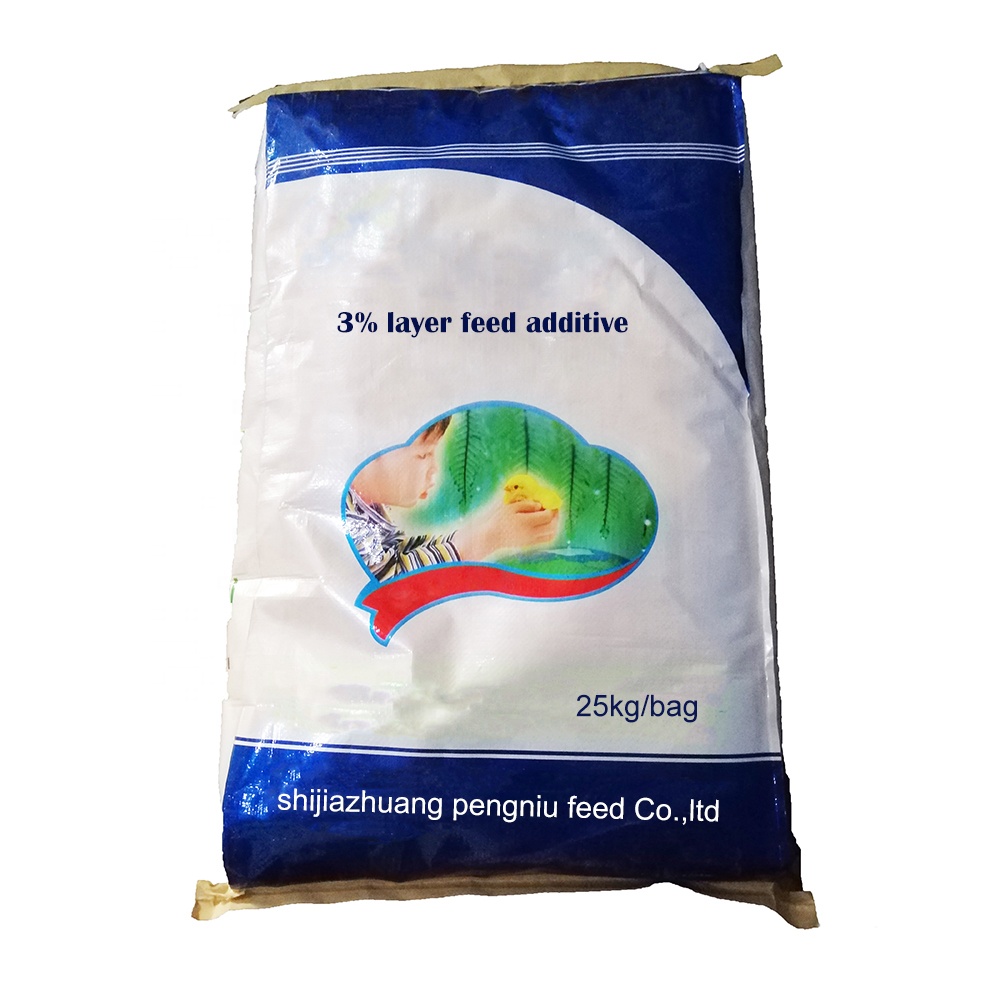
Understanding Layer Concentrate Feed: Why It Matters in Today's Global Agriculture
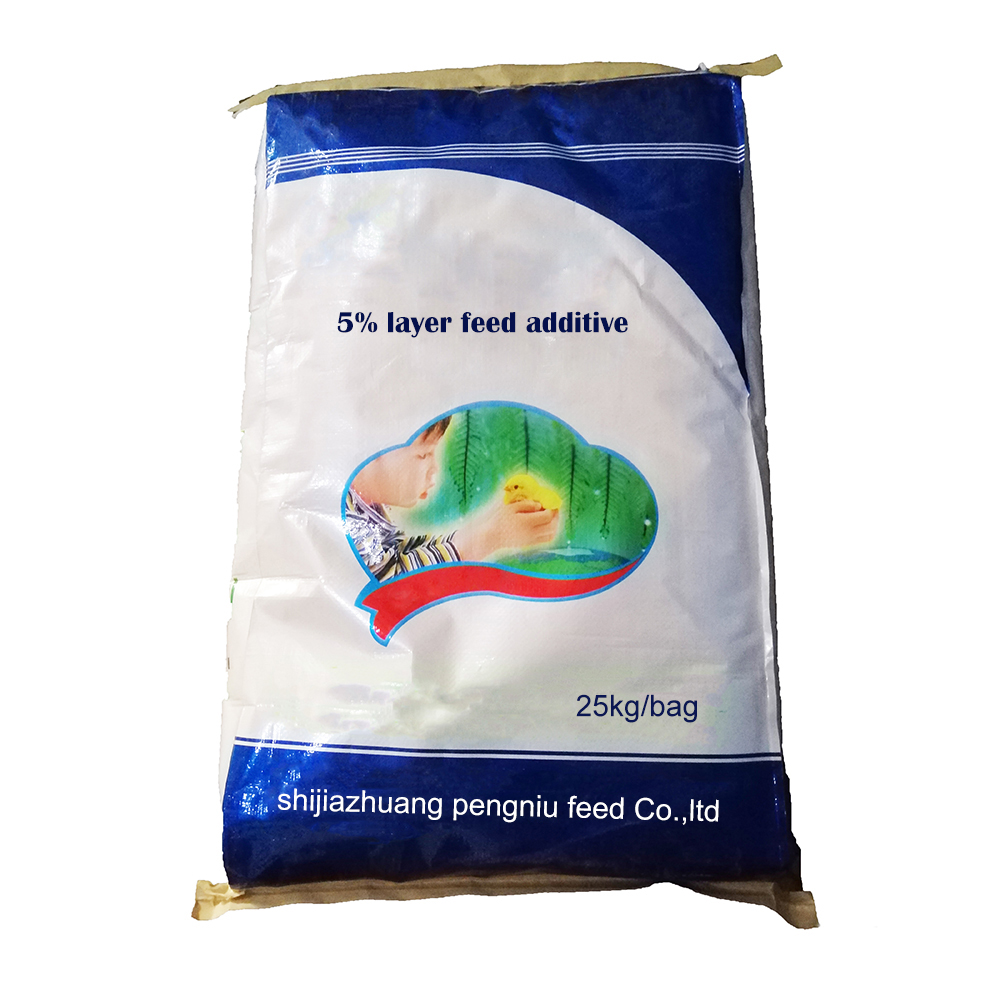
If you've ever wondered why your morning eggs come with a quality guarantee, you're partly witnessing the work of layer concentrate feed. More than just "animal food," it's a core ingredient that supports millions of layers (egg-laying hens) worldwide, ensuring healthy birds and wholesome eggs. The topic might sound a bit specialized at first, but seriously, it impacts food security, farmer livelihoods, and sustainable farming in ways you probably don't appreciate enough.
Why is understanding layer concentrate feed important? Because as global populations grow and demand for animal protein rises, the efficiency and nutrition in poultry feed — especially for layers — become game-changers. Knowing what goes into this feed helps us appreciate the innovations driving sustainable poultry farming and, frankly, why eggs remain affordable and nutritious at your local market.
Global Context: The Rising Demand for Nutritious Layer Concentrate Feed
Let's zoom out for a moment — poultry is the fastest-growing meat sector globally. According to the Food and Agriculture Organization (FAO), global egg production surpassed 80 million tonnes in 2022, with much growth driven by developing regions. However, this boom presents challenges, including feed quality and availability, especially in places where grain supplies fluctuate.
Layer concentrate feed addresses these issues by providing a high-nutrient blend tailored specifically for laying hens. This ensures consistent egg production and bird health even when traditional feed crops are scarce or costly. In some areas, unreliable feed leads to malnourished flocks and less food security overall. Understanding the role of layer concentrate feed is thus a critical part of addressing these global agricultural challenges.
What Is Layer Concentrate Feed? Breaking It Down Obviously
In simple terms, layer concentrate feed is a formulated blend of grains, protein meals, vitamins, minerals, and additives designed to meet the precise nutritional requirements of egg-laying hens. Unlike general poultry mash, it is optimized for birds producing eggs rather than broilers grown for meat.
Think of layer concentrate feed as the "vitamin pill" of poultry diets — a concentrated source of nutrients that complements base scratch grains or forages. This mix promotes steady egg output, shell quality, and overall bird well-being. It’s a staple for commercial farms, smallholders, and emergency feeding situations alike.
Key Components That Make Layer Concentrate Feed Tick
1. Balanced Protein Content
The protein level is critical. Laying hens need roughly 16-18% protein depending on age and production stage. Typically, soybean meal, sunflower meal, or fishmeal enrich the feed protein to ensure hens build strong egg whites and maintain muscle.
2. Essential Vitamins and Minerals
Calcium stands out for eggshell strength, but other minerals like phosphorus, magnesium, and trace elements (zinc, manganese) also matter. Vitamins A, D3, and E keep birds healthy and support immune function.
3. Energy Sources
Corn or wheat-based carbohydrates deliver the bulk energy. It’s important that these carbs provide consistent energy without upsetting digestion or causing fat buildup.
4. Additives and Enzymes
Modern concentrates often include phytase enzymes to improve phosphorus utilization or probiotics to aid gut health. These tiny tweaks can reduce feed costs and environmental waste—win-win.
5. Palatability and Physical Form
Pelleted or mash forms determine how easily hens consume feed. Palatability keeps intake consistent — if the birds don’t eat well, all the nutrition in the world won’t help.
Mini takeaway: The magic behind layer concentrate feed is in its carefully balanced components, aiming to maximize egg production while supporting hen health — a fine balancing act tailored to real-world farm needs.
How Layer Concentrate Feed Shapes Farming Around the World
From Asia's massive poultry belts to remote African villages, layer concentrate feed plays a pivotal role. In Vietnam and India, for instance, smallholder farmers rely on these feeds to boost productivity amid fluctuating grain prices. Emergency food programs, such as those coordinated by the UN's World Food Programme, also utilize these concentrates when restocking poultry after crises.
In Europe and the Americas, large commercial operations fine-tune recipes, using data-driven formulations to squeeze better yields and reduce waste. In harsh climates, concentrate feeds sustain flocks during seasons when foraging is tough.
Real-world example: In Nigeria, a poultry cooperative I spoke to noted how switching to a local layer concentrate blend increased egg yields by 25%, boosting income and reducing imports. It was a small change with a surprisingly big impact — talk about tangible development.
Advantages That Go Beyond Just Feeding Hens
- Cost Efficiency: Properly formulated feed reduces waste and improves conversion ratios, meaning farmers get more eggs per kilogram fed.
- Sustainability: Many formulas incorporate byproducts and enzyme enhancers to reduce environmental footprint.
- Animal Welfare: Better nutrients mean disease resistance and less stress for the birds — happier hens lay better eggs.
- Market Competitiveness: Consistency in egg quality keeps producers competitive in fluctuating markets.
Summarizing this, layer concentrate feed is not just about nutrition; it also supports economic resilience and sustainable farming philosophies worldwide.
The Horizon: Innovations and Trends in Layer Concentrate Feed
I find it fascinating how feed formulations are incorporating alternative proteins like insect meal or algae to reduce reliance on soy and fishmeal, both tied to deforestation or overfishing. Digital farming tools are also emerging — some companies now use AI algorithms to optimize feed blends dynamically based on weather, bird health, and cost inputs.
Moreover, sustainability certifications and traceability tools help ensure feed ingredients meet environmental and social standards, gaining consumer trust. Automation in feed mills promises better consistency and lower contamination risks. The future is, oddly enough, a bit techy for an old industry!
Challenges & Innovative Fixes to Layer Concentrate Feed Use
Despite all this progress, challenges persist. Many farmers still struggle with inconsistent ingredient quality or unsupportive storage conditions which reduce feed shelf-life and nutrient content.
How do experts suggest overcoming those? Improved local sourcing to cut supply chain risks, investing in feed storage technologies (like sealed silos), and farmer training programs to optimize feeding strategies. Plus, research efforts continue to identify novel feed additives that improve nutrient absorption and gut health.
Frequently Asked Questions About Layer Concentrate Feed
- What exactly differentiates layer concentrate feed from regular poultry feed?
- Layer concentrate feed is specifically formulated to meet the unique nutrient needs of egg-laying hens. It typically has adjusted protein levels, higher calcium, and vitamins essential for eggshell formation and sustained egg production, differing from broiler or chick starter feeds.
- Can small farmers afford and effectively use layer concentrate feed?
- Yes, many suppliers now offer affordable formulations scaled to smallholder needs. Using concentrates alongside scratch grains can be cost-effective and significantly improve flock performance when used properly.
- Is it safe to use layer concentrate feed mixed with other homemade ingredients?
- Generally, yes. However, balancing the mix is key — over- or under-supplying nutrients can harm hens. It's best to follow recommended formulations or seek local agricultural advice for mixing ratios.
- How long does a bag of layer concentrate feed typically last once opened?
- If stored well in a dry, cool place, feed can last a few weeks without losing much nutrient quality. Moisture and pests are biggest risks, so storage conditions matter a lot.
- What future trends should farmers watch regarding layer concentrate feed?
- Look for feeds incorporating alternative proteins like insects, local bio-additives enhancing absorption, and tech-enabled formulation tools aimed at personalizing feed blends in real-time.
Product Specification Table
| Specification | Typical Range | Notes |
|---|---|---|
| Crude Protein | 16–18% | Supports muscle & egg white |
| Calcium | 3.5–4.0% | For eggshell strength |
| Energy (ME) | 2800–2900 kcal/kg | Efficient metabolism |
| Phosphorus | 0.3–0.4% | Bone & egg development |
| Vitamins (A, D3, E) | Included per standard | Health & immunity |
| Additives | Phytase, probiotics | Improves digestion |
Comparison of Top Layer Concentrate Feed Suppliers
| Vendor | Protein Content | Types of Additives | Price/kg (USD) | Distribution Regions |
|---|---|---|---|---|
| AgriFeed Inc. | 17% | Phytase, Enzymes | 0.45 | Global |
| NutriLayers Ltd. | 16.5% | Probiotics, Vitamins | 0.47 | Asia, Africa |
| EcoFeed Solutions | 18% | Algae protein, Enzymes | 0.50 | Europe, Americas |
Wrapping It Up: Why Layer Concentrate Feed Is a Smart Investment for the Future
Looking at the broader picture, layer concentrate feed isn’t just industrial fodder; it’s a carefully engineered tool that supports food security, farmer sustainability, and animal welfare worldwide. From small farms to large-scale operations, it helps produce healthy eggs consistently — crucial as demand rises and farming conditions tighten.
Innovations on the horizon, like alternative proteins and digital blending tools, promise even more efficiency and environmental harmony. If you’re a farmer, nutritionist, or just someone curious about how your eggs get to your plate, it pays to learn and stay updated on layer concentrate feed.
Want to explore premium feed options or learn more? Visit our website for detailed profiles and expert advice.
References and Further Reading
Post time: November 28, 2025