What is Layer Premix for Poultry and Why It Matters Globally
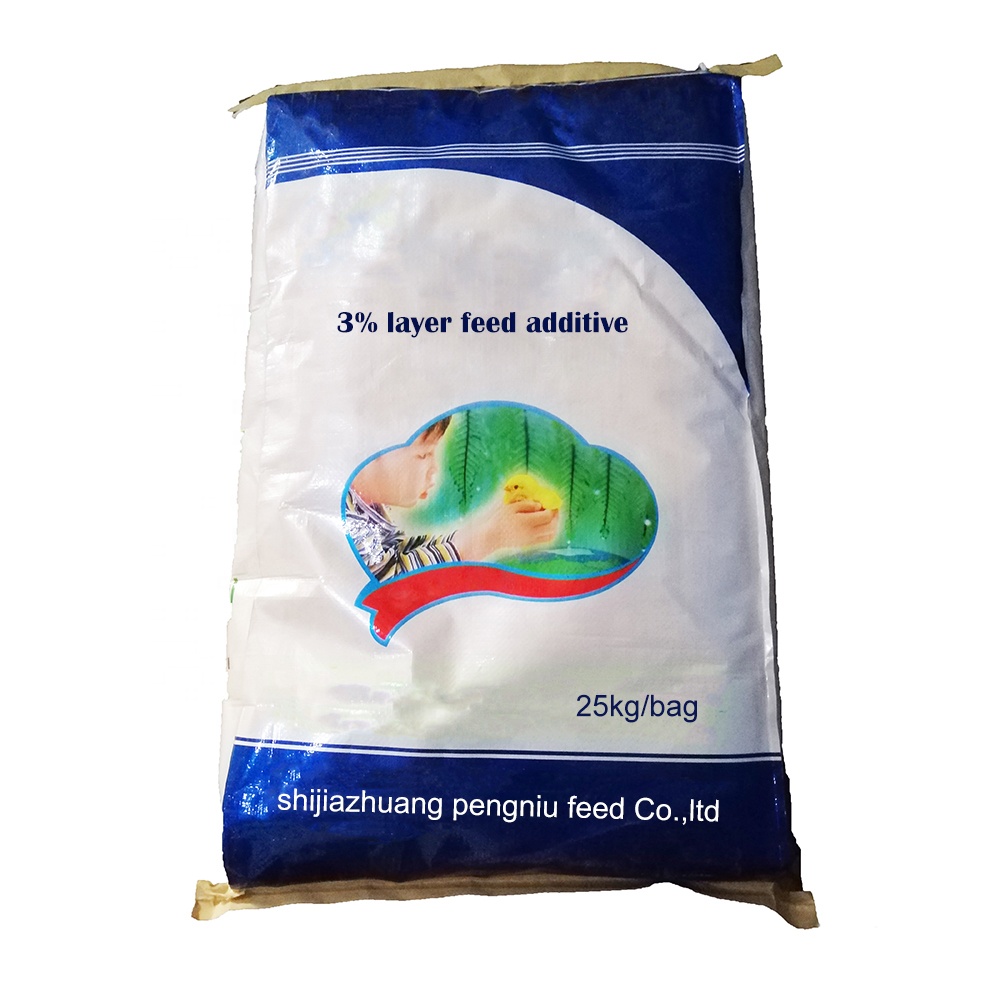
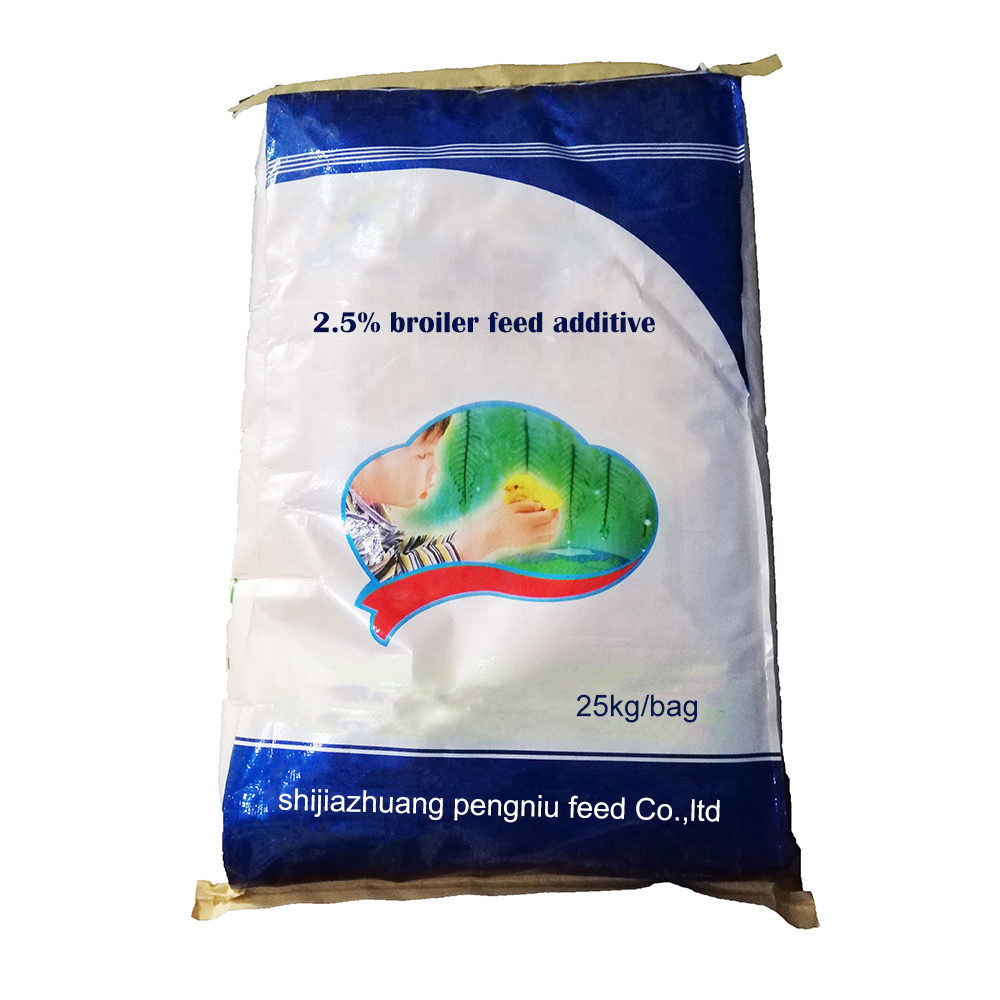
Simply put, layer premix for poultry is a carefully blended mixture of vitamins, minerals, enzymes, and trace elements designed to be added to poultry feed. This ensures egg-laying birds receive the optimal nutrients required for health, productivity, and longevity. A basic understanding of this compound isn’t just for industry insiders. It has global importance in food security, animal welfare, and commercial agricultural efficiency.
The poultry sector alone contributes to over 35% of the world’s total meat consumption, and layers (egg-laying hens) play a vital role in daily nutrition worldwide. Without effective premixes, there’d be nutritional deficiencies, poor egg quality, or even increased mortality—implications that ripple throughout food supply chains and economies. So yeah, knowing what goes into a layer premix is pretty much knowing part of the backbone supporting global protein needs.
Mini takeaway: Understanding layer premixes connects you directly to global food sustainability and animal health innovation.
Global Context: Why the Layer Premix Industry Has Seen Massive Growth
According to the Food and Agriculture Organization (FAO), global poultry egg production reached over 83 million tonnes in recent years. This boom demands bigger, better nutrition optimization — enter layer premix.
Regions like Asia-Pacific and Africa are experiencing rapid growth in poultry farming, driven partly by governments encouraging local protein production. However, challenges such as variable feed ingredient quality, nutrient imbalances, and the growing pressure to reduce antibiotics push producers to rely heavily on scientifically formulated premixes. The World Bank also highlights how micronutrient deficiencies in poultry can severely impact productivity and farmers’ livelihoods — a reminder that better premixes aren’t just about efficiency, but social impact too.
In real terms: If you’re a developing country farmer, having access to a reliable layer premix can increase egg yields by up to 15-20%, making considerable differences in income.
What Exactly Is Layer Premix for Poultry?
Let's break it down — layer premix is essentially a "super-nutrient cocktail" supplement added during feed formulation to egg-laying hens. It contains:
- Vitamins like A, D3, E, B-complex essential for metabolic functions
- Minerals including calcium, phosphorus, zinc for strong eggshells and bone health
- Trace elements such as selenium and manganese that aid immune response
- Enzymes and antioxidants to improve digestion and reduce oxidative stress
By ensuring poultry get these micronutrients consistently, premixes support higher egg production, better shell quality, and overall health. As the industry grows, the need for standardized, reliable premixes aligns with better farming practices and international safety standards.
Layer Premix and Sustainable Farming
It's also worth noting that as consumers demand more sustainably and ethically raised poultry, premixes are adapting to reduce environmental footprints — think less waste, fewer emissions, and healthier birds. So yes, it’s connected to larger conversations on eco-friendly animal farming.
Mini takeaway: Layer premix serves as an essential nutrition tool linking bird health, productivity, and sustainability goals.
Core Components of Effective Layer Premix for Poultry
1. Nutritional Completeness
Nutrients must complement each other for efficient absorption; something many nutritionists call “bioavailability.” Calcium is vital for eggshell strength but needs to be balanced with phosphorus and vitamin D3. Research shows that unmatched ratios cause issues — oddly enough, even seemingly “small” tweaks can make or break productivity.
2. Stability and Shelf Life
Premixes must withstand heat, moisture, and storage durations. If vitamins degrade before feed reaches the birds, it defeats the purpose. Many providers use microencapsulation technology to protect sensitive ingredients — it’s quite a neat little innovation that’s increasingly common.
3. Customization and Scalability
Every farm or region can have specific dietary needs based on climate, breed, or local feedstuff characteristics. A flexible premix supplier will allow for on-demand adjustments, whether you need more antioxidants under heat stress or added probiotics for gut health.
4. Cost Efficiency
To smallholder farmers or large commercial operations, the bottom line matters. The best premixes deliver measurable improvements in egg yield relative to cost, making them indispensable for profit margins.
5. Compliance & Safety
Strict compliance with food safety and residue limits avoids regulatory headaches. Many vendors now provide premixes free from banned substances and include certifications, reassuring buyers worldwide.
6. Traceability and Documentation
With the rise of quality assurance protocols, vendors need to provide transparent sourcing and ingredient traceability. This document trail helps meet international trade standards and quality audits.
Typical Product Specifications for a Popular Layer Premix
| Component | Concentration (per kg) | Purpose |
|---|---|---|
| Calcium | 120 g | Eggshell formation |
| Vitamin D3 | 5,000 IU | Calcium metabolism |
| Vitamin A | 10,000 IU | Immune function |
| Zinc | 60 mg | Enzyme function & shell quality |
| Selenium | 0.3 mg | Antioxidant support |
| Enzymes (Protease) | 1000 U | Protein digestion |
Layer Premix Vendors: A Quick Comparison
| Vendor | Customization | Certifications | Price Range (USD/ton) | Global Reach |
|---|---|---|---|---|
| NutriBlend | High | ISO 9001, FAMI-QS | $700 - $850 | Asia, Europe, Africa |
| AgriSupreme | Medium | ISO 22000 | $650 - $800 | North America, South America |
| FeedTech Solutions | High | FAMI-QS, GMP+ | $720 - $880 | Global |
| PoultryPro Mix | Low | ISO 9001 | $600 - $700 | Regional (Europe) |
Where Layer Premix Is Changing the Game Around the World
In Southeast Asia, where smallholder farmers constitute the majority of poultry producers, layer premix for poultry has revolutionized egg production. The ability to optimize feed nutrition despite varying feed ingredient sources means farmers can compete with larger commercial farms and increase household income.
Meanwhile, in sub-Saharan Africa, premixes help overcome mineral-poor forages and local ingredient limitations. Organizations like the FAO Africa Programme support use of tailored premixes for laying hens to enhance food security in vulnerable communities.
In industrialized nations, premixes align with digital feed formulation technologies for precision farming. Companies incorporate data analytics to fine-tune layering diets—leading to less waste and more consistent egg size and quality.
Why Layer Premix Delivers Lasting Value — More Than Just Nutrition
There’s logic, obviously — better nutrient balance means better yield and reduced mortality. But there’s also a human angle here. Helping farmers sustainably keep flocks healthy builds trust in food sources and supports farmer dignity. It’s one of those cases where science meets real-world empathy.
Economically, premixes reduce costs associated with feed inefficiency and disease outbreaks. Environmentally, they promote resource-saving by minimizing nutrient waste. Long-term, investing in high-quality premixes means resilience in production systems amid climate and price variability.
Emerging Trends: Smart and Sustainable Layer Premix Solutions
Given increasing climate concerns and regulatory pressure, premix innovation is heading toward sustainable ingredients — like algae-based omega-3s or plant-derived antioxidants. Meanwhile, additive manufacturers are exploring digital traceability and IoT-enabled feed solutions, where premix dosage can be remotely monitored and adjusted in real time.
Automation in feed mills integrates premix blending more precisely, enhancing feeding efficiency. Additionally, research on gut microbiome-friendly premix blends is opening new frontiers in poultry health management — rather exciting to watch, frankly.
Common Challenges and How the Industry Is Tackling Them
One big challenge is ingredient variability, which sometimes leads to inconsistent premix quality. To counter this, many suppliers implement rigorous quality controls and partner directly with feed ingredient producers for traceability.
Another issue is cost pressure for smaller producers; unfortunately, quality premixes often come with a price tag. However, there’s been growth in cooperative buying and subsidized programs that help bridge this gap.
Finally, improper handling or storage on-farm risks nutrient degradation. Training and awareness campaigns are increasingly integral to premix supply chains to ensure efficacy at the pen.
Frequently Asked Questions About Layer Premix for Poultry
Q1: How much layer premix should I add to poultry feed?
Generally, premix inclusion rates range from 1 to 3 kilograms per ton of feed, depending on the product and formulation. It’s best to follow the supplier’s guidelines or consult a poultry nutritionist to optimize based on your flock’s needs and feed ingredients.
Q2: Can layer premixes help improve egg shell quality?
Absolutely. Premixes contain minerals like calcium and trace elements like zinc and manganese essential for shell strength. Deficiencies typically result in thin or brittle shells, so proper premix usage is key.
Q3: Are there organic or antibiotic-free premixes available?
Yes. With rising demand for organic poultry products, specialized premixes without synthetic additives or antibiotics are now offered. These focus on natural vitamins and minerals alongside probiotics.
Q4: How long can I store premix without losing its effectiveness?
Most premixes have a shelf life of 6 to 12 months if kept in cool, dry conditions away from sunlight. Proper sealing and storage help maintain vitamin potency and enzyme activity.
Q5: Is premix the same for broilers and layers?
Nope. While some vitamins and minerals overlap, layer premixes specifically cater to the nutritional needs of egg-producing hens, focusing more on calcium and certain vitamins to support egg formation. Broiler premixes typically emphasize rapid growth and muscle development.
Wrapping Up: Why Investing in Quality Layer Premix Makes Sense
In the grand scheme, layer premix for poultry is more than feed additive wizardry. It’s a foundational element for anyone serious about robust egg production, animal welfare, and sustainable poultry farming. From safeguarding flock health to elevating farmer livelihoods globally, premixes deliver value that really stacks up over time.
If you’re exploring options to enhance your poultry nutrition program and want top-tier formulations, I recommend visiting our trusted partner’s site at https://www.rcpetfood.com for expert advice and quality products.
Thanks for sticking with me through all this—nutrition behind every egg is kind of a beautiful science, isn’t it?
References
Post time: November 28, 2025