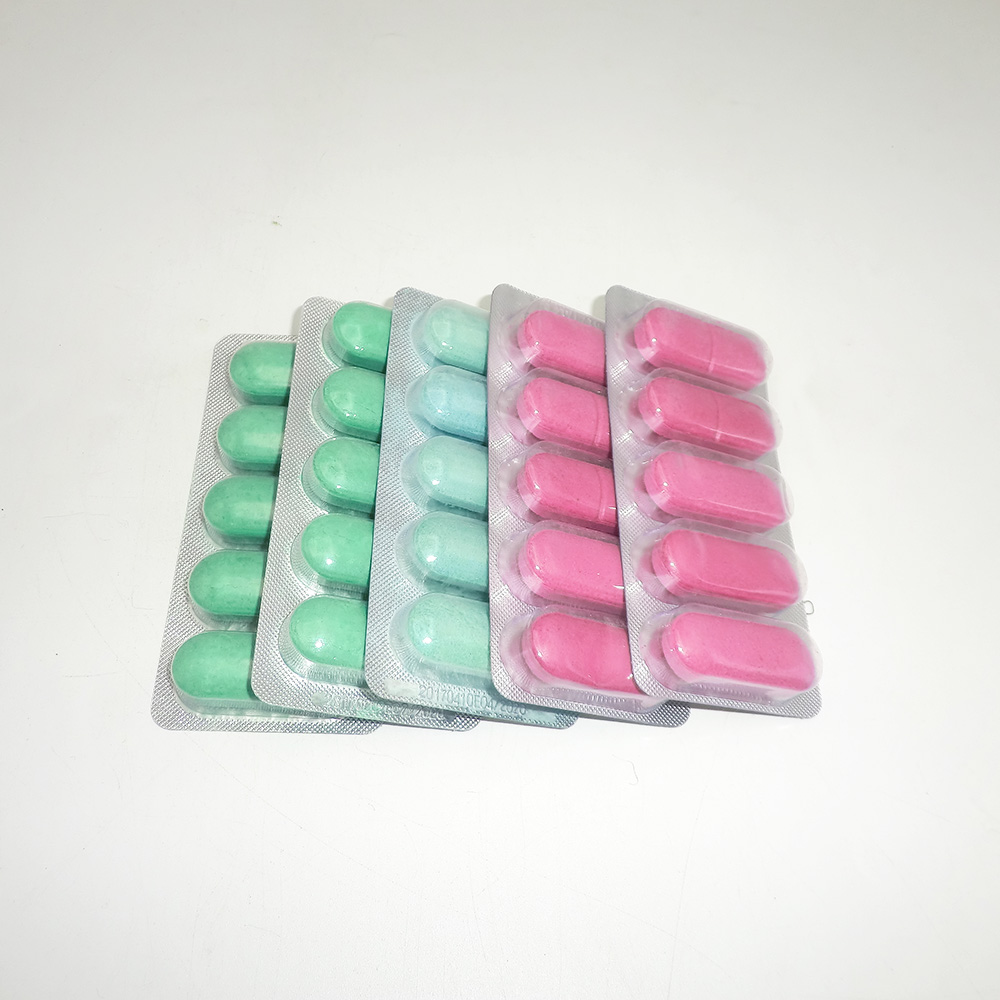
Metamizole Sodium 30% Injection: Field Notes, Specs, and Real-World Buying Advice
If you manage livestock health or run a busy clinic, you’ve probably heard of metamizole sodium injection. It’s an established analgesic–antipyretic with a reputation for fast onset and a forgiving price point. In practice, that combo matters. To be honest, what keeps buyers coming back isn’t just the pharmacology—it’s consistency lot after lot, and straightforward documentation.
Industry trend snapshot: demand for non-opioid, non-NSAID analgesia in veterinary settings has been steadily rising, especially where fever control and peri-operative comfort are priorities. Actually, we’re seeing procurement teams ask more about sterility validations and endotoxin profiles than ever—good news for quality-focused manufacturers.
What it is, where it fits
metamizole sodium injection (30% w/v) is routinely used to relieve pain, reduce fever, and moderate inflammation in animals—companion and farm species alike, as authorized by local regulations. In clinics, it’s often chosen when rapid comfort is needed post-surgery or during febrile episodes. On mixed farms, buyers like the predictable onset and broad utility. Many customers say it “just works,” which sounds casual but reflects experience on the ground.
Product specification (typical)
| Parameter | Typical value (≈, real-world use may vary) |
|---|---|
| Active content | Metamizole sodium 30% w/v (dipyrone sodium), assay 98–102% of label claim (HPLC) |
| Appearance | Clear, colorless to pale yellow solution |
| Excipients | Water for injection; manufacturer-standard buffer system |
| pH/osmolality | pH 6.5–7.5; osmolality controlled for parenteral use |
| Microbiology | Sterility: Pass (USP <71>); Endotoxins: ≤0.5 EU/mL (USP <85>) |
| Shelf life | Typically 24 months, unopened, controlled room temp; see COA |
Manufacturing and testing flow (high level)
- Materials: qualified API (metamizole sodium), WFI, compendial excipients.
- Compounding: nitrogen blanket where applicable; in-line filtration.
- Sterile filtration: 0.22 μm; aseptic fill into Type II/III glass vials; validated closures.
- Process controls: in-process assay, pH, bioburden.
- QC release: HPLC assay and impurities (ICH Q3A/B), sterility (USP <71>), endotoxin (USP <85>), particulates (USP <788>), stability (ICH Q1A(R2)).
Where it’s used
- Veterinary hospitals for peri-operative comfort and fever control. - Integrated farms for herd health episodes. - Distributors serving mixed-species clinics. To be clear: always follow label directions and local regulations; metamizole sodium injection is for veterinary use only.
Vendor comparison (indicative)
| Vendor | GMP status | Assay spec | Endotoxin | MOQ | Lead time | Docs |
|---|---|---|---|---|---|---|
| RCPetfood Vet Division | Veterinary GMP; ISO 9001 | 98–102% | ≤0.5 EU/mL | ≈2,000 vials | 3–5 weeks | COA, MSDS, stability summary |
| Vendor A | ISO only | 95–105% | ≤1.0 EU/mL | ≈1,000 vials | 6–8 weeks | COA |
| Vendor B | Veterinary GMP | 98–102% | ≤0.5 EU/mL | ≈5,000 vials | 4–6 weeks | COA, validation pack |
Customization and packaging
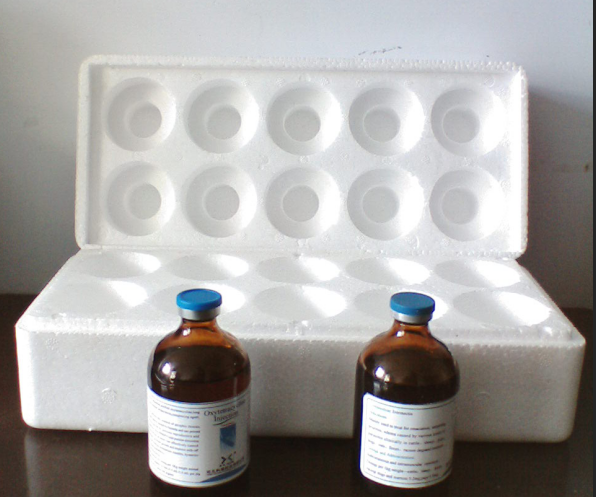
Vial sizes commonly 50 mL / 100 mL; private label, barcode/GTIN, and multilingual cartons are available upon request. For some projects, buyers ask for alternate stoppers or tamper-evident seals—those are doable after a quick feasibility check. Documentation set can include CTD-like data extracts if needed for registrations.
Field case (short)
A mixed-animal clinic reported faster throughput post-surgery after switching to metamizole sodium injection (30%), citing “reliable temperature control and fewer callbacks.” It’s anecdotal, sure, but it lines up with what distributors in warm climates tell me.
Certifications, standards, and data points
- Manufacturing under Veterinary GMP; quality system per ISO 9001.
- Compendial testing references: USP <71>, <85>, <788>; HPLC per validated method.
- Stability per ICH Q1A(R2); impurities per ICH Q3A/B; change control per ICH Q10.
- Regulatory conduct aligned with VICH GL9 (GCP) for clinical use contexts, where applicable.
Origin: Room 2210, Building A, Yihongxia, 298 Zhonghuabei Street, Xinhua District, Shijiazhuang City, Hebei Province, China.
Important: For veterinary use only. Not for human use. Follow the approved label in your country and consult a licensed veterinarian for species-specific decisions. Do not self-prescribe.
Authoritative citations
- Merck Veterinary Manual. Dipyrone (Metamizole) overview and clinical use.
- USP. General Chapters <71> Sterility Tests; <85> Bacterial Endotoxins Test; <788> Particulate Matter.
- ICH Q1A(R2) Stability Testing of New Drug Substances and Products; ICH Q3A/B Impurities.
- VICH GL9 Good Clinical Practice (GCP) for Veterinary Medicinal Products.
- EMA/CVMP. Scientific guidance related to analgesics/antipyretics in veterinary medicine (context for metamizole use and risk management).
Post time: September 30, 2025