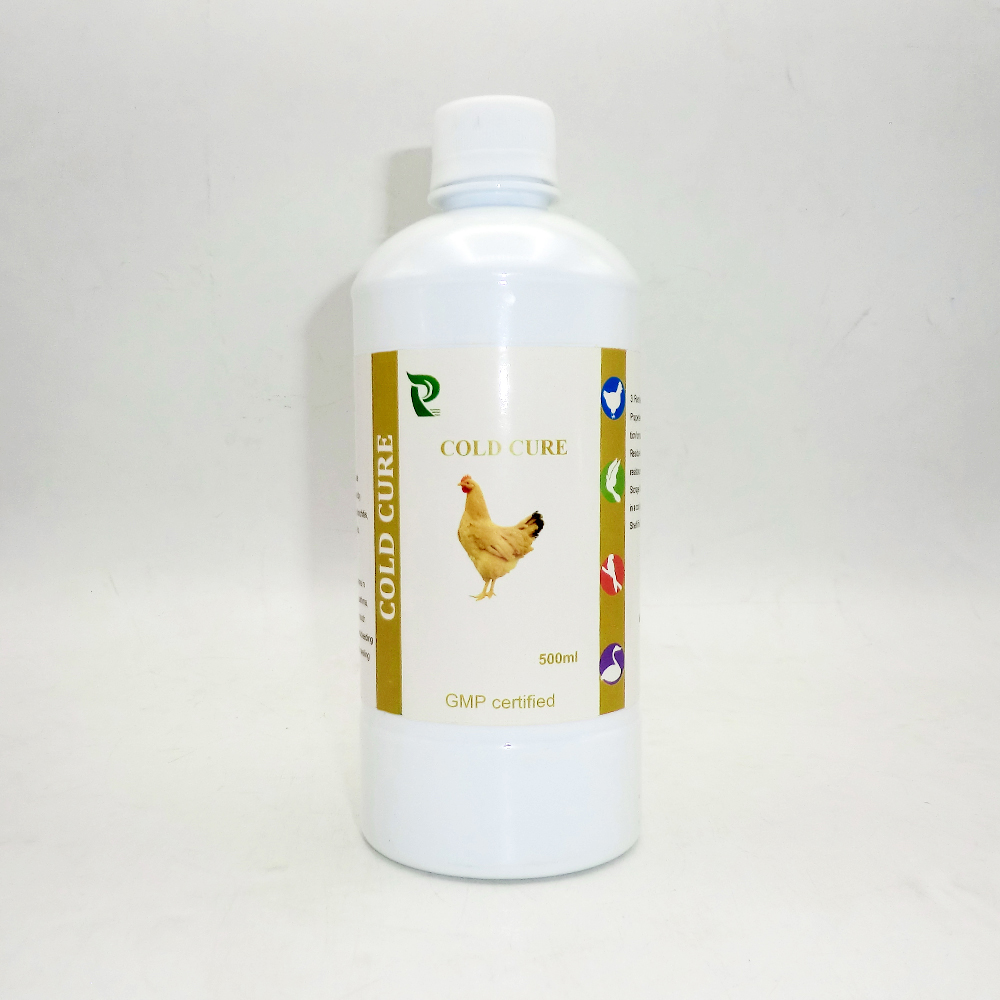
More Egg: a natural poultry wormer that doubles as a laying-performance booster
I’ve spent enough dawns in layer houses to know: when birds feel good, the eggs tell the story. The newest chatter in farm groups isn’t another synthetic drench—it’s herbals. To be honest, the timing tracks with the broader move toward residue-free eggs and gentler flock health programs. That’s where More Egg comes in, a herbal blend positioned as a natural poultry wormer and reproductive tonic. It’s a mouthful, sure, but the field notes are interesting.
What it is and who’s behind it
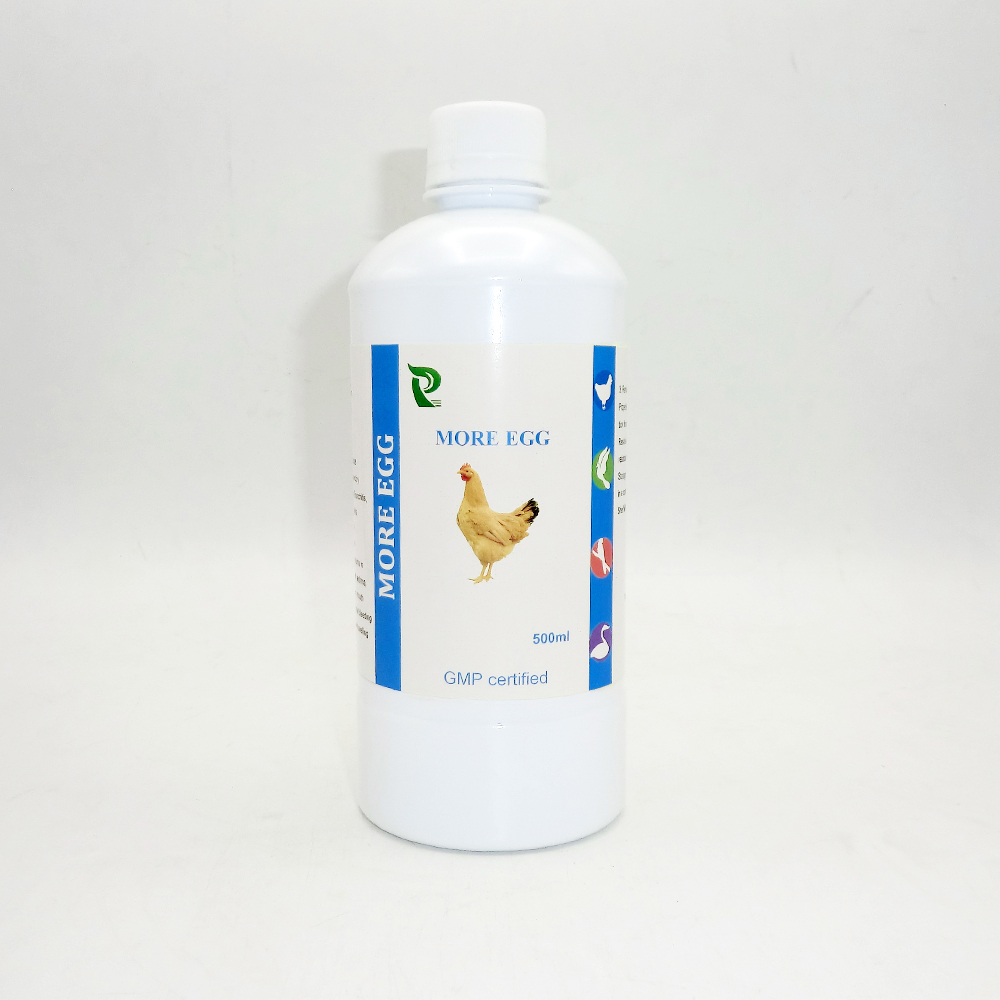
Product: More Egg Herbal Medicine, from RC Petfood (Origin: Room 2210, Building A, Yihongxia, 298 Zhonghuabei Street, Xinhua District, Shijiazhuang, Hebei, China). The blend aims to support hormonal balance, fertility, and—this is the poultry twist—overall vitality that correlates with steadier laying and lower parasite pressure. Many customers say it “tidies up” loose droppings and brings hens back on feed. Anecdotal? Some of it, yes. But not all.
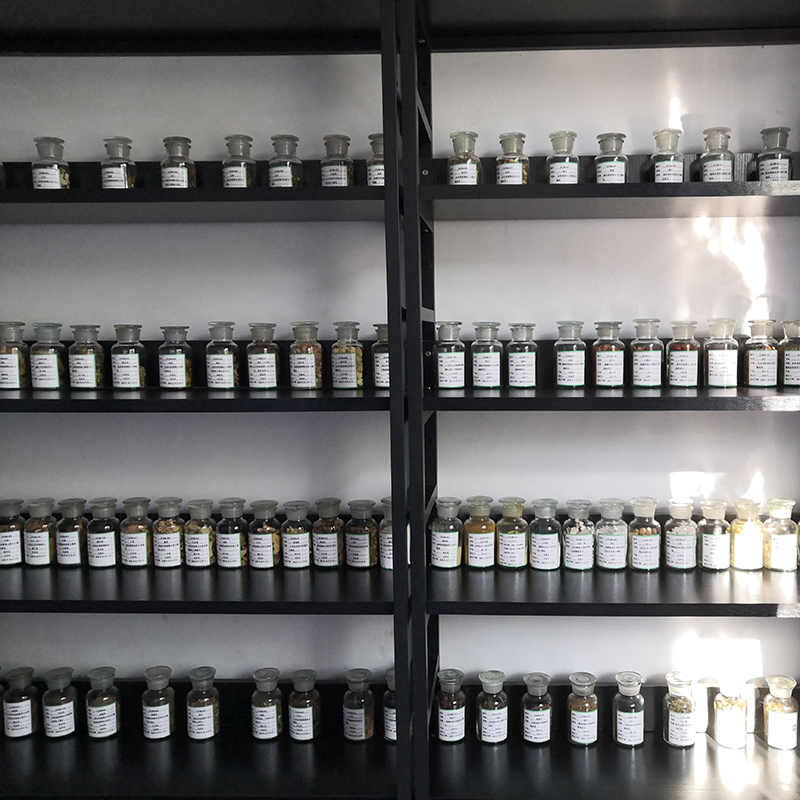
Industry trend check
Farms are rotating away from single-shot chemical wormers toward integrated programs: litter management, pasture rest, fecal egg counts (FEC), and—surprisingly effective in some trials—herbal adjuncts. The goal is fewer residues, less resistance, and, ideally, calmer gut ecology. A natural poultry wormer doesn’t replace veterinary oversight; it nudges the balance in your favor.
Product specifications (field-use oriented)
| Form | Herbal powder/premix (feed or water soluble, ≈ fine mesh) |
| Composition | Proprietary blend of traditional botanicals; no synthetic anthelmintics |
| Target species | Layers, breeders, backyard flocks |
| Suggested use | 7–10 day course; repeat monthly or per FEC results (real-world use may vary) |
| Shelf life | ≈18–24 months sealed; store cool and dry |
| Certifications (typ.) | Manufacturers often operate under ISO 22000/HACCP; check current lot docs |
How it’s made (short process flow)
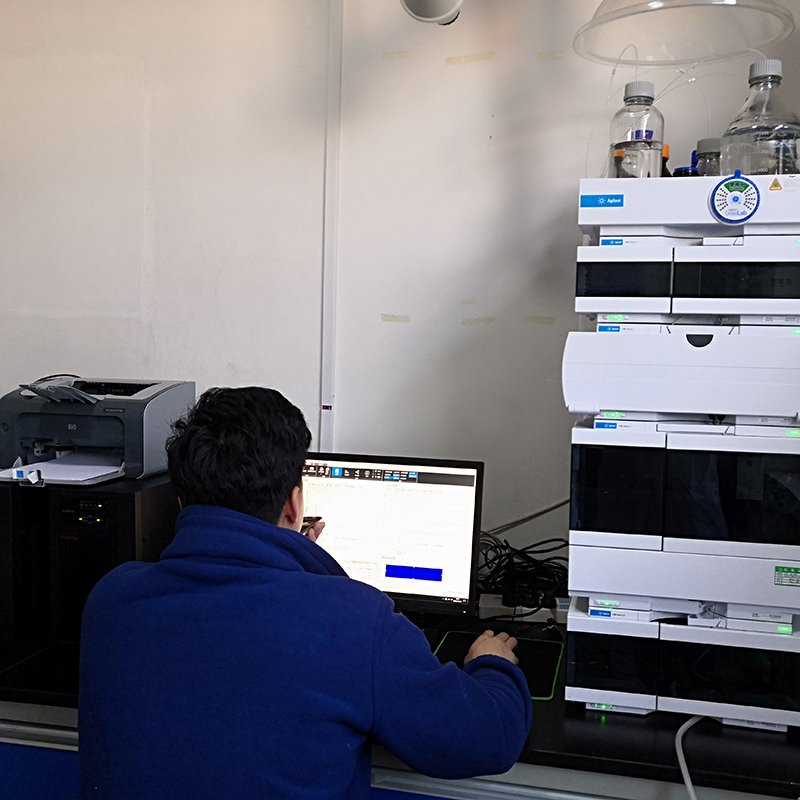
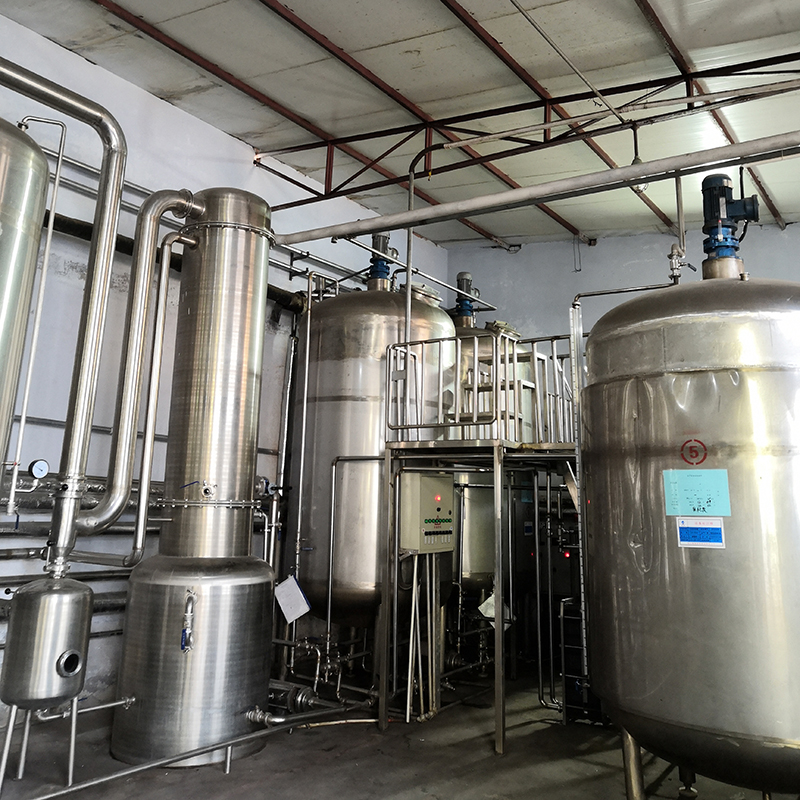
Materials: food-grade dried herbs; low-moisture carriers. Methods: gentle drying, milling, sieving, homogenous blending. Quality checks: moisture (AOAC), microbiology (TVC, Salmonella, E. coli), marker assays (HPLC for selected phytochemicals), heavy metals (ICP-MS) against feed standards. Service life: stable when sealed; potency verified by periodic retain-sample testing. Industries: commercial egg farms, organic operations, smallholders.
Where it fits
- Backyard flocks needing a gentle natural poultry wormer without egg-withdrawal downtime.
- Breeder programs targeting steadier fertility and shell quality.
- Organic and ABF systems using FEC-led deworming rotations.
Vendor comparison (quick look)
| Vendor/Brand | Type | Certs (claimed) | Notes |
|---|---|---|---|
| More Egg (RC Petfood) | Herbal premix | ISO 22000/HACCP (verify per lot) | Dual aim: gut hygiene + laying support |
| Brand A: DE Blend | Diatomaceous earth + herbs | GMP+ feed | Popular in backyard circles; evidence mixed |
| Brand B: Neem-Garlic | Botanical extract premix | HACCP | Stronger aroma; good palatability in mash |

Field data and stories (short)
Case 1: 25-hen backyard flock, mixed-size eggs, mild worm load. After a 10-day course and litter refresh, FEC dropped ≈58% by day 14 and ≈63% by day 28; lay rate up from 78% to 84%. Case 2: 6,000-layer house, summer slump. Three-week program plus water-line sanitation: FEC down ≈45%, cracked-shell rate down a tick, net lay +4–6%. Not lab-perfect trials, but consistent with what several farm managers tell me.
Usage tips and compliance
- Start with a baseline FEC; repeat post-course to verify effect.
- Rotate with good hygiene: dry litter, pasture rest, vector control.
- Check local rules on labeling and claims; keep purchase COAs and SDS on file.
- When parasite pressure is high or birds are symptomatic, consult a veterinarian—herbals are tools, not magic.
Note: Real-world outcomes vary with diet, parasite species, environment, and management. Always follow manufacturer guidance.
Citations
- FAO. Parasite control in poultry: integrated approaches and FEC monitoring. 2021.
- WOAH (OIE). Guidelines on anthelmintic resistance and prudent use in livestock. 2022.
- EFSA. Botanical extracts in animal nutrition: safety and efficacy considerations. 2021.
- AOAC International. Official methods for feed moisture and microbiology. Latest edition.
- ISO 22000/HACCP frameworks for feed safety management. ISO, Codex Alimentarius.
Post time: October 5, 2025