In the modern landscape of livestock production, achieving optimal growth and health requires more than just basic forage. The introduction of concentrate animal feed has revolutionized how farmers and veterinarians approach nutrition, providing a dense source of essential proteins, minerals, and vitamins that raw grasses often lack. By bridging the nutritional gap, these concentrates ensure that animals reach their genetic potential for growth and productivity.
Globally, the shift toward high-efficiency farming has made these nutrient-dense mixtures indispensable. Whether it is for poultry, swine, or cattle, the precision offered by professional feed formulations allows for a tailored approach to animal wellness, reducing waste and improving the overall quality of meat, milk, and eggs. This scientific approach to feeding is the cornerstone of sustainable food security in an increasingly populated world.
Understanding the intricacies of concentrate animal feed is not merely about increasing yield; it is about the ethical management of animal health. By integrating specialized premixes and additives, producers can prevent metabolic diseases and enhance the immune systems of their livestock, ensuring a healthier lifecycle and a more reliable supply chain for the global market.
Global Industry Context of Concentrate Animal Feed
The global livestock sector is currently facing an unprecedented challenge: the need to increase protein production while reducing the environmental footprint. According to data trends aligned with FAO and World Bank reports, the demand for animal protein is rising sharply in emerging economies. This has put immense pressure on land use, making concentrate animal feed the primary solution for maximizing output per acre of land.
By concentrating the most vital nutrients into a smaller volume, the industry can significantly reduce the amount of land required for grazing while ensuring animals receive a balanced diet. This industrial shift is not just about profit; it is a strategic response to the volatility of crop yields caused by climate change, providing a stable nutritional baseline regardless of seasonal forage quality.
Defining the Essence of Concentrate Animal Feed
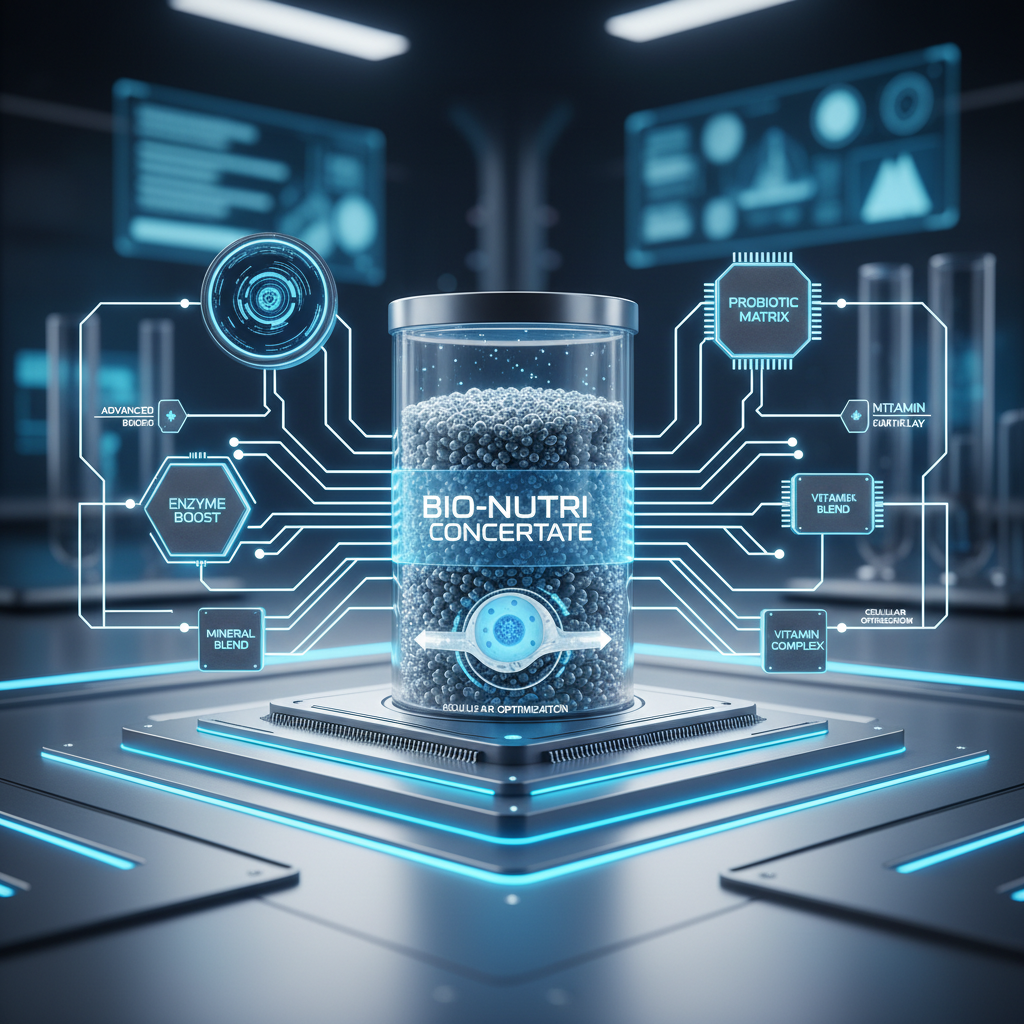
At its core, concentrate animal feed refers to any feed ingredient that is low in fiber and relatively high in energy or protein. Unlike roughages like hay or pasture, concentrates are formulated to provide a high density of calories and nutrients. This typically includes grains such as corn and soy, as well as specialized supplements, vitamins, and minerals designed to support specific growth stages.
In the context of modern veterinary and agricultural science, these concentrates act as a "nutritional insurance policy." They allow farmers to precisely control the intake of amino acids and fatty acids, which is critical for high-yielding dairy cows or fast-growing broiler chickens. This level of precision is what separates traditional farming from modern, scientific livestock management.
Furthermore, the connection to humanitarian needs is profound. By optimizing the efficiency of animal growth through concentrate animal feed, the cost of producing essential proteins is lowered, making nutritious food more accessible to marginalized populations globally and reducing the risk of malnutrition.
Core Components for Maximum Efficacy
The efficacy of concentrate animal feed relies heavily on Nutritional Density. This ensures that every kilogram of feed consumed provides the maximum possible amount of energy and protein, reducing the volume of feed the animal must ingest to meet its daily requirements, which in turn reduces waste.
Another critical factor is Bioavailability. It is not enough for a concentrate to contain minerals; those minerals must be in a form that the animal's digestive system can actually absorb. This is where high-quality chelated minerals and specialized enzymes are integrated into the concentrate animal feed to enhance absorption rates.
Lastly, Customizability allows producers to adjust the feed based on the animal's lifecycle. A starter concentrate for calves differs significantly from a finishing concentrate for beef cattle, focusing on different ratios of calcium, phosphorus, and proteins to support skeletal growth versus muscle development.
Global Applications and Use Cases
The application of concentrate animal feed varies significantly across different global regions. In North America and Europe, the focus is often on high-precision dietary formulations to meet strict welfare and organic standards. In contrast, in Southeast Asia and Africa, concentrates are frequently used to supplement poor-quality local forage, allowing smallholder farmers to maintain healthy herds despite environmental challenges.
For example, in remote industrial zones where grazing land is scarce, intensive indoor farming relies entirely on these concentrates to sustain high-density populations of poultry and swine. Similarly, in specialized veterinary medicine, concentrated feeds are used as therapeutic diets for animals recovering from illness or those with specific metabolic disorders, providing a controlled environment for recovery.
Effectiveness Comparison of Concentrate Animal Feed Types
Long-Term Value and Tangible Advantages
The long-term adoption of concentrate animal feed provides significant economic stability. By reducing the time it takes for animals to reach market weight, farmers can increase their turnover rate, leading to higher profitability and a more efficient use of facility resources. This logical advantage is paired with the peace of mind that comes from knowing livestock are not suffering from hidden nutrient deficiencies.
Beyond the balance sheet, there is a strong emotional and ethical angle. Proper nutrition leads to reduced animal stress and a lower incidence of disease, which aligns with the growing global demand for humane farming practices. When animals are healthy and well-fed, the resulting products are safer and of higher quality, fostering a bond of trust between the producer and the end consumer.
Future Trends in Feed Innovation
The future of concentrate animal feed is being shaped by digital transformation and biotechnology. We are seeing the rise of "Precision Feeding," where AI-driven systems analyze the real-time health data of an animal and adjust the concentrate mix automatically. This ensures that no nutrient is wasted and that the animal receives exactly what it needs at every single hour of the day.
Sustainability is also driving the shift toward alternative protein sources. Research into insect-based proteins and algae-derived omega-3s is integrating into concentrate animal feed to reduce the reliance on soy and fishmeal, which are often linked to deforestation and overfishing. This green energy approach ensures the industry remains viable for the next century.
Furthermore, the integration of herbal medicines and probiotics into feed concentrates is becoming a standard practice to replace antibiotic growth promoters. This "natural health" trend not only improves the gut microbiome of the animals but also addresses the global crisis of antibiotic resistance in humans.
Overcoming Challenges in Feed Implementation
Despite the benefits, the implementation of high-quality concentrates often faces the challenge of cost volatility. Raw material prices for corn and soy can fluctuate wildly based on geopolitical events. To overcome this, expert nutritionists recommend a "flexible formulation" approach, where ingredients can be swapped based on current market prices without compromising the final nutritional profile of the concentrate animal feed.
Another common hurdle is the risk of over-feeding, which can lead to metabolic issues like acidosis in ruminants. The solution lies in educational training for farm managers and the use of "slow-release" nutrient technology, which ensures a steady supply of energy rather than a sudden spike that could disrupt the animal's internal chemistry.
Lastly, storage and stability remain concerns in humid climates. The industry is solving this through advanced encapsulation techniques and vacuum-sealed packaging, ensuring that vitamins and enzymes remain potent from the factory to the trough, regardless of the external environment.
Comparison of Feed Implementation Strategies for Different Livestock
| Livestock Category |
Priority Nutrient |
Primary Challenge |
Efficiency Score (1-10) |
| Dairy Cattle |
Bypass Protein |
Rumen Acidosis |
8 |
| Broiler Chickens |
Amino Acids (Lysine) |
Feed Conversion Ratio |
10 |
| Swine |
Energy (Corn/Soy) |
Growth Consistency |
9 |
| Sheep/Goats |
Copper Control |
Selective Feeding |
7 |
| Aqua-culture |
Omega-3 Fatty Acids |
Water Solubility |
8 |
| Companion Pets |
Digestible Proteins |
Palatability |
9 |
FAQS
Roughage, such as grass or hay, is high in fiber and provides bulk to the diet, which is essential for rumen health in cattle. Concentrate animal feed, however, is low in fiber but high in energy, protein, vitamins, and minerals. While roughage maintains the digestive system, concentrates drive growth, milk production, and overall weight gain by providing dense calories in a small volume.
Generally, no. For ruminants like cows and sheep, a certain amount of roughage is required to prevent digestive disorders like bloat or acidosis. However, for monogastric animals like pigs and poultry, concentrate-based diets are the norm. The key is a balanced ratio; too much concentrate without enough fiber can lead to serious health complications in grazing animals.
Professional concentrates are enriched with essential micronutrients, such as Zinc, Selenium, and Vitamin E, which are critical for immune function. By eliminating nutritional gaps that occur in natural forage, these feeds ensure the animal's immune system has the "building blocks" needed to fight off pathogens and recover faster from stress or illness.
The primary risk is the environmental impact of producing the ingredients (e.g., soy deforestation). However, modern innovation is solving this by introducing sustainable alternatives like insect protein and synthetic amino acids. When used correctly, concentrates actually reduce the environmental footprint per unit of meat produced by shortening the animal's growth cycle.
Concentrates should be stored in a cool, dry, and well-ventilated area to prevent mold and oxidation of fats. Using airtight containers or moisture-proof silos is highly recommended. Additionally, implementing a "First-In, First-Out" (FIFO) inventory system ensures that the feed is used while the vitamins and enzymes are still at peak potency.
Yes, but the formulation must be age-appropriate. For example, "starter" concentrates are designed for high digestibility and rapid growth in young animals, while "finishing" feeds focus on weight gain and meat quality. Using a finisher feed for a young animal can lead to stunted growth or organ stress, so it is vital to follow the growth-stage guidelines provided by the manufacturer.
Conclusion
In summary, concentrate animal feed serves as the vital link between basic survival and optimal productivity in the livestock industry. By synthesizing high-density proteins, essential minerals, and innovative additives, it allows for a scientific approach to animal husbandry that maximizes efficiency while safeguarding animal health. From the global scale of food security to the micro-level of individual animal wellness, the strategic use of concentrates is indispensable for the modern agricultural economy.
Looking ahead, the integration of AI, sustainable protein sources, and gut-health biotechnology will continue to refine how we nourish animals. For producers and veterinarians, the path forward lies in adopting precision nutrition to ensure sustainability and ethical standards. To discover the best nutritional solutions for your livestock and pets, visit our website: www.rcpetfood.com