In the competitive landscape of modern poultry farming, the precision of nutrition determines the boundary between marginal profit and sustainable growth. High-quality concentrate chicken feed serves as the foundational engine for this efficiency, providing a dense concentration of essential vitamins, minerals, and amino acids that cannot be sourced from basic grains alone. By utilizing these specialized concentrates, producers can ensure that every bird reaches its genetic potential for growth and egg production.
Globally, the shift toward concentrated nutrition is driven by the need to optimize feed conversion ratios (FCR) and reduce waste. As the cost of raw materials fluctuates, the ability to mix a potent concentrate with locally available energy sources—like corn or soy—allows farmers to maintain a consistent nutritional profile while significantly lowering logistics and storage costs. This strategic approach is essential for meeting the rising global demand for lean poultry protein.
Understanding the science behind concentrate chicken feed is not merely a technical requirement but a commercial necessity. From enhancing immune responses in broilers to optimizing shell thickness in layers, the correct application of concentrates transforms the biological process of feeding into a precise industrial operation. This guide explores the critical factors, applications, and future innovations that define the current state of avian nutritional concentrates.
Global Relevance of Concentrate Chicken Feed
The global poultry industry is under immense pressure to increase output while adhering to stricter environmental regulations. According to data trends aligned with FAO standards, the efficiency of nutrient delivery is the single most important factor in reducing the carbon footprint of meat production. High-potency concentrate chicken feed addresses this by minimizing the volume of raw material that needs to be transported and processed, focusing instead on the micronutrients that trigger rapid growth and high immunity.
In emerging markets, the challenge often lies in the inconsistency of local grains. By integrating a standardized concentrate, producers can bridge the nutritional gap, ensuring that poultry in remote regions receive the same quality of care as those in industrialized hubs. This democratization of high-performance nutrition is vital for food security and the economic stability of small-to-medium scale farming enterprises worldwide.
Defining the Mechanics of Poultry Concentrates
At its core, concentrate chicken feed is a highly concentrated mixture of proteins, minerals, vitamins, and additives designed to be diluted with energy-rich base ingredients like maize or sorghum. Unlike complete feeds, which are ready-to-use, concentrates provide the "active" ingredients of the diet, allowing the farmer to customize the final blend based on the specific age of the birds or the environmental conditions of the farm.
The connection to modern veterinary science is profound. These concentrates are formulated using precise biological ratios to ensure that the birds' digestive systems can absorb nutrients with maximum efficiency. By focusing on bioavailability, concentrates reduce the amount of nitrogen and phosphorus excreted into the environment, directly aligning agricultural productivity with ecological sustainability.
In the context of the veterinary medicine industry, these feeds act as a preventative health measure. A well-balanced concentrate prevents metabolic diseases, such as rickets or fatty liver hemorrhagic syndrome, reducing the reliance on curative medicines and antibiotics. This shift toward "nutritional prophylaxis" is a cornerstone of modern, humane animal husbandry.
Core Components for Maximum Bioavailability
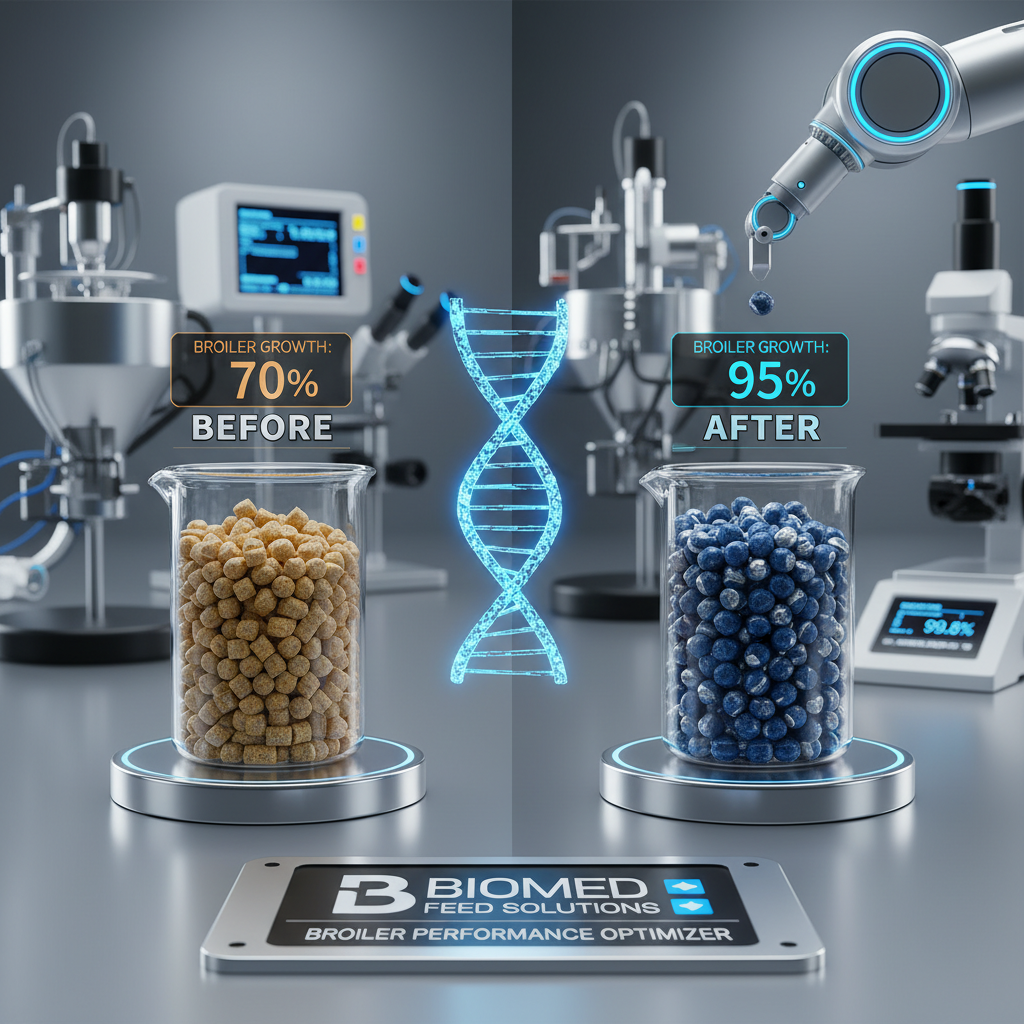
The efficacy of any concentrate chicken feed depends on its core components. Essential amino acids, such as Lysine and Methionine, are the building blocks of muscle growth and egg production. Without these specific components, chickens cannot utilize the energy from grains efficiently, leading to stunted growth and wasted feed.
Beyond basic proteins, the integration of chelated minerals—where minerals are bound to organic molecules—significantly enhances absorption. These specialized additives in the concentrate ensure that calcium and phosphorus are available for skeletal development and eggshell formation, minimizing the risk of breakage and improving the overall quality of the final product.
Finally, the inclusion of enzyme complexes and probiotics within the concentrate helps the bird break down complex carbohydrates and proteins. This biological optimization ensures that the concentrate chicken feed works in harmony with the bird's gut microbiome, fostering a healthy environment that naturally resists pathogens.
Strategic Applications in Commercial Poultry
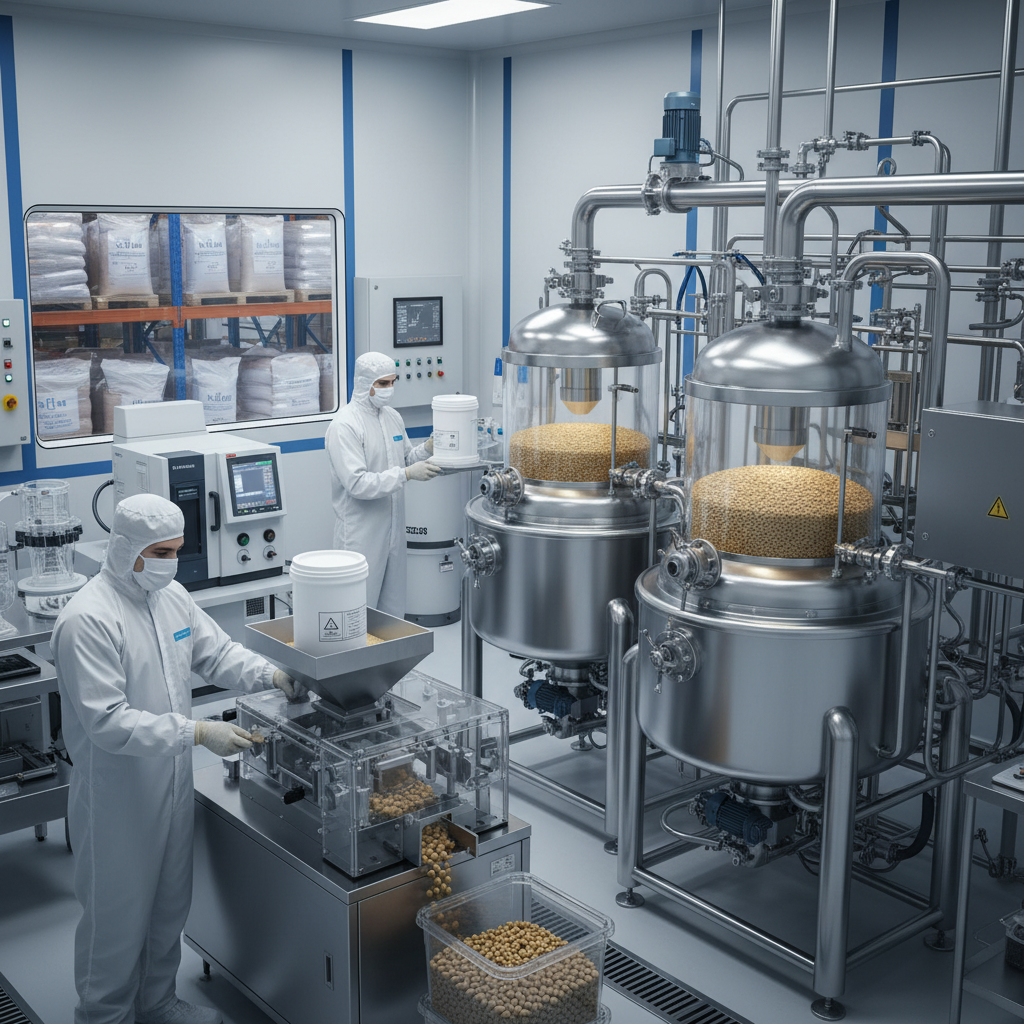
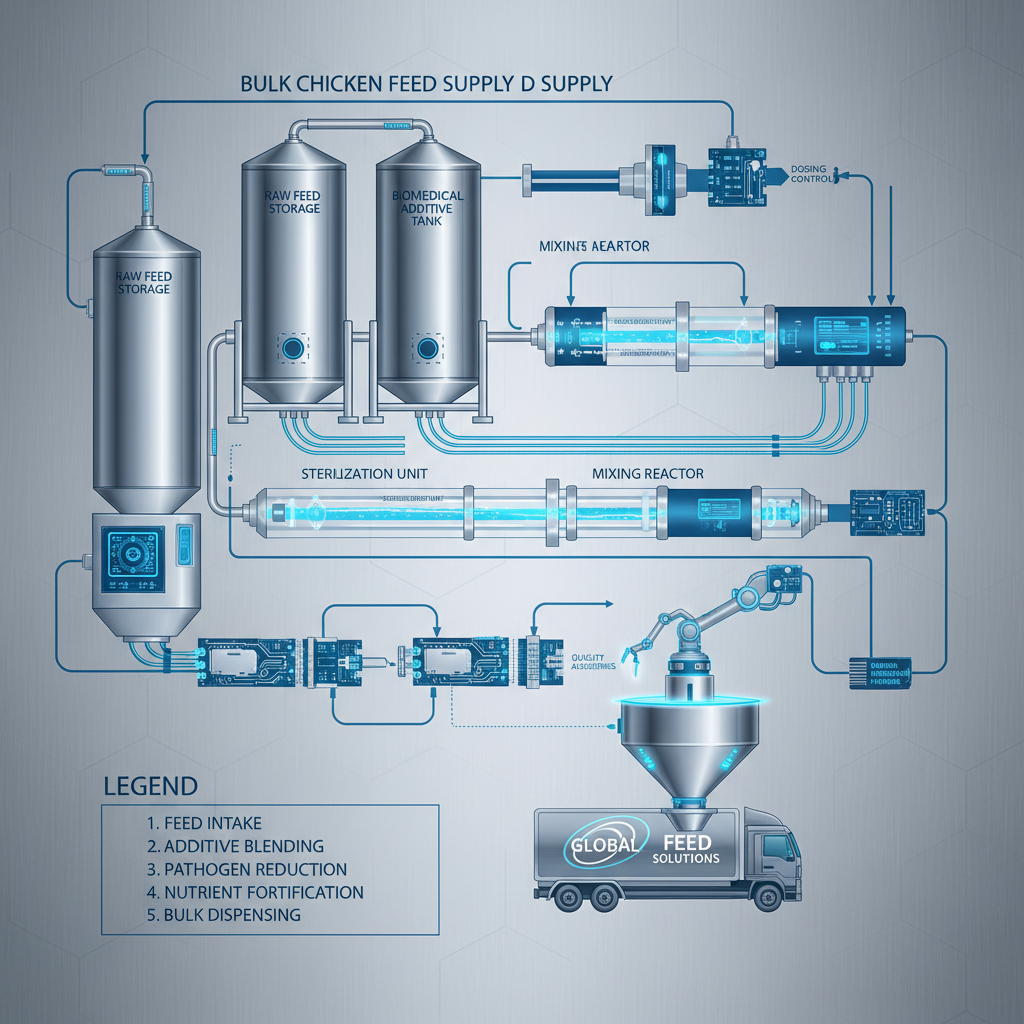
In large-scale industrial zones, the application of concentrate chicken feed is integrated into automated mixing systems. This allows for real-time adjustments in nutrition; for instance, increasing the protein concentrate during the "starter" phase and transitioning to a calcium-rich concentrate during the "layer" phase. Such precision ensures that birds are never overfed or undernourished.
Furthermore, in regions prone to extreme weather, concentrates are used to fortify diets with specific antioxidants and electrolytes. This helps birds manage heat stress and maintains production levels during temperature spikes, ensuring that the supply chain remains stable regardless of external environmental pressures.
Nutritional Efficiency of Different Concentrate Types
Economic and Environmental Long-Term Value
The primary economic advantage of concentrate chicken feed is the drastic reduction in shipping costs. Since the bulk of a bird's diet consists of grains that are heavy and low-value per kilogram, shipping only the high-value nutrient concentrate allows producers to source energy components locally. This reduces the logistics spend and lowers the overall carbon footprint of the operation.
From a sustainability perspective, concentrated nutrition promotes "precision feeding." By eliminating excess nutrients that the bird cannot absorb, farmers reduce the leaching of nitrates into groundwater and the emission of ammonia into the atmosphere. This creates a virtuous cycle of efficiency, where higher profits coexist with a lower environmental impact, enhancing the social license to operate for the poultry industry.
Technological Innovations in Feed Formulation
The future of concentrate chicken feed is being shaped by digital transformation and biotechnology. Nano-encapsulation is one of the most promising trends, allowing sensitive vitamins and probiotics to be protected from heat and oxidation during the mixing process. This ensures that the nutrients remain active until they reach the bird's digestive tract, maximizing the "hit rate" of the nutrition.
Furthermore, the integration of AI-driven formulation software allows manufacturers to create "dynamic concentrates." These products can be adjusted based on real-time data from the farm, such as the average weight of the flock or the current ambient temperature, ensuring that the nutrition is always perfectly synchronized with the bird's physiological needs.
Sustainable protein sources are also redefining the industry. We are seeing a shift toward incorporating insect-based proteins and algae-derived omega-3s into the concentrate. This reduces the reliance on fishmeal and soy, addressing the ethical and environmental concerns associated with overfishing and deforestation while maintaining the high nutritional density required for peak performance.
Overcoming Challenges in Concentrate Distribution
One of the most persistent challenges in the use of concentrate chicken feed is the risk of uneven mixing. If the concentrate is not distributed uniformly through the base grains, some birds may receive too many nutrients (leading to toxicity or waste) while others suffer from deficiencies. To solve this, the industry is moving toward pelletized concentrates and the implementation of strict mixing protocols and quality control audits.
Another hurdle is the instability of certain micronutrients when exposed to humid tropical climates. Advanced moisture-barrier packaging and the use of stabilized, coated vitamins have become essential solutions. These innovations ensure that the concentrate maintains its potency from the factory floor to the remote farm, guaranteeing a consistent ROI for the producer.
Finally, educational gaps often lead to incorrect dilution ratios. To combat this, leading suppliers are providing digital dosing calculators and training programs. By empowering the farmer with the knowledge of how to correctly integrate the concentrate, the industry ensures that the biological benefits of the product are fully realized.
Comparative Analysis of Concentrate Distribution and Quality Control
| Distribution Method |
Mixing Uniformity |
Storage Stability |
Cost Efficiency |
| Manual Powder Mixing |
Low (4/10) |
Moderate (5/10) |
High (9/10) |
| Automated Ribbon Blender |
High (9/10) |
High (8/10) |
Moderate (6/10) |
| Pelletized Concentrates |
Very High (10/10) |
Very High (9/10) |
Low (5/10) |
| Liquid Supplementation |
Moderate (6/10) |
Low (4/10) |
Moderate (7/10) |
| Micro-encapsulated Blend |
High (8/10) |
Excellent (10/10) |
Low (4/10) |
| Customized Premix |
High (8/10) |
Moderate (7/10) |
Moderate (6/10) |
FAQS
A complete feed contains all the necessary nutrients and energy sources in one bag, ready for consumption. In contrast, concentrate chicken feed is a dense mixture of vitamins, minerals, and proteins that must be mixed with an energy source (like corn or wheat) by the farmer. Concentrates offer more flexibility, lower shipping costs, and the ability to use local raw materials while maintaining professional nutritional standards.
No, this is not recommended. Broilers require high protein and amino acid concentrations to support rapid muscle development, whereas layers need significantly higher levels of calcium and phosphorus for eggshell production. Using a broiler concentrate for layers can lead to poor shell quality, while using a layer concentrate for broilers may result in stunted growth and kidney stress due to excessive calcium.
To avoid "hot spots" of nutrition, it is best to use a mechanical mixer. If mixing manually, use the "sandwich" method: layer the grains and concentrate in alternating levels and mix thoroughly for at least 15-20 minutes. For commercial operations, using pelletized concentrates or an automated ribbon blender is the only way to guarantee 100% uniformity and consistent bird growth.
Yes, significantly. Many high-quality concentrates include prebiotics, probiotics, and organic acids that strengthen the bird's natural immune system and optimize gut health. By preventing nutritional deficiencies and reducing stress-induced illnesses, farmers can maintain a healthier flock and reduce the need for curative antibiotic treatments, aligning with global "antibiotic-free" trends.
Concentrates are sensitive to heat, light, and moisture. They should be stored in a cool, dry, and well-ventilated area, preferably in airtight containers or original moisture-barrier bags. Avoid direct sunlight, as UV rays can degrade essential vitamins. Following a "First-In, First-Out" (FIFO) inventory system ensures that the birds always receive the freshest, most potent nutrients.
Yes, concentrates are specifically designed for international trade because their low volume makes them cost-effective to ship. However, importers must ensure compliance with the destination country's veterinary and phytosanitary regulations. Providing detailed certificates of analysis (CoA) and ensuring the product is free from prohibited additives is key to a smooth customs process.
Conclusion
The strategic implementation of concentrate chicken feed represents the intersection of biological science and industrial efficiency. By focusing on high-density nutrition and precise bioavailability, producers can maximize their feed conversion ratios, reduce environmental waste, and significantly lower operational costs. From the inclusion of chelated minerals to the adoption of AI-driven formulation, the transition toward concentrated nutrition is essential for any poultry operation aiming for sustainable, long-term profitability.
Looking forward, the industry will continue to evolve toward more sustainable protein sources and smarter delivery systems. For farmers and distributors, the key to success lies in the quality of the concentrate and the precision of the final mix. Investing in premium nutritional concentrates is not just an expense, but a strategic investment in the health of the flock and the resilience of the supply chain. To explore our professional range of veterinary-grade feed solutions, visit our website: www.rcpetfood.com