In the competitive landscape of modern poultry farming, achieving optimal growth rates and egg production relies heavily on precise nutritional intervention. The use of chicken concentrate feed has emerged as a pivotal strategy for farmers looking to maximize efficiency while maintaining strict control over dietary inputs. By providing a dense source of essential vitamins, minerals, and amino acids, these concentrates allow producers to blend their own complete rations using locally available energy sources.
Globally, the demand for high-quality avian protein is surging, pushing the industry toward more sustainable and scalable feeding models. The integration of professional-grade concentrates ensures that poultry birds receive a balanced diet that prevents metabolic diseases and enhances immunity, regardless of the variability in raw grains like corn or soy. This systemic approach to nutrition is not just about growth; it is about the biological optimization of the flock.
Understanding the nuances of chicken concentrate feed is essential for anyone operating in the veterinary or agricultural sector. From small-scale organic farms to massive industrial complexes, the ability to calibrate nutrition through concentrates reduces waste, lowers feed conversion ratios (FCR), and ultimately increases the profitability of the entire production cycle.
The Global Industry Context of Chicken Concentrate Feed
The poultry industry operates on a global scale, with meat and egg production serving as primary protein sources for billions. According to data trends aligned with FAO and ISO standards for feed safety, the volatility of raw material prices—particularly soybean meal and maize—has created a critical need for flexible feeding solutions. This is where chicken concentrate feed becomes indispensable, allowing farmers to stabilize their costs by importing high-density nutrients while sourcing bulk fillers locally.
The challenge currently facing the industry is the "nutritional gap" found in traditional foraging or low-grade grains. Without the precise fortification provided by concentrates, flocks are susceptible to stunted growth and lower eggshell quality, which directly impacts marketability. By adopting a concentrate-based system, the industry can move toward a more standardized level of animal welfare and productivity across diverse geographic regions.
Defining the Role of Chicken Concentrate Feed in Modern Farming
At its core, chicken concentrate feed is a nutrient-dense mixture containing concentrated proteins, vitamins, minerals, and often growth promoters or enzymes. Unlike complete feed, which is ready-to-use, a concentrate is designed to be mixed with other ingredients (such as corn or wheat) to create a balanced diet tailored to the specific life stage of the bird—be it starter, grower, or layer.
This approach connects directly to the humanitarian need for food security. By lowering the barrier to professional-grade nutrition, smallholder farmers in developing nations can achieve industrial-level yields. The concentrate acts as a "nutritional insurance policy," ensuring that even if the local corn crop is poor in certain micronutrients, the birds still receive the biological requirements necessary for health and growth.
From a manufacturing perspective, these concentrates represent the pinnacle of veterinary science. They are formulated using precise algorithms to ensure that every gram of feed contributes to a specific physiological outcome, such as skeletal strength in broilers or calcium optimization in laying hens, thereby reducing waste and environmental runoff.
Core Components of High-Performance Poultry Concentrates
The effectiveness of any chicken concentrate feed depends on its biochemical composition. The primary focus is usually on amino acid balance, specifically Lysine and Methionine, which are often the limiting factors in grain-based diets. Ensuring these are present in precise ratios allows for maximum muscle development and efficient feathering.
Beyond proteins, the inclusion of micronutrient premixes—including Vitamin A, D3, E, and B-complex—is what differentiates a professional concentrate from a simple meal. These elements are critical for the immune system's ability to fight off common avian pathogens, effectively reducing the reliance on therapeutic antibiotics and promoting a more natural growth cycle.
Lastly, the addition of specialized enzymes, such as phytase, enhances the digestibility of phosphorus in the grain components. This not only improves the bird's nutrient absorption but also reduces the amount of phosphorus excreted into the environment, aligning chicken concentrate feed with global sustainability and "green farming" initiatives.
Practical Applications and Efficiency Metrics
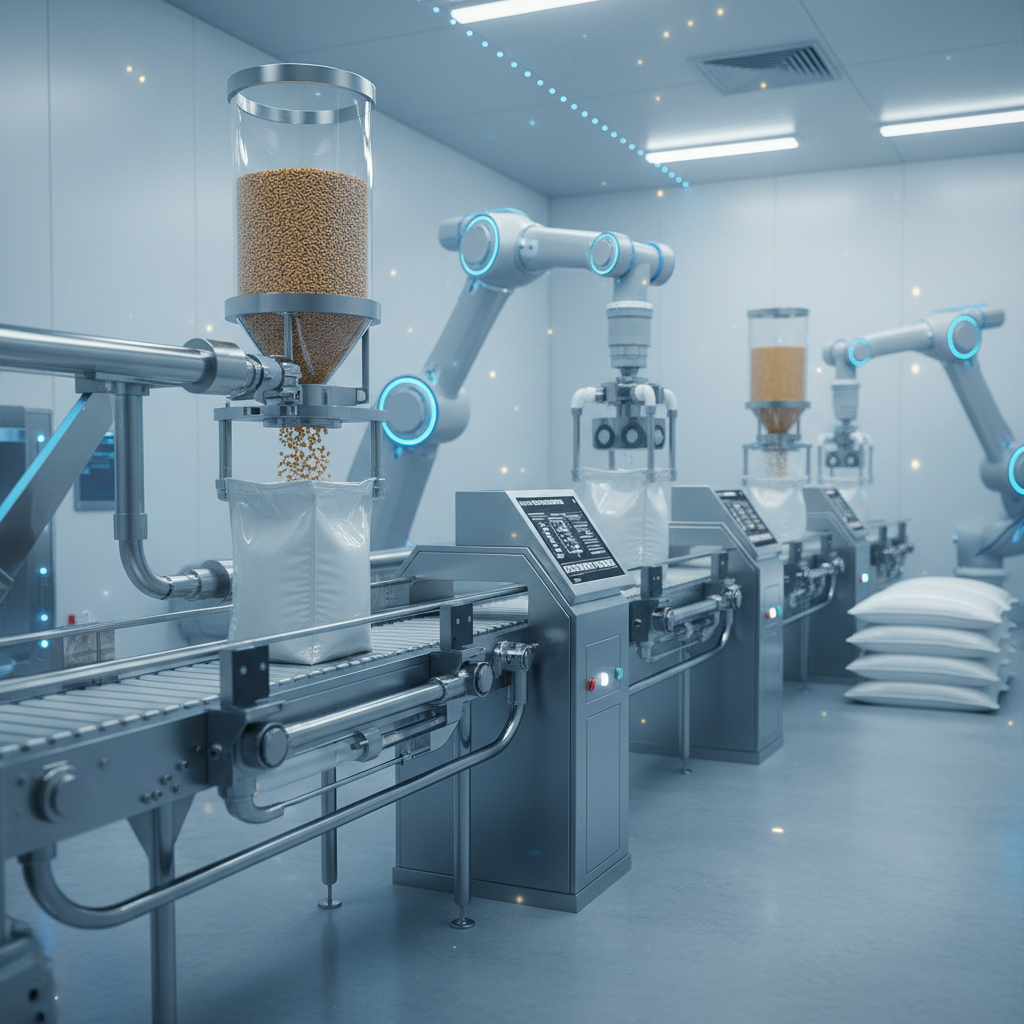
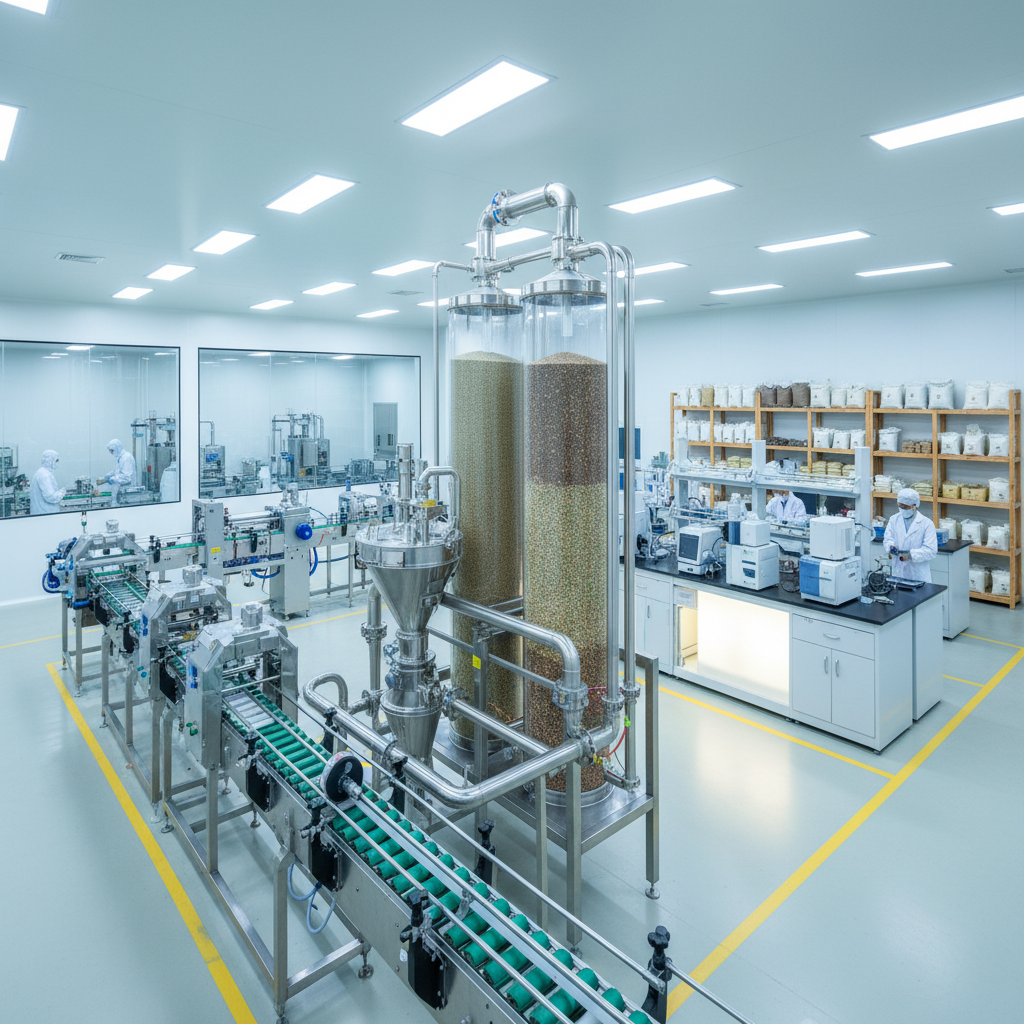
In real-world application, chicken concentrate feed is deployed across various scales. In industrial zones of Southeast Asia and Brazil, large-scale integrators use automated blending systems to mix concentrates with regional grains, ensuring consistency across millions of birds. Conversely, in remote agricultural zones, the concentrate provides a portable, easy-to-store solution that eliminates the need for expensive bulk transport of complete feed.
The primary metric for success is the Feed Conversion Ratio (FCR). By utilizing high-quality concentrates, producers often see a significant drop in the amount of feed required to produce one kilogram of meat, directly impacting the bottom line. The following chart illustrates the efficiency ratings of different formulation methods.
Performance Comparison of Chicken Concentrate Feed Formulations
Strategic Advantages and Long-Term Economic Value
The adoption of chicken concentrate feed offers tangible logical and emotional benefits. Logically, the cost reduction is immediate: transporting a 5% or 10% concentrate is far cheaper than transporting a 100% complete feed. This scalability allows businesses to grow without a linear increase in logistics costs, providing a safer financial cushion against market volatility.
Emotionally and ethically, the use of precision concentrates fosters trust between the producer and the consumer. When birds are fed a scientifically balanced diet, the resulting meat and eggs are more nutrient-dense and free from the deficiencies that lead to animal suffering. This commitment to quality enhances the brand dignity of the farmer, signaling a shift from "survival farming" to "precision agriculture."
Future Trends in Nutritional Bio-Innovation
The future of chicken concentrate feed is moving toward "smart nutrition." We are seeing the integration of nano-encapsulation technology, where nutrients are coated in microscopic layers to ensure they are released only in specific parts of the digestive tract. This maximizes absorption and minimizes the environmental footprint of poultry waste.
Digital transformation is also playing a role. IoT sensors in poultry houses can now communicate with automated mixing systems, adjusting the ratio of concentrate to grain in real-time based on the birds' weight and environmental temperature. This level of automation ensures that the flock is never overfed or under-nourished, optimizing the biological potential of every bird.
Furthermore, there is a strong push toward sustainable protein sources within concentrates. The inclusion of insect-based proteins and algae-derived omega-3s is reducing the industry's reliance on fishmeal and soy, making chicken concentrate feed a cornerstone of the circular economy in animal husbandry.
Overcoming Common Implementation Challenges
Despite the benefits, transitioning to chicken concentrate feed can present challenges, primarily regarding mixing homogeneity. If the concentrate is not evenly distributed throughout the bulk grain, some birds may suffer from nutrient toxicity while others remain deficient. The solution lies in investing in proper mixing equipment or adopting strict manual mixing protocols.
Another common hurdle is the lack of local technical knowledge. Many farmers struggle to determine the exact mixing ratio for their specific grain sources. Expert consultation and the use of standardized formulation charts are essential to ensure that the final ration meets the specific needs of the bird's age and purpose.
Finally, storage stability can be an issue in humid climates, as the high vitamin content in concentrates can degrade if exposed to heat and moisture. Implementing climate-controlled storage and using vacuum-sealed packaging for concentrates are the most effective ways to maintain potency and ensure the long-term value of the investment.
Comparative Analysis of Poultry Concentrate Application Strategies
| Strategy Model |
Implementation Cost |
Growth Efficiency |
Technical Difficulty |
| Manual Batch Mixing |
Low |
Moderate (6/10) |
Low |
| Semi-Auto Blending |
Medium |
High (8/10) |
Medium |
| Precision IoT Feeding |
High |
Maximum (10/10) |
High |
| Organic-Based Mix |
Medium-High |
Steady (7/10) |
Medium |
| Layer-Specific Program |
Medium |
Optimized (9/10) |
Medium |
| Broiler-Fast Track |
Medium |
Rapid (9/10) |
Medium |
FAQS
Complete feed contains all necessary nutrients and fillers, meaning it can be fed to birds as-is. In contrast, chicken concentrate feed is a high-density nutrient pack that must be mixed with a carbon source (like corn or wheat) to create a final ration. The primary advantage of concentrate is the flexibility it gives the farmer to use local ingredients, significantly reducing shipping costs and allowing for custom nutritional adjustments based on the flock's specific needs.
To avoid "hot spots" of nutrients, it is recommended to use a mechanical mixer. If mixing manually, use the "layering method": spread the bulk grain in a flat pile, sprinkle the concentrate evenly across the top, and then turn the pile over several times with a shovel. For professional results, mixing the concentrate with a small amount of grain first to create a "pre-mix" before adding it to the full batch ensures much higher homogeneity.
Generally, no. Broilers require higher protein and amino acid concentrations for rapid muscle growth, whereas layer chickens need a much higher concentration of calcium and phosphorus for eggshell production. Using a broiler concentrate for layers can lead to kidney issues due to excessive protein, while using a layer concentrate for broilers will result in stunted growth and poor weight gain. Always choose a concentrate formulated for the specific production goal.
Most high-quality concentrates have a shelf life of 6 to 12 months if stored in a cool, dry place. However, vitamins are sensitive to heat, light, and moisture. To maximize longevity, store the bags in a temperature-controlled environment, keep them off the floor on pallets to avoid dampness, and ensure the bags are tightly sealed after every use to prevent oxidation and pest infestation.
Yes, indirectly. By ensuring a balanced intake of essential micronutrients and immune-boosting vitamins, chicken concentrate feed strengthens the birds' natural defenses. A well-nourished flock is significantly less likely to succumb to common opportunistic infections, which reduces the frequency of antibiotic treatments and promotes overall flock health and animal welfare.
Absolutely. For small-scale farmers, buying a small bag of high-quality concentrate and mixing it with home-grown grains is often more affordable than buying expensive, branded complete feeds. It allows the farmer to provide professional-grade nutrition without the overhead of industrial logistics, ensuring their birds grow healthier and produce better eggs while utilizing available farm resources.
Conclusion
In summary, chicken concentrate feed represents the intersection of veterinary science and economic efficiency. By decoupling essential micronutrients from bulk energy sources, it provides poultry producers with the flexibility to optimize growth, ensure flock health, and reduce operational costs. From the precise balance of amino acids to the integration of modern enzymes, the use of concentrates is a strategic move toward sustainable and high-yield poultry farming.
As the industry evolves toward precision agriculture and bio-innovation, the role of specialized concentrates will only become more critical. We encourage producers to transition from generic feeding programs to tailored nutritional strategies that prioritize both animal welfare and profit margins. To explore our range of professional-grade nutritional solutions and veterinary supports, visit our website: www.rcpetfood.com