Animal feed companies are the backbone of modern food production, playing a critical role in ensuring a stable and affordable food supply for a growing global population. These companies formulate and manufacture feeds for livestock, poultry, aquaculture, and even pets, impacting everything from meat and dairy prices to the health and well-being of animals. The industry is constantly evolving, driven by advancements in nutrition, technology, and sustainability practices.
Globally, the animal feed industry is a multi-billion dollar market, estimated to reach over $500 billion by 2027 (source: various market research reports). This growth is fueled by increasing demand for animal protein, particularly in developing nations. Understanding the complexities of this sector – from raw material sourcing and feed formulation to manufacturing processes and regulatory compliance – is crucial for stakeholders across the entire food chain. animal feed companies are integral to global food security.
Effective animal feed isn't simply about providing calories; it's about optimizing animal health, growth, and productivity. The industry is grappling with challenges such as sourcing sustainable ingredients, reducing the environmental impact of feed production, and addressing consumer concerns regarding animal welfare. Innovative animal feed companies are at the forefront of addressing these challenges, developing solutions that benefit both animals and the planet.
The Role of Animal Feed Companies in Global Food Production
Animal feed companies are essential for converting raw agricultural commodities into nutritious feeds that support animal growth and productivity. They’re not simply manufacturers; they’re integral parts of complex supply chains that connect farmers, ingredient suppliers, and ultimately, consumers. The efficiency of these companies directly impacts the availability and affordability of meat, dairy, and eggs. animal feed companies are vital for a functioning global food system.
Furthermore, these companies play a significant role in promoting animal health and welfare. By formulating feeds that meet specific nutritional requirements, they help prevent disease and enhance animal well-being. This, in turn, contributes to safer and more sustainable food production practices.
Defining Animal Feed Companies and Their Significance
Animal feed companies are businesses dedicated to the production, distribution, and sale of animal nutrition products. These products, known as feeds, are designed to provide animals with the nutrients they need to thrive. This includes livestock (cattle, pigs, sheep), poultry (chickens, turkeys), aquaculture species (fish, shrimp), and companion animals (pets). The core function of these companies is to formulate diets optimized for different animal species, life stages, and production goals.
The significance of animal feed companies extends far beyond just providing food for animals. They are deeply intertwined with the broader agricultural economy, supporting farmers and ranchers by providing them with the tools they need to efficiently raise healthy animals. A well-nourished animal is a more productive animal, leading to greater economic returns for producers.
In modern industry, animal feed companies are increasingly focusing on sustainability and innovation. This includes developing feeds that reduce greenhouse gas emissions, improve resource efficiency, and enhance animal welfare. They also play a crucial role in addressing humanitarian needs by ensuring access to nutritious feed for livestock in developing countries and disaster-stricken areas.
Key Factors Influencing Animal Feed Company Success
Several key factors contribute to the success of animal feed companies. Firstly, ingredient sourcing is paramount. Securing a reliable and cost-effective supply of high-quality ingredients – such as grains, oilseeds, protein meals, and vitamins – is essential for maintaining profitability and product quality. Strategic partnerships with suppliers and efficient logistics networks are crucial in this regard.
Secondly, feed formulation expertise is critical. Developing balanced and nutritious diets that meet the specific needs of different animal species and production systems requires a deep understanding of animal nutrition and physiology. Companies that invest in research and development and employ skilled nutritionists are better positioned to deliver superior products.
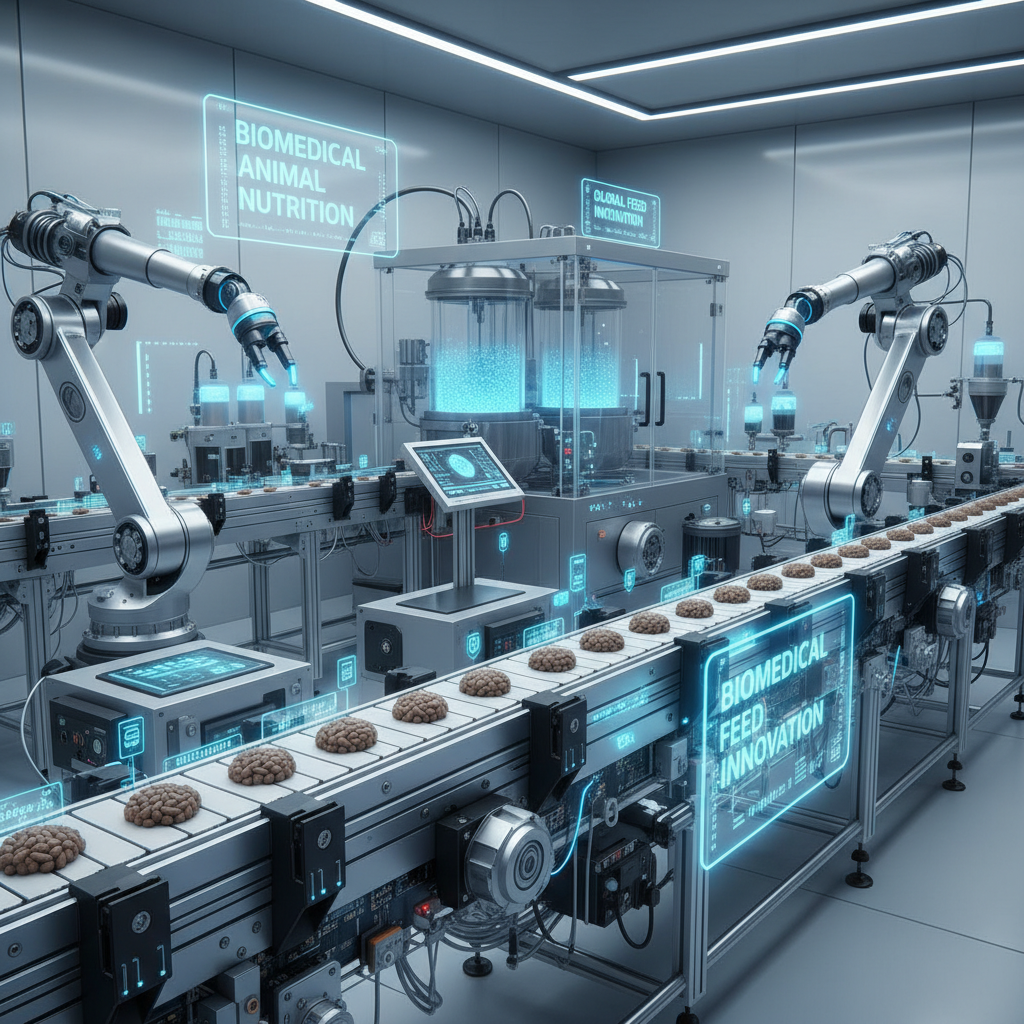
Thirdly, manufacturing efficiency plays a key role. Operating modern and well-maintained production facilities that minimize waste and optimize production processes is vital for reducing costs and maximizing output. Automation, quality control, and adherence to strict hygiene standards are all essential components of efficient manufacturing.
Fourthly, regulatory compliance is non-negotiable. Animal feed companies must adhere to stringent regulations governing feed safety, labeling, and ingredient approval. Maintaining compliance requires a robust quality assurance system and a thorough understanding of local and international regulations.
Global Applications and Use Cases of Animal Feed Companies
Animal feed companies operate globally, serving a diverse range of customers and markets. In developed countries like the United States, Europe, and Japan, the focus is often on high-performance feeds for intensive livestock production. These feeds are designed to maximize growth rates, improve feed conversion ratios, and enhance product quality.
In developing countries, animal feed companies play a vital role in supporting smallholder farmers and improving food security. They provide affordable and accessible feeds that help farmers increase their animal production and income. In post-disaster relief operations, animal feed companies can quickly provide essential nutrition to surviving livestock, aiding in the recovery of agricultural communities.
Within the aquaculture industry, animal feed companies are developing specialized feeds for various fish and shrimp species, addressing the growing demand for seafood. In remote industrial zones, such as mining operations or oil platforms, these companies provide feed for livestock used to supply fresh meat and dairy products to workers.
Animal Feed Companies: Method Comparison
Advantages and Long-Term Value of Investing in Animal Feed Companies
Investing in animal feed companies offers several tangible benefits. Firstly, the industry exhibits relative cost stability. While commodity prices fluctuate, the essential nature of animal feed ensures consistent demand, providing a buffer against economic downturns. Secondly, the increasing emphasis on sustainability within the sector creates opportunities for innovation and long-term growth. Companies developing eco-friendly feeds and reducing their environmental footprint are likely to gain a competitive advantage.
Furthermore, animal feed companies contribute to social impact by enhancing food security and supporting agricultural communities. This positive contribution can enhance a company’s reputation and attract socially responsible investors. The industry also offers strong reliability as a fundamental part of the food supply chain, making it less susceptible to disruptive technologies compared to other sectors.
Future Trends and Innovations in Animal Feed Companies
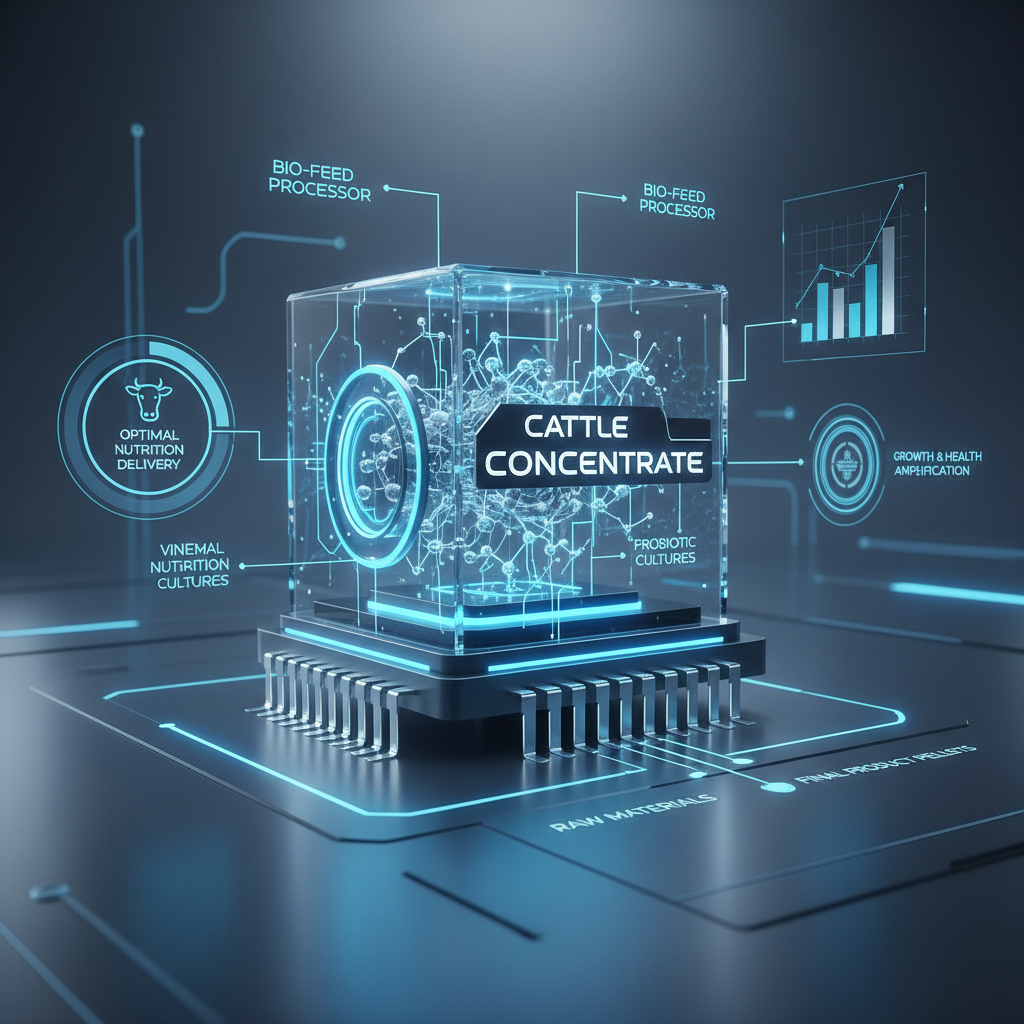
The future of animal feed companies will be shaped by several emerging trends. Precision nutrition, utilizing data analytics and genetic information to tailor feeds to individual animal needs, is gaining traction. Alternative protein sources, such as insects, algae, and single-cell proteins, are being explored as sustainable alternatives to traditional feed ingredients.
Digital transformation is also playing a significant role, with companies leveraging technologies like blockchain and the Internet of Things (IoT) to improve traceability, optimize supply chains, and enhance quality control. Automation in feed manufacturing and the adoption of smart farming practices will further drive efficiency and reduce costs.
Challenges Faced by Animal Feed Companies and Potential Solutions
Animal feed companies face several challenges, including fluctuating raw material prices, increasing competition, and evolving consumer preferences. The rising cost of grains and oilseeds can squeeze profit margins, while competition from both established players and new entrants intensifies market pressure. Consumers are increasingly demanding transparency and traceability in their food supply chains, putting pressure on companies to demonstrate responsible sourcing practices.
To overcome these challenges, companies are investing in research and development to identify alternative ingredients, optimize feed formulations, and improve manufacturing efficiency. Strengthening supply chain resilience through diversification of suppliers and strategic partnerships is also crucial. Implementing robust traceability systems and actively communicating sustainability initiatives to consumers can build trust and enhance brand reputation.
Adopting circular economy principles, such as utilizing food waste as a feed ingredient, can also contribute to sustainability and cost reduction. The animal feed companies sector needs to proactively address these challenges to ensure its long-term viability.
Table Summarizing Key Challenges and Solutions for Animal Feed Companies
| Challenge |
Impact on Operations |
Proposed Solution |
Implementation Timeline |
| Raw Material Price Volatility |
Reduced Profit Margins, Budgeting Uncertainty |
Diversify Sourcing, Long-Term Contracts, Hedging Strategies |
Short-Term (0-6 months) |
| Increasing Competition |
Market Share Erosion, Price Wars |
Product Differentiation, Innovation, Customer Loyalty Programs |
Medium-Term (6-18 months) |
| Consumer Demand for Transparency |
Reputational Risk, Loss of Trust |
Implement Traceability Systems, Communicate Sustainability Efforts |
Medium-Term (12-24 months) |
| Regulatory Compliance Costs |
Increased Operating Expenses |
Invest in Quality Assurance, Streamline Processes |
Ongoing |
| Environmental Impact of Production |
Negative Public Perception, Resource Depletion |
Sustainable Sourcing, Waste Reduction, Renewable Energy |
Long-Term (24+ months) |
| Supply Chain Disruptions |
Ingredient Shortages, Production Delays |
Diversify Suppliers, Build Inventory Reserves, Regionalize Production |
Medium-Term (6-18 months) |
FAQS
Animal feed companies play a crucial role in food safety by ensuring the feed they produce is free from contaminants, such as mycotoxins, pathogens, and prohibited substances. They adhere to strict quality control standards, implement Hazard Analysis and Critical Control Points (HACCP) systems, and conduct regular testing to guarantee feed safety. Safe feed directly contributes to the health and safety of animals, and consequently, the food products derived from them.
Many animal feed companies are actively addressing sustainability concerns through various initiatives. This includes sourcing sustainable ingredients, reducing greenhouse gas emissions, minimizing water usage, and promoting responsible waste management. They are also investing in research and development to create more sustainable feed formulations, such as those utilizing alternative protein sources like insects or algae.
Animal feed production is subject to a complex web of regulations that vary by country and region. In the United States, the Food and Drug Administration (FDA) regulates animal feed, setting standards for ingredient safety, labeling, and manufacturing practices. European Union regulations are similarly stringent, with a focus on traceability and feed hygiene. Companies must adhere to these regulations to ensure compliance and maintain market access.
Technology is transforming the animal feed industry in several ways. Precision nutrition, utilizing data analytics and genomic information, allows for the creation of tailored feed formulations. IoT sensors and data analytics are optimizing feed manufacturing processes and improving supply chain efficiency. Blockchain technology enhances traceability and transparency, while automation is reducing labor costs and increasing production capacity.
Complete feed is a fully formulated feed that provides all the nutrients an animal needs for a specific life stage or production purpose. It’s ready to be fed directly to the animal. Feed ingredients, on the other hand, are individual components, such as grains, protein meals, and vitamins, that are used to formulate complete feeds. Animal feed companies often both produce complete feeds and supply ingredients to other feed manufacturers.
Animal feed companies contribute to animal welfare by formulating feeds that meet the specific nutritional needs of animals, promoting optimal health and reducing stress. They may also develop feeds that address specific welfare concerns, such as reducing aggression or enhancing immune function. By providing balanced nutrition, they help animals thrive and express their natural behaviors.
Conclusion
In conclusion, animal feed companies are indispensable to global food production and security. Their role extends beyond simply providing nutrients; they are innovators, problem-solvers, and essential partners to farmers and ranchers worldwide. Understanding the complexities of this industry – from ingredient sourcing and formulation to regulatory compliance and sustainability – is crucial for ensuring a stable and affordable food supply for a growing population.
Looking ahead, the animal feed sector will continue to evolve, driven by advancements in technology, changing consumer preferences, and a growing focus on sustainability. Investing in research and development, embracing innovation, and prioritizing responsible practices will be key to unlocking the full potential of animal feed companies and creating a more resilient and sustainable food system. Visit our website at www.rcpetfood.com to learn more.