Cough Cure: an herbal edge for modern poultry respiratory care
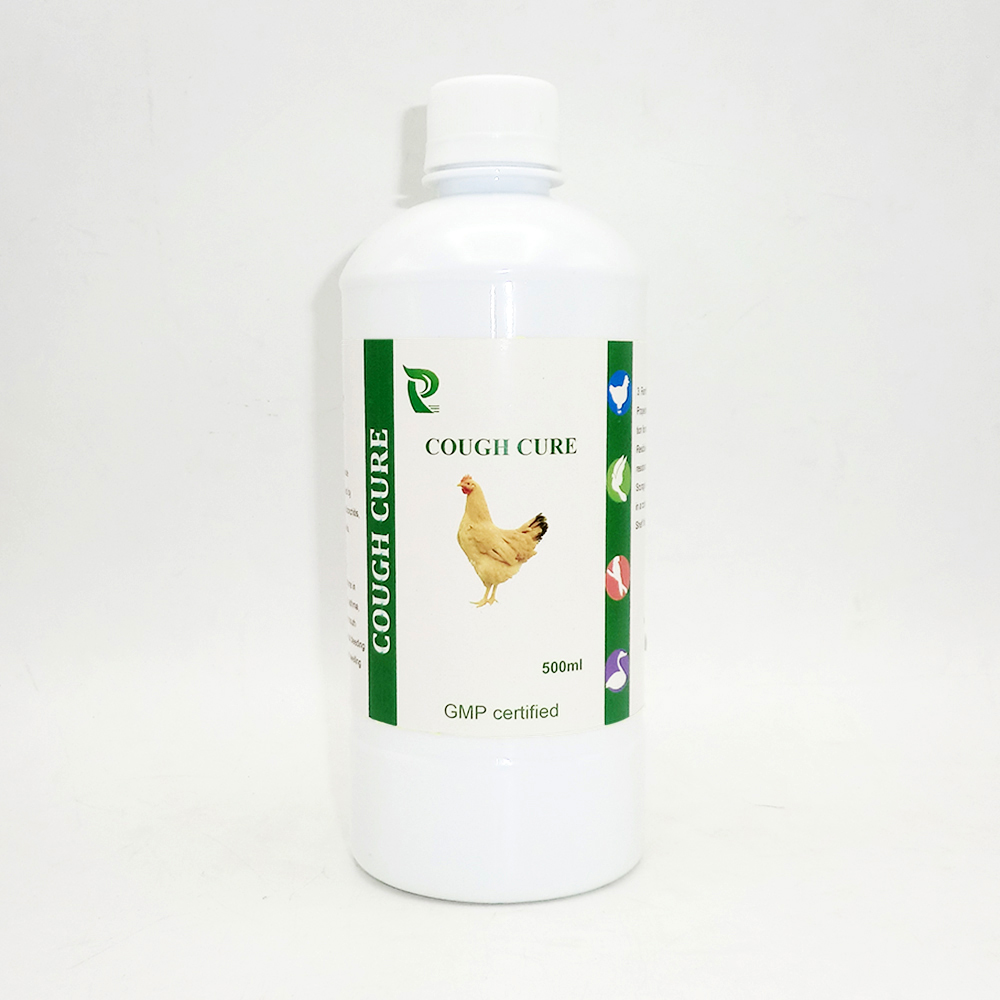
In commercial barns and backyard coops alike, respiratory comfort makes or breaks performance. That’s why I’ve been tracking an oriental herbal nutrient for poultry called Cough Cure by RC Petfood. It’s a tidy, plant-forward blend aimed at soothing airways, loosening mucus, and keeping birds on feed—without sedation. To be honest, I expected marketing fluff; the field notes and QC sheets look better than I thought.
Industry pulse and why it matters
With AGP restrictions tightening and consumers leaning “natural,” phytogenic feed solutions are moving from niche to normal. Integrators tell me they want respiratory support that plays nicely with probiotics, vaccines, and water-line sanitation. Cough Cure fits that lane: a non-antibiotic, herbal approach for broilers, layers, breeders—frankly, even turkeys where allowed.
Product snapshot
| Product name | Cough Cure (herbal respiratory nutrient) |
| Form | Water-soluble liquid or premix powder |
| Indicative botanicals | Licorice (glycyrrhizin markers), thyme, honeysuckle, loquat leaf, ginger; exact ratios customizable |
| Use rate (broilers) | Drinking water: ≈ 200–400 mL/ton; Feed premix: ≈ 200–500 g/ton (real-world use may vary) |
| Shelf life | 24 months sealed; store cool, dry, away from light |
| Origin | Room 2210, Building A, Yihongxia, 298 Zhonghuabei Street, Xinhua District, Shijiazhuang, Hebei, China |
How it’s made (short version)
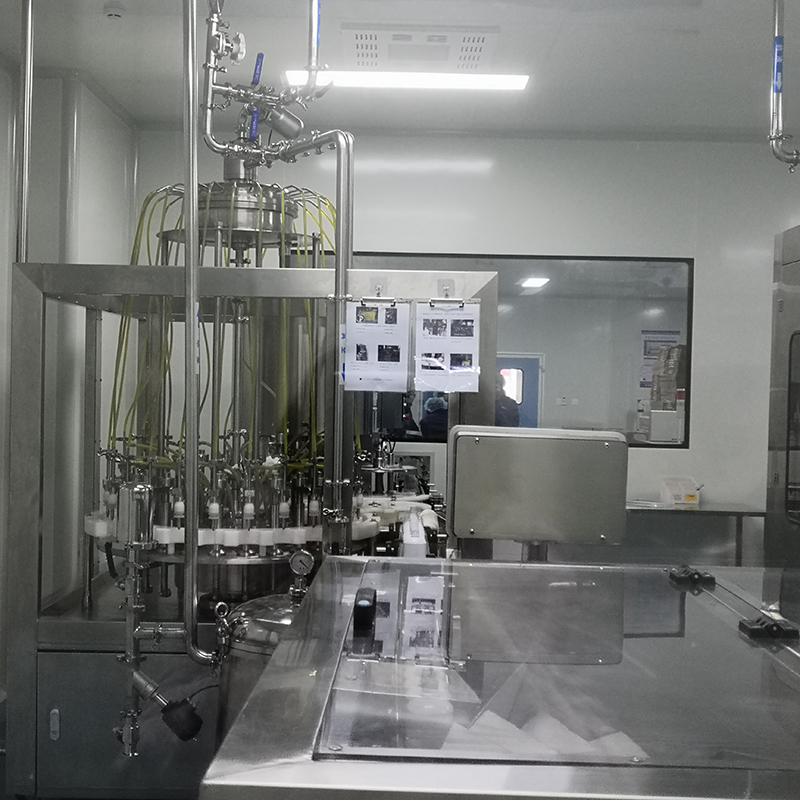
Materials: food-grade botanical extracts, carrier (e.g., maltodextrin for powder), purified water for liquid. Methods: low-temperature percolation, solvent-free concentration, and fine filtration to protect volatiles. Testing: HPLC markers (e.g., glycyrrhizin), microbiology per ISO 4833-1 total plate count, yeasts/molds, heavy metals per GB standards; stability checks at 25–40°C. Service life: validated to 24 months. Industries served: poultry integrators, hatcheries, organic and ABF programs, rural pharmacies.
Vendor comparison (quick look)
| Feature | Cough Cure | Imported phytogenic blend | Legacy AGP |
|---|---|---|---|
| Mode | Herbal mucosal support; anti-irritant | Similar, varies by brand | Antibiotic growth promotion |
| Regulatory risk | Low (non-antibiotic; label as nutrient) | Medium (import documentation) | High in ABF/NAE programs |
| Cost-in-use | ≈ $0.001–0.003/bird/day | Often higher | Varies; not ABF-compliant |
Use scenarios and customization
- Broilers during dust, cold snaps, or post-vaccination days 7–10.
- Layers in peak lay when ammonia stress creeps up.
- Hatchery to brooding transition (first 5–7 days) to keep birds on feed and water.
Custom options: water-line concentrate vs. premix; boosted licorice for harsh winters; thyme-forward for barns with chronic dust. Many customers say the liquid is easy to pulse-dose—honestly, that convenience matters on a busy farm.
Field data (indicative, internal QC)
- Trial A (broilers, n=12k, 14 days): cough/sneeze observations ≈ 28%; FCR improved from 1.63 to 1.60.
- Trial B (layers, n=6k, 21 days): mild wet-litter barns—egg cracks ≈ 7%, feed intake stabilized (+0.8%).
Note: management, vaccine program, and barn conditions strongly influence outcomes.

Quality, testing, and compliance
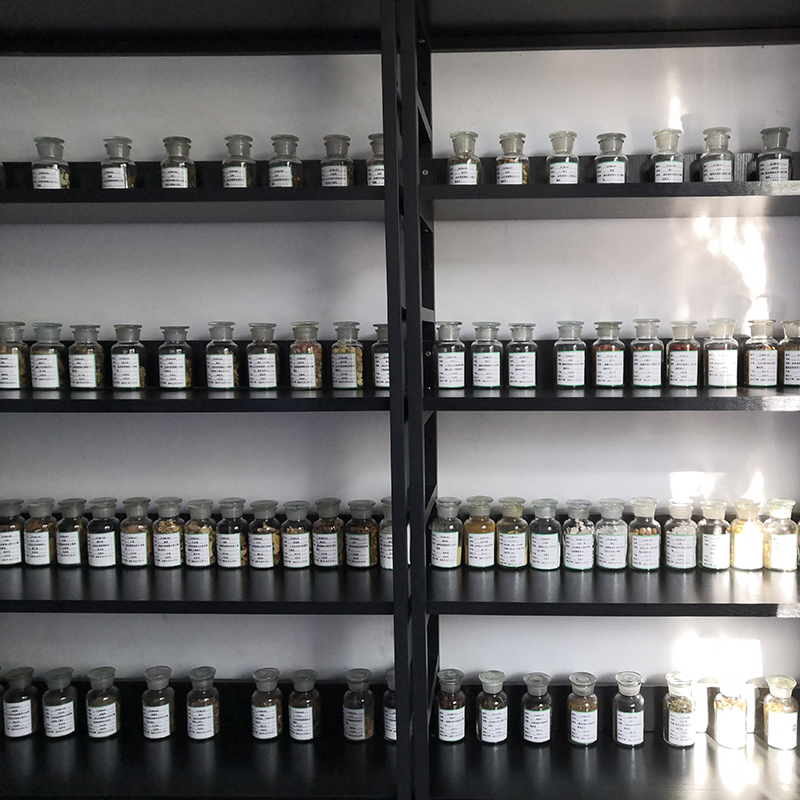
Factory follows ISO 22000/HACCP; feed safety aligned with FAMI-QS principles; routine micro and heavy metal testing; labels for “nutritional support” use. Certifications available on request. It’s not a veterinary drug; rather, a nutrient that supports normal respiratory function—subtle but important wording.
Final take
If you’re phasing down antibiotics or just want steadier barn comfort, this oriental herbal nutrient for poultry is a sensible lever. It won’t fix poor ventilation (nothing will), but paired with good litter and water quality, the value proposition looks solid. And yes, I like that RC Petfood can tweak the blend per flock goals.
Trademarks belong to their owners. Always consult your poultry nutritionist or veterinarian before changes. For quotes or SDS, contact the Shijiazhuang address above. Also, if you need a premix tailored for turkeys, ask—the oriental herbal nutrient for poultry profile adapts well.
Authoritative citations
- World Organisation for Animal Health (WOAH). Responsible use of antimicrobials in poultry. 2023.
- EFSA Panel on Additives and Products or Substances used in Animal Feed (FEEDAP). Botanicals in animal nutrition—safety and efficacy. EFSA Journal.
- FAO/WHO Codex Alimentarius. General Principles of Food Hygiene and HACCP (CXC 1-1969, Rev.).
- Poultry Science. Phytogenic feed additives and respiratory health: a review of mechanisms and performance outcomes.
- ISO 22000:2018 Food safety management systems—Requirements for any organization in the food chain.
Post time: October 10, 2025