Understanding Sheep Concentrates: Why They Matter in Global Agriculture
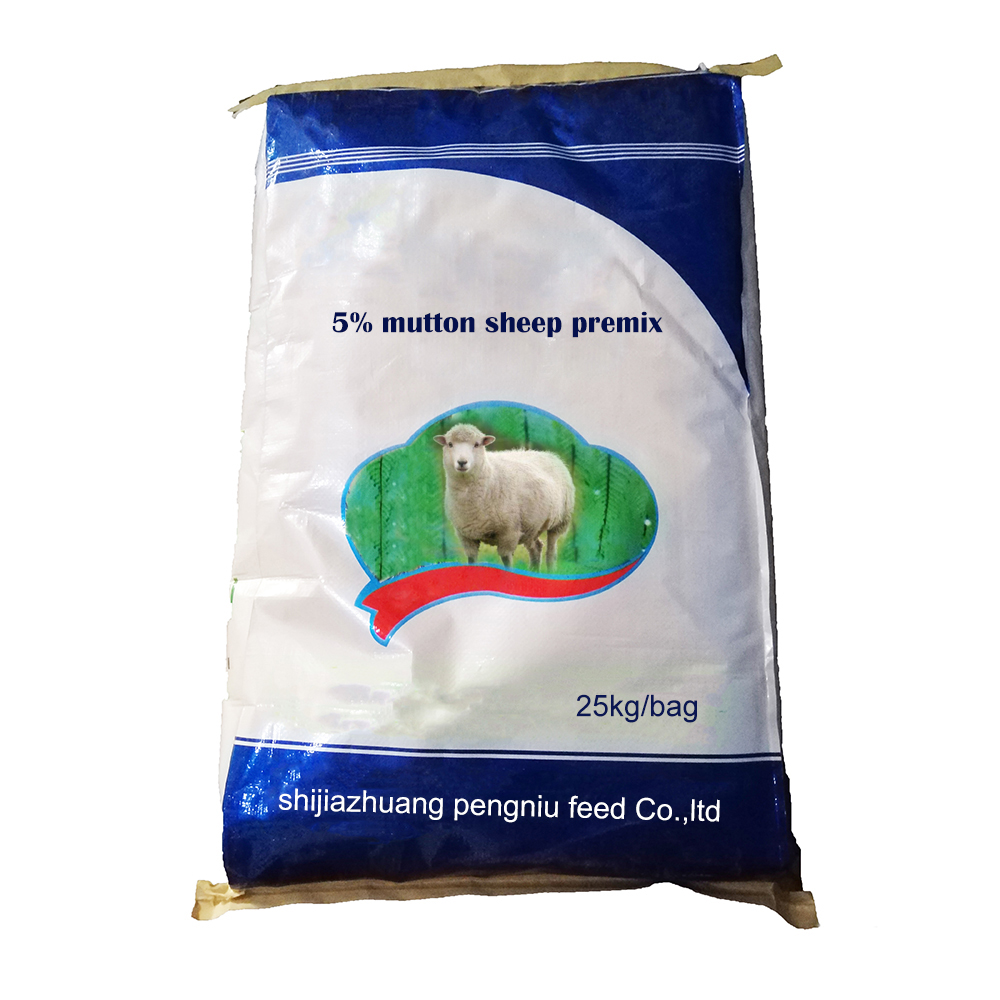
Sheep concentrates might not be a household term, but in livestock farming, they're downright essential. Simply put, these are nutrient-dense feeds designed to supplement or replace grazing meals for sheep, optimizing health and productivity. In a world facing food security challenges and climate variability, understanding sheep concentrates can boost sustainable livestock practices and improve yields dramatically.
Globally, sheep farming supports millions of livelihoods, with wool, meat, and dairy driving rural economies. Given the unpredictability of natural pastures due to droughts, overgrazing, or seasonal scarcity, sheep concentrates provide a reliable nutritional lifeline. So if you haven’t thought much about them before, perhaps it’s time — because they tie into economic resilience, environmental stewardship, and food quality.
The Global Role of Sheep Concentrates: Trends and Challenges
According to the Food and Agriculture Organization (FAO), small ruminants like sheep account for a significant chunk of global meat and fiber production. Sheep farming is especially pivotal in harsh climates — think Australia, Central Asia, the Middle East, and parts of Africa — where grazing isn’t always consistent.
But farmers globally face a knotty challenge: maintaining sheep health and growth when grasslands dwindle or nutrient content declines. Enter sheep concentrates, which can be tailor-made to provide crucial vitamins, minerals, and energy. For example, the UN’s Sustainable Development Goals (SDG 2) emphasize ending hunger and promoting sustainable agriculture, goals to which optimized feeding regimens like concentrates contribute significantly.
What Exactly Are Sheep Concentrates?
In essence, sheep concentrates are specialized feed mixtures high in energy and protein. Unlike basic roughage (like hay or grass), concentrates are formulated feeds including grains (like barley or corn), oilseeds, molasses, and mineral premixes. They fill nutritional gaps and support functions from growth to lactation, immune defense to wool quality.
In the modern agricultural industry, sheep concentrates are critical for reducing dependency on unpredictable pasture yields and enhancing production efficiency. Humanitarian needs surface too — in disaster relief or harsh climates, concentrates help sustain flocks when forage is insufficient.
Key Components of Quality Sheep Concentrates
1. Nutrient Density & Balance
The heart of sheep concentrates lies in the precise blend of carbohydrates, proteins, fats, vitamins, and minerals. For example, protein sources like soybean meal or sunflower seed cake are balanced with energy-rich cereals. Adequate calcium and phosphorus support bone health, while trace minerals like selenium guard against deficiencies. Farmers often calibrate feeds for different sheep stages - lambs, pregnant ewes, or rams.
2. Digestibility
It’s one thing to pack nutrients in, but another for sheep to absorb them efficiently. High-quality concentrates promote smooth rumen function without causing acidosis. Ingredients such as processed grains or molasses not only enhance taste but aid digestion.
3. Cost Efficiency
Cost remains a practical reality. While concentrates boost flock productivity, their price must balance with output gains—otherwise, farmers won’t invest long-term. Bulk purchasing, local sourcing of ingredients, and accurate formulation all play a role.
4. Sustainability
Increasingly, producers seek feeds with a lower carbon footprint. Using sustainable ingredients and reducing waste contributes both to environmental goals and consumer expectations.
5. Storage and Shelf Life
Good concentrates resist spoilage, clumping, or nutrient loss during storage—a vital feature especially in remote or warm regions. Proper packaging, moisture control, and additives aid long-term stability.
How Sheep Concentrates Are Used Around the World
From the shepherds on Australian plains to pastoralists in Ethiopian highlands, sheep concentrates adapt to widely different contexts. In Australia, for instance, sheep producers rely on concentrates to maintain weight during dry seasons, with companies offering blends tailored to wool growth or meat production. In parts of Central Asia, nomadic herders use concentrates during winter when forage is scarce.
In humanitarian relief situations — say, after floods or droughts — providing sheep with balanced concentrates can literally help rebuild livelihoods by keeping flocks alive and productive. Industrial sheep farms also use these feeds to maximize output efficiently and sustainably.
Mini Takeaway:
Sheep concentrates aren't just feeds; they're tools that help farmers worldwide buffer against uncertainty, improve animal welfare, and support economic stability.
Advantages & Long-Term Benefits of Using Sheep Concentrates
- Improved Health and Growth: Concentrates aid faster growth rates and better immunity.
- Enhanced Productivity: For meat, wool, or milk, nutritional optimization boosts yield.
- Environmental Resilience: Reduced grazing pressure helps preserve natural grasslands.
- Cost Savings: Though seemingly pricier upfront, concentrates reduce long-term veterinary and replacement costs.
- Social Impact: Stable farming income promotes community wellbeing.
On an emotional level, farmers often express a sense of confidence knowing their flocks are nourished even when nature isn't cooperative. Frankly, it’s about trust in the feed — and in the systems that deliver it. In real terms, a well-fed sheep translates directly into better returns and sustainable livelihoods.
Sheep Concentrates: Emerging Trends & Innovations
Technology is reshaping how sheep concentrates are formulated and delivered. Digital feed formulation tools tailor mixes to individual flock needs using real-time data. Some manufacturers are incorporating insect protein or algae as alternative sustainable ingredients. Others explore biodegradable packaging and blockchain to secure supply chain transparency.
Automation in feed mills, plus precision feeding systems, improve efficiency and reduce waste. There's also growing interest in organic sheep concentrates free from synthetic additives, coinciding with rising consumer demand for ethical livestock products.
Challenges in Current Practice and How to Overcome Them
- Ingredient Variability: Sourcing consistent raw materials can be tough seasonally. Solution? Diversify suppliers and monitor quality rigorously.
- Cost Barriers: Smallholders may find concentrates too expensive; subsidies or cooperative purchasing can help.
- Storage Issues: In hot or humid climates, spoilage risks rise. Proper storage infrastructure and climate-adapted packaging are vital.
- Knowledge Gaps: Some producers lack understanding about feed formulation. Extension services and training workshops fill this gap effectively.
In sum, tackling these hurdles requires a collaborative effort among governments, industries, and local communities.
Frequently Asked Questions About Sheep Concentrates
Q1: What are the main differences between sheep concentrates and roughage?
A1: Roughage refers to fibrous feeds like grass and hay, which provide bulk and aid digestion. Sheep concentrates are nutrient-dense feeds made from grains and other high-energy ingredients, designed to supply protein, minerals, and vitamins not sufficiently available in roughage alone.
Q2: Can sheep concentrates improve wool quality?
A2: Absolutely. Balanced concentrates with adequate protein and nutrients like zinc and copper support healthy wool growth, improving fiber strength and luster.
Q3: How do I know when to supplement sheep with concentrates?
A3: Key times include late pregnancy, lactation, rapid growth phases, and during drought or pasture scarcity. Consulting a veterinarian or an animal nutritionist helps determine precise feeding schedules.
Q4: Are sheep concentrates suitable for organic farming?
A4: Yes, provided the ingredients comply with organic certification standards, such as no synthetic additives. Many suppliers now offer certified organic concentrate blends.
Q5: Where can I find reliable suppliers of sheep concentrates?
A5: Ideally, choose vendors with transparent sourcing, quality assurance, and good customer service. Check industry certifications and farmer reviews for confidence.
Product Specification Table: Typical Sheep Concentrate Blend
| Component | Typical Percentage | Notes |
|---|---|---|
| Cereal grains (barley, corn) | 40-60% | Primary energy source, highly digestible |
| Protein meals (soybean, sunflower) | 20-30% | Crucial for muscle and wool growth |
| Molasses | 5-10% | Enhances palatability and digestion |
| Mineral and vitamin mix | 2-5% | Balances micronutrient needs |
| Fats and oils | 1-3% | Energy dense, helps absorption of fat-soluble vitamins |
| Binders and additives | 1% | Improve texture, shelf life |
Vendor Comparison Table for Sheep Concentrates Suppliers
| Supplier | Product Range | Sustainability Practices | Price Range (per ton) | Customer Support |
|---|---|---|---|---|
| AgriNourish Ltd. | Standard, Organic, Custom Blends | Uses renewable energy; zero waste policy | $350 - $550 | 24/7 Hotline & On-site Consulting |
| GreenPastures Feeds | Conventional & Organic | Ingredients from sustainable farms | $320 - $480 | Email & Chat Support |
| SheepWell Nutrition | Custom Formulations only | Carbon-neutral production | $450 - $600 | Dedicated Nutritionist Support |
Wrapping Up: Why Invest in Sheep Concentrates?
If you’re in sheep farming, or even just interested in agriculture’s future, sheep concentrates represent more than just feed. They embody a shift toward smarter, more resilient farming and responsible stewardship of animal health and the environment. With steady innovation and increasing accessibility, the benefits are set to grow — healthier animals, better yields, and sustainable rural economies.
Hungry for more? You might want to check out some of the latest blends and formulations by visiting sheep concentrates suppliers online. Even a little experimentation can lead to noticeable improvements — there’s a quiet revolution simmering behind those humble feed bags.
Key Reference Points:
Post time: November 27, 2025