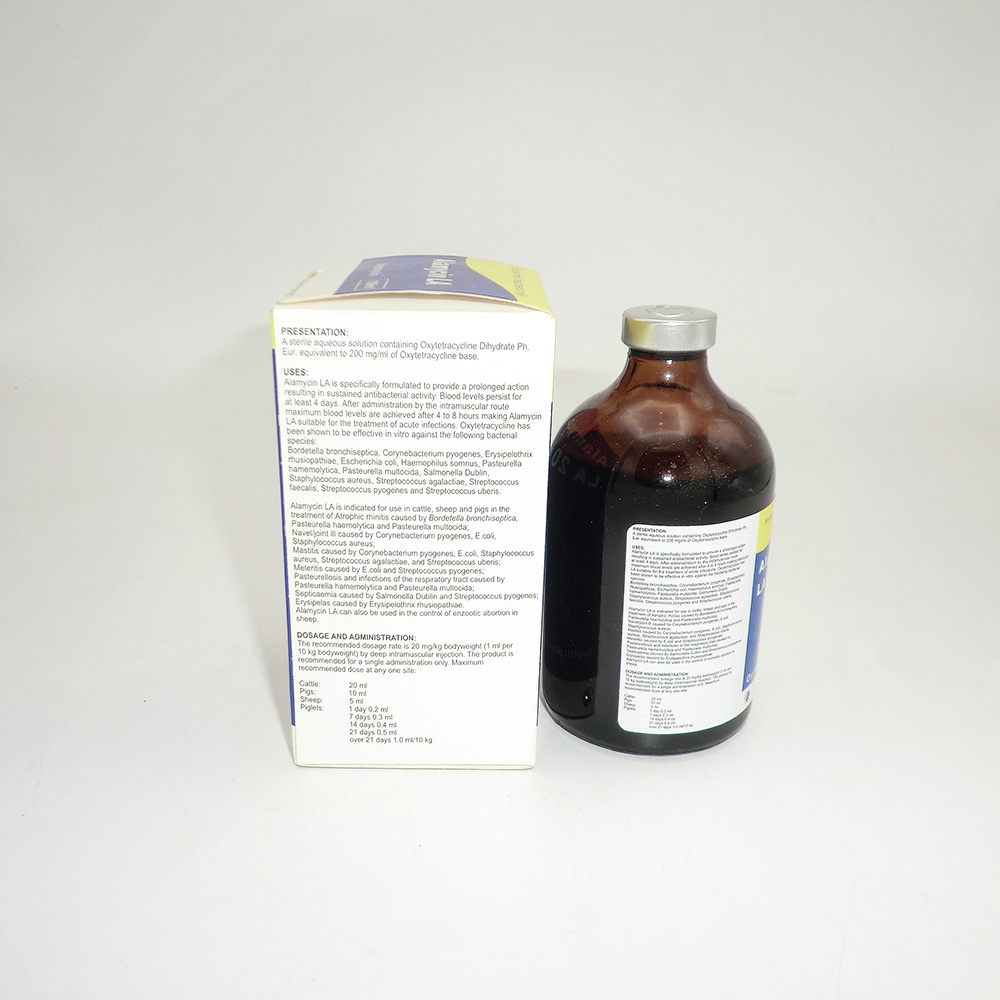
Understanding Vitum H Liquid Feed Concentrate for Livestock and Poultry: Why It Matters
If you’ve ever wondered how livestock and poultry farmers keep animals healthy and thriving—especially on a large scale—you’re probably not alone. One key secret here, surprisingly, is vitum h liquid feed concentrate for livestock and poultry. In a nutshell, it’s a nutrient-packed liquid supplement designed to boost growth, health, and productivity of farm animals. This seemingly simple product plays a critical role globally, especially as the world grapples with feeding a growing population sustainably. Understanding it can shed light not only on modern farming techniques but also food security, animal welfare, and economic stability in rural communities worldwide.
Mini takeaway: Vitum H offers a concentrated solution addressing livestock nutrition challenges—a cornerstone for healthy animals and food supply.
Why Vitum H Liquid Feed Concentrate Holds Global Relevance Today
Agriculture accounts for nearly 30% of global GDP and livestock itself represents over 40% of the agricultural GDP, according to the World Bank data from recent years. With around 80 billion farm animals worldwide, the stakes have never been higher for efficient and sustainable feeding strategies. Here’s the rub: traditional feed can be inconsistent in nutrients, costly, and sometimes impractical—especially in developing countries or during supply chain disruptions.
Vitum h liquid feed concentrate for livestock and poultry aims to bridge those gaps. Its global importance is underscored by increasing demand for animal proteins and pressures on natural resources. Adding to that, the FAO warns about climate change impacts on feed crop yields, pushing innovation towards nutrient-dense, stable supplements that can maintain livestock health even when basic feed is off balance. So, it’s not just another feed additive—it’s a piece of the puzzle in achieving both economic and environmental sustainability in animal husbandry.
Mini takeaway: This product provides a reliable, nutrient-rich option that addresses food security challenges and climate pressures worldwide.
What Exactly Is Vitum H Liquid Feed Concentrate for Livestock and Poultry?
Simply put, vitum h liquid feed concentrate is a specially formulated liquid supplement containing vitamins, minerals, amino acids, and sometimes probiotics designed specifically for livestock like cattle, sheep, and poultry such as chickens and turkeys. Unlike dry feed additives, this concentrate is easy to mix with water or existing feed, ensuring even distribution and faster absorption. It’s often used to correct nutrient deficiencies, boost immunity, increase feed conversion efficiency, or support animals during stressful periods like weaning, molting, or disease outbreaks.
From a humanitarian angle, vitum h concentrates are valuable in emergency livestock feeding in disaster zones or regions afflicted by drought or famine. Because livestock represent both livelihood and vital nutrition sources for many rural families, maintaining their health through such concentrated supplements can be a lifeline.
Mini takeaway: A versatile, bioavailable liquid supplement that plays a role in both commercial and humanitarian livestock care.
Core Aspects of Vitum H Liquid Feed Concentrate and Their Practical Impact
1. Nutrient Density and Composition
Vitum H is packed with essential micronutrients — including vitamin A, D3, E, B-complex vitamins, trace minerals like zinc and selenium, plus others tailored per animal species. This nutrient density means less volume is needed, which is handy for farmers managing multiple stock or limited storage.
2. Ease of Administration and Mixing
Because it’s liquid, vitum h is much easier to homogeneously mix into drinking water or feed rations. This ensures every animal gets a consistent dose, avoiding under- or overdosing that sometimes happens with powders or pellets.
3. Stability and Shelf Life
Many formulations are designed to remain stable even under temperature fluctuations common on farms—important when refrigeration is a luxury. This keeps nutrients active and effective longer.
4. Targeted Formulations for Species and Life Stages
Companies often customize vitum h concentrates for poultry layers, broilers, or bovine calves, accounting for unique metabolic demands. This means tailored support during critical periods like reproduction, growth spurts, or illness recovery.
5. Cost Efficiency
Though a liquid concentrate might seem pricier upfront than standard feed additives, the improved absorption and reduced waste often lead to lower overall feed costs and better animal productivity.
Mini takeaway: From nutrient balance to practical dosing, vitum h’s features reflect real-world farm needs.
Product Specifications at a Glance
| Specification | Details |
|---|---|
| Form | Liquid concentrate |
| Active Nutrients | Vitamins A, D3, E, B-complex; minerals Zn, Se, Cu |
| Dosage | Variable (0.5–2 ml per liter drinking water) |
| Shelf Life | 12 months (unopened, room temperature) |
| Packaging | 1L, 5L, and 20L containers |
| Suitable Species | Cattle, sheep, goats, poultry |
Where in the World Is Vitum H Used? Real-Life Applications
Oddly enough, you’ll find this liquid concentrate in surprisingly diverse settings. For instance, in parts of Sub-Saharan Africa, NGOs rely on vitum h to preserve animal health during drought periods, when forage quality plummets. In Europe and North America, commercial poultry farms incorporate it routinely for vitamin repletion during molting cycles to boost egg production.
Another interesting case: in remote mountainous regions of Asia, smallholder farmers often struggle with feed quality. Here, adding vitum h to loaned feed resources helps maintain herd vitality, safeguarding household incomes. The product’s portability and easy mixing allow it to fit well into local farming practices without complicated infrastructure.
Mini takeaway: From emergency relief to high-volume poultry operations, vitum h adapts globally to diverse farming needs.
Comparing Vendors: Which Vitum H Liquid Feed Concentrate Fits You Best?
| Feature | Brand A | Brand B | Brand C |
|---|---|---|---|
| Nutrient Range | Basic vitamins + minerals | Includes probiotics & enzymes | Enhanced vitamin complex |
| Shelf Life | 12 months | 18 months | 14 months |
| Suitable Animals | Cattle, sheep, poultry | Broad species, including pigs | Poultry specialized |
| Price per Liter | $15 | $22 | $18 |
| Availability | Global | Regional (EU, US) | Asia-Pacific focused |
Impressive Advantages and Long-Term Value of Using Vitum H
Beyond just better animal health, users report fewer veterinary costs, improved weight gain, and enhanced immunity against common diseases—saving both money and heartache. The sustainability angle is compelling, too: by improving feed efficiency, farms reduce waste and methane emissions, contributing to global climate goals.
Emotionally, farmers often say they feel more confident knowing their animals are getting precise nutrition, which translates into better food quality on our plates. It’s a mix of science and peace of mind working hand in hand.
Mini takeaway: Vitum H is an investment that pays off financially, environmentally, and emotionally for livestock caretakers.
Looking Ahead: Future Trends Influencing Vitum H Liquid Feed Concentrates
The industry is buzzing with ideas like bioengineered microbes to enhance nutrient bioavailability, AI-driven dosing systems that personalize supplements by animal condition, and greener packaging solutions to reduce plastic waste. Some companies are exploring formulas enriched with omega-3 fatty acids or antioxidants to add extra health value.
Digital transformation also means farmers might soon track feed supplementation in real-time on handheld devices, optimizing livestock nutrition dynamically rather than relying on fixed schedules.
Mini takeaway: Vitum H is evolving with technology and sustainability at its core, promising smarter and greener livestock nutrition.
Challenges to Consider and Paths to Solutions
It’s not all smooth sailing. Some hurdles include storage requirements in hot climates, ensuring consistent supply chains in developing regions, and farmer education for proper dosing. Some smaller farms hesitate due to upfront costs or unfamiliarity.
Yet, these challenges are being met through innovations like fortified packaging, local manufacturing to cut supply delays, and training programs—sometimes delivered via smartphone apps—to foster better uptake.
FAQ: Answers to Common Questions About Vitum H Liquid Feed Concentrate
- Q: How quickly can vitum h liquid feed concentrate improve animal health?
A: Most farmers observe improved vitality and feed efficiency within 7–14 days of consistent use, though results can vary based on existing animal health and stressors. - Q: Is vitum h safe for all kinds of livestock?
A: Formulations are generally species-specific; using poultry formulations for cattle is not recommended. Always follow product instructions to avoid overdosing. - Q: Can I mix vitum h concentrate directly into water tanks?
A: Yes, it is designed for easy mixing into water or feed; however, ensure proper dilution and regular cleaning of tanks to prevent bacterial growth. - Q: Does this product help during drought or feed scarcity?
A: Absolutely, as a nutrient-dense supplement, vitum h can partially offset poor forage quality or feed shortages, supporting animal health during tough times. - Q: How do I choose the right vitum h product?
A: Identify your livestock species, life stages, and specific needs, then pick a formulation tailored to those factors. Consulting a vet or animal nutritionist helps.
Wrapping Up: Why Investing in Vitum H Is a Smart Long-Term Move
To sum up: vitum h liquid feed concentrate for livestock and poultry isn’t just fancy jargon but a practical, impactful product supporting the lifeblood of global agriculture. It helps animals thrive, farmers preserve livelihoods, and ultimately ensures food security for all of us.
Interested in exploring more on how these concentrates function or sourcing options? Feel free to visit our site: vitum h liquid feed concentrate for livestock and poultry. There’s a world of innovation waiting to boost your farm or project.
References:
Post time: November 27, 2025