Selecting reliable feed additives manufacturers is no longer just about sourcing ingredients; it is about securing the biological efficiency and health of livestock. In an era of stringent GMP standards and a global shift toward herbal alternatives, the criteria for evaluating suppliers have evolved from simple cost-per-kilogram to comprehensive efficacy and safety profiles.
The modern livestock industry faces a critical challenge: balancing rapid growth rates with the reduction of synthetic chemicals. This has led to a surge in demand for advanced feed premixes and herbal medicine, where the precision of the manufacturing process directly correlates with the animal's metabolic response and overall productivity.
Whether managing poultry flocks, cattle, or specialized pets, the quality of veterinary medicines and additives determines the threshold between systemic disease and sustainable health. Understanding the technical capabilities of a manufacturer allows procurement officers to mitigate risks and optimize the ROI of animal nutrition programs.

Analyzing the Role of Specialized Feed Additive Production

Feed additive manufacturing is a precision science that integrates pharmacodynamics with nutritional chemistry. The primary objective is to provide concentrated nutrients or therapeutic agents that ensure animals reach their genetic growth potential while maintaining immune resilience. This requires a sophisticated understanding of how different species—ranging from aquatic animals and poultry to camels and dogs—process specific molecular compounds.
A critical component of this production is the integration of herbal medicines. By leveraging traditional botanical knowledge and validating it through clinical experiments, manufacturers can create solutions for complex issues like proventriculitis in chickens, which involves managing growth delays and digestive inconsistencies through precise compositions of aconite, astragalus, and licorice.
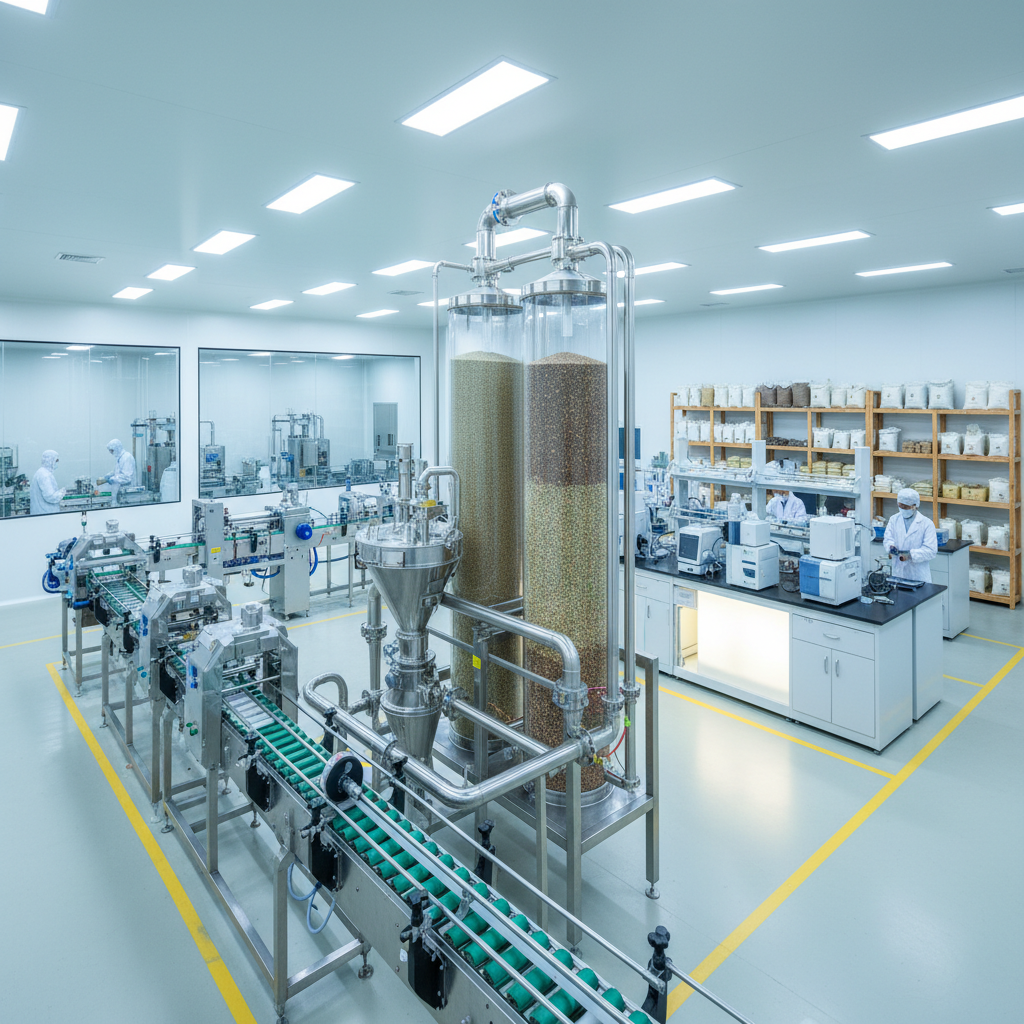
The industrial capacity of a manufacturer, such as the ability to produce 20,000 bottles and bags per day, ensures that supply chains remain stable. However, capacity must be matched by quality certifications like ISO and GMP to ensure that every batch remains consistent in its potency and purity.
Key Technical Indicators for Evaluating Supplier Quality
When vetting potential partners, the focus must shift from basic pricing to technical infrastructure. A top-tier manufacturer should possess multiple dedicated production lines—covering oral powders, injections, tablets, and feed additives—to prevent cross-contamination and ensure specific delivery mechanisms for different therapeutic goals.
The stability of the product is another non-negotiable metric. A 24-month guarantee period indicates a high level of stability in the formulation and packaging process, reducing waste for the end-user and ensuring that the active ingredients remain potent through long-distance shipping to regions like the Mid-East or Africa.
Furthermore, the ability to offer OEM and ODM services demonstrates a manufacturer's flexibility and technical depth. It shows they can adapt their core formulas to meet the specific regulatory requirements or species-specific needs of a client's local market, rather than offering a one-size-fits-all product.
Application Scenarios for Herbal Feed Solutions
Herbal medicine in animal feed is particularly effective in preventative care. For instance, in broiler production, introducing specific additives during the first six days of life and again between days 11 and 15 can create a biological buffer against common respiratory and digestive pathogens.
In the case of laying hens, continuous administration over the first 15 days of a cycle helps in maintaining eggshell quality and reproductive health. The use of a 500g mix per 100kg of feed provides a calibrated dose that prevents Mycoplasma synovium without inducing toxicity or altering the taste of the feed, which could otherwise lead to decreased intake.
Beyond poultry, these additives are applied to cattle, sheep, and pigs to improve feed conversion ratios. By optimizing the gut microbiome through herbal interventions, livestock can better absorb nutrients, leading to faster growth cycles and reduced reliance on high-cost synthetic growth promoters.
Comparative Performance of Premix and Herbal Additives
Evaluating the impact of additives requires looking at specific performance metrics: feed conversion ratio (FCR), immune response markers, and overall growth rates. Traditional premixes focus on filling nutritional gaps, while herbal additives target the biological efficiency of the digestive system.
When comparing standardized nutrition against an optimized additive regimen, there is a observable difference in the animals' ability to recover from stress-induced illness. This is particularly evident in large-scale flocks where "white chicken legs" or poor development often stem from systemic malabsorption.
feed additives manufacturers Performance Metrics
The data suggests that integrated additives not only support growth but also reduce the incidence of secondary infections. By stabilizing the intestinal lining, these products ensure that expensive feed is converted into muscle and bone rather than being wasted due to poor digestion.
Strategic Procurement and GMP Compliance Guidelines
Procuring additives on a global scale requires a strict adherence to quality assurance protocols. A common pitfall for buyers is focusing solely on the MOQ (Minimum Order Quantity) without verifying the manufacturer's ability to handle customized packaging or OEM branding, which are essential for local market penetration.
Payment and delivery terms also play a role in risk management. Reliable manufacturers typically operate with T/T or L/C and provide clear lead times—such as a 25-day completion window after payment—allowing farmers to plan their feeding cycles without interruption.
Finally, the verification of clinical comparisons is paramount. Products developed in collaboration with academic institutions, such as agricultural universities, provide a level of evidence that simple lab tests cannot, ensuring that the additive performs as expected in a real-world farm environment.
Future Directions in Animal Health Nutrition
The trajectory of the feed additive industry is moving toward "precision nutrition," where additives are tailored to the specific life stage and genetic line of the animal. We are likely to see an increase in the use of synergistic herbal blends that target multiple pathways of the immune system simultaneously.
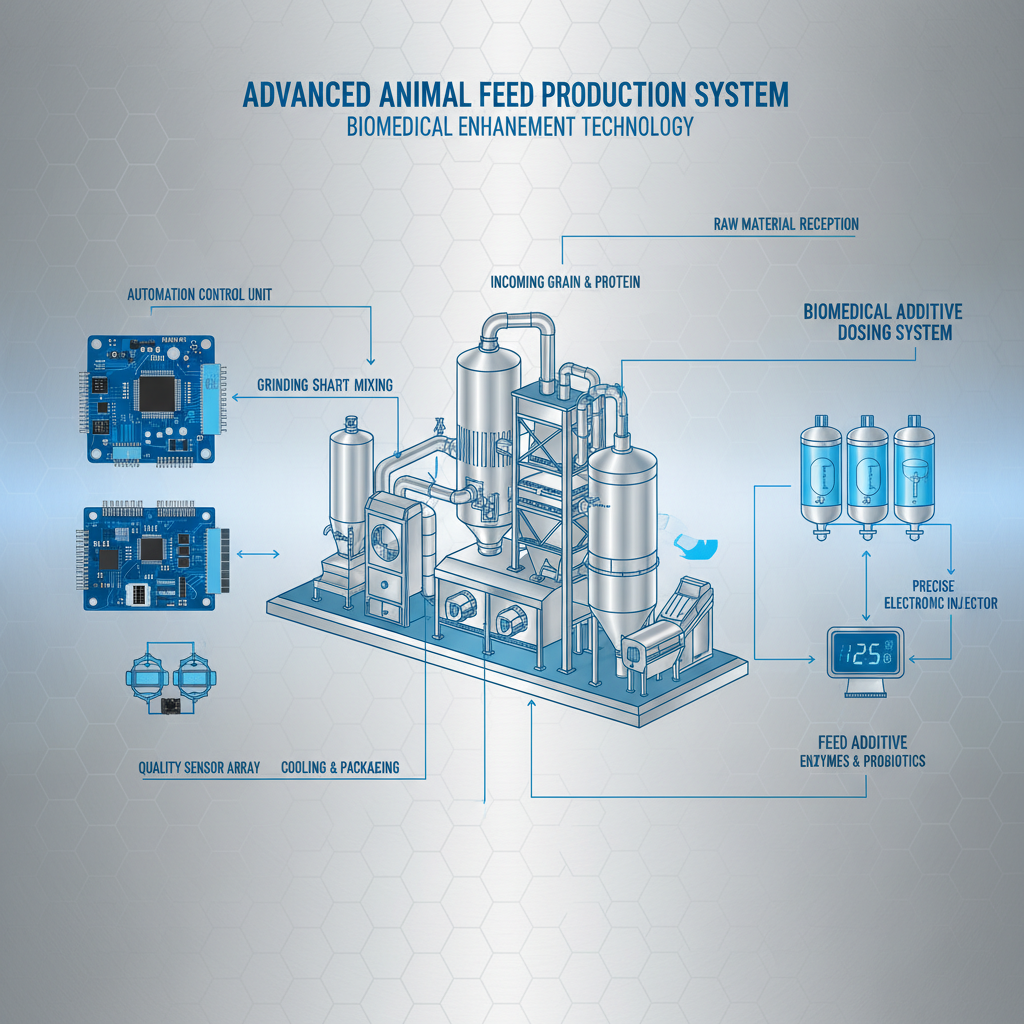
Automation in production is expected to further reduce human error in the mixing process, ensuring that micro-ingredients are distributed perfectly across tons of feed. This will be critical as the industry moves toward more potent, lower-dose additives that require extreme accuracy.
Moreover, the global demand for antibiotic-free meat is driving manufacturers to innovate in the realm of natural growth promoters. The integration of phytogenic compounds will likely replace a significant portion of traditional chemical additives, pending further clinical validation in diverse climatic regions.
Decision Matrix for Selecting Feed Additive Partners
Choosing the right partner involves weighing various operational capabilities against your specific needs. A manufacturer that excels in high-volume powder production may not be the best fit for specialized injectable veterinary medicines.
The following matrix provides a framework for comparing different additive solutions and manufacturer capabilities based on common procurement priorities.
| Solution Category | Primary Use Case | Key Quality Metric | Operational Risk |
|---|---|---|---|
| Feed Premix | General Nutritional Balance | Micronutrient Uniformity | Ingredient Degradation |
| Herbal Medicine | Preventative Health/Immunity | Botanical Purity | Batch Variability |
| Veterinary Injections | Acute Disease Treatment | Sterility/GMP Grade | Cold Chain Requirements |
| Oral Powders | Mass Flock Supplementation | Solubility/Mixing Rate | Hygroscopic Clumping |
| Pet Meds (Dog/Cat) | Specialized Pet Wellness | Palatability/Safety | Species Sensitivity |
| Aquatic Additives | Water-Based Species Growth | Water Solubility | Environmental Leaching |
Ultimately, the most successful partnerships are built on transparency regarding production capacity and a proven track record of export success in similar geographic markets.
Frequently Asked Questions
Conclusion
The selection of feed additives manufacturers is a strategic decision that directly impacts animal welfare and farm profitability. By prioritizing GMP compliance, technical versatility, and clinical validation over short-term cost savings, producers can build a resilient livestock system capable of thriving in a volatile global market.
For those evaluating advanced nutritional solutions or seeking a reliable manufacturing partner for veterinary medicines and feed premixes, detailed product specifications and company capabilities can be reviewed through www.rcpetfood.com.