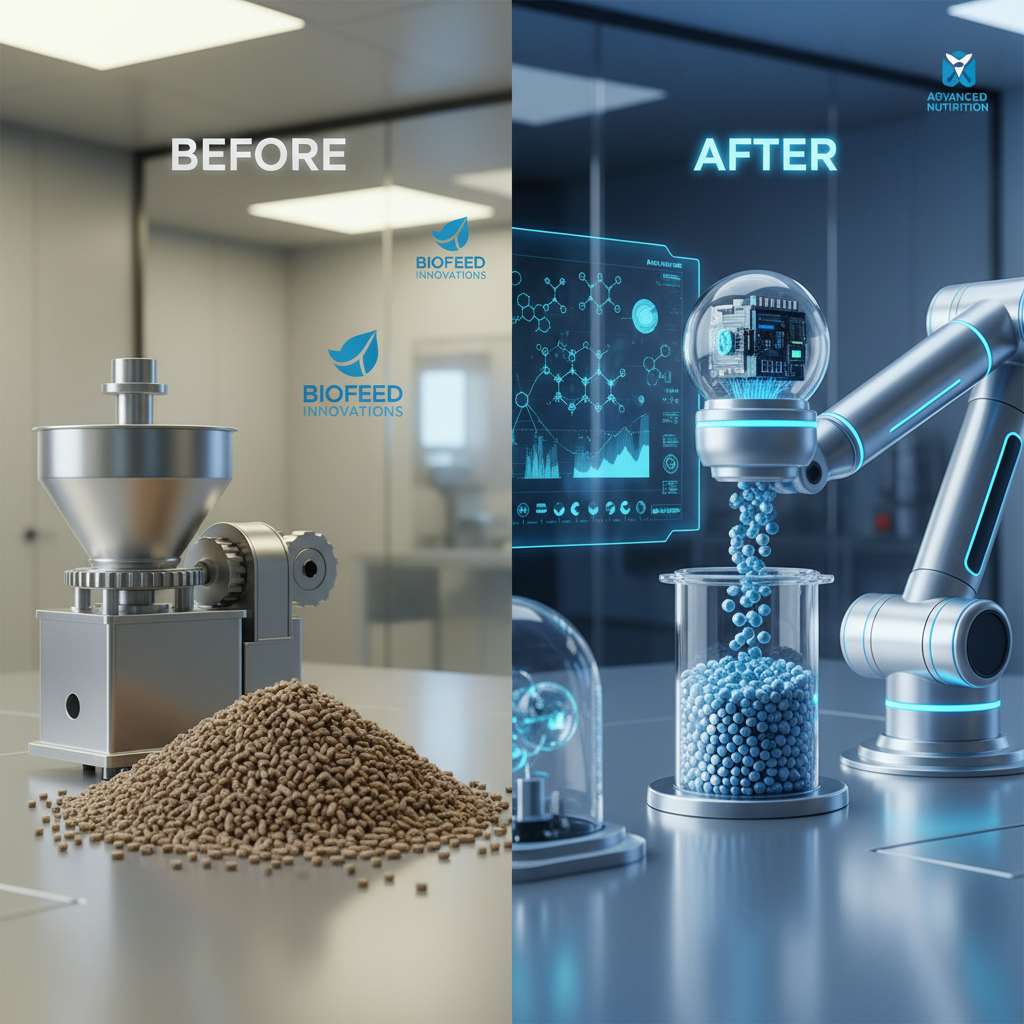
Animal feed premix manufacturers are critical components of the modern agricultural supply chain, ensuring livestock receive balanced nutrition for optimal health and productivity. Globally, the demand for animal protein is steadily increasing, driven by population growth and changing dietary preferences. This demand necessitates efficient and reliable feed production, where premixes play a vital role in delivering essential vitamins, minerals, amino acids, and other nutrients. Understanding the intricacies of this sector is paramount for stakeholders across the food industry, from farmers to processors and retailers.
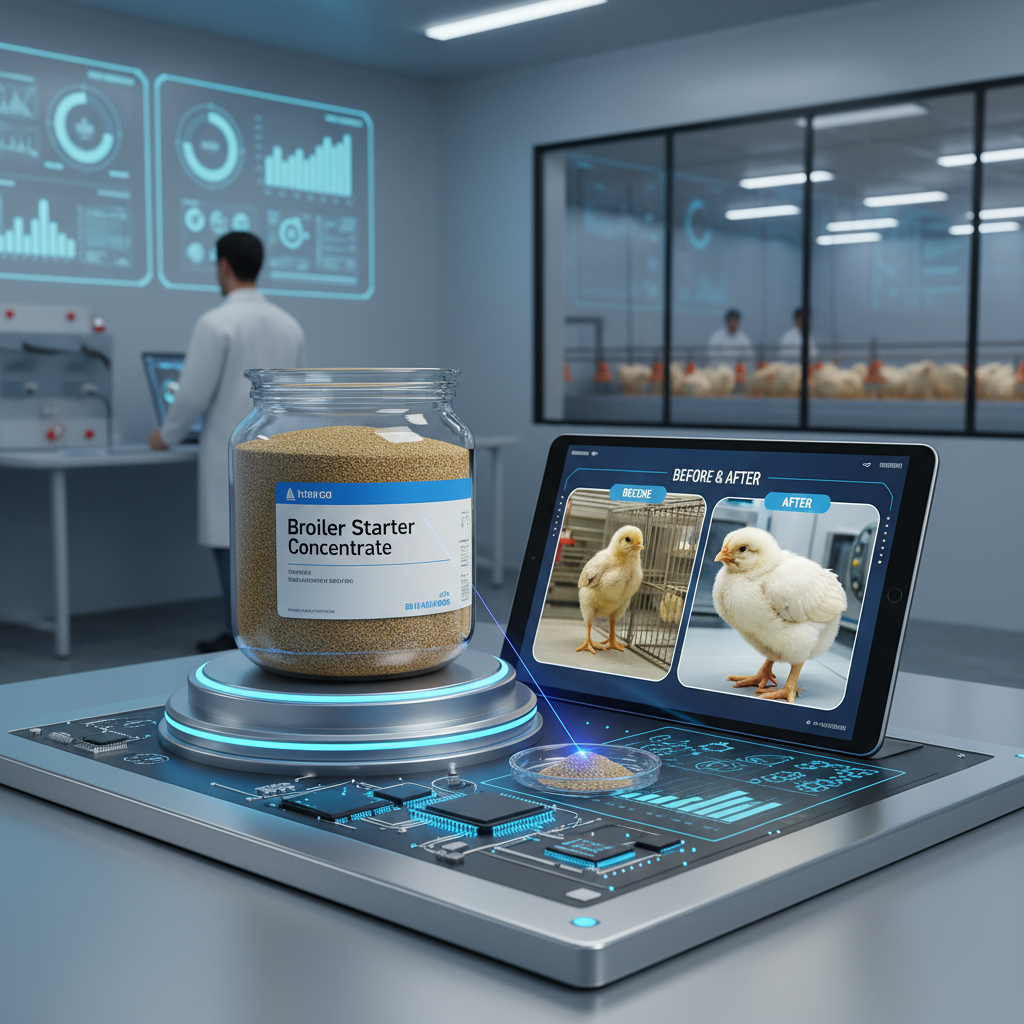
The significance of animal feed premix manufacturers extends beyond mere nutritional supplementation. They contribute directly to food security by enhancing animal growth rates, improving feed conversion ratios, and reducing disease incidence. A well-formulated premix can significantly impact the quality and safety of animal products, ultimately benefiting human health. The industry is continually evolving, driven by innovations in nutrient delivery systems and a growing emphasis on sustainable and traceable feed ingredients.
Furthermore, the rise of precision livestock farming and customized feed formulations has increased the demand for specialized premixes tailored to specific animal needs and production goals. This trend underscores the importance of collaboration between animal feed premix manufacturers and farmers to optimize animal performance and minimize environmental impact. animal feed premix manufacturers are adapting to these challenges with advanced technologies and a commitment to quality and innovation.
The Role of Animal Feed Premix Manufacturers in Global Nutrition
Animal feed premix manufacturers are central to ensuring sufficient and nutritious feed supplies for livestock globally. They don’t produce the bulk feed ingredients like corn or soybeans, but rather the concentrated blends of micro-ingredients – vitamins, minerals, amino acids, enzymes, and other additives – that are essential for animal health, growth, and productivity. Without these precisely formulated premixes, achieving optimal animal performance and consistent product quality would be extremely challenging.
The influence extends to a broad range of animal species, including poultry, swine, ruminants (cattle, sheep, goats), and aquaculture. Each species has unique nutritional requirements, necessitating specialized premix formulations. animal feed premix manufacturers invest heavily in research and development to create tailored solutions that meet these diverse needs.
Defining Animal Feed Premix Manufacturing
Animal feed premix manufacturing is the process of precisely blending micro-ingredients, such as vitamins, minerals, amino acids, enzymes, and other additives, into a concentrated form. This concentrate is then added to bulk feed ingredients like grains and protein meals to create a complete and balanced animal feed. The core aim is to overcome nutrient deficiencies in the base feed and provide animals with the necessary building blocks for healthy growth, reproduction, and overall well-being.
The industry is heavily regulated, with stringent quality control measures in place to ensure product safety and efficacy. Manufacturers must adhere to guidelines established by organizations like the Food and Drug Administration (FDA) and the Association of American Feed Control Officials (AAFCO). Traceability is also paramount, allowing for the identification of ingredient sources and ensuring accountability throughout the supply chain.
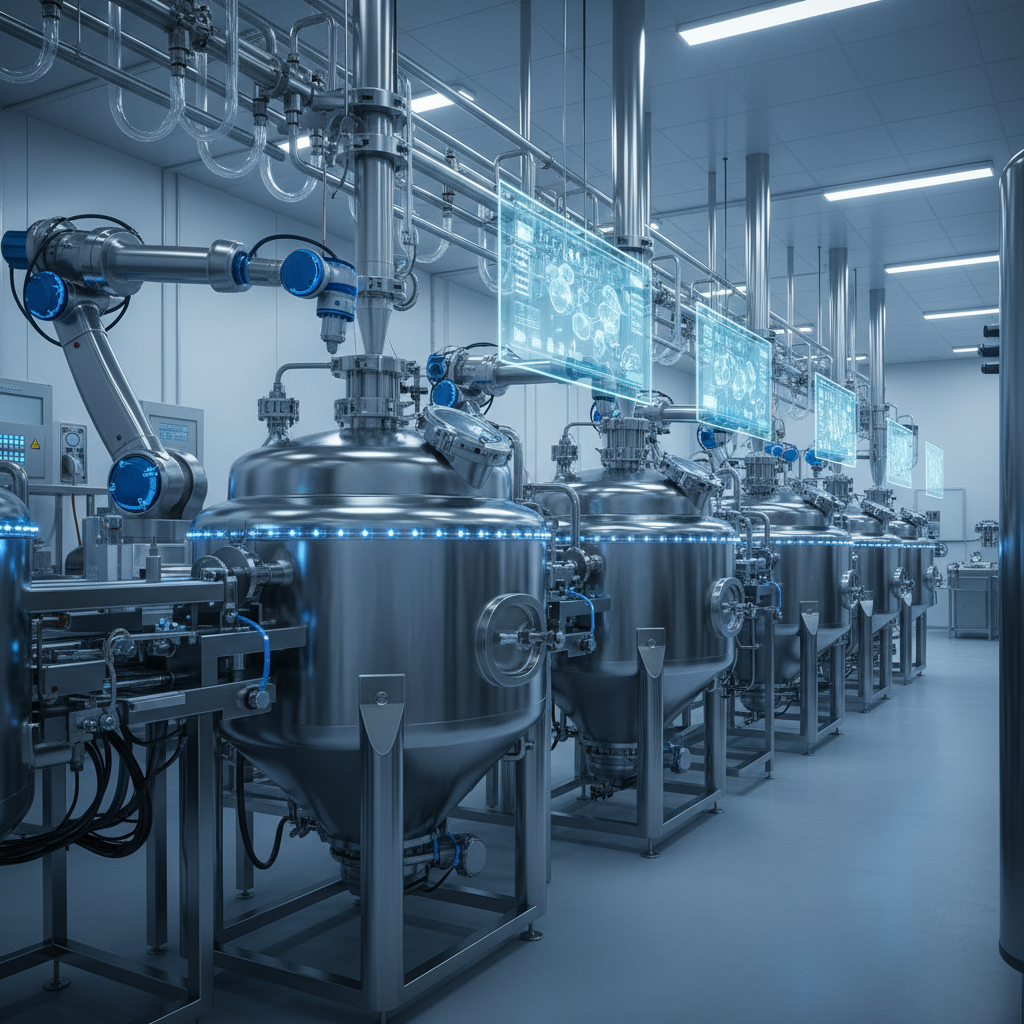
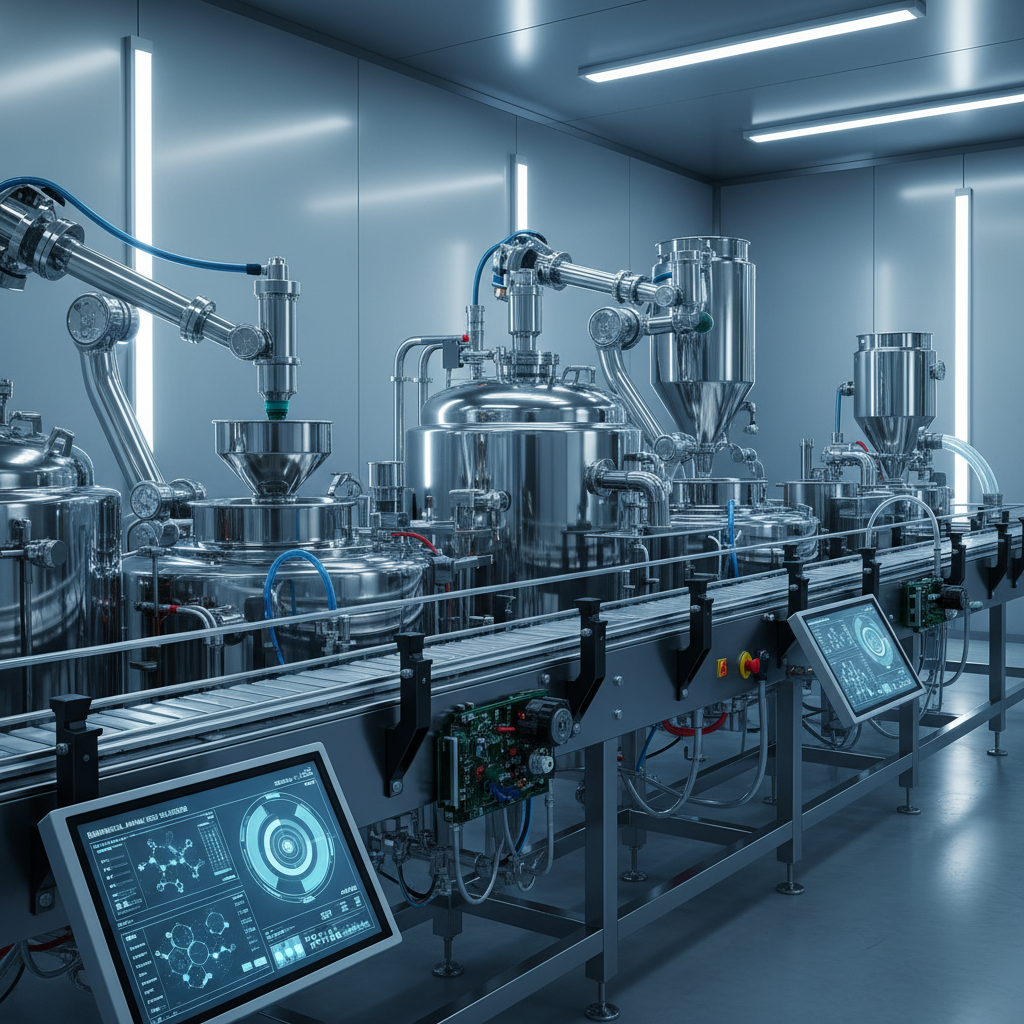
Modern premix manufacturing increasingly relies on advanced technologies like computer-controlled blending systems and automated packaging lines, ensuring accuracy, consistency, and efficiency. animal feed premix manufacturers are often vertically integrated, handling everything from raw material sourcing to final product distribution.
Core Components of Premix Production
The foundation of any effective animal feed premix lies in the careful selection of high-quality ingredients. Vitamins, sourced from chemical synthesis or natural extraction, provide essential micronutrients. Minerals, often in the form of sulfates, oxides, or chelates, contribute to skeletal development, enzyme function, and electrolyte balance. Amino acids, particularly lysine, methionine, and threonine, are crucial for protein synthesis and muscle growth.
Beyond these core components, specialized additives often enhance premix functionality. Enzymes improve nutrient digestibility, probiotics support gut health, and antioxidants protect against oxidative stress. Careful consideration is given to ingredient compatibility and stability to ensure optimal performance and shelf life. animal feed premix manufacturers continually research and incorporate new ingredients to address evolving animal nutritional needs.
The manufacturing process itself involves precise weighing, blending, and packaging. Homogeneity is critical, ensuring that each batch of premix contains a uniform distribution of all ingredients. Quality control laboratories play a vital role, conducting rigorous testing to verify ingredient purity, nutrient levels, and physical characteristics.
Key Factors Influencing Premix Quality
Maintaining consistently high premix quality requires meticulous attention to several critical factors. Ingredient sourcing is paramount; reputable suppliers providing certified materials are essential. Precise formulation and blending accuracy are also crucial, as even slight deviations can impact nutrient levels and animal performance.
Storage and handling procedures significantly affect premix stability. Ingredients must be protected from moisture, heat, and light, which can degrade nutrient potency. Regular quality control testing, encompassing chemical analysis and physical evaluations, is vital for verifying product integrity throughout the shelf life.
Premix Quality Assessment – Key Factors
Global Applications and Industry Sectors
Animal feed premix manufacturers serve a diverse range of industry sectors worldwide. Poultry production represents a significant portion of the demand, with premixes formulated to optimize growth, egg production, and feed efficiency. The swine industry also relies heavily on premixes to support growth, reproduction, and carcass quality.
The ruminant sector (cattle, sheep, goats) utilizes premixes to enhance milk production, improve fertility, and prevent mineral deficiencies. Furthermore, aquaculture, the farming of aquatic organisms, increasingly relies on specialized premixes to support fish and shrimp health and growth. In post-disaster relief operations, animal feed premix manufacturers can provide emergency feed solutions for livestock.
Advantages and Long-Term Value Proposition
The advantages of utilizing high-quality animal feed premixes are substantial. Improved animal health and productivity translate directly into increased profitability for farmers. Enhanced feed conversion ratios reduce feed costs, while minimized disease incidence lowers veterinary expenses. The long-term value lies in the sustainable improvement of livestock production systems.
Beyond economic benefits, premixes contribute to food safety and quality. Optimizing animal nutrition enhances the nutritional content of animal products, benefiting human health. By reducing reliance on antibiotics and other growth promoters, premixes promote responsible animal husbandry practices. The trust and reliability offered by established animal feed premix manufacturers are essential for maintaining consumer confidence.
Future Trends and Innovation in Premix Technology
The animal feed premix industry is undergoing a period of rapid innovation. Precision nutrition, tailored to the specific needs of individual animals or groups, is gaining traction, fueled by advancements in data analytics and diagnostic tools. Microencapsulation technology is being used to protect sensitive nutrients from degradation and enhance their bioavailability.
Sustainability is also a key driver of innovation, with increasing demand for alternative protein sources, reduced environmental impact, and traceable supply chains. The integration of digital technologies, such as blockchain, is improving transparency and traceability throughout the premix manufacturing process.
Furthermore, research into novel ingredients, such as algae-derived nutrients and insect proteins, holds promise for developing more sustainable and efficient premix formulations.
Summary of Key Challenges and Opportunities in Animal Feed Premix Manufacturing
| Challenge Area |
Impact on Premix Quality |
Potential Solution |
Investment Required |
| Raw Material Sourcing |
Variable ingredient quality & traceability |
Establish long-term supplier relationships & implement stringent quality audits |
Moderate (auditing, supplier development) |
| Blending Accuracy |
Inconsistent nutrient distribution |
Invest in automated blending systems & real-time monitoring |
High (equipment, software) |
| Shelf Life Stability |
Nutrient degradation over time |
Utilize protective coatings & optimized packaging materials |
Moderate (research, packaging) |
| Regulatory Compliance |
Risk of non-compliance & product recalls |
Implement robust quality management systems & stay updated on regulations |
Low-Moderate (training, documentation) |
| Sustainability Concerns |
Environmental impact of ingredient production |
Source sustainable ingredients & reduce waste |
Moderate-High (sourcing, process changes) |
| Digital Traceability |
Lack of transparency in supply chain |
Implement blockchain or other tracking technologies |
High (technology implementation, data management) |
FAQS
The shelf life of a properly stored animal feed premix typically ranges from 12 to 24 months, depending on the ingredients and packaging. It’s crucial to store premixes in a cool, dry place, protected from sunlight and moisture. Regularly checking the expiration date and visual appearance is recommended. Proper storage prevents nutrient degradation and maintains product efficacy, ensuring optimal animal health and performance.
Animal feed premix manufacturers employ rigorous quality control measures to ensure consistency. This includes sourcing ingredients from approved suppliers, conducting thorough incoming ingredient inspections, utilizing precise blending equipment, and performing regular laboratory testing of finished products. They adhere to strict GMP (Good Manufacturing Practices) standards and often implement statistical process control to monitor and maintain product uniformity across batches.
Microencapsulation is a process where sensitive ingredients, like vitamins or enzymes, are coated with a protective layer. This protects them from degradation due to heat, oxidation, or interactions with other feed components. It also allows for controlled release of the nutrients in the animal's digestive system, improving bioavailability and enhancing their effectiveness, leading to better animal performance.
Farmers should consult with a qualified animal nutritionist or veterinarian to determine the appropriate premix for their livestock. The selection process should consider factors such as animal species, age, production stage, diet composition, and specific nutritional needs. Regular feed analysis and monitoring animal performance indicators are also essential for optimizing premix formulation.
Key regulations include those established by the FDA (Food and Drug Administration) and AAFCO (Association of American Feed Control Officials). These regulations cover ingredient approval, labeling requirements, manufacturing practices, and quality control standards. Manufacturers must adhere to these guidelines to ensure product safety, efficacy, and legal compliance, protecting both animal and human health.
Many manufacturers are actively sourcing sustainable ingredients, reducing waste through efficient production processes, and minimizing their environmental footprint. They are exploring alternative protein sources, utilizing renewable energy, and implementing traceability systems to ensure responsible sourcing. Emphasis is placed on reducing packaging waste and promoting circular economy principles within the supply chain.
Conclusion
In conclusion, animal feed premix manufacturers play a crucial, often unseen, role in ensuring the global food supply. Their commitment to precise formulation, rigorous quality control, and continuous innovation is essential for optimizing animal health, improving production efficiency, and supporting sustainable agricultural practices. From optimizing nutrient delivery to addressing emerging challenges like antibiotic resistance, these manufacturers are at the forefront of advancements in animal nutrition.
Looking ahead, the industry is poised for further growth and innovation, driven by advancements in precision nutrition, sustainability initiatives, and digital technologies. Investing in research and development, fostering collaboration between manufacturers and farmers, and embracing responsible manufacturing practices will be key to unlocking the full potential of animal feed premix technology. To learn more about our solutions and commitment to quality, visit our website: www.rcpetfood.com