Understanding Types of Feed Additives in Animal Nutrition: A Vital Ingredient in Global Food Security
Have you ever paused to think what ensures that livestock not only survive but thrive to meet the world's demand for meat, dairy, and eggs? It’s no secret that animal nutrition plays a massive role, and tucked quietly inside that realm are feed additives. These little helpers can make or break animal health, growth efficiency, and even environmental sustainability. Globally, as populations swell and dietary demands increase, understanding the types of feed additives in animal nutrition is nothing short of essential. Not only do these additives optimize feed efficiency, but they also help reduce waste and improve animal welfare — benefits that resonate across farming systems, economies, and ecosystems alike.
Oddly enough, while many focus on what animals eat, the real magic often lies in how what they eat is supplemented. So, let’s unpack these feed additives, looking at why the world leans on them, and how they're shaping the future of sustainable animal agriculture.
Why Feed Additives Matter Globally
According to the Food and Agriculture Organization (FAO), global meat and dairy consumption has nearly doubled over the last three decades. This surge places enormous pressure on production systems to be both efficient and sustainable. Feed additives, therefore, step in as silent champions, improving feed conversion ratios and nutrition delivery in livestock. However, challenges like feed scarcity, environmental constraints, and disease outbreaks persist — further heightening the importance of carefully tailored feed additive programs.
Experts estimate that feed additives contribute to increasing feed efficiency by 5-15%, a sizable improvement when you think about it on an industrial scale. It’s not just a matter of economics; there’s a bigger environmental footprint issue in play. With the rise of climate-smart agriculture policies endorsed by bodies like UNEP and ISO standards committees, optimizing animal diets using feed additives supports broader global commitments to reduce greenhouse gases and antibiotic resistance.
Mini Takeaway:
- Animal nutrition worldwide relies on feed additives to meet rising food demands sustainably.
- Feed additives improve feed efficiency and reduce environmental impact.
- They address critical global challenges such as food security and disease management.
What Exactly Are Feed Additives in Animal Nutrition?
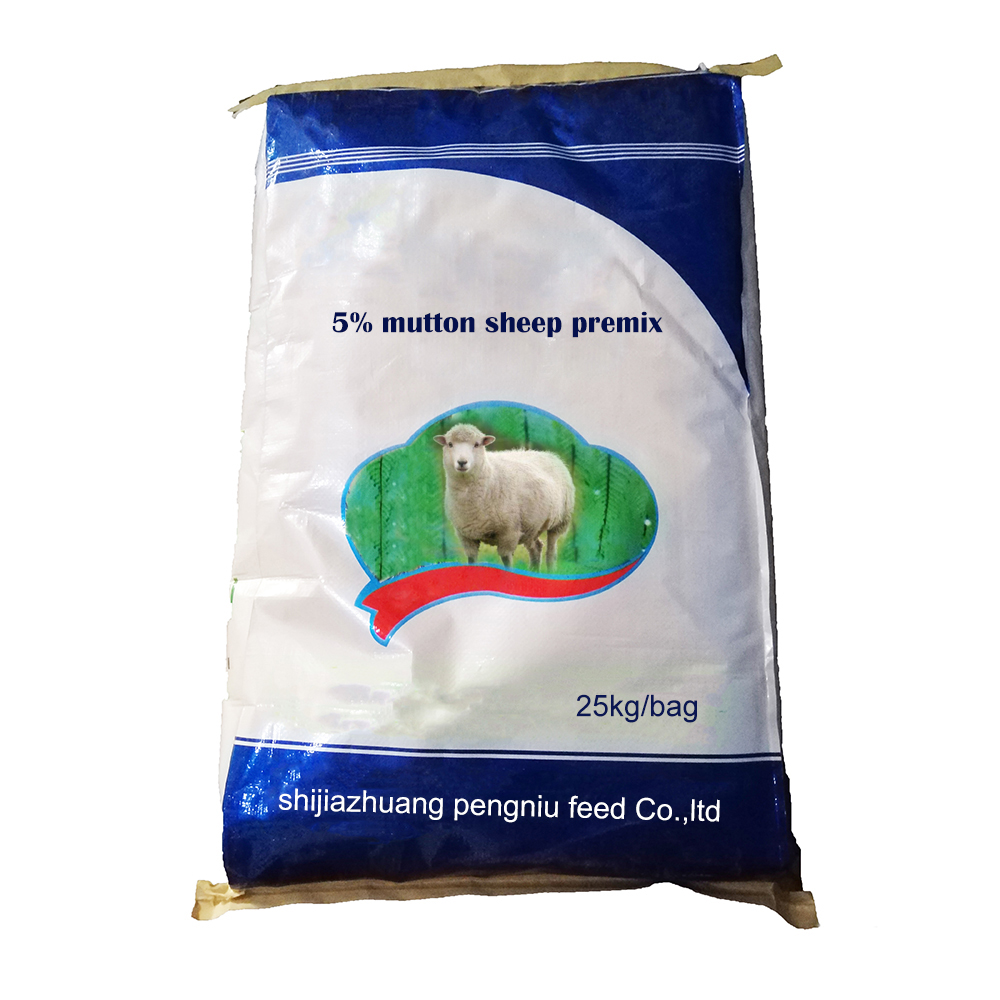
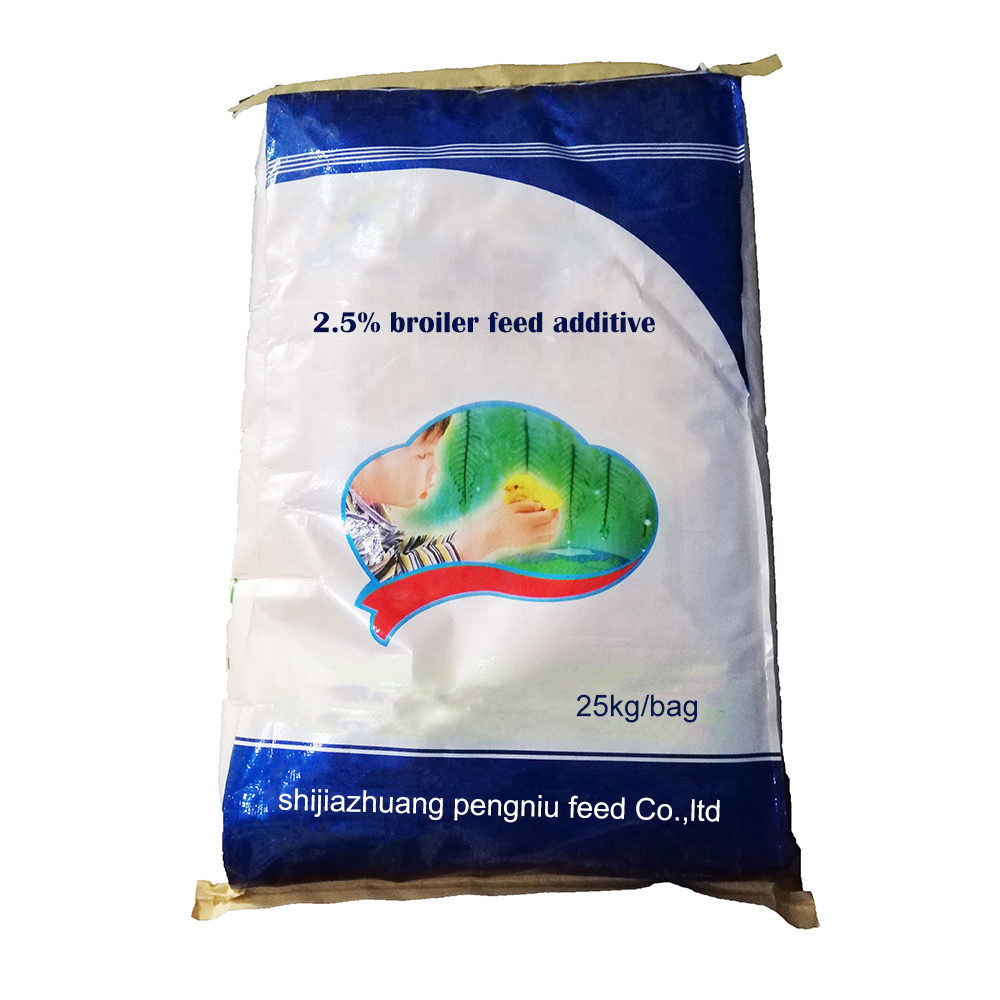
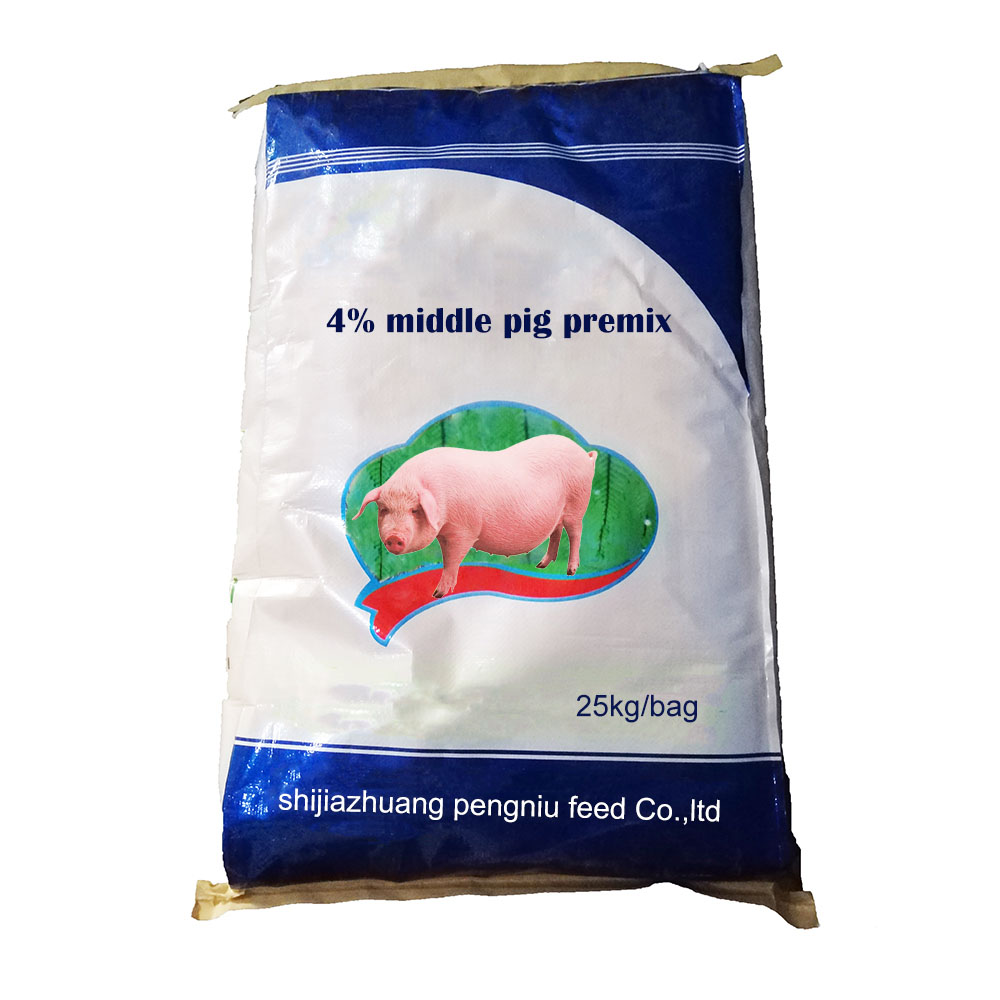
In simplest terms, feed additives are substances added to livestock feed beyond standard nutrients, designed to improve the quality, safety, and nutritional value of the feed or to positively affect animal health and growth performance. They can range from enzymes and vitamins to antibiotic alternatives and flavor enhancers.
Think of a feed additive as a dietary "performance booster." They don't replace the core nutritional ingredients like protein or fiber but work alongside them to maximize digestion, bolster immunity, and even reduce harmful emissions from manure.
Why does this matter in today’s context? Well, modern animal agriculture is increasingly challenged by intensification, climate change, and a greater public focus on animal welfare. Feed additives align with these trends by promoting healthier animals with fewer antibiotics and less environmental waste, a win-win from farm to fork.
Mini Takeaway:
- Feed additives complement basic nutrition to improve livestock growth and health.
- They play a key role in reducing antibiotic use and promoting sustainable farming.
Key Types of Feed Additives and Their Core Functions
1. Nutritional Additives
These include vitamins, minerals, and amino acids that support essential physiological functions. For example, vitamin E boosts antioxidant levels, improving immunity and meat quality.
2. Sensory Additives
Flavorings and colorants that make feed more palatable to animals, encouraging consistent intake and better growth rates.
3. Zootechnical Additives
Probiotics, prebiotics, and enzymes that enhance digestion and nutrient absorption while promoting gut health.
4. Technological Additives
Preservatives and antioxidants that extend feed shelf life, preventing spoilage and loss of nutrients.
5. Medicinal Additives
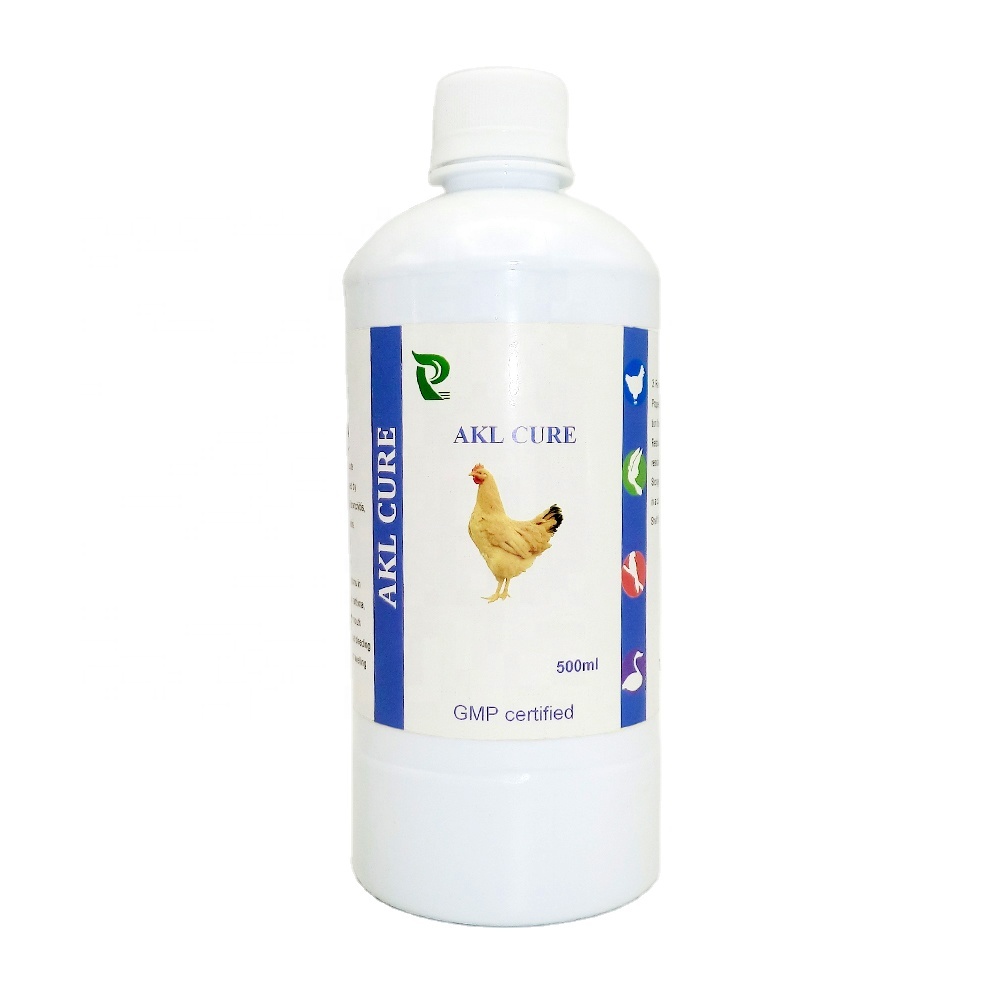
Antibiotic alternatives like phytogenics and organic acids designed to prevent disease and reduce pathogen load without contributing to resistance.
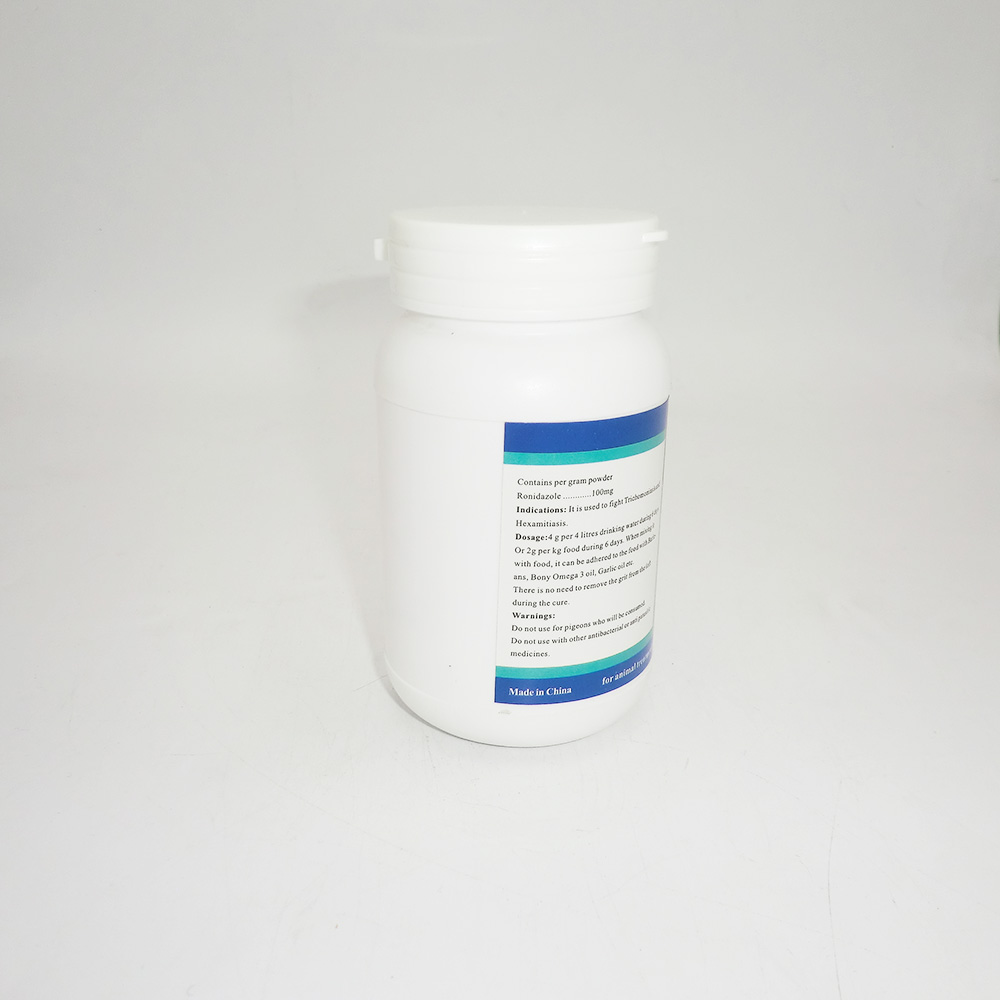
6. Coccidiostats and Histomonostats
Special additives that control parasites in poultry and other livestock, critical in intensive farming areas.
Mini Takeaway:
- The diversity of feed additives targets specific nutritional, health, and storage issues.
- Choosing the right additives depends on species, production goals, and geographic conditions.
Global Applications and Use Cases
Feed additives find application in every major livestock sector worldwide, from dairy cows in Europe to poultry farms in Southeast Asia and cattle ranches in South America. In regions with limited access to diverse feedstuffs, additives enhance local feed resources, improving productivity without expanding land use.
For instance, in drought-prone regions of sub-Saharan Africa, feed additives that enhance digestibility enable farmers to use crop residues and low-quality forages more efficiently. Similarly, in intensive poultry operations in the United States, feed additives mitigate disease risk and promote rapid growth, reducing production costs and boosting supply chain reliability.
Relief organizations occasionally deploy nutrient-enriched feed additives in animal nutrition during famines or emergencies to sustain livestock and secure livelihoods. This underscores the socio-economic importance beyond commercial farming.
Mini Takeaway:
- Feed additives adapt to regional conditions, helping address local nutritional challenges.
- They serve industries from small-scale farms to large commercial operations and humanitarian efforts alike.
Advantages and Long-Term Value of Feed Additives
Where do I even start? For farmers, it translates into better weight gain, reduced feed waste, and healthier animals, which means higher profits. For the planet, fewer emissions and less pressure on natural resources. Emotionally, there is a sense of doing right by the animals — promoting dignity and reducing disease suffering.
Technically speaking, improving feed efficiency means the animal converts less feed into one kilogram of meat, milk, or eggs, saving resources. Some additives even boost the immune system, reducing the need for antibiotics — which helps tackle the global antibiotic resistance crisis, a major health threat recognized by WHO.
Mini Takeaway:
- Feed additives offer economic benefits through improved production metrics.
- They contribute to environmental sustainability and public health goals.
- They positively impact animal welfare in tangible ways.
Emerging Trends and Innovations
Technology is shaking up animal nutrition in fascinating ways. Digital sensors and AI algorithms optimize feed additive dosages based on real-time animal health data — a far cry from the one-size-fits-all approach. There’s also a big push towards plant-based and natural additives, reflecting consumer demand for “clean label” animal products.
Researchers develop enzyme blends that break down fiber more efficiently, making alternative feed ingredients like agricultural byproducts viable at scale. Some companies invest in probiotics that not only improve digestion but also reduce methane emissions, key for climate change mitigation.
Mini Takeaway:
- Smart agriculture technologies enable more precise and eco-friendly additive application.
- Innovation focuses on sustainability, natural sources, and climate impact reduction.
Common Challenges and Practical Solutions
Of course, feed additives aren't a silver bullet. Variability in raw materials, regulatory hurdles, and cost constraints often limit their use. Some small-scale farmers find additives expensive or difficult to source. There’s also skepticism about benefits, especially where results vary.
Addressing these challenges requires education, government support, and transparent research. Cooperative purchasing schemes and localized additive formulation can bring costs down. Meanwhile, international standards like those from ISO help harmonize quality and safety, building trust.
Practical FAQ About Types of Feed Additives in Animal Nutrition
- What types of feed additives are best for improving poultry growth?
- Enzymes, probiotics, and vitamin-mineral premixes are commonly used to enhance digestion and immunity in poultry, leading to faster growth and better feed conversion ratios.
- Are natural feed additives as effective as synthetic ones?
- Natural additives like plant extracts and probiotics can be effective and are increasingly preferred for sustainability and consumer appeal, but effectiveness depends on formulation, dosage, and livestock species.
- How do feed additives reduce environmental impact?
- Some additives improve nutrient absorption, reducing waste excretion, while others lower methane emissions in ruminants, contributing to lower greenhouse gas outputs.
- Can feed additives help reduce antibiotic use in livestock?
- Yes. Alternatives such as probiotics, organic acids, and phytogenics enhance animal health and resilience, lowering reliance on antibiotics.
- What factors should be considered before selecting a feed additive?
- Species, production stage, local conditions, additive safety, and cost are key factors; consulting with a nutritionist is recommended for tailored solutions.
Quick Reference Tables: Specifications and Vendor Comparisons
| Additive Type | Function | Typical Dosage | Target Species |
|---|---|---|---|
| Probiotics | Improve gut flora, digestion | 10^7-10^9 CFU/kg feed | Poultry, swine, ruminants |
| Enzymes | Break down fiber or anti-nutrients | 500-2000 U/kg feed | Poultry, swine |
| Vitamin-mineral premix | Provide essential micronutrients | Varies by species | All livestock |
| Organic acids | Preserve feed, reduce pathogens | 1-3 g/kg feed | Poultry, swine |
| Vendor | Product Range | Key Strength | Global Reach | Pricing |
|---|---|---|---|---|
| VetAgro International | Enzymes, probiotics, acids | High R&D innovation | Worldwide | Premium |
| GreenLiv Feeds | Natural additives, phytogenics | Organic product focus | Europe, Asia | Mid-range |
| NutriSphere | Mineral premixes, preservatives | Cost-effective solutions | Asia-Pacific | Economical |
Final Thoughts: Why Feed Additives Are Here to Stay
In the grand scheme, these humble supplements reflect a larger story — one of innovation, responsibility, and care in animal agriculture. The types of feed additives in animal nutrition aren’t just ingredients; they are enablers of a healthier food system, better animal welfare, and more sustainable farming practices worldwide.
Whether you’re a farmer looking to optimize your herd or a policymaker aiming for food security, understanding and leveraging these additives will undoubtedly pay off. And if you want to dive deeper into the world of types of feed additives in animal nutrition and their practical applications, visit our website for expert insights and product solutions.
References
Post time: November 25, 2025