Understanding Nutritive Feed Additives: A Global Perspective
In an age where feeding a growing population sustainably remains one of humanity’s greatest challenges, nutritive feed additives have quietly become unsung heroes in animal nutrition. But why all the fuss over these seemingly tiny compounds? In simple terms, they’re specialized ingredients added to animal feed to improve nutrient content, boost growth performance, and support animal health—crucial in both industrial farming and food security strategies worldwide.
Globally, the demand for meat, dairy, and eggs continues to rise. According to the Food and Agriculture Organization (FAO), animal-based food production must nearly double by 2050 to meet world needs. Nutritive feed additives help make this possible by enhancing feed efficiency and reducing environmental strain. From cutting feed costs to minimizing waste, these additives pack a punch far beyond their tiny dosage. I often think of them as the secret sauce in modern agriculture's recipe.
Mini takeaway: Nutritive feed additives aren’t just about boosting growth—they play a vital role in shaping food sustainability worldwide.
What Exactly Are Nutritive Feed Additives?
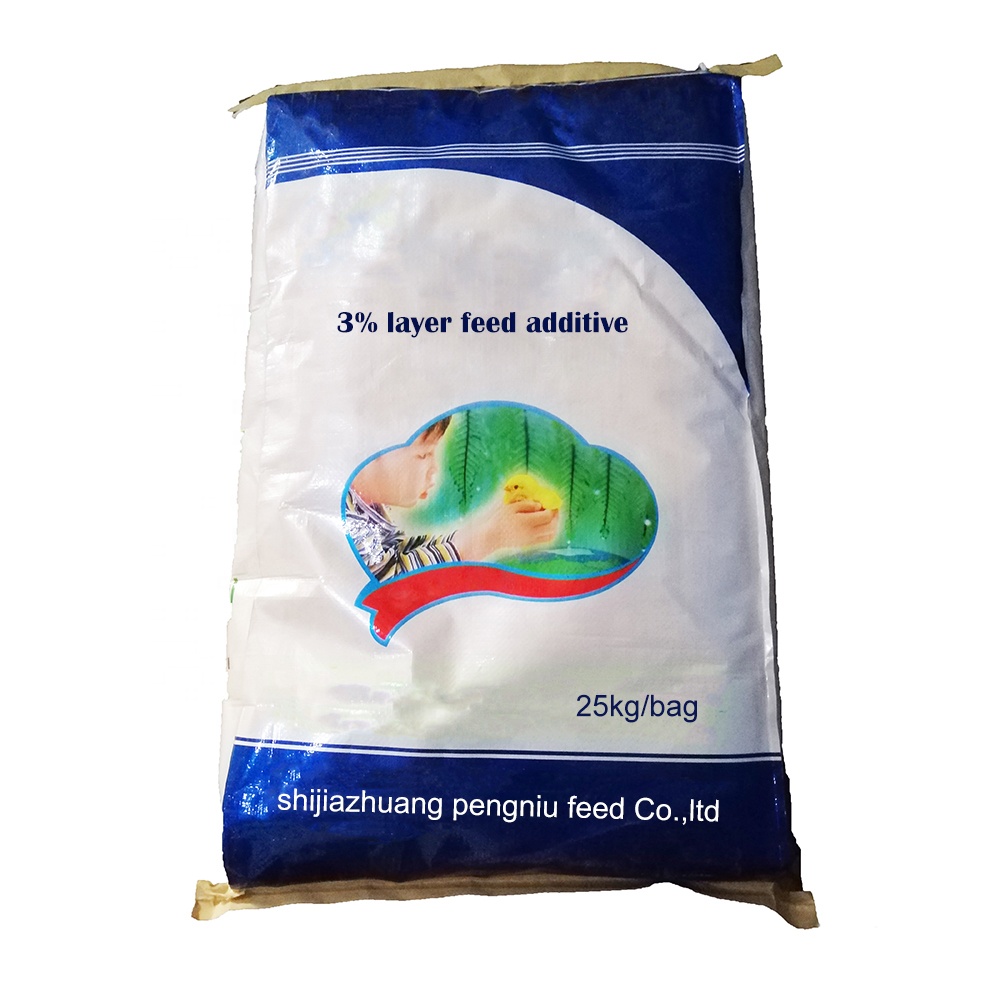
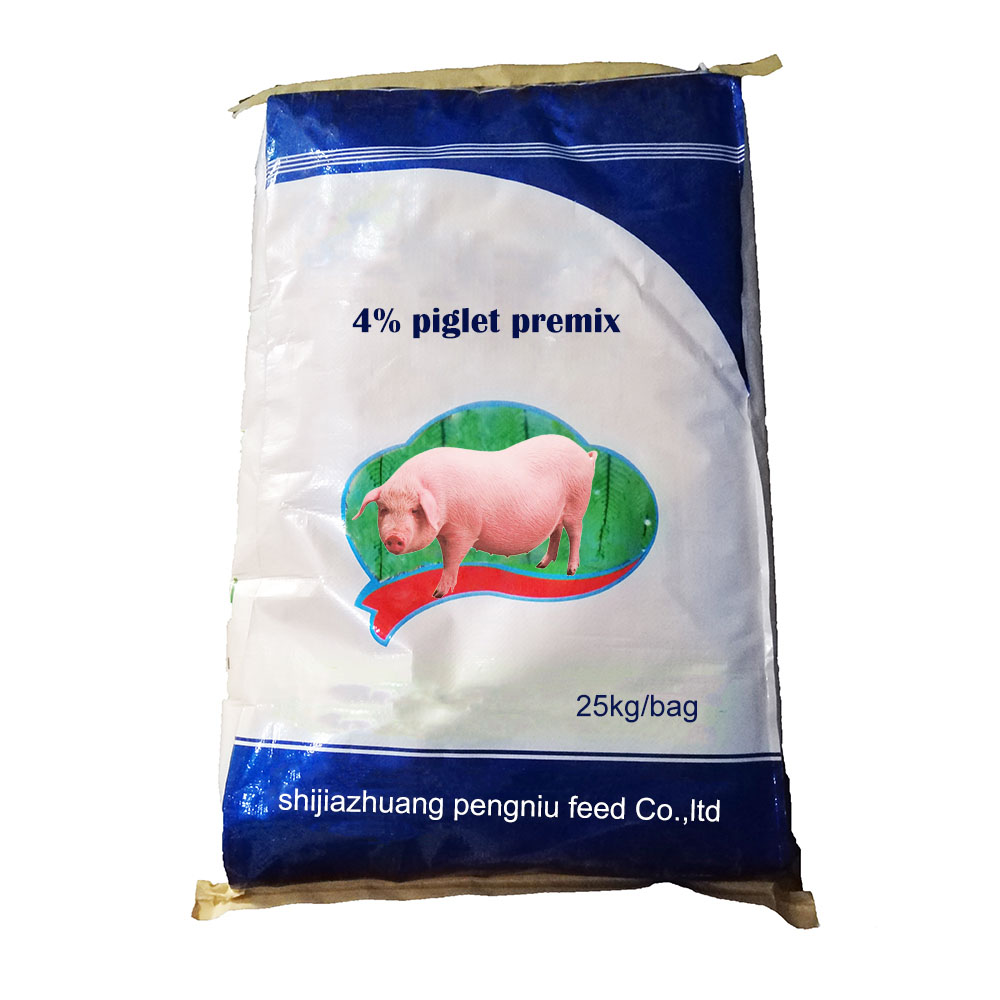
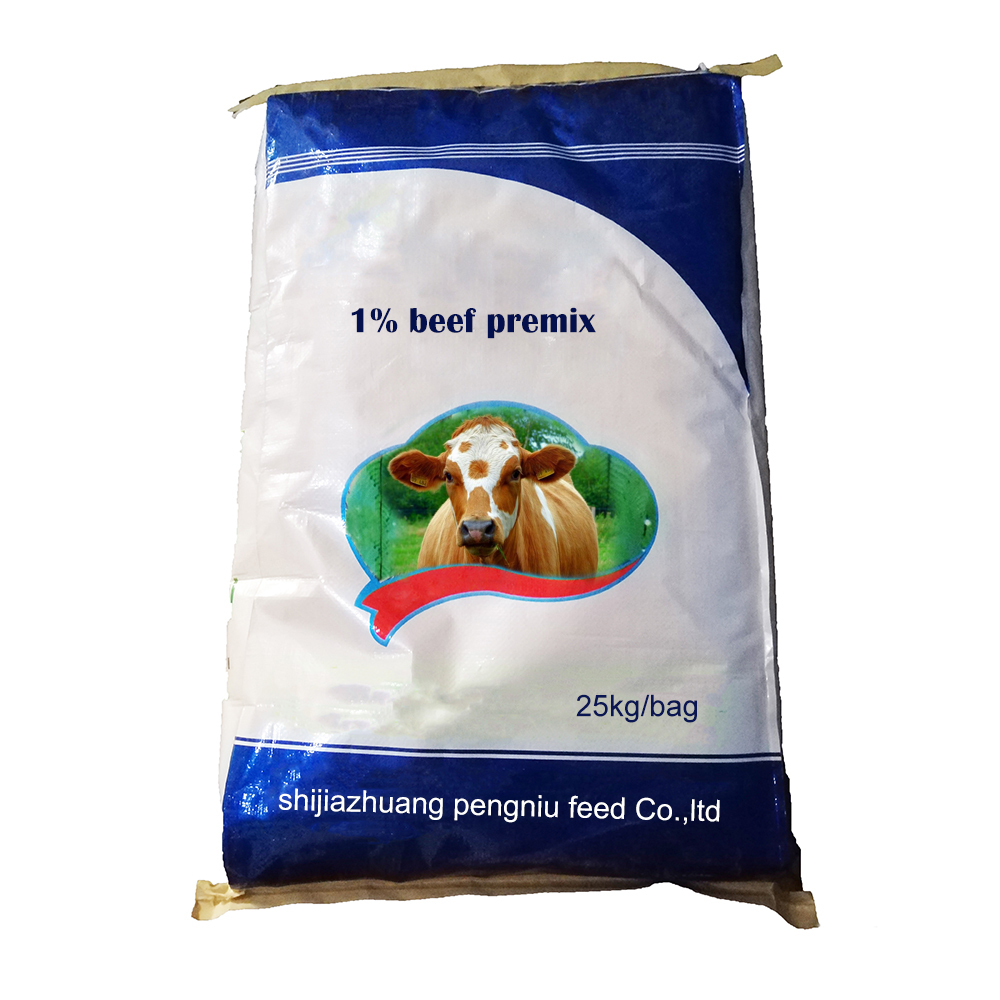
At their core, nutritive feed additives are substances incorporated into animal diets to improve the nutritional value or overall quality of the feed. Unlike basic feedstuffs like grains or forages, these additives provide specific nutrients—like vitamins, minerals, amino acids, or enzymes—that animals might otherwise miss. Think of them as nutritional supplements tailored for livestock.
In modern farming, they address gaps created by crop variability, intensification of farming systems, or regional resource shortcomings. They’re critical not only in meeting production targets but also in humanitarian contexts—for instance, in improving livestock health during drought zones or in emergency relief situations that require rapid nutritional support for animals.
Nutritive feed additives essentially bridge the gap between what the animal consumes and what it needs to thrive.
Mini takeaway: Nutritive feed additives serve as precision boosters, ensuring animals get balanced nutrition tailored to their unique needs.
Core Components of Nutritive Feed Additives
1. Vitamins
From A to E and beyond, vitamins are crucial for metabolic processes, immune function, and reproduction. Since many are sensitive to storage or feed processing, adding synthetic or stabilized vitamins ensures consistent availability for livestock.
2. Minerals
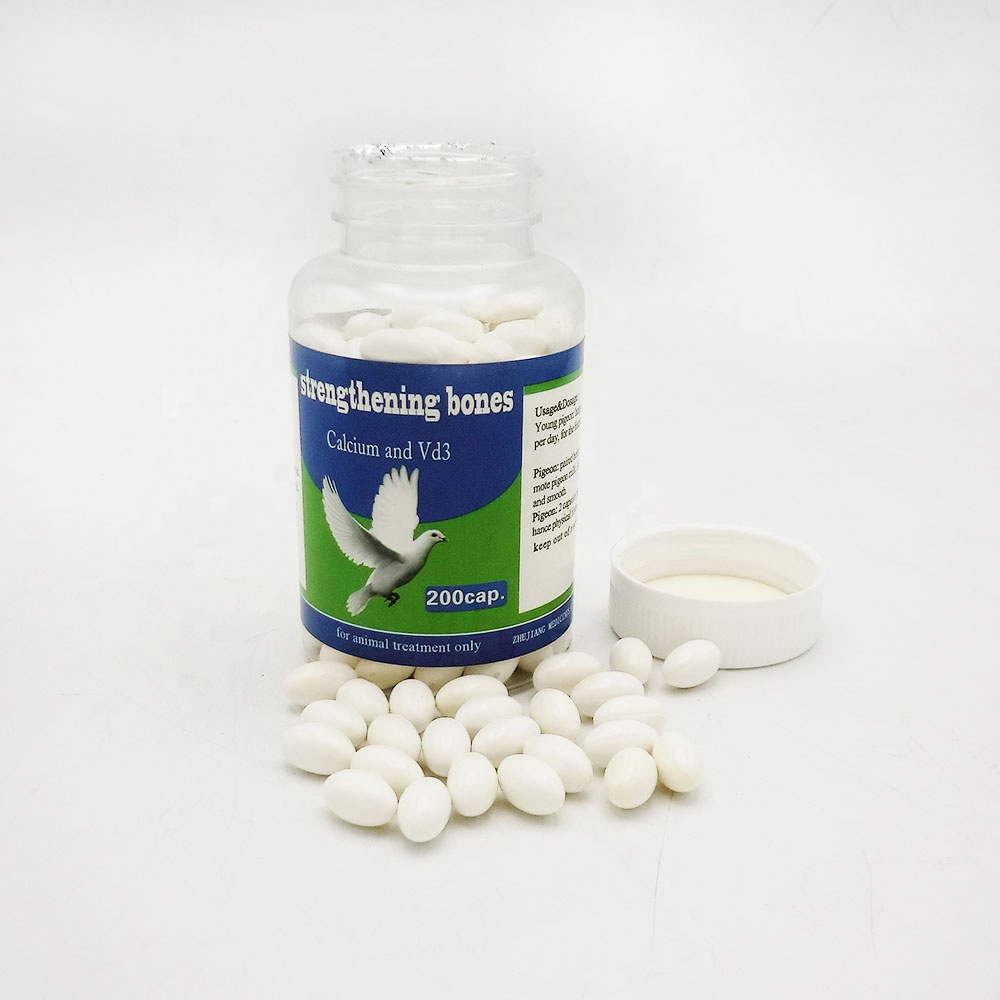
Macro minerals like calcium and phosphorus are foundation elements, but trace minerals—selenium, zinc, copper—are essential despite their tiny quantities. They impact everything from skeletal strength to enzyme function.
3. Amino Acids
Building blocks of protein, amino acids such as lysine or methionine are often limiting in common feed grains. Supplementing these ensures optimal muscle development and milk production.
4. Enzymes
Feed enzymes like phytase help break down anti-nutritional factors, improving digestibility and nutrient absorption. This reduces feed costs and environmental phosphorus loading—a win-win for farmers and ecosystems.
5. Probiotics and Prebiotics
While sometimes categorized separately, these gut health modulators enhance nutrient uptake and immunity, indirectly supporting growth and feed efficiency.
Mini takeaway: Nutritive feed additives cover a broad spectrum of nutrients and enhancers that directly contribute to animal well-being and productivity.
Global Applications and Use Cases
These additives find their way into virtually every corner of the globe’s animal production systems — but their form and function often adapt to local challenges.
- Intensive industrial farming: In North America and Europe, feed additives are integral to maximizing feed conversion ratios in poultry and swine production.
- Emerging markets: In parts of Africa and Asia, additives help compensate for nutrient-deficient roughages and support growth during scarcity.
- Post-disaster relief efforts: International agencies deploy nutrient-dense feed formulations enriched with additives to sustain livestock in areas hit by floods or drought.
- Smallholder farming: Enhancing local feed resources with additives expands productivity without forcing costly feed imports.
One interesting example comes from drought-stricken East Africa, where livestock survival depends heavily on energy and mineral supplements. Nutritive feed additives become lifelines in those contexts, both economically and nutritionally.
Mini takeaway: Nutritive feed additives have versatile roles, spanning from industrial efficiency to small-scale sustainability and even humanitarian aid.
Advantages and Long-Term Value of Nutritive Feed Additives
Frankly, the benefits are multi-layered—some obvious, others less so.
- Cost reduction: Better feed efficiency means animals need less feed for the same output.
- Sustainability: Lower nutrient waste reduces environmental runoff.
- Animal health: Reduced disease and better growth support animal welfare and farmer confidence.
- Social impact: Improved animal productivity supports food security and rural livelihoods.
- Innovation trust: Producers who invest in additive technology often gain competitive advantage.
It’s comforting to know that such subtle inputs can help animals thrive, people feed their families, and ecosystems remain more balanced.
Mini takeaway: Nutritive feed additives offer layered returns—from economics to ethical farming and environmental stewardship.
Product Specification Table: Typical Nutritive Feed Additive Composition
| Component | Concentration Range | Primary Function | Common Form |
|---|---|---|---|
| Vitamin A | 5,000–15,000 IU/kg | Vision, immunity | Oil-based solution |
| Zinc (trace mineral) | 40–120 mg/kg | Enzymatic functions, skin health | Chelated mineral powder |
| Lysine (amino acid) | 1.0–2.5% of feed | Muscle protein synthesis | Granular powder |
| Phytase (enzyme) | 250–500 FTU/kg | Phosphorus digestibility | Liquid or powder |
Vendor Comparison: Nutritive Feed Additive Suppliers
| Vendor | Product Range | Sustainability Practices | Geographical Reach | Price Range |
|---|---|---|---|---|
| AgriNutra Co. | Vitamins, minerals, enzymes | ISO 14001 certified, low emissions | Global (NA, EU, Asia) | $$ - mid-range |
| BioFeed Solutions | Probiotics, amino acids, minerals | Organic sourcing, biodegradable packaging | Europe, Africa | $$$ - premium |
| NutriMax Feed Additives | Custom blends, enzymes | Energy-efficient manufacturing | Asia-Pacific, South America | $ - budget |
Looking Ahead: Future Trends in Nutritive Feed Additives
As sustainability becomes more than a buzzword, the additives industry is evolving quickly. We’re seeing a surge in natural, plant-based additives that sidestep synthetic chemicals. Plus, digital analytics and AI now enable precision feeding—meaning additives tailored not just to species but individual animal needs.
On another level, automation and blockchain promise more transparent, efficient supply chains. What’s exciting, frankly, is the growing push to reduce the carbon footprint of production—think low-emission manufacturing and smart packaging.
Mini takeaway: The future of nutritive feed additives lies at the crossroad of green innovation and digital transformation.
Navigating Challenges & Practical Solutions
Despite advances, hurdles remain. High costs can deter adoption among small farmers. Stability issues mean some additives degrade before reaching the animal. Regional regulatory differences complicate exports.
But solutions abound. Microencapsulation improves additive stability, extending shelf life. Cooperative models help smaller producers pool resources to buy high-quality additives. And harmonized international standards, driven by bodies like the ISO, make cross-border movement easier.
It’s a question of persistence and partnerships...
FAQ: Nutritive Feed Additives Demystified
- What are the main benefits of adding nutritive feed additives to livestock diets?
- They improve nutrient absorption, support growth, boost immunity, and enhance feed efficiency, helping farmers reduce costs while raising healthier animals.
- Are nutritive feed additives safe for animals and humans?
- When formulated and used correctly, these additives are rigorously tested to ensure safety for animals, workers, and consumers, following international regulatory frameworks.
- How do nutritive feed additives contribute to sustainable farming?
- By improving feed conversion, they reduce waste and environmental run-off. Some also help lower methane emissions, contributing to a smaller farm carbon footprint.
- Can small-scale farms afford-quality nutritive feed additives?
- While cost can be a barrier, many suppliers offer smaller packages or cooperative purchasing to make additives accessible to smaller producers.
- What trends should producers watch in the nutritive feed additives industry?
- Look out for growth in natural additives, precision nutrition tailored by digital tools, and increased regulation focusing on sustainability and transparency.
Conclusion: Investing in Nutritive Feed Additives for a Better Tomorrow
Nutritive feed additives may seem like small pieces in the grand puzzle of livestock production, but their impact is anything but minor. They contribute to healthier animals, stronger rural economies, and sustainable food systems—goals we all share, whether farmers, consumers, or industry watchers.
Thinking about stepping up your feed formulation? Don’t hesitate to explore trusted suppliers and learn more about how nutritive feed additives can advance your goals for efficiency, health, and sustainability.
Visit our website for detailed product offerings, expert advice, and to keep updated on emerging trends.
It’s an evolving field—one well worth the attention.
References
Post time: November 25, 2025