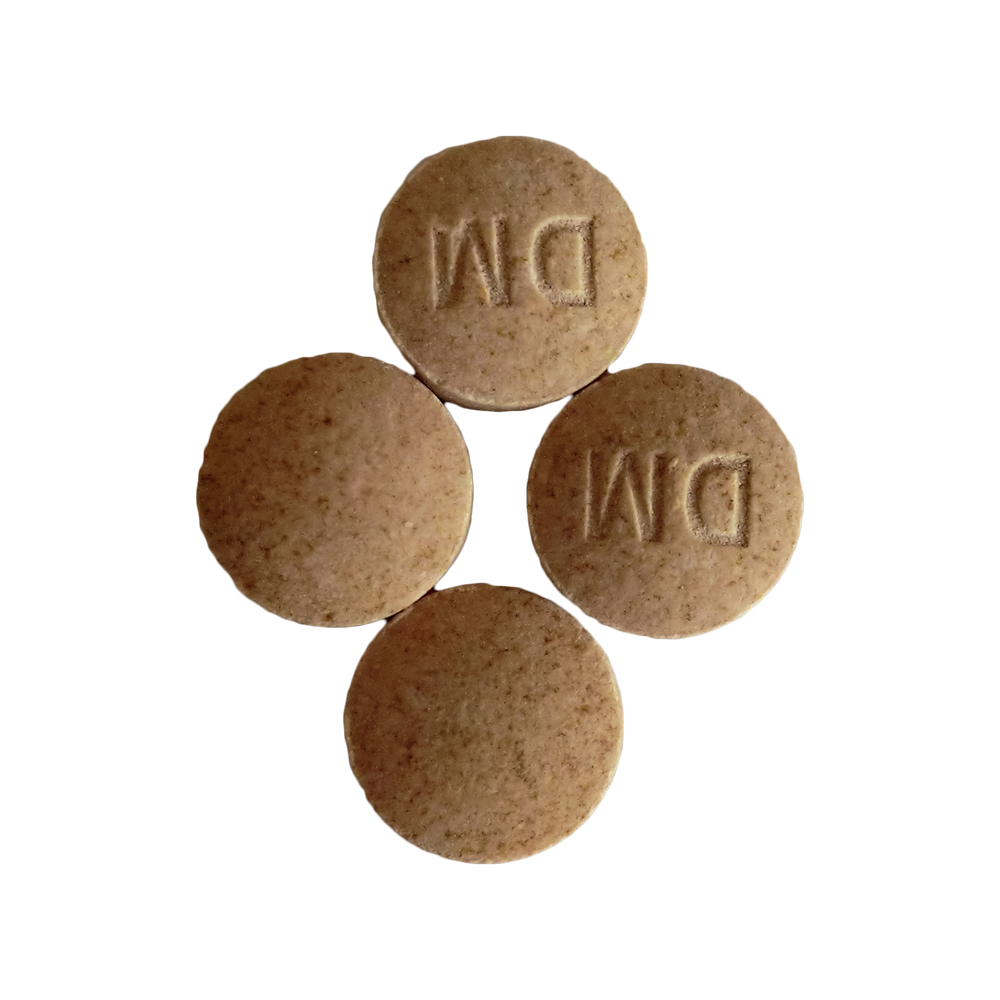
Animal Medications: A Vital Component in Global Animal Health
Animal medications are more than just pills or injections—they represent a cornerstone for ensuring animal health, welfare, and productivity worldwide. From the family pet to livestock on vast farms, these medications help prevent disease, improve recovery, and ultimately impact food safety and human health. Understanding the nuances of animal medications is crucial, especially as the global population and demand for animal protein continue to rise. With better knowledge, farmers, veterinarians, and pet owners alike can make more informed decisions, protecting animal populations and, by extension, global food security.
Why Animal Medications Matter Globally
It might surprise some, but the animal medication market isn’t just a niche. In fact, according to the Food and Agriculture Organization (FAO) of the United Nations, nearly 70% of the emerging global infectious diseases originate from animals — a phenomenon called zoonosis. This underscores why effective animal healthcare, including animal medications, is paramount.
The World Bank estimates that livestock contributes up to 40% of the global agricultural output, supporting billions of livelihoods. Diseases in animals can lead to catastrophic economic losses and threaten food stability. Sadly, in many developing regions, access to quality medications is limited, leading to uncontrolled disease spread.
Mini takeaway:
- Animal medications are essential for global public health and food security.
- Failures in animal treatment can lead to major economic and social issues.
Defining Animal Medications: What Are They, Exactly?
Simply put, animal medications are pharmaceuticals formulated to prevent, treat, or control diseases and health conditions in animals. This category covers veterinary antibiotics, antiparasitics, vaccines, painkillers, and nutritional supplements. Unlike human drugs, many animal medications must be tailored considering species differences, production cycles, and specific regulations governing residues in food-producing animals.
In the broader industry context, these medications enable modern veterinary care, contributing to animal welfare, productivity improvements, and sustainable farming practices.
Core Components of Animal Medications You Should Know
1. Safety and Efficacy
Animal medications must meet stringent safety profiles to avoid harming animals or humans consuming animal products. This involves rigorous testing and compliance with international standards like those from the International Organization for Standardization (ISO). It's not only about curing an illness but ensuring no long-lasting residues or side effects linger in the food chain.
2. Species-Specific Formulations
What works for a dog won’t necessarily suit a cow or chicken. Dosing, delivery methods, and active ingredients often vary drastically between species. This aspect complicates manufacturing but ensures precise treatment tailored to individual animals’ biology.
3. Accessibility and Distribution
Especially for rural or developing areas, getting medications to the right animals on time can be challenging. Cold-chain requirements, packaging durability, and regulatory barriers all impact the availability of animal medications.
4. Cost Efficiency
Farmers and livestock keepers operate on tight margins. Using affordable, effective medications reduces disease burden without breaking the bank. Cost also influences compliance — even the best medication is useless if too expensive for regular use.
5. Resistance Management
Antimicrobial resistance (AMR) is a growing concern. Responsible use of antibiotics and alternative therapies helps prevent resistant strains. Many stakeholders emphasize stewardship programs to educate and monitor veterinary medication use.
Mini takeaway:
- Effectiveness must harmonize with animal welfare, user safety, and affordability.
- Species-specific formulations and resistance management are critical challenges.
Real-World Impact: How Animal Medications Are Used Across the Globe
Look around the world and animal medications show up in vastly different contexts. In developed countries, their use shapes advanced farming systems, ensuring high-quality meat, dairy, and eggs reach consumers safely. For instance, European Union countries tightly regulate medication residues to meet export standards.
In developing regions, medications often arrive through humanitarian or development programs aiming to improve smallholder farmers’ productivity and resilience. For example, in parts of Sub-Saharan Africa, NGOs distribute vaccines and antiparasitic treatments during livestock restocking initiatives following droughts or conflicts.
Even in wildlife conservation, veterinary medications help manage disease outbreaks threatening endangered species.
One vivid example: In post-disaster relief operations after floods in Southeast Asia, rapid deployment of antiparasitic medications curbed disease spikes in both livestock and pets, minimizing long-term community impact.
Typical Product Specification Table
| Medication | Type | Target Species | Dosage Form | Shelf Life |
|---|---|---|---|---|
| Ceftiofur | Antibiotic | Cattle, Swine | Injection | 24 months |
| Ivermectin | Antiparasitic | Sheep, Goats | Oral/Drench | 36 months |
| Rabies Vaccine | Vaccine | Dogs, Cats | Injection | 12 months |
| Meloxicam | NSAID Painkiller | Dogs, Cats | Oral Suspension | 18 months |
Advantages and Lasting Benefits of Animal Medications
Discussing the value of animal medications is like opening a rabbit hole of benefits — some obvious, some subtle. On a fundamental level, they reduce mortality and morbidity in animals, which directly improves productivity and income. This is vital, of course, for farmers relying on animals for food and income.
There is also a huge societal benefit: improved animal health means fewer zoonotic disease outbreaks and safer food products. From an emotional standpoint, pet owners feel a strong sense of trust and relief knowing effective treatments exist, preserving the human-animal bond.
Environmentally, better animal health reduces the need for extreme interventions or mass culling, supporting sustainable agricultural practices. It’s not perfect, but it’s a key piece of the puzzle in balancing productivity with ethical and environmental stewardship.
Leading Vendors in Animal Medications: A Quick Comparison
| Vendor | Product Range | Global Reach | Innovations | Pricing |
|---|---|---|---|---|
| Zoetis | Broad (Antibiotics, vaccines) | Global (100+ countries) | mRNA vaccines, digital health tracking | Mid to high |
| Boehringer Ingelheim | Vaccines, parasiticides | Europe, Americas, Asia | Long-acting injectables | Mid-range |
| Elanco | Antibiotics, pain relief, vaccines | North America, Asia-Pacific | Biologics, nutritional supplements | Competitive |
Future Trends and Innovations in Animal Medications
Looking ahead, it feels like animal medications will become more personalized and technology-driven. The rise of digital veterinary diagnostics, real-time health monitoring via wearables, and blockchain-tracked supply chains suggest a more transparent, tailored approach to animal care.
Green chemistry is also influencing pharma production, reducing environmental footprints and waste. Innovations like RNA-based vaccines or probiotics as alternatives to traditional antibiotics are gaining momentum, offering hope for reducing antimicrobial resistance. Automation in distribution and telemedicine services could also radically improve access in remote areas.
Challenges Facing the Animal Medication Industry — and What Can Help
No industry is without hurdles. For animal medications, regulation remains complex and fragmented globally, sometimes slowing access. Counterfeit or substandard drugs also pose risks, especially in less-regulated markets.
Then, there’s the constant battle against resistance, requiring coordinated stewardship efforts involving vets, farmers, and governments. Fortunately, partnerships and education programs have shown promise. On the tech side, enhancing cold-chain logistics, rather modest investments in infrastructure, and policy alignment are key solutions.
Frequently Asked Questions About Animal Medications
Q1: How do animal medications differ from human medications?
A1: Animal medications are specifically formulated for different species considering metabolism, size, and disease profiles. Doses, delivery methods, and regulatory requirements also vary because animals differ biologically and functionally from humans.
Q2: Can antimicrobial resistance in animals affect humans?
A2: Yes, resistant bacteria can transfer between animals and humans, especially when antibiotic use is unregulated. That's why responsible prescription and use of animal medications are crucial to public health.
Q3: What is the best way to ensure animal medications are safely administered?
A3: Always follow veterinary guidance, use correct dosages, store drugs as recommended (some need refrigeration), and complete prescribed courses. Using certified suppliers helps avoid counterfeit or expired products.
Q4: Are vaccines considered part of animal medications?
A4: Absolutely. Vaccines are a preventive medication category that boost immunity and reduce disease outbreaks, significantly lowering the need for antibiotic use.
Q5: How can small farmers in developing countries access quality animal medications?
A5: NGOs, government programs, and partnerships with veterinary suppliers often facilitate access through subsidized schemes or mobile veterinary clinics. Local education and training also play key roles.
Conclusion: Why Animal Medications Will Always Matter
In real terms, the role of animal medications extends far beyond treating a single sick animal. They support global food systems, protect human health, and improve the lives of millions of people connected to animals worldwide. As the world continues to grow and urbanize, our reliance on high-quality, accessible, and sustainable animal healthcare will only deepen.
For anyone involved in animal care or agriculture, staying informed and connected to the latest in animal medication technologies is a definite smart move. Curious for more? Visit our website to explore animal medications and related animal health solutions.
Summary takeaways:
- Animal medications are indispensible for animal and public health.
- They improve productivity, reduce disease, and have lasting social and economic benefits.
- Future innovations promise greener, smarter, and more effective animal healthcare.
References:
Post time: November 30, 2025