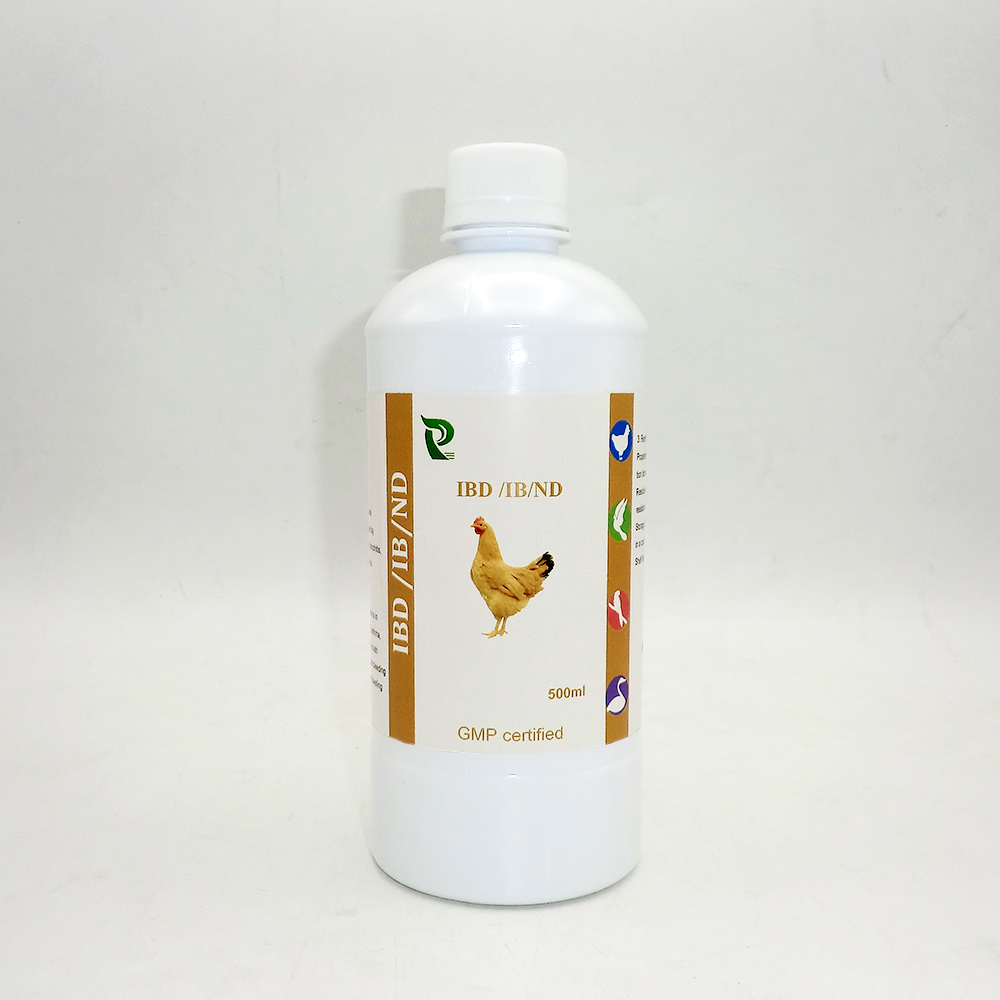
Understanding Veterinary Products: Why They Matter Globally
Veterinary products play a vital role in the health and welfare of animals, which in turn affects human health, food security, and economic stability worldwide. At first glance, you might think of vaccines or medicines, but in reality, veterinary products encompass a broad spectrum—from pharmaceuticals and nutritional supplements to diagnostic equipment and protective clothing. Knowing their importance matters because global challenges like zoonotic diseases, antibiotic resistance, and food safety hinge on the right veterinary solutions. Getting a grip on these products means better livestock management, safer food supplies, and even a healthier planet.
The Global Context: Why Veterinary Products Are a Growing Industry
Globally, the veterinary product market is expanding rapidly. The World Bank reports that livestock contributes about 40% of global agricultural GDP, underscoring the scale of animal-based food production. The Food and Agriculture Organization (FAO) estimates that diseases in livestock cause billions of dollars in losses yearly, a problem worsened without reliable veterinary products. Meanwhile, the UN’s One Health initiative emphasizes that human, animal, and environmental health are intertwined, pushing veterinary innovation to the forefront of epidemic prevention.
But here’s the rub: many parts of the world still face shortages of quality veterinary products, causing problems in disease control and food chain safety. This gap is a strong call for better access, innovation, and education about these products. It’s not just about profit; it’s linked to poverty reduction, global trade, and even climate resilience.
What Exactly Are Veterinary Products?
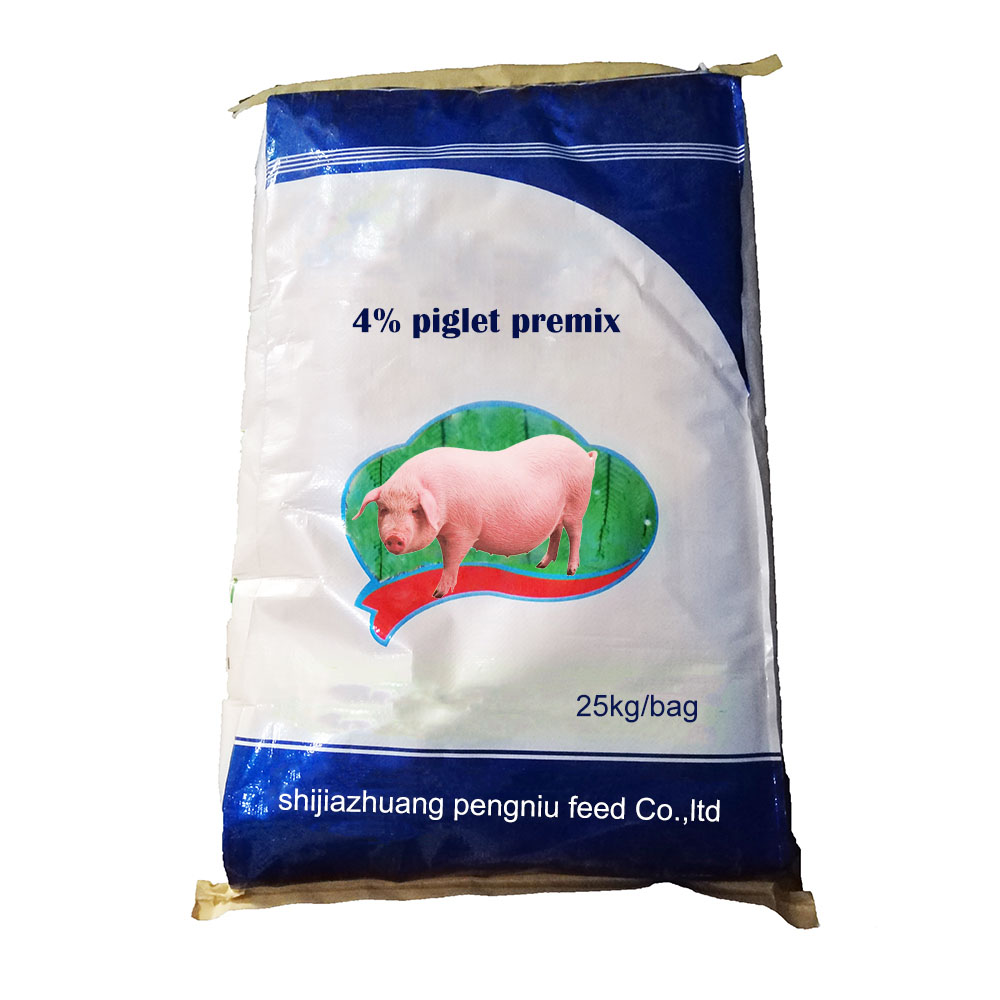
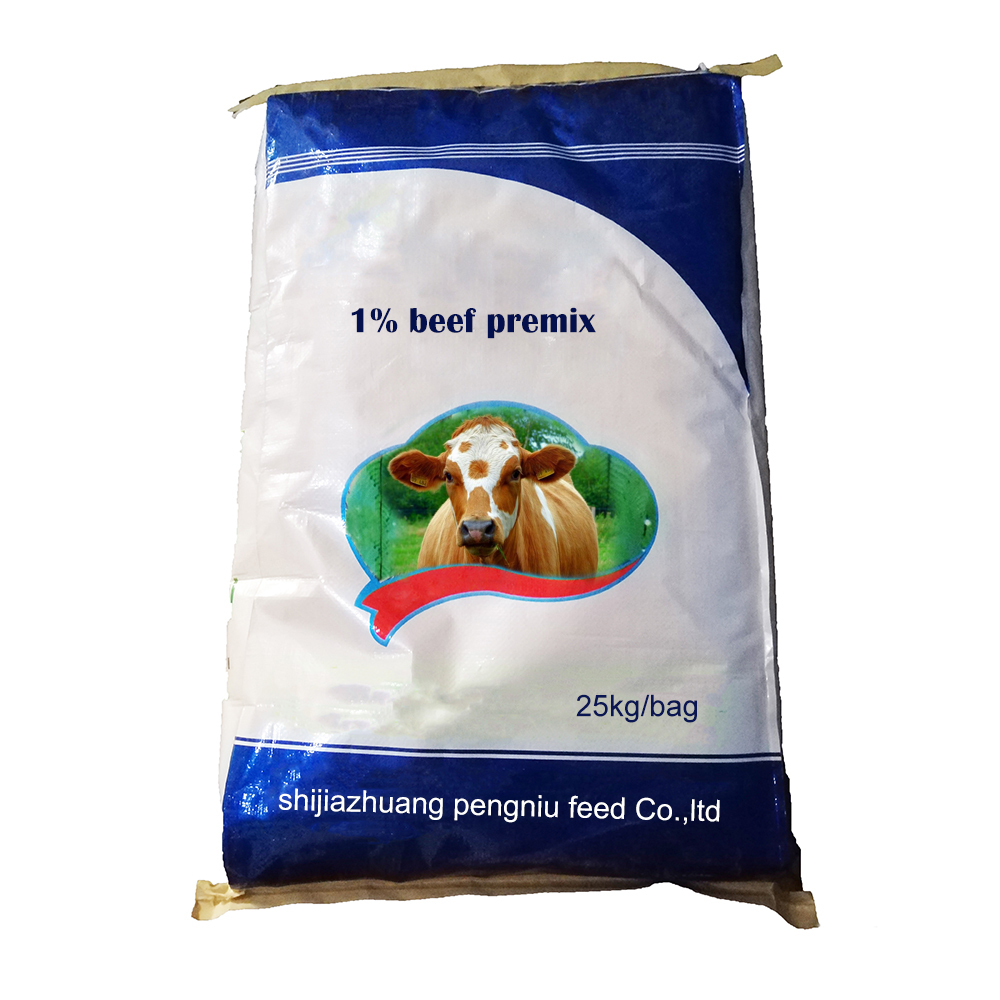
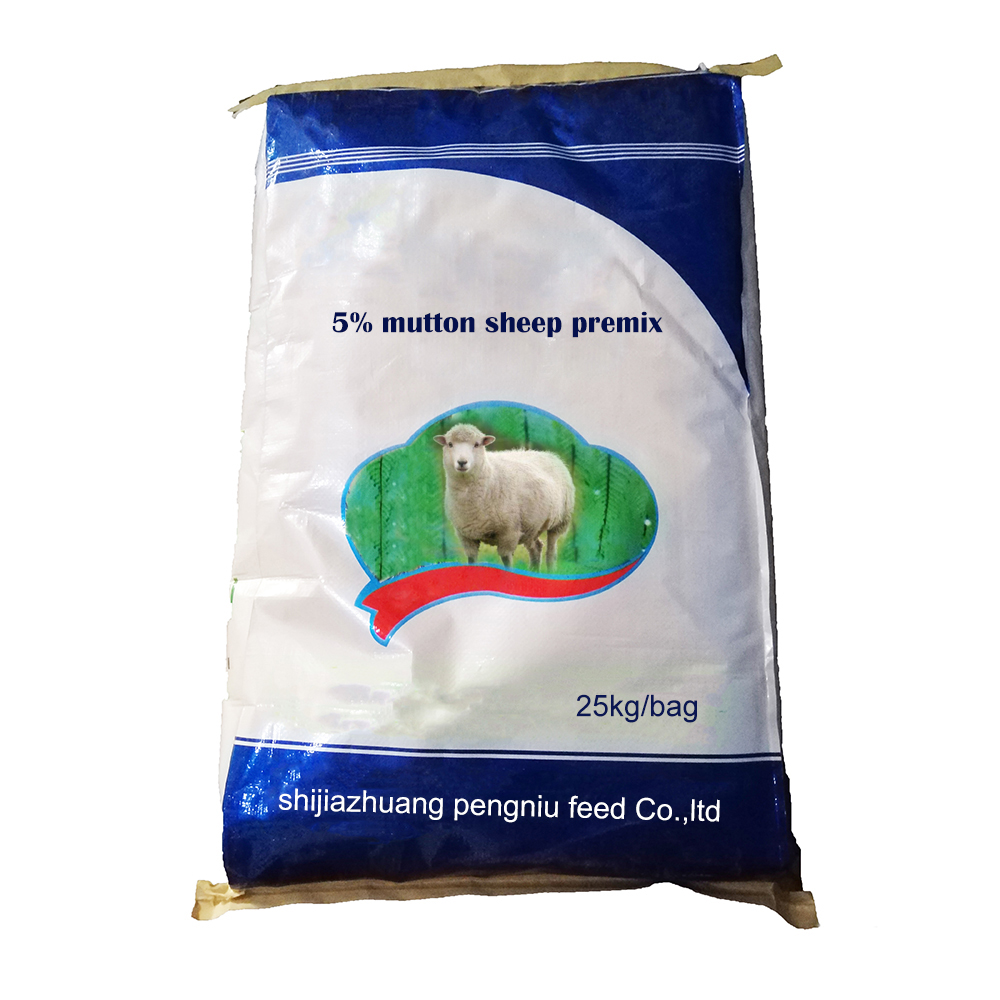
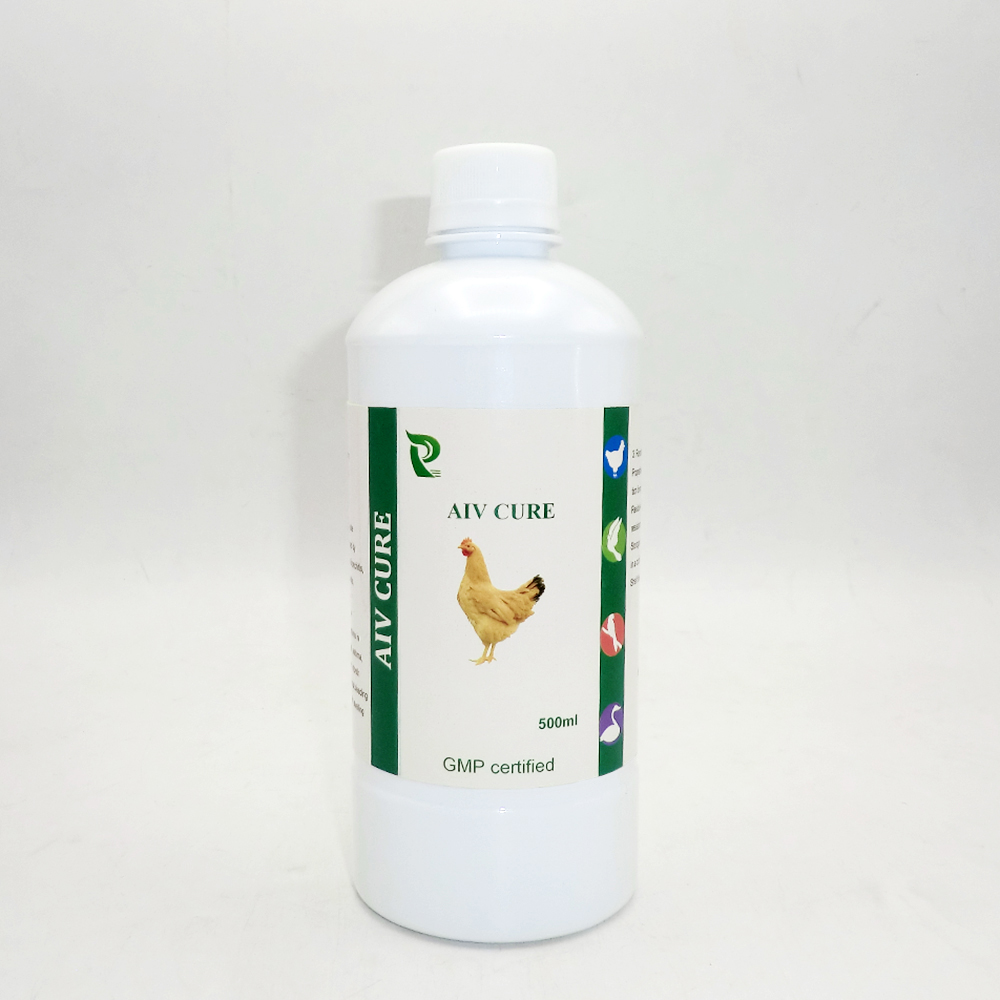
Simply put, veterinary products are specially formulated tools, medicines, or devices designed for animal care. This includes everything from vaccines, dewormers, and antibiotics to feed additives, diagnostic kits, and even surgical instruments. They cover companion animals, livestock, and sometimes wildlife.
More than just medicines, they are a bridge between veterinary science and real-world animal welfare. In agriculture, they support productivity and sustainability. In pet care, they ensure longer, healthier lives. And in broader humanitarian fields—think disaster relief or zoonotic disease outbreak control—they are essentials, often delivered in rugged, remote conditions.
Key Aspects of Veterinary Products That Make a Difference
1. Efficacy and Safety
Any veterinary product must be effective against the target problem without harming the animal. Regulatory bodies like the FDA or EMA set stringent standards for safety, and much like human medicine, the stakes can be high when products fall short. Good formulations balance potency with minimal side effects, sometimes requiring years of trials.
2. Accessibility and Distribution
It’s one thing to invent a life-saving vaccine, another to get it into hands of farmers in sub-Saharan Africa or remote parts of Asia. Cold chain needs, shelf life, and local approval issues can make or break usefulness. Some innovators are working on thermostable vaccines to address this exact problem.
3. Cost Efficiency
Especially in developing countries, veterinary products must be affordable without compromising quality. Cost constraints often force compromises—but with smart design and local partnerships, there are good solutions emerging that balance price and performance.
4. Versatility and Scalability
The best veterinary products work on a variety of animal species, ages, and conditions. Scalability means enabling mass production or modular deployment depending on outbreak or herd size, which is vital during fast-moving epidemics like foot-and-mouth disease.
5. Sustainability and Environmental Impact
Green veterinary products are gaining traction. Minimizing chemical run-off, preventing antibiotic resistance, and using biodegradable packaging are just some ways manufacturers address global sustainability goals.
Global Applications & Use Cases of Veterinary Products
The range of applications is broad and fascinating:
- Livestock Farming: Vaccination programs to control diseases like brucellosis or avian influenza help ensure steady food supplies.
- Companion Animal Care: From flea and tick preventatives to diagnostic tools, pet wellness relies on an array of veterinary products.
- Disaster Relief: Following floods or earthquakes, mobile veterinary clinics equipped with vital products prevent disease outbreaks among displaced animals.
- Wildlife Conservation: Targeted vaccines and nutritional supplements assist endangered species rehabilitation efforts.
- Research & Academia: Veterinary labs utilize specialized reagents and tools that expand knowledge to benefit both animals and humans.
For example, in parts of India, cold-resistant vaccines have increased immunization rates in smallholder dairy farms, improving both milk yield and income. Meanwhile, NGOs in Latin America use handheld diagnostic kits to detect canine distemper in stray dog populations, helping limit transmission.
Advantages and Long-Term Value of Investing in Veterinary Products
Frankly, quality veterinary products pay off beyond the obvious cost of purchase. Preventing disease means less need for costly treatments later on — it preserves animal welfare and farm productivity. There is a direct ripple effect to food security and public health, too, by minimizing zoonotic spillover risks.
Emotionally, they build trust between farmers and vets, giving peace of mind to those who depend on animals daily. Innovators argue the push toward sustainable products also ties into global efforts toward climate action, reducing environmental footprints in farming systems.
Long-term, well-regulated, reliable veterinary products can uplift entire communities, create jobs, and foster food sovereignty in a way that’s difficult to overstate.
Typical Product Specification Table
| Product Name | Type | Shelf Life | Target Species | Storage Conditions | Regulatory Approval |
|---|---|---|---|---|---|
| VetVax Plus | Vaccine | 12 months | Cattle, Buffalo | 2-8°C | EMA, WHO |
| Equinil Pro | Antiparasitic | 24 months | Horse, Donkey | Room Temp (15-25°C) | FDA |
| Canine Care Kit X | Diagnostic Kit | 18 months | Dogs | Room Temp | WHO |
Comparing Top Veterinary Product Vendors
| Vendor | Product Range | Global Reach | Sustainability Initiatives | Pricing |
|---|---|---|---|---|
| AgroVet Inc. | Wide (vaccines, feed, diagnostics) | 100+ countries | Carbon neutral by 2030 | Premium |
| PetCare Solutions | Companion animal focus | 40 countries | Sustainable packaging | Mid-range |
| Rural Vet Supplies | Basic essentials, developing regions | 25 countries (focus Asia/Africa) | Locally sourced products | Budget |
Looking Ahead: Future Trends in Veterinary Products
The veterinary sector is not standing still. Digital diagnostics, AI-driven disease monitoring, and blockchain for supply chain transparency promise to revolutionize how these products are used and distributed. On the materials front, biodegradable packaging and green chemistry are becoming must-haves, aligning with wider environmental agendas.
Automation in manufacturing and cold chain innovations will further enhance reliability and lower costs. Amid rising antimicrobial resistance concerns, novel alternatives like phage therapy and plant-based antivirals are quietly gaining ground. It’s an exciting space where science meets urgent global needs.
Challenges and Practical Solutions
Supply chain disruption, regulatory hurdles, and uneven infrastructure remain big challenges. Many veterinary products require refrigeration; yet, in remote areas, erratic power supply hinders this, compromising efficacy. Some companies tackle this by developing heat-stable formulas and investing in solar-powered storage.
Resistance to regulations or lack of veterinarian training also slows adoption in some regions. Bridging these gaps requires education, advocacy, and adaptable products tailored for local realities. In short, it’s never just about the product itself, but its journey and context.
Frequently Asked Questions About Veterinary Products
- Q: How can small farmers access affordable veterinary products?
- A: Many NGOs partner with local suppliers to offer subsidized or group-purchase options. Additionally, governments sometimes provide free vaccination campaigns to protect smallholder livestock efficiently.
- Q: Are veterinary vaccines safe for human handlers?
- A: Most are designed with safety protocols and require proper administration techniques. Training and protective equipment minimize risks; always follow product instructions and consult with veterinary professionals.
- Q: Can veterinary products be imported internationally without hassles?
- A: Import regulations vary widely but generally require proper documentation and adherence to local veterinary standards. Partnering with certified distributors and understanding customs policies smooths this process considerably.
- Q: How long can veterinary products typically be stored before expiry?
- A: Shelf life varies by product type but ranges from several months (e.g., certain vaccines) to a few years (e.g., dry antiparasitics). Always check labeling and maintain proper storage conditions to ensure efficacy.
- Q: What makes new veterinary diagnostic kits better than traditional testing?
- A: Modern kits are often portable, faster, and require less technical skill, making them ideal for field use. This rapid diagnosis can drastically improve treatment decisions and outbreak response times.
Conclusion: Why Veterinary Products Are Essential For The Future
Putting it simply, veterinary products are not just tools; they are the lifelines connecting animal health, human well-being, and global sustainability. Their correct use reduces disease burden, increases productivity, and supports healthier communities across continents. As innovation pushes these products further—more accessible, smart, and sustainable—their impact will only grow.
Curiosity piqued? Want to upgrade your knowledge or supply chain? Visit our website for more insights on veterinary products, expert advice, and best-in-class solutions.
References:
1. Food and Agriculture Organization (FAO)
2. World Health Organization (WHO)
3. World Bank
Post time: November 30, 2025