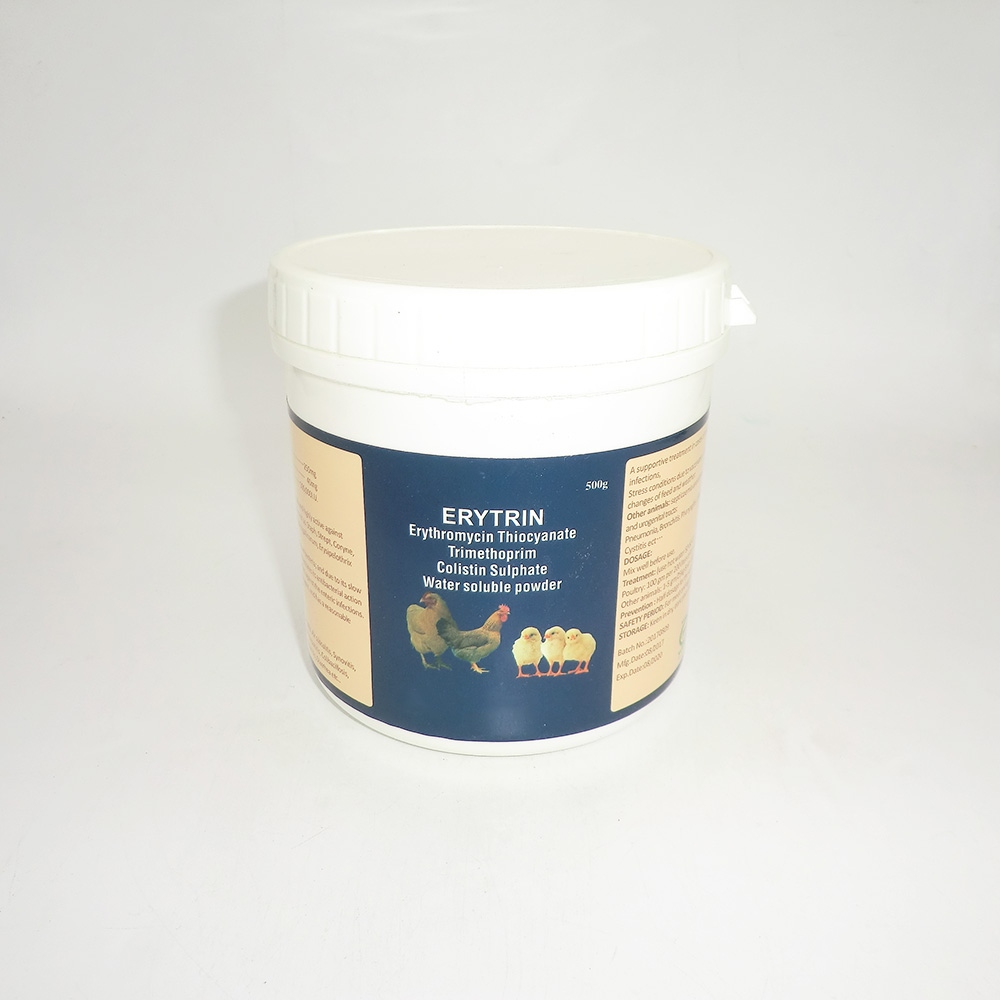
Understanding Veterinary Medicine for Hen: A Global Perspective
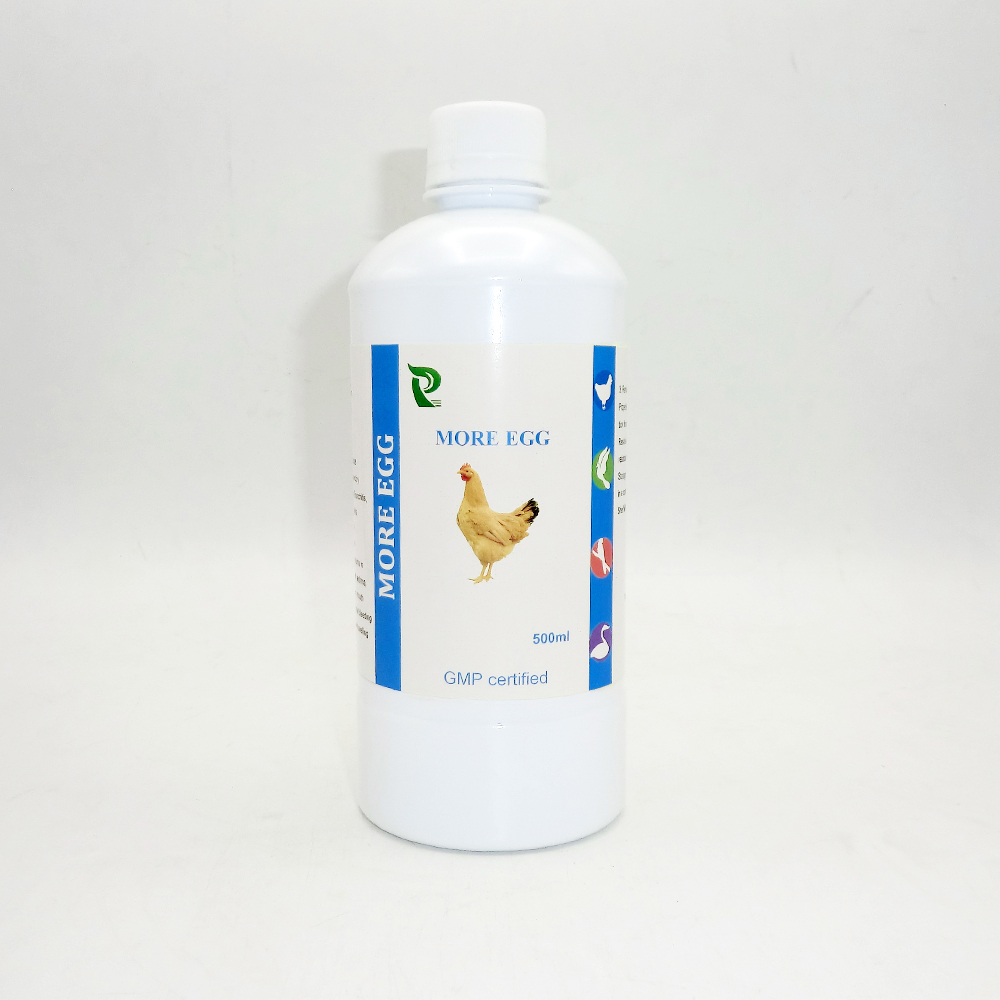
When you hear “veterinary medicine for hen,” it might sound narrow at first, but its global importance is anything but small. Hens, as a cornerstone of poultry farming, serve as a vital protein source for billions worldwide. Ensuring their well-being directly impacts food security, rural economies, and even public health due to zoonotic disease risks. Understanding veterinary care tailored specifically for hens opens doors to healthier flocks, sustainable farming, and ultimately, more resilient food systems worldwide.
As global demand for poultry meat and eggs keeps rising—estimated to reach over 130 million tons of meat by 2030 (FAO)—so does the need for sophisticated, accessible veterinary solutions. Challenges like avian influenza outbreaks, antibiotic resistance, and nutrition deficiencies press the industry to innovate smarter medical care for hens. In real terms, it's about bridging scientific research with everyday farm practices, improving animal welfare while stabilizing livelihoods from Asia to Africa, Latin America to Europe.
What Exactly is Veterinary Medicine for Hen?
Essentially, veterinary medicine for hen refers to the range of diagnostic, preventive, therapeutic, and management practices aimed specifically at maintaining and improving the health of hens. Unlike general poultry medicine, this focus recognizes the unique physiology, behavior, and husbandry of hens—whether they're backyard layers or part of a massive industrial flock.
This specialized care helps tackle diseases, nutritional imbalances, reproductive issues, and stresses caused by environmental factors. It represents an intersection of traditional animal husbandry with modern veterinary sciences—sort of like tailored healthcare, but for our feathered friends. This niche has developed alongside advancements in biotechnology, pharmacology, and husbandry techniques, contributing to both humane and efficient poultry production.
Core Components of Veterinary Medicine for Hen
1. Preventive Care & Biosecurity
Vaccinations, sanitation, and farm management practices are pillars here. For instance, proper disinfection routines and controlled flock access reduce disease transmission considerably.
2. Diagnosis and Treatment
Laboratory diagnostic tools and in-field veterinary assessments help quickly identify illnesses—from bacterial infections to viral outbreaks like Newcastle disease—and guide proper treatment, reducing flock losses.
3. Nutrition & Feed Management
Optimized feeding strategies, supplemented with vitamins and minerals, enhance immunity and egg-laying performance. Nutritionists often collaborate closely with vets in this segment.
4. Genetic & Reproductive Health
Maintaining breed quality and managing reproductive health improve productivity. Monitoring egg fertility and hen laying cycles helps farmers plan better.
5. Welfare & Environmental Management
Ensuring hens have stress-free environments—adequate space, ventilation, and comfort—has been shown to reduce disease susceptibility and improve output.
Mini Takeaway: A holistic approach combining preventive measures, accurate diagnostics, tailored nutrition, and welfare practices marks the essence of veterinary medicine designed for hens.
Global Applications & Real-World Use Cases
This specialized veterinary field finds traction worldwide but with nuanced differences. For example:
- Asia: Smallholder farmers in India increasingly access veterinary medicines to combat endemic diseases like coccidiosis, improving flock survival.
- Africa: NGOs integrate veterinary services during post-disaster recovery to restore poultry livelihoods, key for community nutrition.
- North America & Europe: Advanced diagnostic labs and regulatory frameworks support intensive poultry operations with cutting-edge therapies and monitoring.
Take the recent example of a cooperative in Vietnam deploying mobile veterinary teams equipped with rapid diagnostic kits to remote villages. This dramatically cut mortality rates and increased egg production by nearly 15% within a year.
Product Specifications: A Typical Veterinary Medicine for Hen
| Specification | Details |
|---|---|
| Formulation | Oral suspension & Injectable solution |
| Active Ingredients | Amprolium & Sulfadimethoxine |
| Target Conditions | Coccidiosis, Respiratory infections |
| Dosage | 0.1 ml per kg body weight, twice daily for 5 days |
| Storage | Keep below 25°C, avoid direct sunlight |
| Shelf Life | 24 months from manufacture |
Comparing Vendors: Who Provides the Best Veterinary Medicine for Hen?
| Vendor | Product Range | Geographical Reach | Price Competitiveness | Customer Support |
|---|---|---|---|---|
| VetCare Solutions | Comprehensive (Vaccines, Medications) | Global (75+ countries) | Moderate | 24/7 Vet Hotline |
| AgriMed Pharma | Focus on Antibiotics & Supplements | Asia, Africa | Competitive | Regional Field Reps |
| Poultry Health Corp. | Specialized Vaccines | North America, Europe | Premium | Dedicated Account Managers |
What Are the Advantages and Long-Term Value?
The benefits of veterinary medicine for hen go far beyond just preventing or curing illness. For farmers, it translates into:
- Reduced mortality rates and fewer disease outbreaks, leading to more stable production.
- Improved product quality—healthier hens lay better eggs and meat tastes better, which fetches higher market prices.
- Lower veterinary costs overall by emphasizing prevention over reactive cures.
- Social upliftment through food security, employment, and community health.
- Trust & transparency, vital for modern consumers concerned about animal welfare and food safety.
Emotionally, it’s also about respecting life and dignity on farms, a principle that’s gaining global recognition. And logically, it’s an investment with compounding returns.
Emerging Trends & Innovations
Technology’s changing the veterinary landscape for hens in quite exciting ways:
- Digital disease surveillance: Apps and IoT devices monitor flock health real-time, allowing swift intervention.
- Genomic advances: Breeding programs increasingly use DNA insights to improve disease resistance.
- Eco-friendly medicines: Growth of herbal/veterinary probiotics reducing antibiotic dependency.
- Automation and robotics: Automated vaccine delivery systems and precision feeding machines.
All part of a gradual but sure shift towards smarter, sustainable poultry healthcare.
Common Challenges and Solutions
But it’s not all smooth sailing. Some hurdles include:
- Access and affordability: Smallholders in developing countries often struggle to access good-quality veterinary medicines.
- Antibiotic resistance: Overuse and misuse raise public health alarms worldwide.
- Knowledge gaps: Lack of trained veterinary professionals in remote areas.
To tackle these, many experts advocate for:
- Subsidized veterinary services and community outreach programs.
- Stricter regulation and stewardship on antibiotic use.
- Remote training platforms and mobile veterinary units.
The future is in collaboration—combining policy, technology, and grassroots knowledge.
Frequent Questions About Veterinary Medicine for Hen
Q1: How often should hens receive veterinary check-ups?
Routine veterinary assessment is recommended every 3-6 months, but frequency depends on flock size, management system, and disease risk. During outbreaks or stressful periods, more frequent visits may be necessary.
Q2: Can small backyard farmers afford veterinary medicines for hens?
Costs can be a barrier, but many governments and NGOs offer support, and some veterinary products now come in affordable packages tailored for small flocks. Always check for region-specific programs.
Q3: What’s the best way to handle vaccination in large poultry farms?
Mass vaccination techniques such as water-based delivery or aerosol sprays are common. Employing veterinary professionals for proper vaccine handling and administration is critical for effectiveness.
Q4: Are herbal or organic medicines effective for hen health?
Some herbal remedies show promise, especially for boosting immunity and digestion, but they usually complement rather than replace conventional veterinary medicines. Consultation with vets is advised.
Q5: How can NGOs import veterinary medicines internationally?
Importing requires compliance with local regulations and international standards. Partnering with accredited suppliers, understanding customs policies, and monitoring proper storage are essential steps.
Final Thoughts: Why Veterinary Medicine for Hen Deserves Your Attention
The health of hens is more than a niche topic — it’s a fundamental part of securing nutritious food, sustaining rural livelihoods, and supporting global public health. The veterinary medicine for hen is evolving rapidly, balancing tradition with innovation, and the benefits ripple far beyond farms.
If you’re curious to learn more or want the latest in poultry health products, do check out veterinary medicine for hen and explore how these solutions can make a difference in your flock’s well-being.
References:
1. Food and Agriculture Organization of the United Nations (FAO) Poultry Statistics, 2022
2. World Organisation for Animal Health (OIE) - Avian Influenza Reports
3. ISO Standards on Veterinary Pharmaceuticals, ISO 10993 series
Post time: November 30, 2025