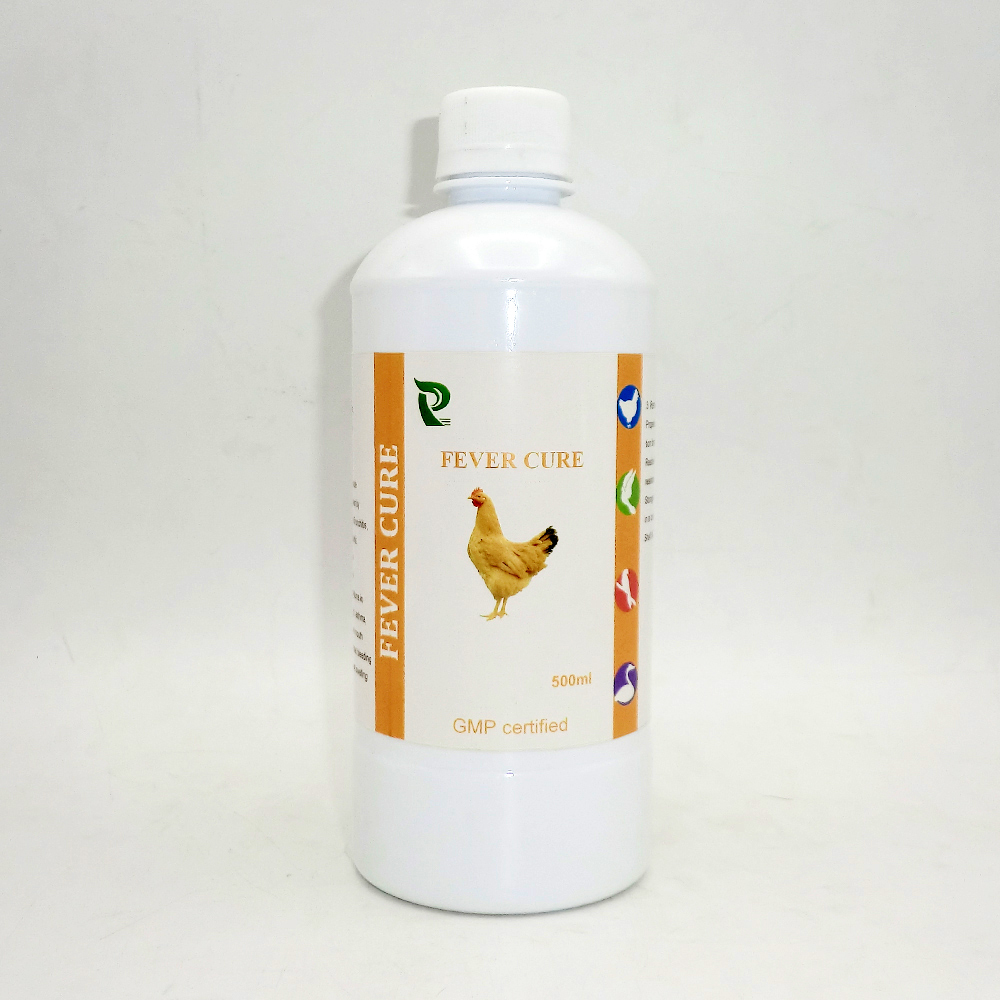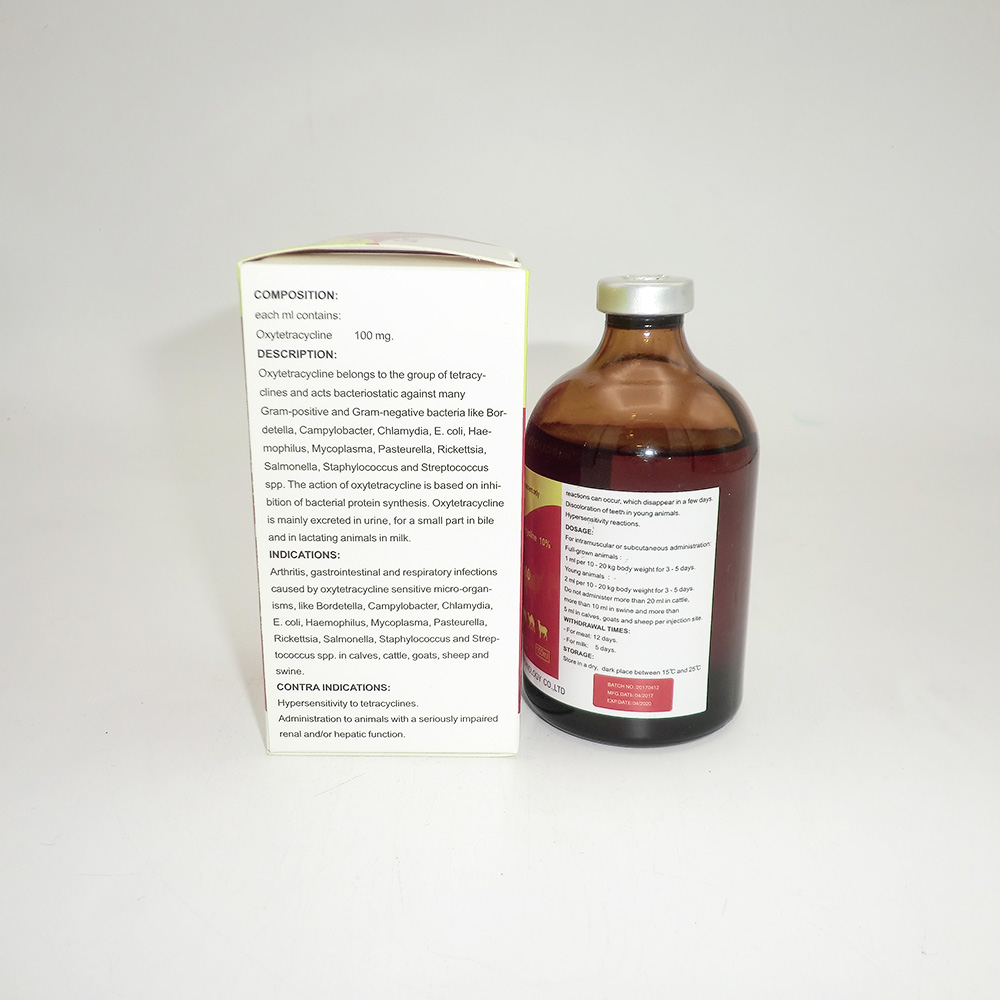
Understanding Veterinary Medicine for Fever: Why It Matters Globally
Veterinary medicine for fever might not sound glamorous, but it’s a vital part of animal healthcare worldwide. Fever in animals signals underlying issues—from infections to heat-related stress—and addressing it promptly ensures not only the animal's welfare but also safeguards human health by controlling zoonotic diseases. Given that livestock and pets play essential roles in economies and daily lives across continents, grasping the nuances of veterinary medicine for fever helps improve animal recovery rates, farm productivity, and even public health outcomes.
With global climate shifts and the intensification of animal farming, fever cases tend to fluctuate unpredictably, making the right veterinary interventions crucial on a larger scale than ever before.
Global Context: The Growing Need for Veterinary Medicine for Fever
From bustling rural farms in sub-Saharan Africa to high-tech dairy operations in Europe, veterinary medicine catering to fever management fills a global niche. According to the Food and Agriculture Organization (FAO), livestock contributes over 40% of the agricultural GDP worldwide. This means animal health directly impacts food security.
Unfortunately, fever symptoms often go untreated in regions where veterinary access is limited—70% of livestock in some low-income countries suffer preventable diseases yearly (World Bank data). Fever, if unchecked, can prelude costly outbreaks or animal loss. So, refining veterinary medicine focused on febrile conditions isn’t just about curing animals; it’s an economic and humanitarian lifeline.
What Is Veterinary Medicine for Fever?
Simply put, veterinary medicine for fever involves diagnosing, managing, and treating elevated body temperatures in animals caused by infections, inflammation, or environmental factors. The process typically includes identifying the fever’s cause, administering appropriate antipyretics or antimicrobials, and supportive care tailored to species and condition severity.
This field connects deeply to modern veterinary science's broader goals: improving life quality for animals and their human caregivers, boosting productivity, and controlling contagious diseases. It blends clinical insight and pharmaceutical innovation—a kind of frontline defense in animal healthcare.
Key Components of Veterinary Fever Management
Accurate Diagnosis
It’s critical to pinpoint whether the fever is bacterial, viral, parasitic, or non-infectious. Veterinarians use temperature checks, blood tests, and sometimes imaging. Rapid diagnostics tools are increasingly adopted to cut down treatment delays.
Effective Medication
Depending on the diagnosis, medicines can be antipyretics like NSAIDs or antibiotics, antiparasitics, or antivirals. Drug safety profiles matter, especially in food-producing animals where residues impact consumers.
Dosage and Treatment Regimen
Correct dosing schedules adapted per animal species and weight help prevent resistance and relapse. It’s a fine line veterinarians walk daily.
Supportive Care and Monitoring
Ensuring animals remain hydrated and stress-free during recovery is often as important as medicines. Continuous monitoring helps adjust treatments timely.
Accessibility and Affordability
Many regions struggle with veterinary medicine availability. Solutions in manufacturing, distribution, and cost reduction are integral to effective fever control on a global scale.
Mini takeaway: Effective veterinary fever treatment relies on accurate diagnosis, targeted medication, and supportive care—plus the right access and cost strategies. These ingredients combined create a practical, replicable healthcare model.
Practical Applications Across the Globe
In developing countries, NGOs and government programs deploy fever management kits to remote farms, fighting outbreaks like bovine respiratory disease. For instance, in parts of India, community animal health workers use these kits to reduce livestock mortality during monsoon season.
Meanwhile, advanced farms in North America and Europe employ sophisticated monitoring devices and AI diagnostics to pre-empt febrile illnesses, minimizing animal stress and antibiotic overuse. Emergency veterinary teams in disaster zones—think flood-affected areas in Southeast Asia—rely heavily on portable veterinary fever treatments to maintain herd health.
Even urban pet clinics globally depend on streamlined protocols developed through veterinary medicine for fever to protect companion animals effectively.
Advantages and Long-Term Benefits
- Cost Efficiency: Early fever management reduces expensive complications and loss of livestock.
- Sustainability: Proper medication use curbs antimicrobial resistance—an ongoing global concern per WHO.
- Animal Welfare: Faster recovery means animals experience less pain and stress.
- Trust and Innovation: Owners gain confidence in veterinary services, encouraging broader engagement.
- Food Safety: Reducing fever-causing infections limits foodborne pathogens entering the human food chain.
Oddly enough, the emotional reassurance farmers get when they see their animals bounce back is often underestimated yet crucial.
Product Specification Table: Veterinary Fever Medication (Example)
| Specification | Details |
|---|---|
| Active Ingredient | Meloxicam (NSAID) |
| Administration Route | Oral suspension / Injection |
| Dosage | 0.5 mg/kg once daily |
| Target Species | Cattle, Sheep, Goats |
| Shelf Life | 24 months |
| Storage Conditions | Store below 25°C, protect from light |
Vendor Comparison Table: Leading Veterinary Medicine Providers
| Vendor | Regions Served | Product Range | Price Range | Notable Features |
|---|---|---|---|---|
| VetCare Global | Africa, Asia | NSAIDs, Antibiotics, Diagnostics | $$ - Affordable for emerging markets | Mobile vet apps, community training |
| AgroVet Solutions | Europe, North America | Broad-spectrum antimicrobials, Sensors | $$$ - Premium technology integration | AI diagnostic support, sustainability focus |
| FarmWell Pharma | Latin America, Australia | Traditional remedies, NSAIDs | $ - Budget-friendly options | Focus on rural farmer outreach |
Emerging Trends and Innovations
Veterinary medicine for fever isn't static. We're seeing breakthroughs in rapid pathogen detection kits that can be used right in the field. Digital temperature monitoring collars for livestock allow real-time alerts; it’s a bit like wearable tech for animals. Automation is creeping in: drones delivering medicines to remote pastures. Another exciting development is green formulations—antipyretics and antimicrobials based on natural compounds, reducing chemical residues.
Policy-wise, the One Health approach emphasizes veterinary care as part of a holistic plan to protect human, animal, and environmental health. This integrated frame will steer funding and innovation moving forward (WHO).
Challenges and How We Overcome Them
Access is still a thorny issue. Rural areas often lack vets, cold-chain infrastructure for medicines, and affordable diagnostics. Resistance against antibiotics also threatens success.
But new community animal health worker programs and point-of-care diagnostics are bridging these gaps. Multinational collaborations share data to track disease patterns early. In testing, pooled-sample methods can reduce costs.
It's not perfect, but I get the sense we’re on the cusp of a quiet revolution in fever care in animals—one where high- and low-resource settings start converging in outcomes.
Frequently Asked Questions About Veterinary Medicine for Fever
- What are the common causes of fever in livestock?
- Fever arises mainly due to infections—bacterial, viral, or parasitic—as well as heat stress, inflammatory conditions, or toxic exposures. Identifying the cause is key to effective treatment.
- Can all fever in pets be treated with over-the-counter medicine?
- Not really. Pets require veterinary diagnosis to avoid complications. Some human medicines are toxic to animals, so professional guidance is recommended.
- How quickly should I seek veterinary help if my animal has a fever?
- If an animal shows prolonged fever (over 24-48 hours), lethargy, or other symptoms like loss of appetite, immediate veterinary consultation is crucial.
- Are there vaccination strategies to prevent fever-causing diseases?
- Yes, vaccines against common infections like foot-and-mouth disease or canine distemper reduce fever incidence and improve herd immunity.
- Where can I buy reliable veterinary fever medication?
- Purchasing through licensed veterinary suppliers ensures quality. Check local providers or online platforms with professional oversight.
Conclusion: Why Veterinary Medicine for Fever Deserves Your Attention
At the end of the day, tackling fever in animals isn’t just about temperature — it’s about protecting livelihoods, advancing food security, and fostering sustainable coexistence with animals. The combination of improved diagnostics, accessible medication, and integrative care models is shaping a future where animal health translates directly to human benefit.
For anyone interested in learning more or sourcing top veterinary medicines, visit our website to explore options tailored for your needs.
References
Post time: November 30, 2025