Understanding Animal Health Products: Vital Tools for Global Well-Being
It may sound straightforward, but animal health products play a far bigger role in our world than most realize. From boosting food security to guarding public health, these products form a cornerstone of sustainable development and humanitarian aid. Frankly, grasping what these products entail and their impact helps industries, governments, and individuals drive smarter, safer decisions worldwide.
Global Context: Why Animal Health Products Matter
The global animal health market alone was valued at approximately $54 billion in 2023 and is projected to grow further, according to industry reports. This data reflects a rising awareness of animal welfare, zoonotic disease control, and the economic power of livestock farming. Organizations like the World Organisation for Animal Health (OIE) emphasize that healthy animals contribute directly to human health outcomes and food security. Yet, major challenges remain — including antibiotic resistance, accessibility of quality veterinary products in developing countries, and assurance of product safety standards (1).
In real terms, animal health products address issues ranging from infectious diseases in livestock to parasites in pets, affecting millions of farmers and pet owners globally. They’re not just veterinary medicines but also a toolkit supporting economic stability and environmental balance.
What Exactly Are Animal Health Products?
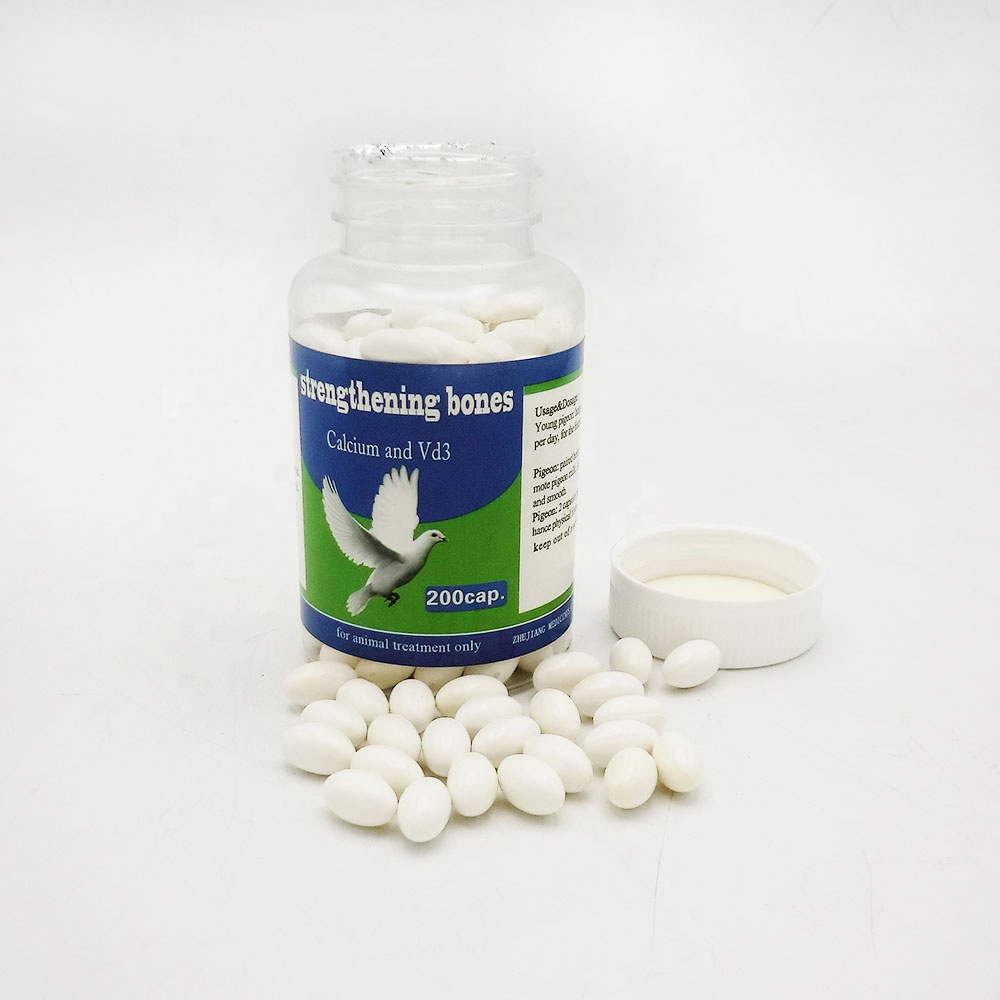
Put simply, animal health products are substances or devices used to prevent, diagnose, or treat diseases in animals. This category includes vaccines, pharmaceuticals, feed additives, diagnostic kits, and even grooming supplies. They bridge veterinary science and commercial agriculture — crucial for maintaining animal welfare, controlling epidemics like avian flu, and enhancing productivity.
On a humanitarian level, these products help ensure that animals used for food or work remain healthy, protecting the livelihoods of vulnerable communities. Oddly enough, this interconnection between animals and humans, sometimes overlooked, forms a fundamental part of “One Health” initiatives which strive for a holistic approach to health globally.
Core Components of Animal Health Products
1. Safety and Efficacy
No surprise here — the effectiveness of vaccines and medicines, combined with their safety for both animals and humans, is essential. Rigorous testing and quality assurance govern this aspect, overseen by agencies like the FDA and EMA.
2. Accessibility and Scalability
In many rural parts of the world, reaching farmers with affordable vaccines or antiparasitic treatments can be tricky. Products designed with stability (think heat-resistant vaccines) and easily scalable manufacturing processes have a major edge.
3. Sustainability & Environmental Impact
With growing environmental concerns, formulations that minimize residues, reduce antibiotic overuse, or are made from eco-friendly materials matter. Feed additives that improve nutrient absorption reducing methane emissions are one example here.
4. Versatility Across Species
The best products often cater to multiple species or types of animals, enhancing their commercial and practical appeal—from poultry and cattle to pets and wildlife.
5. Innovation & Integration
Emerging tech like digital diagnostics and targeted drug delivery systems help tailor treatments on-the-go, lowering wastage, and improving health outcomes rapidly.
Product Specification Table: A Snapshot of Common Animal Health Products
| Product Type | Primary Use | Key Benefit | Typical Species |
|---|---|---|---|
| Vaccines | Prevention of infectious diseases | Long-lasting immunity, herd protection | Cattle, poultry, swine, pets |
| Antiparasitics | Control internal & external parasites | Improved growth & productivity | Livestock & companion animals |
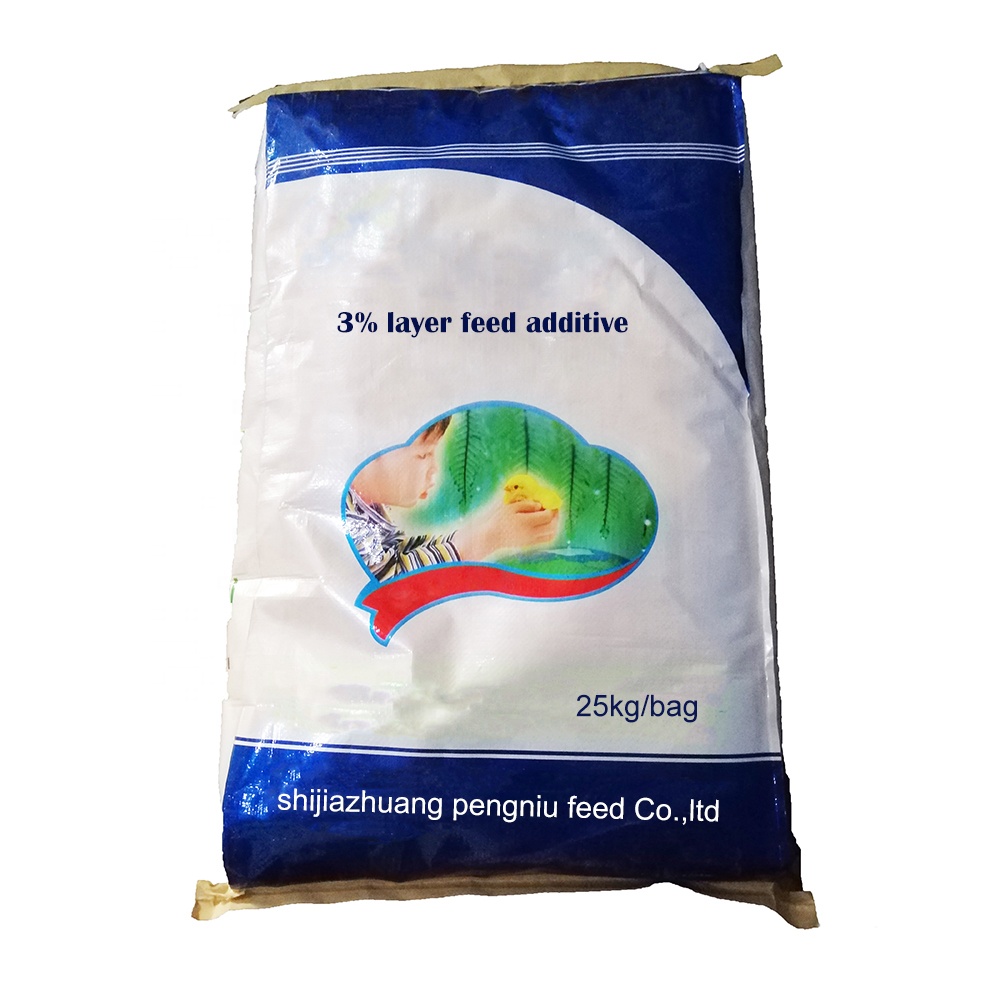
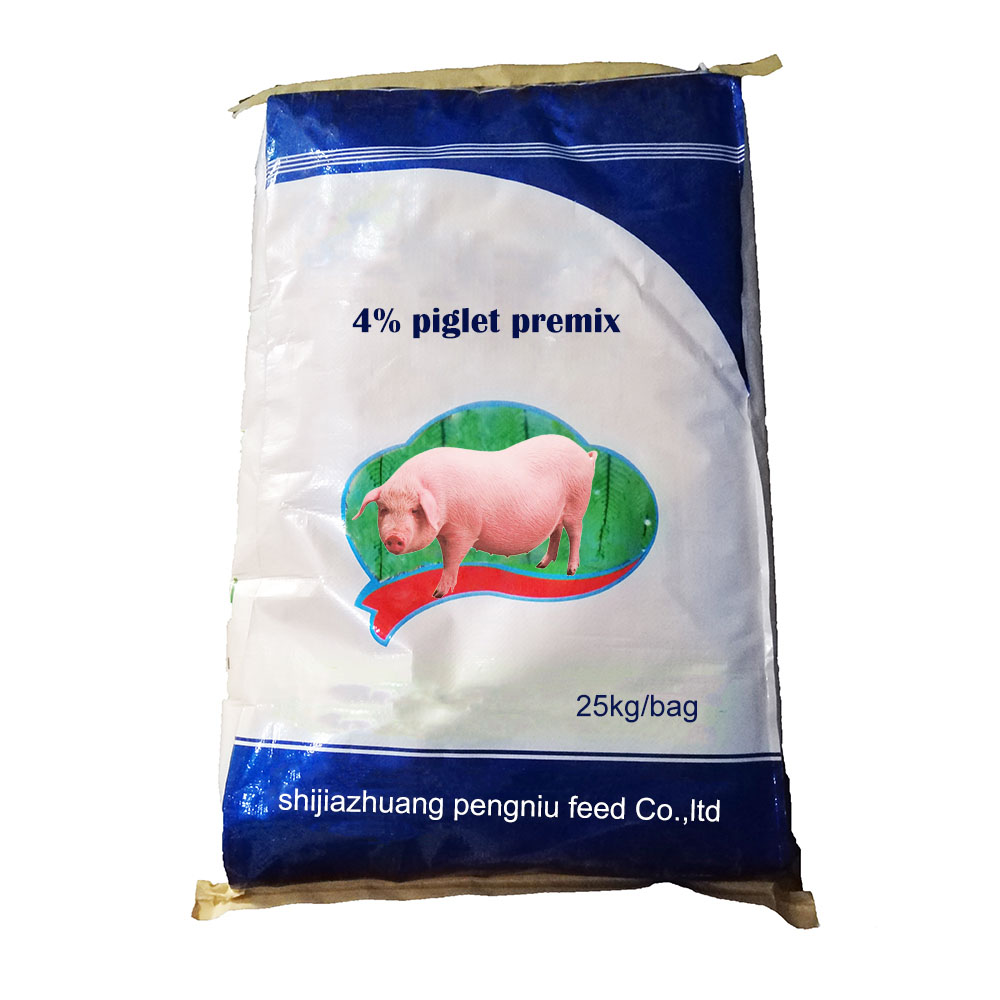
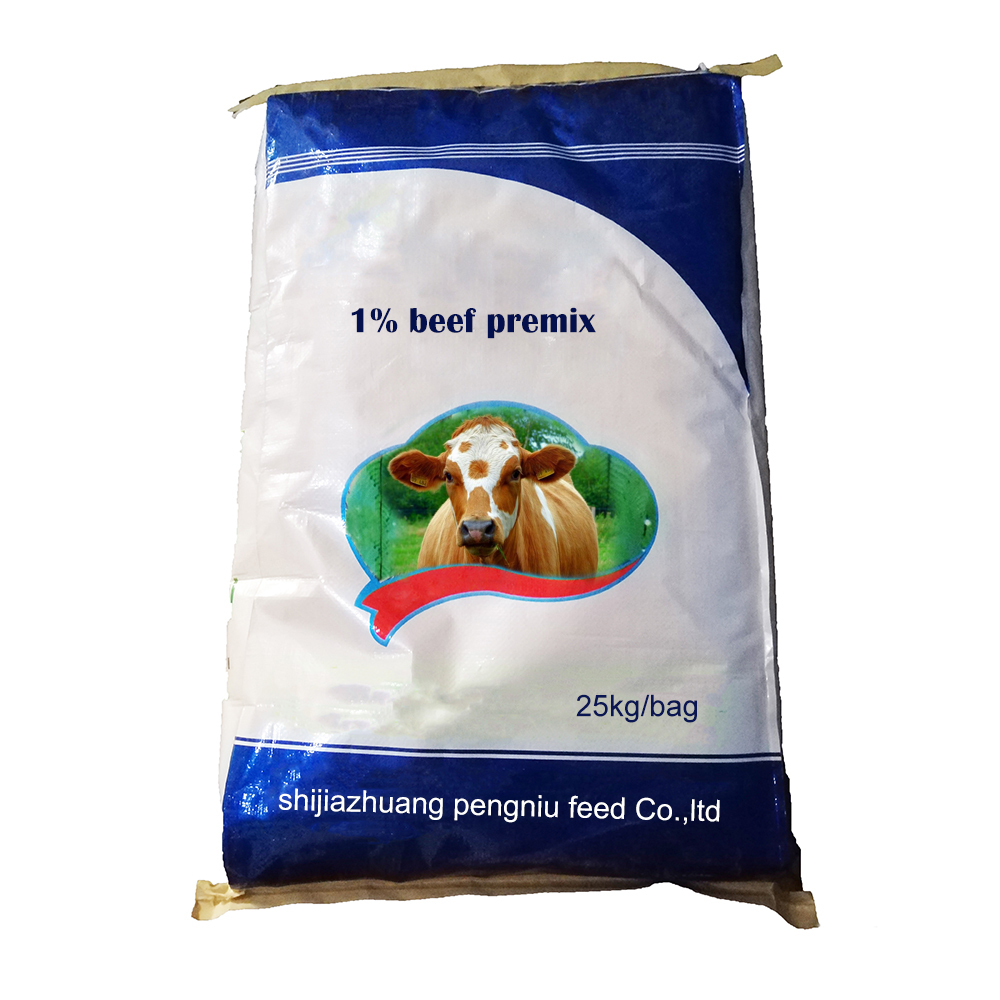
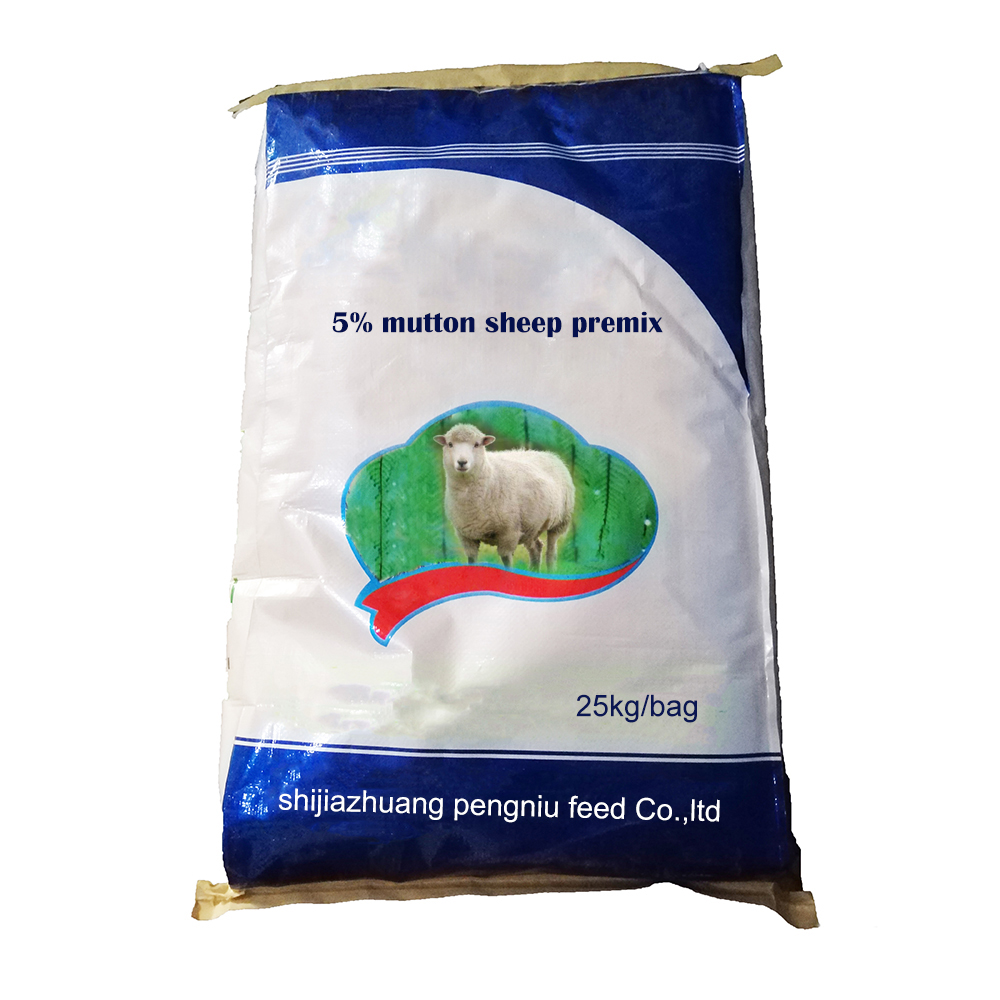
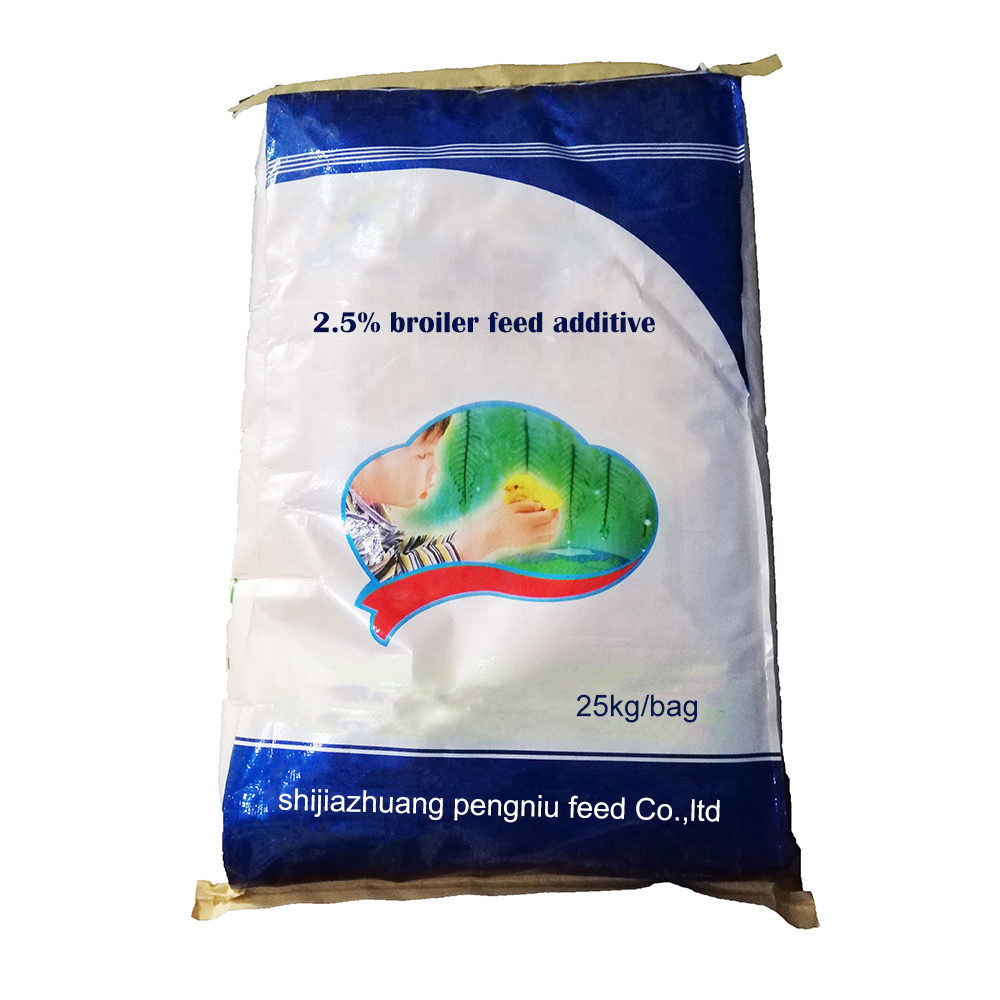
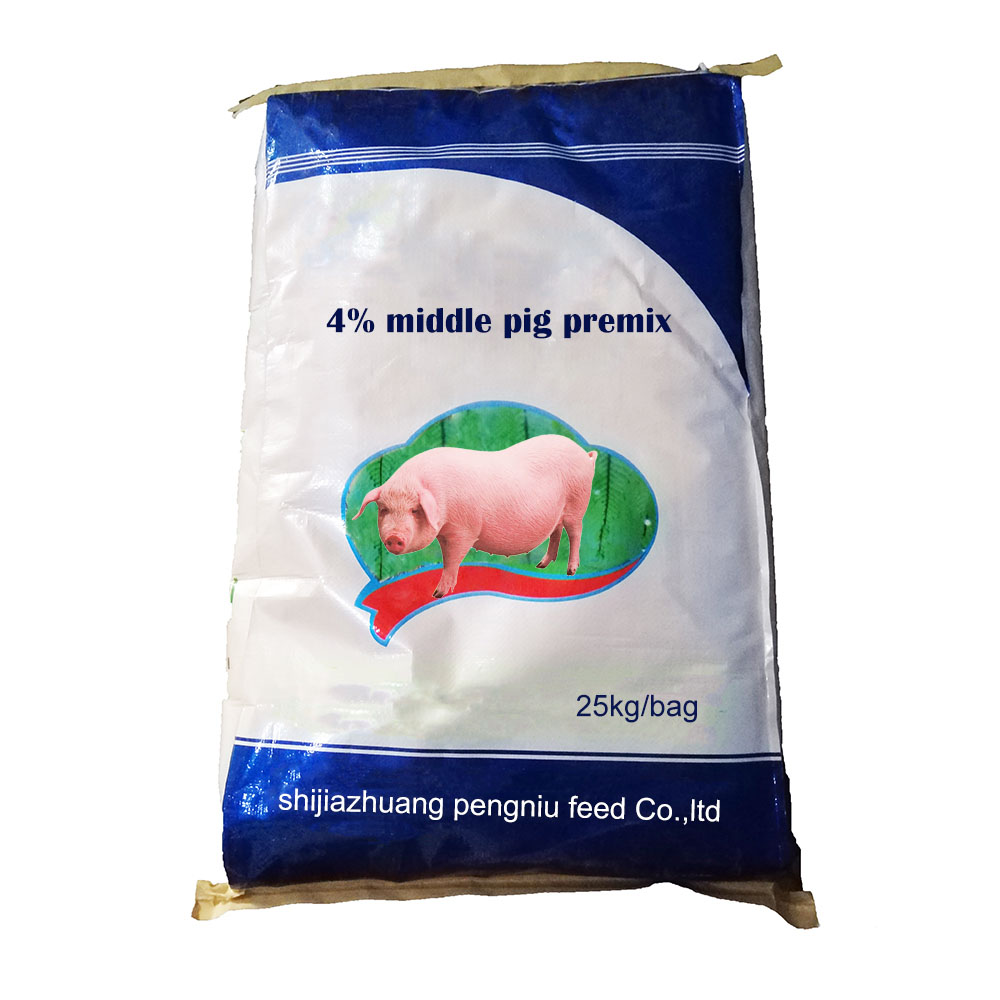
| Feed Additives | Nutritional enhancement and disease prevention | Better feed efficiency, environmental sustainability | Livestock, aquaculture |
| Diagnostic Kits | Identify diseases quickly on-site | Rapid treatment decisions | Various animal species |
Global Applications & Use Cases
Animal health products serve multiple sectors across continents. In sub-Saharan Africa, for instance, injectable vaccines and oral antiparasitic treatments help smallholder farmers protect cattle from devastating diseases like foot-and-mouth virus or tick-borne infections, which, if unchecked, threaten livelihoods. Meanwhile, in the industrialized livestock systems of North America and Europe, precise feed additives and antibiotic alternatives shape more sustainable meat and dairy production.
Post-disaster relief groups also rely heavily on these products to stabilize animal populations after floods or droughts—for communities dependent on livestock, this support directly affects food availability and economic recovery.
Large NGOs and veterinary services increasingly use digital diagnostic tools paired with mobile apps to monitor animal health trends remotely, especially in regions where veterinary personnel are scarce.
For more on broad animal-related supplies, see our offerings in animal health products.
Mini Takeaway:
Animal health products address critical agricultural and health needs worldwide — from rural small farms to advanced industrial operations — improving both animal welfare and human resilience.
Advantages & Long-Term Value
- Cost Savings: Preventative care reduces costly disease outbreaks and loss of livestock.
- Sustainability: Use of eco-friendly formulations supports environmental goals.
- Social Impact: Healthier animals mean improved nutrition and income for vulnerable populations.
- Trust & Innovation: Continuous product improvements foster confidence among vets and farmers alike.
In a way, investing in animal health products feels like planting seeds for a future where animals and people thrive symbiotically — it’s not just economic, but a deeply human enterprise.
Future Trends & Innovations
The industry is advancing rapidly with technologies such as gene editing for disease resistance, blockchain for supply chain transparency, and AI-powered diagnostic platforms enabling personalized treatment plans. There’s a clear push toward “green” products that minimize environmental footprints and reduce chemical residues, aligning with global sustainability goals like those in the UN Sustainable Development Goals.
Automation in production and cold-chain logistics is also improving product stability and reach — which frankly might be a game-changer for rural and remote communities.
Challenges & Expert Solutions
Despite growth, challenges like regulatory hurdles, counterfeit products, and knowledge gaps in rural use persist. Experts suggest increased global collaboration, capacity building for local vets, and adoption of innovative mobile tools for education and tracking.
For instance, digital platforms help identify counterfeit animal drugs and allow farmers to verify products before purchase — which could minimize ineffective treatments and foster better health outcomes.
Vendor Comparison Table: Leading Animal Health Product Providers
| Vendor | Product Range | Global Reach | Sustainability Initiatives | Notable Strengths |
|---|---|---|---|---|
| Boehringer Ingelheim | Vaccines, Pharmaceuticals | Over 150 countries | Carbon-neutral production by 2030 | Strong R&D and animal welfare focus |
| Zoetis | Vaccines, Diagnostics, Feed Additives | Global, especially Americas & Asia | Investing in reduced antibiotic use | Integrated portfolio & data-driven solutions |
| Elanco | Pharmaceuticals, Nutritional Products | Widely distributed in emerging markets | Focus on antibiotic stewardship | Strong presence in livestock nutrition |
| Vetoquinol | Pharmaceuticals, Parasiticides | Europe, Africa, Asia | Developing biodegradable formulations | Focus on companion animals and livestock |
Frequently Asked Questions About Animal Health Products
- 1. What types of animal health products are essential for small farms?
- Small farms benefit largely from vaccines, antiparasitic treatments, and nutritional feed additives to keep livestock healthy and productive. Emphasis is often on affordable, easy-to-administer forms suited to limited resources.
- 2. How do veterinarians verify the quality of animal medicines?
- Veterinarians rely on product labels approved by regulatory bodies and often use diagnostics to confirm diseases before recommending treatments. Verified supply chains and batch testing also help maintain product reliability.
- 3. Are there eco-friendly alternatives to traditional veterinary pharmaceuticals?
- Yes, innovations like natural herbal formulations, probiotics, and targeted drug delivery systems reduce environmental impact and help combat antibiotic resistance, aligning with sustainable farming goals.
- 4. How can farmers access animal health products in remote regions?
- Mobile veterinary clinics, veterinary extension services, and digital platforms are expanding reach. Supply chain improvements and community training further facilitate access globally.
- 5. What role do feed additives play in animal health?
- Feed additives enhance nutrition, improve immune function, and reduce disease risks, translating into better growth rates and lower environmental emissions—a win-win for farmers and the planet.
Conclusion: Embracing the Future of Animal Health Products
In essence, animal health products are far more than mere commodities. They are pillars supporting food security, rural economies, and public health across our planet. By investing thoughtfully in quality, sustainability, and innovation, stakeholders can foster a future where animals thrive alongside humans in a balanced ecosystem.
If you want to explore trusted, effective animal health solutions, visit our site at https://www.rcpetfood.com. Because healthier animals mean a healthier world — and that’s something we can all root for.
It feels a bit like caring for the entire food chain... because, frankly, it is.
References:
Post time: December 2, 2025