Understanding Animal Health Companies: Vital Players in Global Wellbeing
When we think about global health challenges, our minds usually jump to human medicine, vaccines, or pandemic control. But oddly enough, the role of animal health companies often slips under the radar — and that’s a bit of a miss. These organizations aren’t just about pets or livestock; they touch food security, environmental sustainability, and even pandemic prevention in critical ways.
Globally, the animal health industry shapes how we protect animals from diseases, ensure safe food supplies, and support farmers and veterinarians with tools and treatments they can trust. With increasing concerns around zoonotic diseases — those that jump from animals to humans — understanding these companies is more important than ever.
Why Should We Care About Animal Health?
Simply put: healthy animals mean a healthier planet and population. The World Bank estimates livestock contributes to about 40% of the global agricultural GDP, underscoring the economic impact of animal health. Disease outbreaks in animals can trigger food shortages, economic shocks, and even human health crises. So these companies play a crucial role in the chain connecting agriculture, environment, and human health.
Animal health companies are advancing solutions that go far beyond traditional medicines — including vaccines, diagnostics, nutrition, and digital health platforms — all aimed at improving animal welfare worldwide.
Defining Animal Health Companies
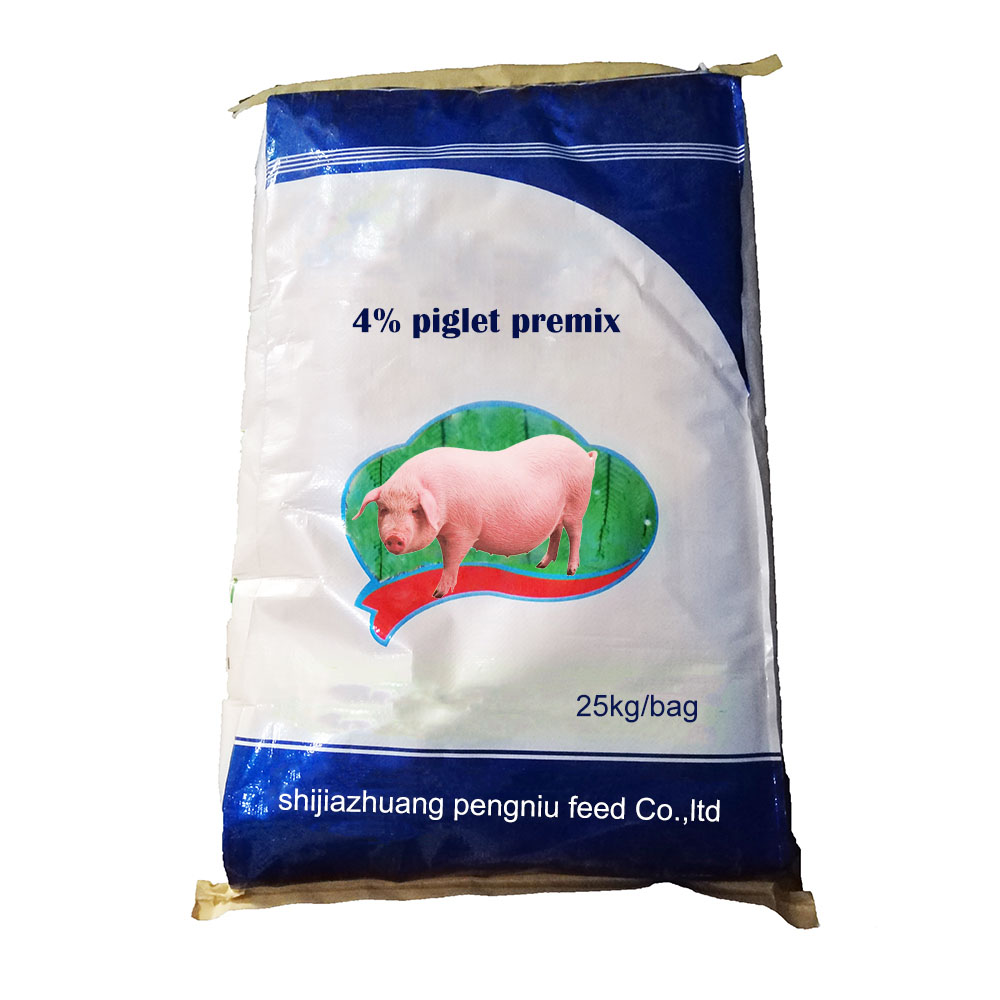
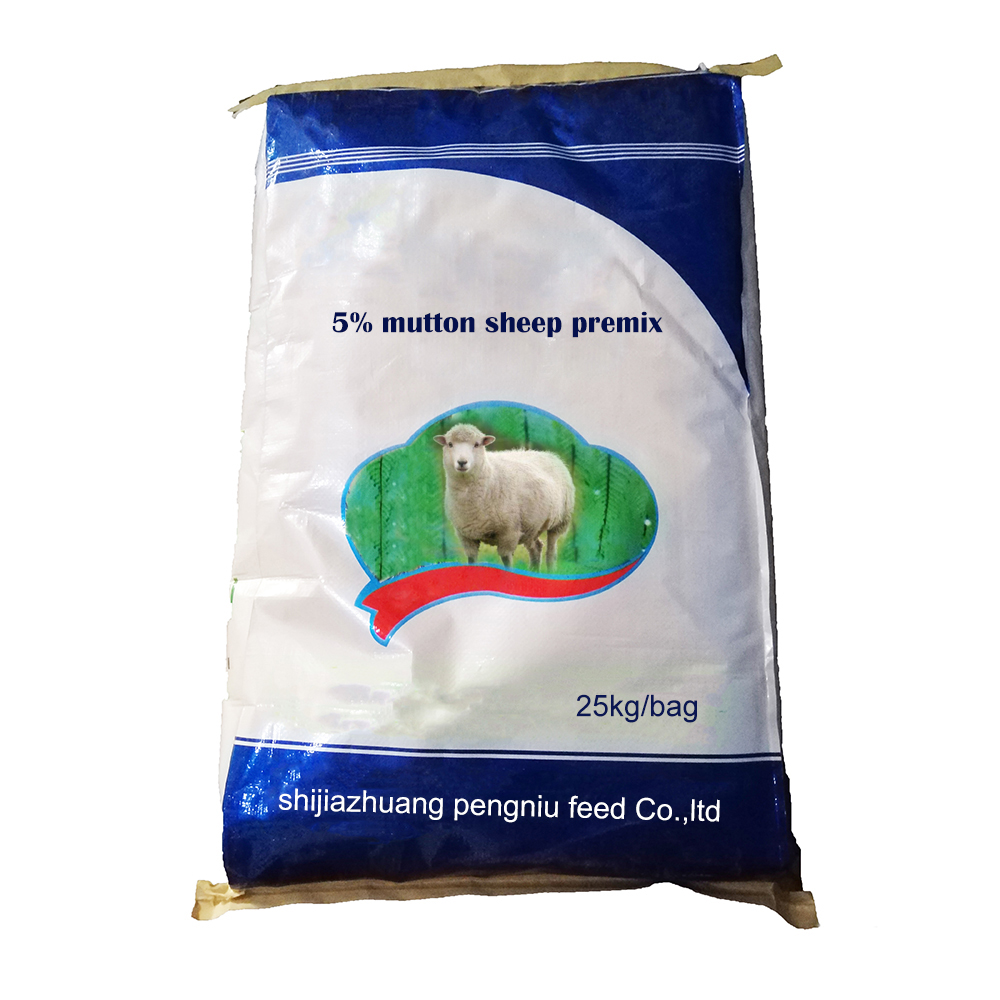
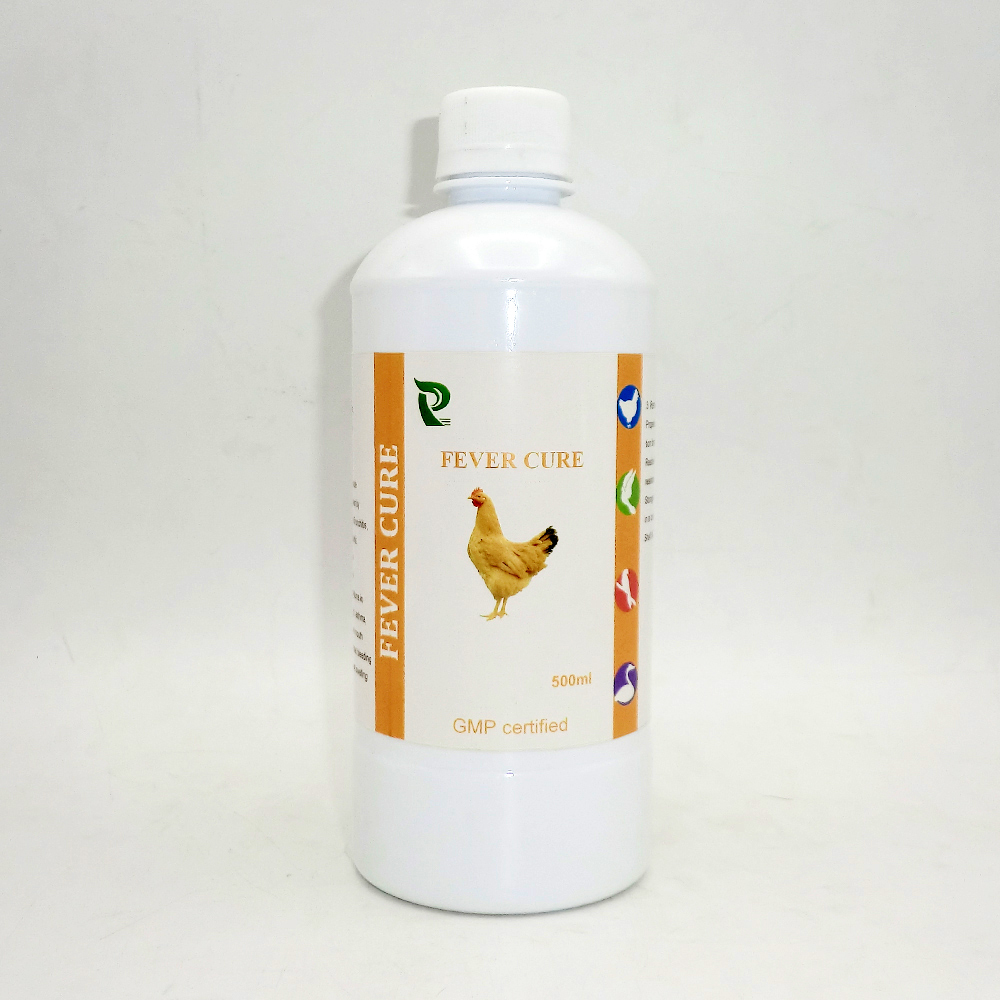
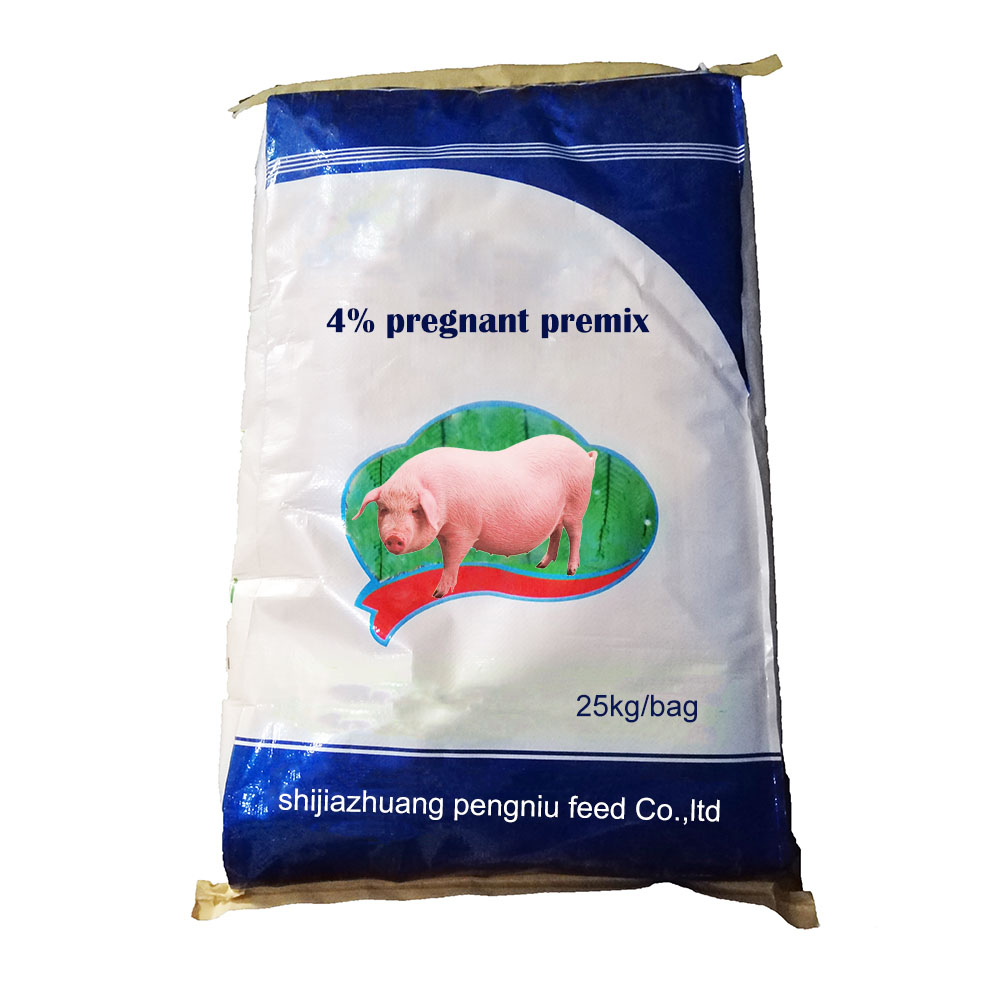
So, what exactly are animal health companies? In essence, they are businesses dedicated to developing, manufacturing, and distributing products and services that keep animals healthy. This includes medications, vaccines, diagnostic tools, nutritional supplements, and now increasingly, software solutions for monitoring animal health.
They serve a diverse clientele from livestock farmers, veterinarians, pet owners, to large agribusiness corporations. The goal? Prevent diseases, improve animal welfare, enhance productivity, and reduce risks that threaten food security and human well-being.
Key Components of Animal Health Companies
1. Research & Development (R&D)
Innovation drives the industry. Companies invest heavily in R&D to create effective vaccines against emerging diseases, develop rapid diagnostic tests, or formulate nutritional supplements tailored to species’ needs. For example, one rapidly growing area is biologics — live therapies that offer alternatives to traditional antibiotics.
2. Product Range
Typically, their portfolios cover:
- Pharmaceuticals (antimicrobials, antiparasitics)
- Vaccines (preventative and therapeutic)
- Diagnostics (lab tests, rapid kits)
- Nutritional products (vitamins, minerals)
- Digital health services (wearables, monitoring apps)
3. Global Distribution & Supply Chain
Given the wide spread of livestock and pets, companies establish strong distribution networks often reaching remote and underserved regions. Their efficiency and reliability here can make a huge difference in emergency disease outbreaks or farm productivity.
4. Regulatory Compliance
Strict adherence to regional and international standards (e.g., FDA, EMA, OIE - World Organisation for Animal Health) is a must. This ensures safety, efficacy, and public trust.
5. Sustainability & Ethics
With growing awareness, companies embrace sustainable sourcing and production methods to limit environmental impact. Ethically, improving animal welfare aligns with consumer expectations and global guidelines.
Product Specification Snapshot: Typical Animal Health Product
| Specification | Typical Value |
|---|---|
| Product Type | Multivalent Vaccine |
| Shelf Life | 18 Months Refrigerated |
| Target Species | Cattle, Sheep |
| Administration | Subcutaneous Injection |
| Storage Temperature | 2°C - 8°C |
Global Applications & Real-World Use Cases
Across continents, these companies empower farmers, veterinarians, and governments to manage animal health in practical ways. In African rural communities, for instance, vaccination programs facilitated by animal health providers help control deadly diseases like Rift Valley fever, which can decimate livestock and threaten human populations. Similarly, in industrialized countries, pet healthcare innovations enhance animal welfare and longevity.
Think of post-disaster relief operations, where rapid deployment of veterinary medicines helps prevent disease spread among displaced livestock. In remote mining outposts or agricultural zones, digital monitoring tools from these companies keep real-time tabs on animal health despite harsh conditions.
Vendor Comparison Table: Leading Animal Health Companies
| Company | Product Range | Global Reach | Innovation Focus | Sustainability Practices |
|---|---|---|---|---|
| Zoetis | Vaccines, diagnostics, pharmaceuticals | Over 100 countries | Digital health platforms, biologics | Carbon footprint reduction initiatives |
| Boehringer Ingelheim | Pharmaceuticals, vaccines, parasiticides | Global, strong in Europe and Asia | Gene therapies, advanced vaccines | Sustainable sourcing & animal welfare focus |
| Elanco | Medicines, vaccines, feed additives | Operates in 90+ countries | Antimicrobial alternatives, digital tools | Commitment to circular economy |
Advantages & Long-Term Value
Investing in quality animal health products means not just fewer sick animals but also more stable livelihoods for farmers and safer food for consumers. The long-term value is multifaceted:
- Economic resilience: Healthy animals translate to consistent productivity, stable incomes, and reduced outbreak costs.
- Environmental benefits: Reduced disease incidence lessens waste and antibiotic overuse, supporting sustainability goals.
- Social impact: Supporting communities through effective animal health programs fosters dignity and improves food security.
- Innovation: The drive for smarter vaccines and digital diagnostics is reshaping animal care.
Future Trends & Innovations in Animal Health Companies
Frankly, the pace of change is exciting. Digital transformation is everywhere — sensors track animal vitals in real-time, AI assists diagnostics, and blockchain improves supply chain transparency. Biotechnological advances focus on alternatives to traditional antibiotics, addressing antimicrobial resistance — a pressing global concern per the World Health Organization.
Environmental sustainability is also front and center. Many leading companies are adopting greener manufacturing processes and committing to carbon neutrality. The rise of precision livestock farming promises optimized resource use and better health outcomes, ushering in a new era of responsible animal agriculture.
Challenges & Expert Solutions
Of course, it’s not all smooth sailing. Challenges persist, such as regulatory hurdles that vary widely across countries, logistical difficulties in remote areas, and the ongoing battle against rapidly mutating pathogens.
Experts suggest leveraging public-private partnerships to enhance distribution and regulatory harmonization. Additionally, investing in local capacity-building ensures that products are correctly used and monitored. Embracing digital tools can also bridge gaps, offering faster, more accurate responses to emerging threats.
FAQ: Common Questions About Animal Health Companies
Q1: How do animal health companies contribute to preventing zoonotic diseases?
A1: They develop vaccines and diagnostic tools that control infections in animals before they spread to humans. By partnering with public health systems, these companies provide early intervention mechanisms critical in reducing zoonotic risk.
Q2: Are animal health products safe for food-producing animals?
A2: Absolutely. Products undergo rigorous testing and must comply with strict regulatory standards that ensure safety for both animals and consumers of animal-derived food products.
Q3: How do these companies reach farmers in remote areas?
A3: Through a mix of local distributors, mobile veterinary services, and increasingly, digital platforms that empower farmers with information and ordering capabilities even in hard-to-access regions.
Q4: What role does digital technology play in animal health?
A4: Digital tech enables real-time health monitoring, predictive analytics, and remote diagnostics—empowering quicker, more precise treatment decisions and better overall management.
Q5: Can small-scale farmers afford these products?
A5: Many companies offer tiered pricing, smaller package sizes, and collaborate with NGOs to subsidize costs, making products accessible and affordable to smaller operations.
Conclusion: Why Animal Health Matters — and What You Can Do
In real terms, animal health companies are linchpins in a vast ecosystem connecting agriculture, economics, public health, and environmental stewardship. Their innovations, practices, and global reach not only protect animals but underpin human wellbeing and food security worldwide.
If you want to learn more about how these companies are shaping the future or need trusted products and guidance, visit our website: https://www.rcpetfood.com.
Mini takeaway: The future of animal health lies at the intersection of science, empathy, and sustainability — a space where animal health companies will continue to evolve and innovate.
References
Post time: December 2, 2025