Understanding Vet Supply: Essential Backbone of Global Veterinary Care
When we talk about vet supply, we’re really diving into the lifeline behind effective veterinary services worldwide. It’s not merely a bunch of tools or products—it’s the critical network that ensures animal health, boosts agricultural productivity, and ultimately safeguards food security. Globally, a well-run vet supply system is a keystone for both public health and economic stability. For anyone involved in animal care or agricultural industries, understanding this supply chain can mean the difference between thriving populations and devastating outbreaks.
Why Vet Supply Matters Globally
Here’s the thing: the veterinary supply chain isn’t just about animals; it runs deep into human welfare. According to the Food and Agriculture Organization (FAO), livestock supports the livelihoods of about 1.3 billion people worldwide. Faulty or delayed vet supply means risk of disease spread, loss of productivity, and in worst cases, starvation or zoonotic disease outbreaks. In a report by the World Organisation for Animal Health (OIE), approximately 75% of emerging infectious diseases are zoonotic—meaning they jump from animals to humans. So, vet supply isn’t a niche concern; it’s a global safeguard.
What is Vet Supply?
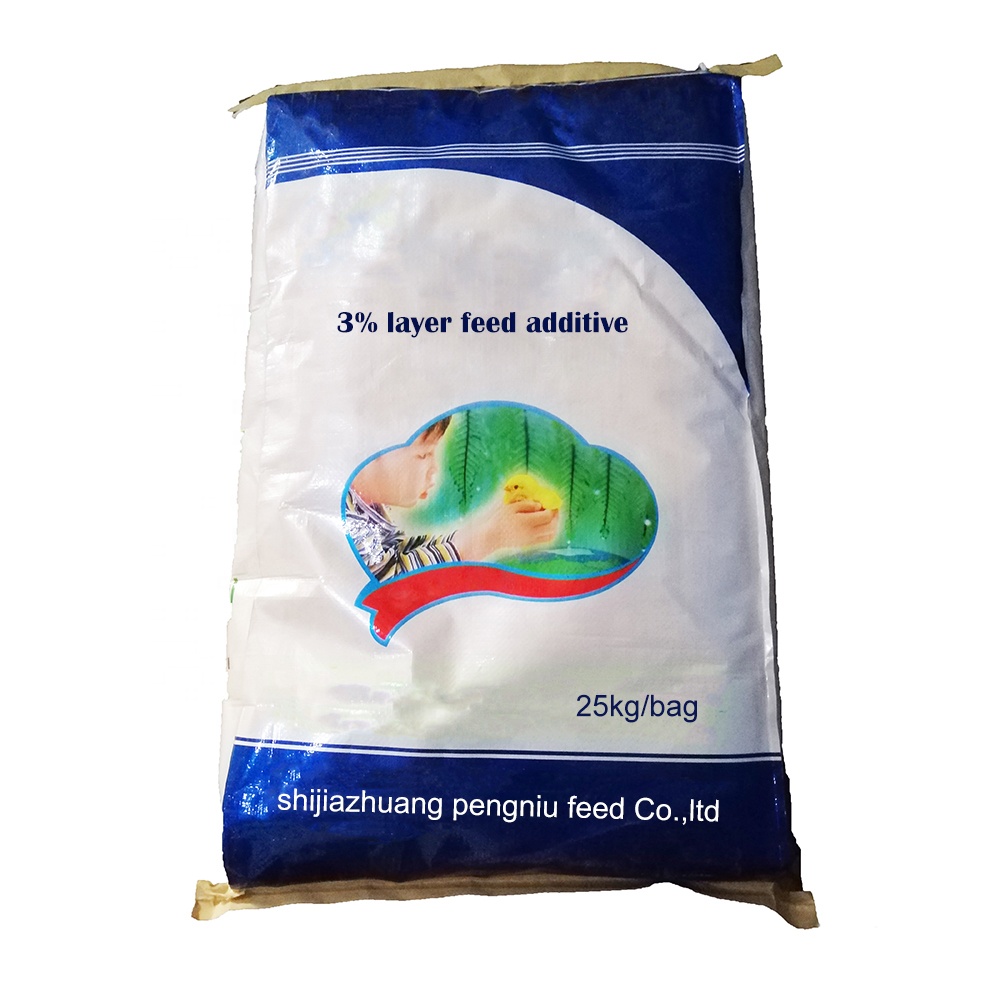
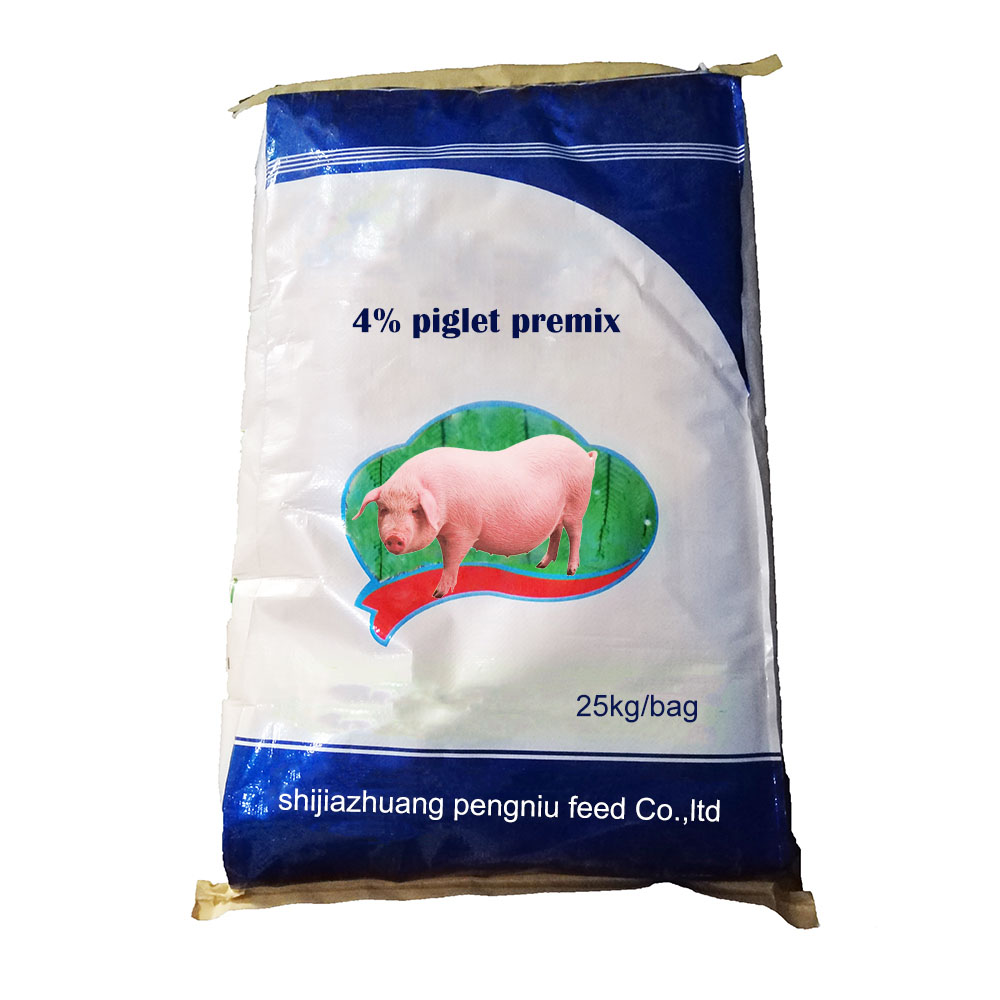
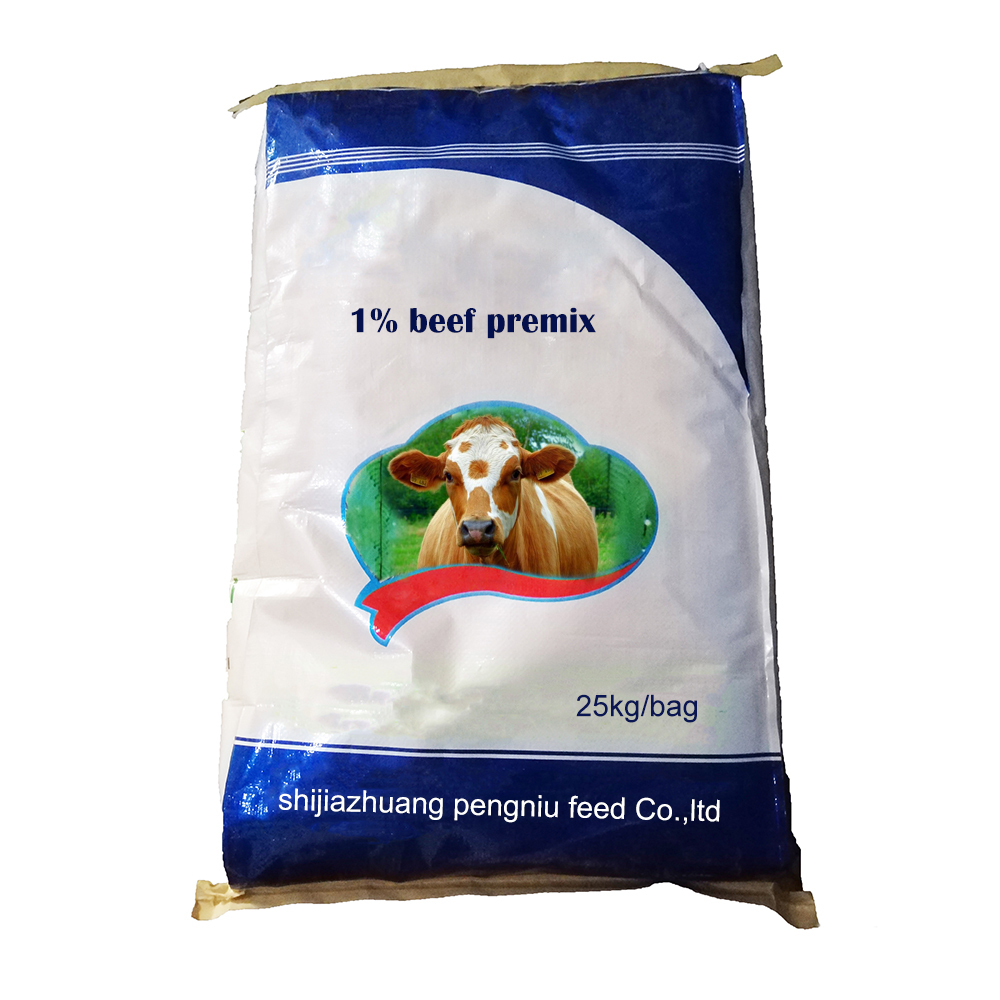
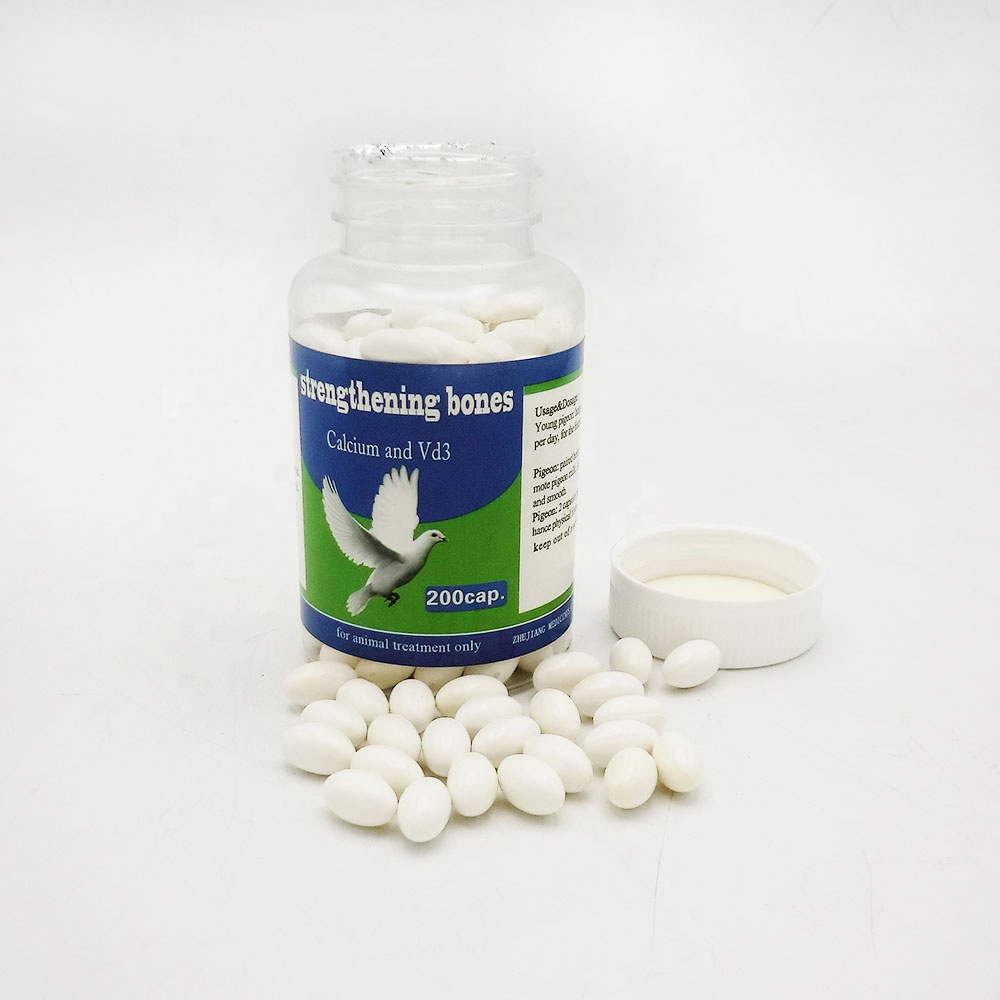
Simply put, vet supply involves the procurement, storage, and delivery of veterinary products necessary for animal health management. This includes everything from vaccines, antibiotics, diagnostic kits, surgical tools, to nutritional supplements. It also encompasses the logistics, cold-chains, and quality controls ensuring these goods remain effective through to point of use.
Fundamentally, it bridges the gap between veterinary science and field application. Without it, even the most advanced medicines sit unused, and animals remain vulnerable.
Key Aspects of Vet Supply
1. Quality and Safety Standards
Vet supplies must meet strict standards to avoid harmful residues or ineffective treatments. ISO certifications and OIE guidelines shape the manufacturing and transport protocols—so you know the product performs.
2. Cold Chain Integrity
Many vaccines require constant refrigeration (2-8°C). Maintaining this cold chain—from factory to rural clinic—is crucial. Failures can render expensive products useless. Innovative refrigeration like solar-powered coolers helps in remote areas.
3. Accessibility & Scalability
Supplies must reach both big urban clinics and tiny farms in developing countries. Scalability—from a few doses to bulk shipments—makes vet supply adaptable to various demands.
4. Cost Efficiency
Affordable supplies increase adoption. Bulk procurement and local manufacturing sometimes reduce costs, yet maintaining quality is always a balancing act.
5. Traceability & Authenticity
Counterfeit vet products are a big issue globally. Systems using RFID or blockchain ensure transparency and trustworthiness.
Global Applications & Use Cases
Consider post-disaster relief, such as during floods or droughts in Southeast Asia, where rapid deployment of veterinary vaccines and antibiotics prevents livestock disease outbreaks that would cripple subsistence farmers. In sub-Saharan Africa, programs distributing anti-parasitic treatments have boosted herd health and milk production dramatically. Meanwhile, western industrial farms rely on routine vet supplies for preventing disease spread in highly concentrated animal populations.
Organizations like the WHO and UNICEF sometimes work with local partners to enhance supply chains, ensuring quality products reach the most vulnerable zones. And odd as it sounds, even remote Arctic research stations rely on vet supply chains to manage sled dog health.
Vet Supply Product Specifications (Example)
| Product | Type | Storage Conditions | Shelf Life | Target Animals |
|---|---|---|---|---|
| Canine Rabies Vaccine | Vaccine | 2-8°C Refrigerated | 18 months | Dogs |
| Livestock Dewormer XR | Oral Antiparasitic | Room Temperature | 24 months | Cattle, Sheep |
| Equine Wound Spray | Topical Antiseptic | Room Temperature | 12 months | Horses |
Comparing Major Vet Supply Vendors
| Vendor | Product Range | Geographic Coverage | Cold Chain Solutions | Price Competitiveness |
|---|---|---|---|---|
| VetGlobal Supplies | Comprehensive (Vaccines, Diagnostics) | Worldwide | Advanced Solar Refrigerators | Moderate |
| AgriVet Solutions | Focus on Livestock Health | Sub-Saharan Africa, Asia | Standard Refrigerated Trucks | Competitive |
| PetCare Direct | Companion Animal Focus | North America, Europe | Cold Boxes with IoT Monitoring | Higher |
Advantages & Long-Term Value of Robust Vet Supply
- Cost Savings: Preventing disease saves vets and farmers expensive treatments and productivity loss.
- Sustainability: Improved herd health reduces pressure on land use and supports biodiversity.
- Reliability & Safety: High-quality supplies maintain animal welfare and public trust.
- Innovation: New tech leads to better diagnostics and treatments, driving industry progress.
- Social Impact: Healthy livestock uplift communities’ economic and food security.
Future Trends & Innovations in Vet Supply
We’re seeing automation in logistics and AI-assisted demand forecasting making supply chains smarter. Green cold-chain tech like solar fridges is increasing access in off-grid areas, cutting emissions dramatically. Biotech advances — such as recombinant vaccines and wearable diagnostics — are also transforming veterinary care. Sustainability policies and greater digital traceability (blockchain tricks, anyone?) promise to make vet supply more transparent and less wasteful.
Common Challenges & Smart Solutions
Maintaining cold chains in remote areas is a perennial issue. Plus, counterfeit products sneak into markets, especially where regulation is weak. Distribution delays and high costs hamper rural access too. Experts recommend public-private partnerships, investment in local manufacturing, and digital tracking for transparency — alongside education for vets and farmers to use supplies correctly.
Frequently Asked Questions About Vet Supply
- Q1: How do vet supply chains adapt for rural areas with limited infrastructure?
- A: They rely heavily on solar-powered refrigerators, mobile clinics, and community-based distribution to maintain product efficacy. Education on storage practices is equally critical to avoid spoilage.
- Q2: What measures prevent counterfeit veterinary products?
- A: Modern approaches include serialization with QR codes, blockchain-ledger tracking, and engagement with trusted vendors certified by regulatory authorities. Vet supply companies often run awareness campaigns on genuine product identification.
- Q3: Can vet supply improvements really impact food security?
- A: Absolutely. By preventing livestock diseases and improving yield, effective vet supply contributes directly to stable food systems, especially in developing regions where livestock is key nutrition.
- Q4: Is the veterinary cold chain different from human medical supply chains?
- A: Often yes—veterinary cold chains face more diverse animal targets, more challenging transport settings, and less regulatory oversight. Innovations aim to close these gaps.
Conclusion
All in all, understanding and optimizing vet supply is vital for animal welfare, economic stability, and even human health across the globe. As technology advances, so will the efficiency and resilience of these supply chains. If you’re in the industry or simply curious about how global veterinary care functions behind the scenes, keeping an eye on vet supply trends is well worth your time.
For trusted vet products and expert support, do visit us at https://www.rcpetfood.com. Because when it comes to animal health, dependable vet supplies make all the difference.
Quick takeaway: Vet supply is the silent engine powering safer, healthier animals worldwide — and, frankly, humanity depends on that.
References
Post time: December 2, 2025