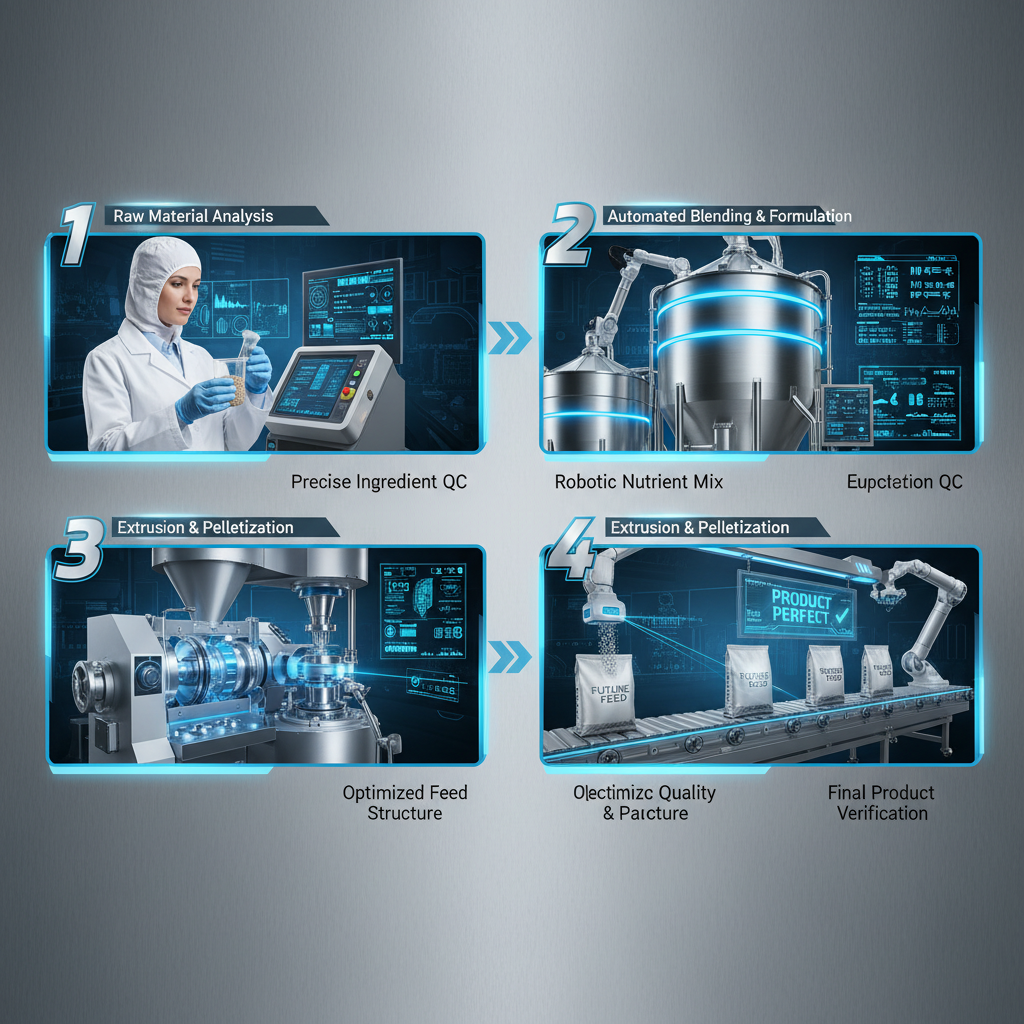
Animal food additives are substances added to animal feed to improve its nutritional value, palatability, and preservation. These additives play a crucial role in modern animal agriculture, ensuring optimal growth, health, and productivity of livestock, poultry, and aquaculture species. Globally, the demand for animal protein is steadily increasing, driven by population growth and changing dietary preferences, making the effective use of animal food additives essential for meeting this demand sustainably. Understanding the different types of additives, their functions, and regulations is vital for ensuring animal welfare and food safety.
The global animal food additives market is a multi-billion dollar industry, with significant growth projected in the coming years. According to research, the market size was valued at USD 23.82 billion in 2023 and is expected to reach USD 34.34 billion by 2032. This growth is fueled by factors such as increasing demand for meat and dairy products, rising awareness of animal nutrition, and the need to improve feed efficiency. ISO standards and regulations by organizations like the UN’s Food and Agriculture Organization (FAO) heavily influence the production and usage of these additives.
The challenges of providing sufficient, affordable protein sources, especially in developing nations, are directly addressed by optimized feed formulations utilizing animal food additives. Efficient feed conversion ratios, improved animal health, and reduced environmental impact are all benefits linked to the strategic implementation of these additives, highlighting their importance in global food security.
Introduction: Global or Industry Context
The global livestock industry is experiencing significant growth, particularly in emerging economies. This expansion necessitates an increased focus on efficient animal production, which is heavily reliant on the strategic use of animal food additives. These additives aren’t simply about boosting growth rates; they are integral to maintaining animal health, minimizing disease outbreaks, and reducing the environmental footprint of animal agriculture.
The evolution of animal feed has moved beyond basic nutrition to include specialized additives targeting specific needs – from improving digestive health with probiotics and enzymes, to enhancing immune function with vitamins and minerals, and even mitigating the effects of stress. This has led to a highly sophisticated market driven by innovation and rigorous scientific research.
Definition & Meaning
Animal food additives are intentionally added ingredients to animal feed that serve a specific technological function, beyond providing basic nutrition. These additives are not intended to be consumed as food themselves but are incorporated into the feed to enhance its quality, safety, and effectiveness. They can be broadly categorized into several groups, including vitamins, minerals, amino acids, enzymes, probiotics, prebiotics, antioxidants, and preservatives.
The inclusion of these additives is essential in modern animal production systems, particularly where animals are housed in intensive farming conditions. They address nutrient deficiencies, improve feed digestibility, enhance disease resistance, and maintain the overall health and well-being of the animals. This connection to modern intensive agriculture highlights the critical role of animal food additives in supporting current food production demands.
Historically, animal nutrition relied solely on naturally occurring feedstuffs. However, as livestock production intensified, the need for supplemental additives became apparent to address specific nutritional needs and optimize animal performance. This has evolved into a highly regulated and scientifically driven industry.
Key Factors or Core Components
Several core components define the effectiveness and safety of animal food additives. First is Bioavailability, the extent to which a nutrient or additive is absorbed and utilized by the animal. Poor bioavailability renders an additive ineffective, regardless of the quantity added to the feed. Second, Stability is critical. Additives must maintain their potency throughout the feed manufacturing process and storage period to deliver the intended benefits.
Another important factor is Specificity, meaning the additive targets a specific physiological process or need. For example, an enzyme additive designed to break down phytate won't necessarily improve protein digestion. Furthermore, Safety is paramount, necessitating rigorous testing and regulatory approval to ensure the additive poses no harm to the animals, consumers, or the environment. Finally, Cost-Effectiveness plays a significant role, as producers must balance the benefits of an additive against its cost.
These factors don't exist in isolation. For instance, a highly bioavailable additive might be too expensive for widespread use. Similarly, a stable additive might have limited specificity, requiring higher doses to achieve the desired effect. Therefore, formulating effective and sustainable animal feed requires careful consideration of all these components and their interrelationships. Proper understanding of these core factors is also critical for selecting the right animal food additives for specific animal types and production systems.
The interaction between these components necessitates a holistic approach to additive selection and formulation. Optimizing these factors translates directly into improved animal health, enhanced productivity, and more sustainable agricultural practices.
Global Applications & Use Cases
Animal food additives are used globally across diverse animal production systems. In intensive poultry farming, additives like amino acids (lysine, methionine) and enzymes are extensively used to optimize growth rates and feed conversion efficiency. In the aquaculture industry, particularly in salmon and shrimp farming, additives like astaxanthin provide pigmentation and improve the marketability of the final product.
In ruminant livestock production (cattle, sheep), additives like ionophores and buffers are employed to enhance rumen function and improve feed digestibility, leading to increased milk production or weight gain. In regions facing feed scarcity, additives like urea can be used to supplement protein content in low-quality forages. These applications are not limited to developed countries; they are equally relevant in developing regions where improving animal productivity is crucial for food security.
For example, in post-disaster relief operations, rapidly deployable animal feed supplemented with essential vitamins and minerals can provide crucial support to livestock populations affected by the disaster. In remote industrial zones, where access to diverse feed ingredients is limited, additives help to ensure that animals receive a complete and balanced diet.
Comparative Effectiveness of Animal Food Additives
Advantages & Long-Term Value
The advantages of utilizing animal food additives are multifaceted. From a cost perspective, improved feed efficiency translates into lower feed costs per unit of animal product. Enhanced animal health reduces veterinary expenses and minimizes losses due to disease outbreaks. This ultimately boosts profitability for producers. Furthermore, optimized nutrition reduces the environmental impact of animal agriculture by minimizing waste and improving nutrient utilization.
The long-term value extends beyond economic benefits. Sustainable animal production, supported by strategic additive use, contributes to food security and reduces the strain on natural resources. The assurance of safe and high-quality animal products builds consumer trust and promotes responsible animal welfare. Utilizing the right animal food additives promotes innovation and builds more resilient agricultural systems.
Future Trends & Innovations
The future of animal food additives is focused on precision nutrition and sustainability. Emerging trends include the development of novel enzymes and probiotics tailored to specific animal species and production stages. The use of microencapsulation technology to protect additives from degradation and improve their delivery to the target site in the animal’s digestive system is also gaining traction.
Digital technologies, such as predictive modeling and data analytics, are being employed to optimize additive formulations and feeding strategies. Furthermore, there is a growing interest in alternative protein sources for additives, such as insect meal and algae, which offer a more sustainable and environmentally friendly alternative to traditional protein sources.
Challenges & Solutions
A major challenge in the animal food additives industry is the increasing regulatory scrutiny and consumer concerns regarding the safety and environmental impact of certain additives. Antimicrobial growth promoters, for instance, are facing increasing restrictions due to concerns about antibiotic resistance. Another challenge is the variability in feed ingredient quality, which can affect the effectiveness of additives.
Solutions include investing in research and development of safer and more sustainable alternatives to traditional additives, such as phytogenics (plant-based additives) and immunostimulants. Implementing robust quality control measures throughout the feed supply chain can also mitigate the impact of ingredient variability. Greater transparency and traceability in the production and use of additives are essential for building consumer trust.
Addressing these challenges requires a collaborative effort involving researchers, regulators, and industry stakeholders to develop innovative solutions that promote sustainable and responsible animal production.
Summary of Key Challenges and Proposed Solutions
| Challenge |
Impact on Animal Food Additives |
Proposed Solution |
Implementation Timeline |
| Regulatory Restrictions |
Limited availability of certain additives |
Investment in alternative additive research |
Short-term (1-3 years) |
| Ingredient Quality Variability |
Reduced additive effectiveness |
Enhanced quality control measures |
Medium-term (3-5 years) |
| Consumer Concerns |
Negative perception of additives |
Increased transparency and traceability |
Ongoing |
| Antibiotic Resistance |
Pressure to reduce antimicrobial use |
Development of alternative growth promoters |
Medium-term (3-5 years) |
| Sustainability Concerns |
Environmental impact of additive production |
Focus on sustainable additive sources |
Long-term (5+ years) |
| Cost of Innovation |
High investment for novel additives |
Public-private partnerships for R&D |
Ongoing |
FAQS
Animal food additives offer a range of benefits, including improved animal health, enhanced growth rates, increased feed efficiency, and better product quality. They address nutritional deficiencies, support immune function, and promote optimal digestion, ultimately leading to more productive and sustainable livestock farming practices. Furthermore, the strategic use of additives can minimize the environmental impact of animal production.
Animal food additives are rigorously evaluated and regulated by authorities like the FDA and EFSA to ensure their safety for both animals and humans. Additives are approved only after extensive testing to determine their toxicity, efficacy, and potential for residue accumulation in animal products. Maximum residue limits (MRLs) are established to protect consumers.
Probiotics are live microorganisms that, when administered in adequate amounts, confer a health benefit on the host animal. They improve gut health by balancing the microbial ecosystem. Prebiotics, on the other hand, are non-digestible feed ingredients that promote the growth and activity of beneficial bacteria in the gut, essentially feeding the probiotics.
Enzymes act as biological catalysts, speeding up the breakdown of complex carbohydrates, proteins, and fats in animal feed. This improves nutrient digestibility, allowing animals to extract more energy and nutrients from their diet. Different enzymes target specific substrates, such as phytase to release phosphorus from phytate or xylanase to break down fiber.
Concerns include the potential for additive residues in manure and the environmental impact of additive production. Addressing these concerns involves developing more sustainable additives, optimizing dosage rates to minimize waste, and implementing responsible manure management practices. There's also growing focus on utilizing additives that enhance nutrient utilization, reducing overall environmental footprint.
Phytogenics are plant-derived compounds with bioactive properties. They are used in animal feed to improve digestive health, enhance immune function, and reduce inflammation. Common phytogenics include herbs, spices, and essential oils. They offer a natural alternative to synthetic additives and are gaining popularity due to their perceived safety and sustainability.
Conclusion
In conclusion, animal food additives are integral to modern animal production, providing essential benefits for animal health, productivity, and sustainability. From optimizing nutrient utilization to enhancing disease resistance and minimizing environmental impact, these additives play a critical role in meeting the growing global demand for animal protein. Understanding the science behind these additives, along with their regulatory frameworks, is paramount for responsible and effective implementation.
Looking ahead, continued innovation in this field, focusing on sustainable and natural additives, alongside the utilization of digital technologies for precision nutrition, will be essential for building more resilient and environmentally friendly animal production systems. For further information and a wide range of high-quality animal food additives, visit our website today.