Veterinary drug suppliers… you know, it’s a surprisingly complex world. It’s not just ordering pills and vaccines. It’s about keeping the whole animal health ecosystem running, from small clinics to massive livestock operations. Lately, everything's shifting towards traceability, right? Everyone wants to know where their meds came from, how they were handled, and prove it. It’s a huge push for supply chain security, and frankly, about time.
It’s funny, you spend years thinking you've got a system nailed down, then suddenly regulations change, or a new disease pops up, and you’re scrambling. To be honest, it feels like we're always reacting, not proactively planning. There's a lot of pressure too, with the rise of antibiotic resistance and the demand for more specialized medications. People are starting to care a lot more about the source and quality—rightfully so.
And it's a global thing, obviously. I was talking to a vet in South Africa just last week, and they're facing completely different challenges than we are here – infrastructure, cost, access… it's a whole different ballgame. But at the end of the day, it's all about getting the right medicine to the animal that needs it, safely and efficiently. That's the core, no matter where you are.

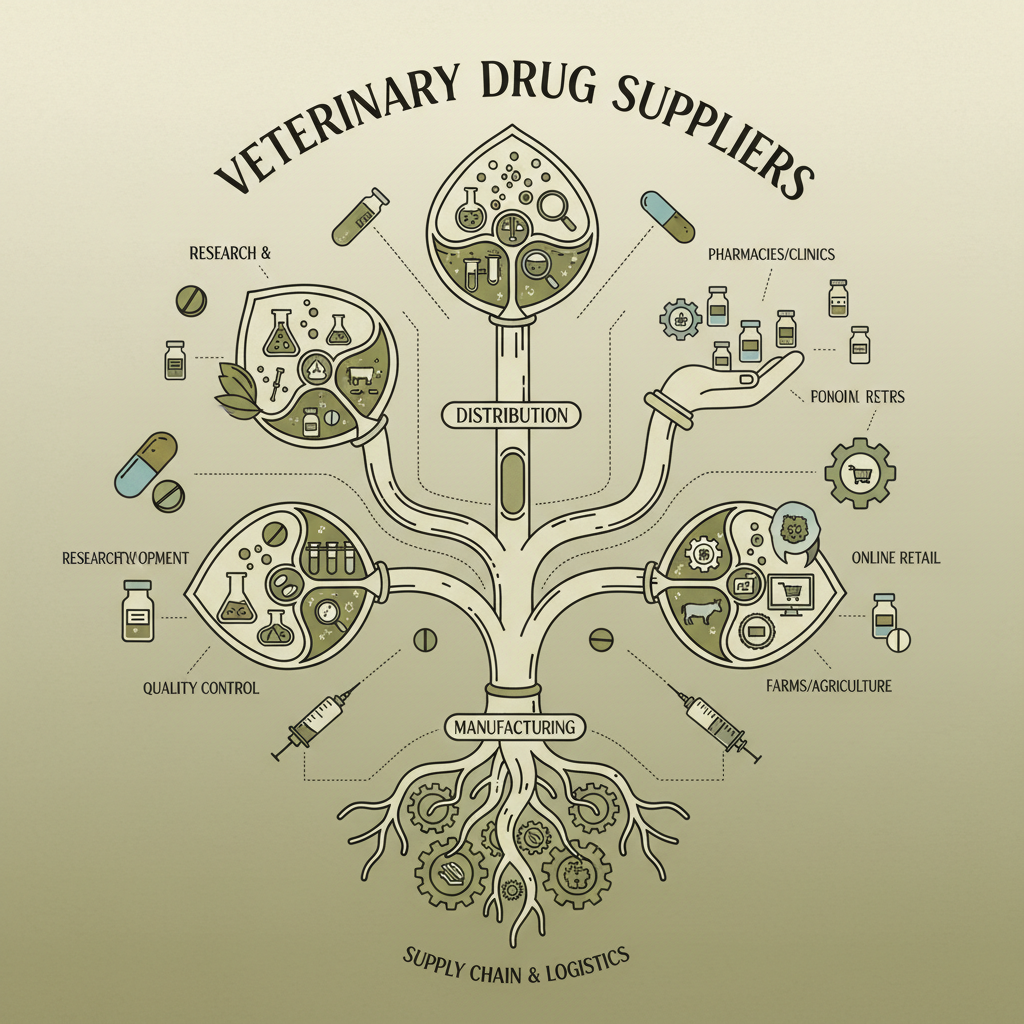
Have you noticed how much digital integration is happening? It's no longer just about getting the drugs; it’s about data capture, inventory management, and linking everything to electronic health records. It’s a massive shift, and honestly, a lot of smaller practices are struggling to keep up.
There's also this huge focus on cold chain management now, especially for vaccines. Strangely enough, temperature excursions are a bigger problem than people think. It’s not always a dramatic failure; it’s often these small, incremental deviations that compromise efficacy. It's a real headache for suppliers, and a significant cost driver.
Maintaining cold chain integrity is tough because of multiple handoffs and varying storage conditions. Common issues include temperature excursions during transport, inadequate refrigeration in clinics, and improper monitoring. The biggest thing is ensuring everyone in the chain understands the importance of adhering to temperature guidelines, and that they have the right equipment to do so – calibrated thermometers, insulated containers, and reliable power sources. It's about constant vigilance and documentation.
Prevention starts with sourcing from reputable veterinary drug suppliers and verifying their credentials. Look for proper licensing, accreditation, and a robust track-and-trace system. Clinics should also carefully inspect packaging for any signs of tampering, and be wary of unusually low prices. Educating staff to recognize red flags is crucial, as is reporting any suspicious activity to the appropriate authorities.
Several factors come into play. The material needs to protect the medication from light, moisture, and oxygen. It also needs to be compatible with the drug itself, meaning it shouldn’t leach any harmful substances. Durability is key – it needs to withstand handling and shipping. And increasingly, sustainability is a concern, so looking at eco-friendly options is important. Glass, certain plastics, and aluminum are all common choices, but the best material depends on the specific medication.
The biggest shift is towards serialization and track-and-trace technologies. Regulations like the Drug Supply Chain Security Act (DSCSA) are forcing suppliers to implement systems that allow them to track each individual unit of medication throughout the supply chain. This requires significant investment in technology and infrastructure, but it’s essential for ensuring drug authenticity and preventing diversion. Compliance is becoming increasingly complex and time-consuming.
Data analytics is huge. By analyzing sales data, usage patterns, and inventory levels, clinics can predict demand more accurately and avoid stockouts or overstocking. This helps reduce waste, minimize costs, and ensure that essential medications are always available when needed. It’s about moving from reactive to proactive inventory management. Good data also helps identify potential issues like theft or diversion.
We're seeing a rise in direct-to-vet distribution models, where manufacturers bypass traditional wholesalers and sell directly to veterinary clinics. This can offer benefits like lower prices, faster delivery, and more control over the supply chain. However, it also requires manufacturers to build their own distribution networks and manage logistics, which can be challenging. The convenience for the vets is a big driver behind it.
Ultimately, whether it's ensuring a vaccine stays cold, tracking a shipment of antibiotics, or just getting the right medication to the right animal, veterinary drug suppliers are the backbone of animal health. It’s a complicated field, with a lot of moving parts, and constant pressure to improve security, efficiency, and sustainability.
But at the end of the day, whether this thing works or not, the worker will know the moment he tightens the screw. It’s about trust, reliability, and making sure that vets have the tools they need to keep animals healthy. If you're looking for a dependable partner in this space, visit our website: www.rcpetfood.com