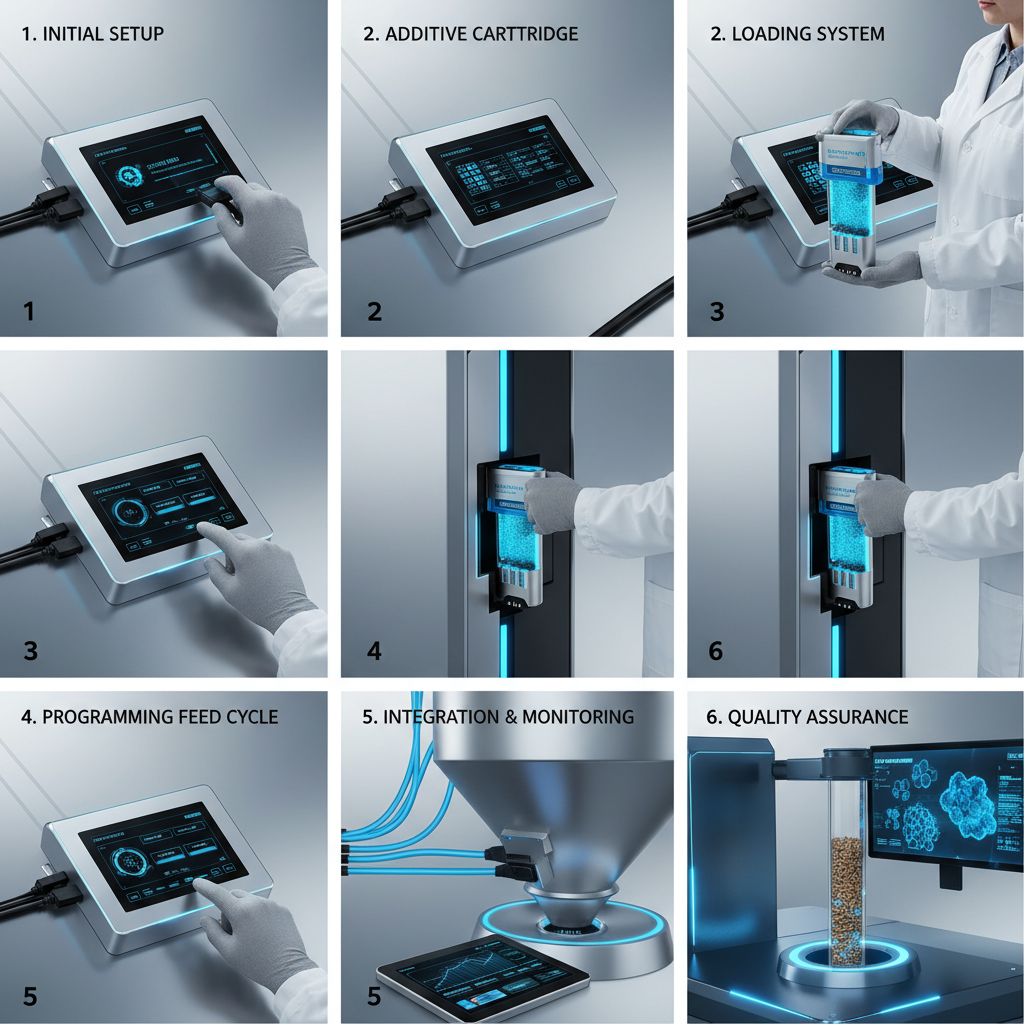
Animal feed premix companies are essential components of modern animal agriculture, playing a crucial role in ensuring optimal animal health, growth, and productivity. These companies specialize in the precise blending of vitamins, minerals, amino acids, and other essential nutrients into concentrated formulations, tailored to the specific needs of different animal species and life stages. Globally, the demand for animal protein is steadily increasing, driven by population growth and changing dietary preferences, making the services of these companies ever more critical.
The importance of animal feed premix companies extends beyond simply providing nutritional supplements. They contribute significantly to feed efficiency, reducing waste and lowering the environmental impact of animal farming. Moreover, they play a vital role in preventing nutritional deficiencies, which can lead to disease outbreaks and economic losses for farmers. As the industry faces increasing pressure to adopt sustainable practices, these companies are innovating to develop more environmentally friendly and resource-efficient premixes.
Understanding the capabilities and innovations of animal feed premix companies is paramount for anyone involved in the livestock industry, from farmers and veterinarians to feed manufacturers and policymakers. Their expertise enables the production of high-quality, affordable animal protein, contributing to global food security and economic stability. The future of animal agriculture relies, in part, on the continued advancement and responsible practices of these specialized firms.
The Global Landscape of animal feed premix companies
The global animal feed premix market is a multi-billion dollar industry, with significant regional variations in demand and production. According to recent data from the FAO, global livestock production is projected to increase by 70% by 2050 to meet the demands of a growing population. This growth necessitates an increased reliance on efficient feed formulations, driving demand for animal feed premix companies. North America and Europe currently represent the largest market share, but Asia-Pacific is experiencing the fastest growth due to rapid urbanization and increasing disposable incomes.
The industry is characterized by a mix of large multinational corporations and smaller, regional players. Competition is fierce, driven by factors such as product innovation, cost efficiency, and the ability to provide customized solutions to meet the specific needs of individual customers. A key challenge facing animal feed premix companies is ensuring consistent quality and traceability throughout the supply chain, particularly in light of increasing regulatory scrutiny and consumer concerns about food safety.
Defining Animal Feed Premix Companies
Animal feed premix companies are specialized manufacturers that create concentrated blends of essential nutrients – vitamins, minerals, amino acids, enzymes, and other additives – designed to supplement animal diets. Unlike complete feed manufacturers, premix companies do not produce the finished feed product. Instead, they supply these concentrated nutrient packages to feed mills and livestock producers who then incorporate them into their own formulations. This allows for greater flexibility and customization in meeting the unique nutritional requirements of different animal species, breeds, and production systems.
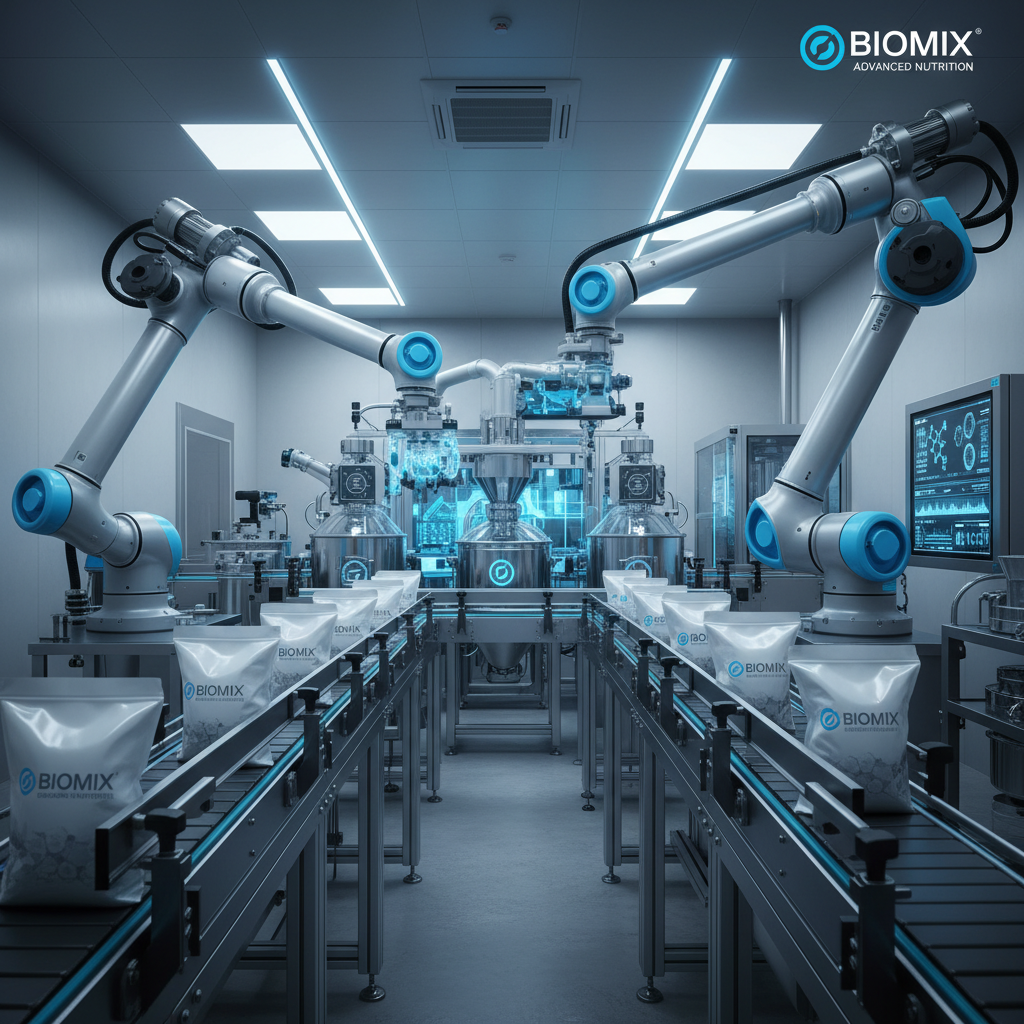
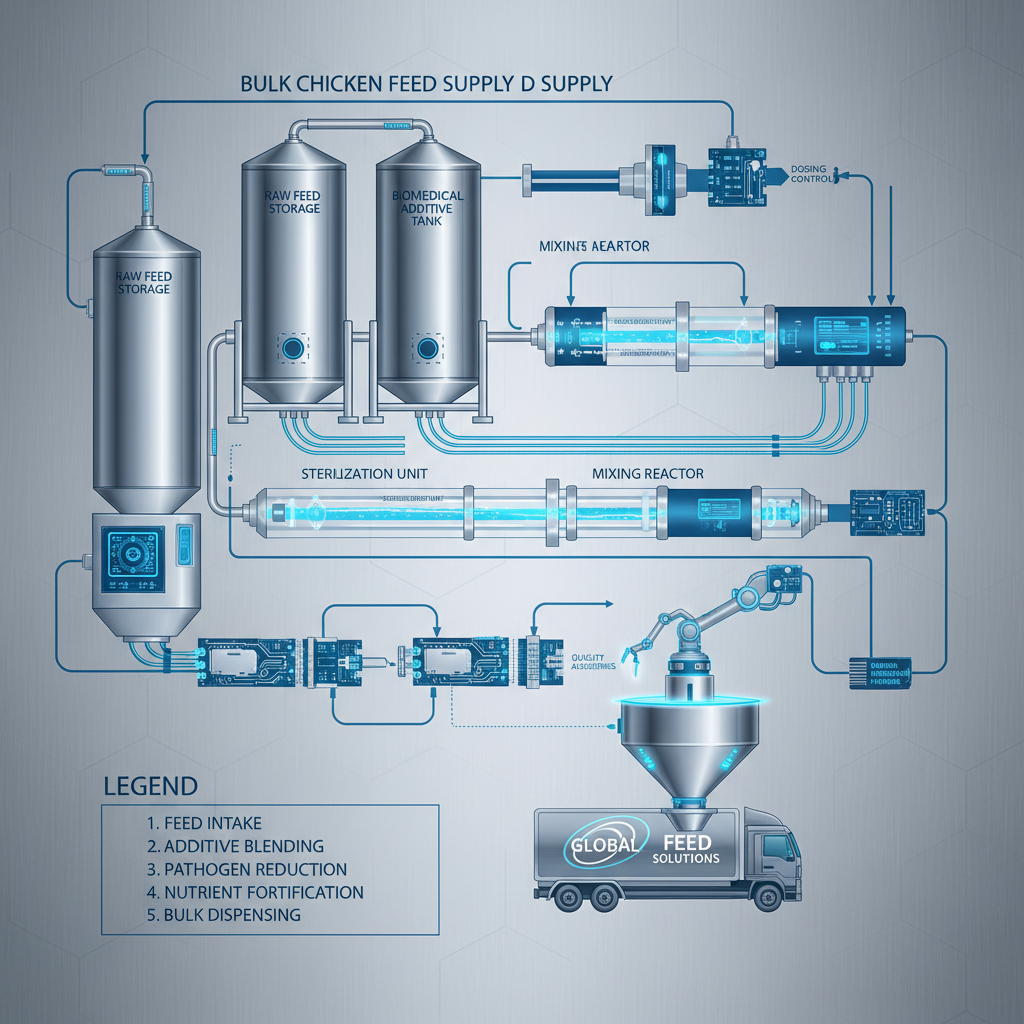
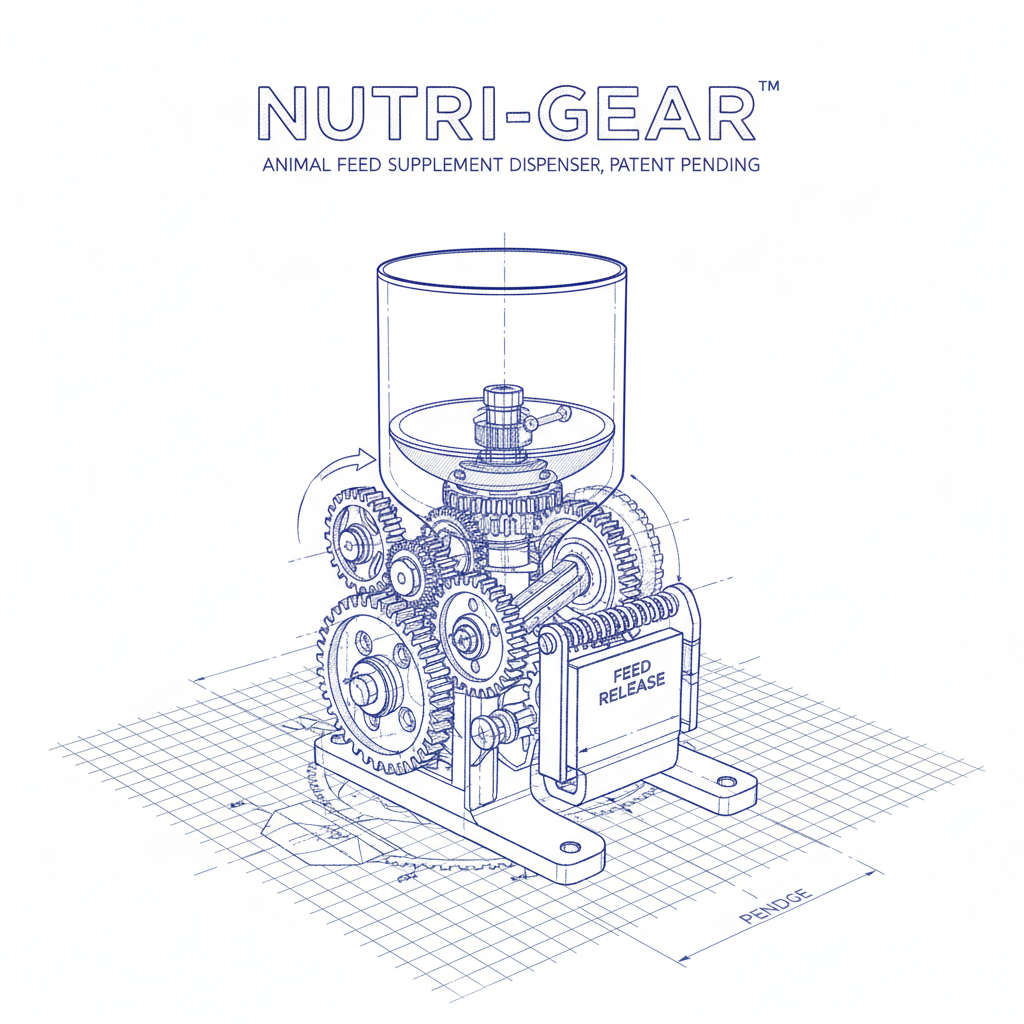
The core function of these companies is to ensure precise and homogenous distribution of micronutrients, which are often required in very small quantities but are critical for animal health, growth, and reproduction. They rely on advanced blending technologies, rigorous quality control procedures, and a deep understanding of animal nutrition to deliver consistent and reliable products.
These companies often provide technical support and formulation assistance to their customers, helping them optimize feed rations and achieve optimal animal performance. They are integral to the modern food production system, enabling the efficient and sustainable production of meat, poultry, eggs, and dairy products.
Core Components of Premix Formulation
The foundation of any successful animal feed premix lies in the precise combination of key ingredients. Vitamins, both fat-soluble (A, D, E, K) and water-soluble (B complex, C), are crucial for a wide range of metabolic processes. Minerals, including macro-minerals (calcium, phosphorus, sodium, chloride, magnesium, potassium, sulfur) and trace minerals (iron, zinc, manganese, copper, iodine, selenium), play essential roles in bone development, immune function, and enzyme activity. The sourcing and quality control of these ingredients are paramount for ensuring product efficacy and safety.
Amino acids, often referred to as the “building blocks of protein,” are frequently added to premixes to supplement diets deficient in essential amino acids like lysine, methionine, and threonine. These are particularly important for rapidly growing animals or those under stress. Enzyme supplementation is increasingly common, aiding in the digestion of complex carbohydrates and proteins, improving nutrient absorption, and reducing feed costs. Finally, specialized additives such as antioxidants, mycotoxin binders, and probiotics may be included to enhance animal health and performance.
The formulation process itself requires extensive expertise and often involves sophisticated software to calculate precise nutrient levels based on animal species, age, production stage, and other factors. Animal feed premix companies invest heavily in research and development to optimize formulations and identify innovative ingredients to meet evolving market demands.
Applications Across Animal Species
Animal feed premix companies cater to a diverse range of animal species, each with unique nutritional requirements. Poultry premixes are often formulated to support rapid growth, egg production, and immune function, with a focus on vitamins, minerals, and amino acids. Swine premixes prioritize lean muscle development, reproductive performance, and gut health, incorporating ingredients like lysine, threonine, and zinc.
Ruminant premixes, designed for cattle, sheep, and goats, focus on optimizing rumen function, milk production, and reproductive success, often including minerals like calcium, phosphorus, and magnesium. Equine premixes address the specific needs of horses, emphasizing energy balance, muscle recovery, and joint health. Furthermore, specialized premixes are available for aquaculture, pet food, and other emerging animal industries.
The ability of animal feed premix companies to tailor formulations to specific animal species and production systems is a key differentiator. They work closely with nutritionists and veterinarians to develop solutions that optimize animal health, performance, and profitability.
Premix Efficacy by Animal Type
Advantages and Value Proposition
The advantages of utilizing animal feed premix companies are multifaceted. Cost-effectiveness is a primary benefit, as premixes allow farmers to purchase concentrated nutrients in precise quantities, reducing waste and minimizing storage requirements. Sustainability is also enhanced through optimized feed formulations, leading to improved feed efficiency and reduced environmental impact.
Beyond the tangible benefits, these companies offer peace of mind through their rigorous quality control procedures and commitment to food safety. Their technical expertise provides farmers with valuable support in optimizing animal nutrition and maximizing profitability. The trust built through consistent product quality and reliable service is a significant value proposition for animal feed premix companies.
Future Trends and Innovations in Premix Technology
The animal feed premix industry is undergoing a period of rapid innovation, driven by advancements in biotechnology, data analytics, and sustainable agriculture. Microencapsulation technology is gaining traction, protecting sensitive nutrients from degradation in the gut and enhancing their bioavailability. The use of precision fermentation to produce alternative proteins and amino acids is also emerging as a promising trend, reducing reliance on traditional feed ingredients.
Digital technologies, such as predictive modeling and remote monitoring, are being integrated into premix formulation and delivery, allowing for more customized and efficient feeding strategies. The demand for environmentally friendly premixes is driving the development of sustainable sourcing practices and the use of alternative ingredients, such as insect meal and algae.
Challenges and Mitigation Strategies for animal feed premix companies
Despite the numerous benefits, animal feed premix companies face several challenges. Maintaining consistent ingredient quality and traceability across complex supply chains is a constant concern. Regulatory compliance, particularly regarding food safety and environmental standards, is becoming increasingly stringent. Competition from low-cost producers and the threat of counterfeit products also pose significant challenges.
Mitigation strategies include investing in robust quality control systems, implementing blockchain technology to enhance traceability, and collaborating with industry associations to advocate for fair trade practices. Furthermore, embracing innovation and developing value-added services, such as customized formulation support, can help differentiate companies in a competitive market.
Addressing these challenges requires a proactive and collaborative approach, involving all stakeholders in the animal feed industry.
Key Performance Indicators for Animal Feed Premix Companies
| Product Quality Score |
Customer Satisfaction (1-10) |
Supply Chain Traceability |
Market Share Growth (%) |
| 9.5 |
8.8 |
Excellent (Blockchain Implemented) |
3.2% |
| 8.9 |
7.5 |
Good (Standard Tracking System) |
1.8% |
| 7.8 |
6.2 |
Moderate (Limited Traceability) |
0.5% |
| 9.2 |
9.1 |
Excellent (Full Supply Chain Visibility) |
4.5% |
| 8.5 |
7.0 |
Good (Batch Tracking) |
2.1% |
| 7.2 |
5.8 |
Fair (Limited Documentation) |
-0.2% |
FAQS
Using a premix offers several advantages. Primarily, it ensures accurate and homogenous blending of micronutrients, eliminating the risk of errors in on-site mixing. It also saves time and labor, reduces storage space, and often proves more cost-effective due to economies of scale achieved by the premix manufacturer. Premixes are formulated by nutrition experts, guaranteeing a balanced and optimized nutrient profile.
Reputable animal feed premix companies implement rigorous quality control measures throughout the entire production process. This includes thorough ingredient sourcing and testing, adherence to strict manufacturing standards (such as HACCP and GMP), regular laboratory analysis of finished products, and comprehensive traceability systems. They also comply with all relevant regulatory requirements.
Custom premix formulation allows farmers and feed manufacturers to tailor nutrient blends to the specific needs of their animals. This is particularly important for animals with unique requirements due to age, breed, production stage, or health conditions. Animal feed premix companies work with nutritionists to develop formulations that optimize animal performance and health.
Mycotoxins, harmful substances produced by fungi, are a significant concern in animal feed. Animal feed premix companies employ several strategies to mitigate mycotoxin risk, including sourcing ingredients from regions with low mycotoxin contamination, implementing rigorous testing protocols, and incorporating mycotoxin binders into premix formulations to reduce absorption in the animal's gut.
The shelf life of an animal feed premix varies depending on the specific ingredients and storage conditions. Generally, premixes have a shelf life of 12-18 months when stored in a cool, dry, and dark environment. It's crucial to follow the manufacturer's recommendations for storage and handling to maintain product potency and quality.
Animal feed premix companies are increasingly focused on sustainability. This includes sourcing ingredients responsibly, reducing waste in the manufacturing process, developing formulations that improve feed efficiency (reducing the amount of feed needed to produce a given amount of animal product), and exploring the use of alternative, sustainable ingredients like insect meal and algae.
Conclusion
In conclusion, animal feed premix companies are vital contributors to the global food supply chain. Their ability to deliver precise, consistent, and high-quality nutrient blends is essential for optimizing animal health, performance, and productivity. From ensuring cost-effectiveness and sustainability to driving innovation and providing technical support, these companies play a crucial role in meeting the growing demand for affordable and nutritious animal protein.
Looking ahead, the industry will continue to evolve, driven by advancements in technology, changing consumer preferences, and increasing environmental concerns. By embracing innovation, prioritizing quality and sustainability, and fostering collaboration across the value chain, animal feed premix companies will remain essential partners in building a more secure and sustainable food future.