Where to Inject Ivermectin in Pigs: A Field-Proven Guide
Having spent over a decade in the industrial livestock equipment sector, I’ve come across plenty of questions around medication administration in pigs — not least, where to inject ivermectin in pigs. It’s one of those simple-sounding queries that, frankly, deserves a bit of nuance: not just where, but why, how, and what to watch out for.
Ivermectin remains a staple antiparasitic among pig farmers globally. Its effectiveness hinges partly on correct injection technique, and oddly enough, the injection site can affect absorption rates and animal comfort — important when you’re managing large herds and want to avoid stress or injection site reactions.
To cut to the chase, the most recommended site for ivermectin injections in pigs is the neck area, specifically the muscle just behind the ear and above the shoulder — the so-called “neck triangle.” It feels like the best spot for a couple of reasons: firstly, it minimizes the risk of damaging valuable meat cuts, and secondly, the muscle there is thick and well-perfused, facilitating quicker drug uptake. Other sites like the ham or the loin are possible but frankly less advised for routine treatments.
I remember a client once telling me how they tried injecting in the shoulder but ended up with a small abscess – a clear sign the site matters more than many reckon. You want to avoid such issues not only from an animal welfare standpoint but also for practical herd health economics.
Let’s go over some practical things you need to keep in mind:
- Spot Selection: Choose the neck triangle, about 3-4 inches behind the base of the ear and above the jowl.
- Needle Size: Usually a 16-18 gauge, 1–1.5 inch needle works well for intramuscular injections in medium to large pigs.
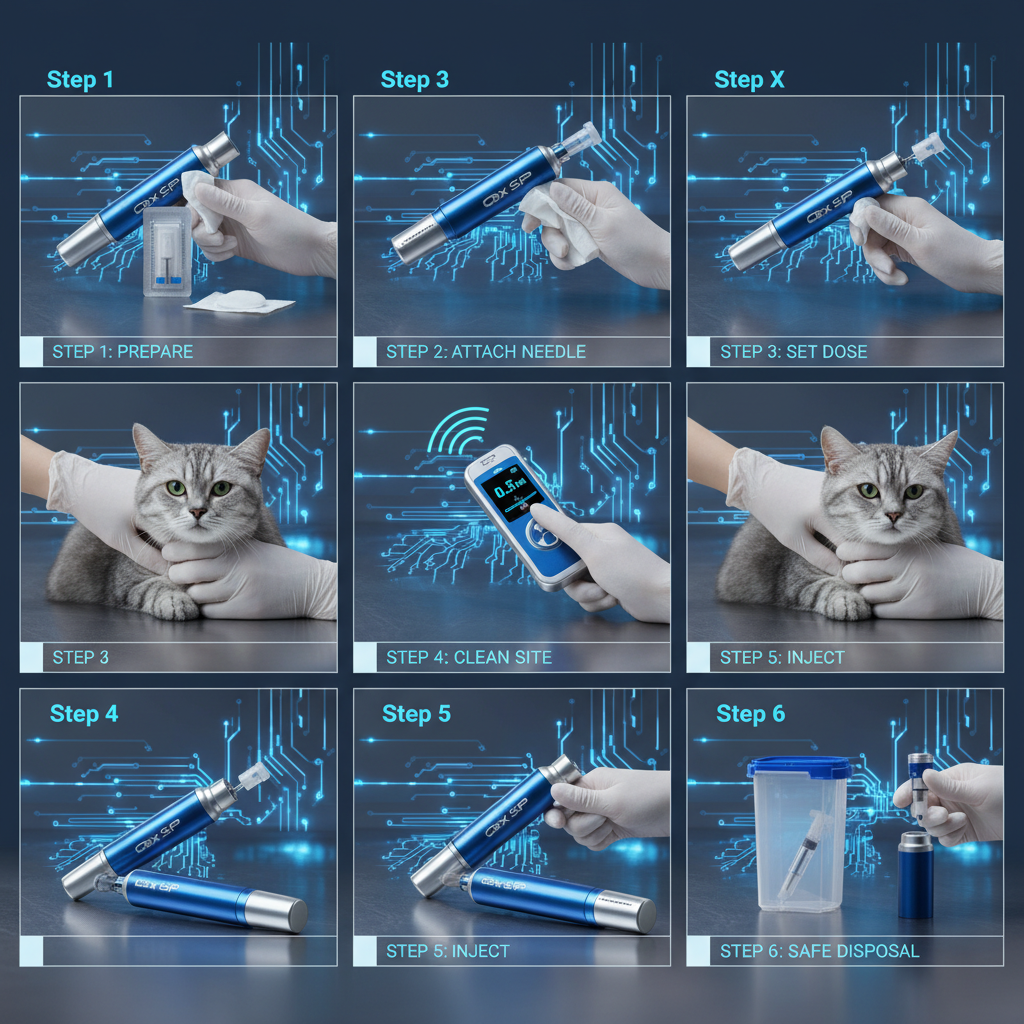
- Technique: Hold the pig securely, insert the needle at a 90-degree angle to the skin, inject slowly, then withdraw promptly.
- Hygiene: Sterilize the injection site if possible to reduce infection risk, and use clean needles for each pig.
The product specifications for a commonly used ivermectin injectable formulation are detailed below. These specs are pretty standard but don't neglect reading the label or manufacturer guidelines carefully.
| Specification | Details |
|---|---|
| Active Ingredient | Ivermectin 1% w/v |
| Dosage | 0.2 mg per kg body weight |
| Route of Administration | Intramuscular (preferred), Subcutaneous possible |
| Withdrawal Period | 28 days for meat |
| Packaging | 50 ml multi-dose vial |
Now, in my line of work, you often compare different vendors of ivermectin formulations — price, purity, and ease of dosing all matter. Here’s a quick comparison I’ve put together based on manufacturer specs and anecdotal user feedback:
| Vendor | Purity (%) | Price per 50 ml vial ($) | User Feedback |
|---|---|---|---|
| Vendor A | 99.5 | 45 | Reliable absorption, minimal irritation |
| Vendor B | 98.9 | 38 | Good value but some minor abscess reports |
| Vendor C | 99.7 | 52 | Premium quality, preferred by vets |
Ultimately, the site for injection should be consistent and follow the best practice guidelines to ensure the safety of the pigs and quality of the meat. If you’re weighing options on products, well, there’s something to be said for quality over price when it comes to animal health.
Oddly enough, while ivermectin is pretty straightforward, the challenge often lies in the handling and herd management rather than the drug itself — you know, the human factors and site selection. In real terms, success comes from a mix of good equipment, correct technique, and some patience.
So, next time you’re prepping to treat your stock, remember the neck muscle behind the ear — it really is the sweet spot for ivermectin injections in pigs. You might also want to check with your vet or extension agent, as regional practices can vary a bit.
To wrap this up: injecting ivermectin properly is less about fancy gadgets and more about solid technique and knowledge — something you pick up gradually, but which pays dividends in the long run.
References:
1. Swine Health Information Center – Injection Techniques (2022)
2. Merck Veterinary Manual – Ivermectin Use in Swine (2023)
3. Practical Livestock Medicine, 5th Ed. (2021)
Post time: January 1, 2026