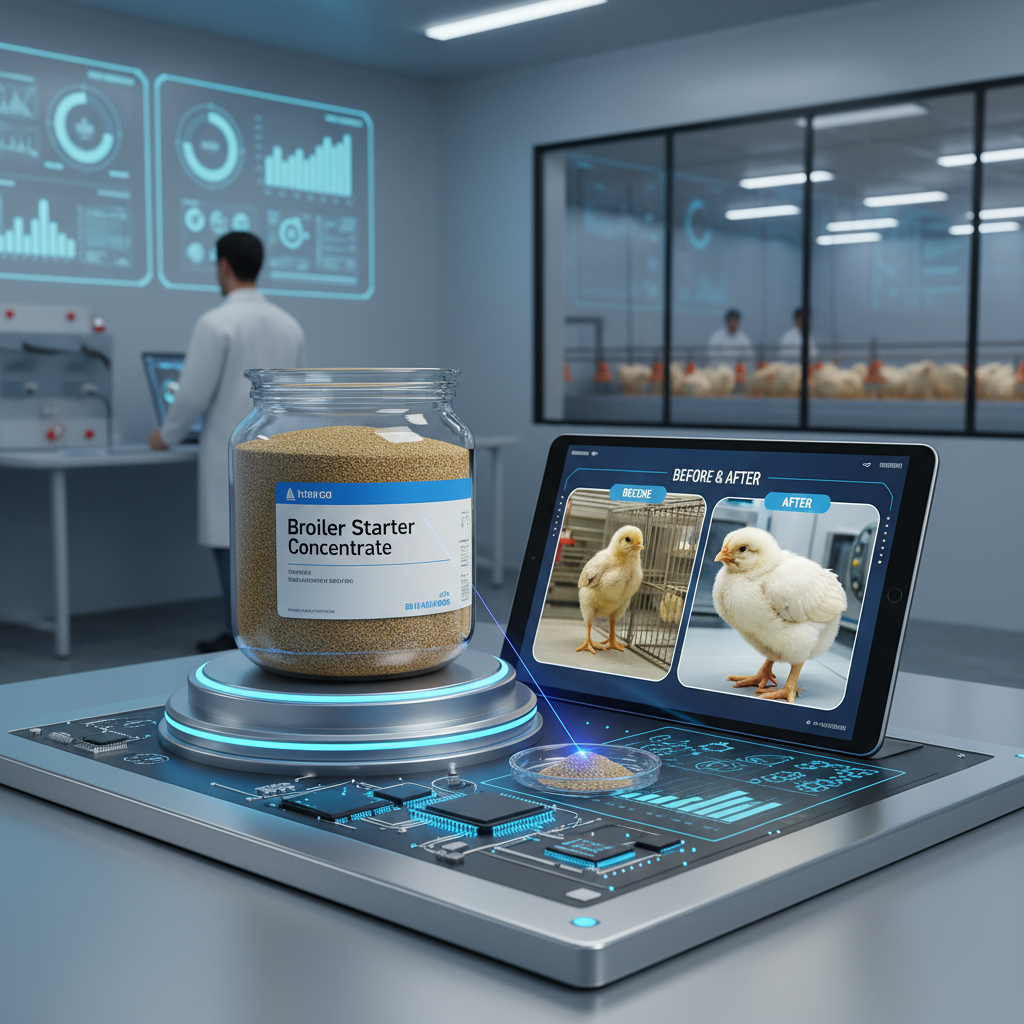
The efficiency of modern poultry farming relies heavily on the precision of early-stage nutrition. A high-quality broiler starter concentrate serves as the foundation for rapid skeletal development and robust immune system priming, ensuring that young chicks transition seamlessly from hatching to the growth phase. Without the correct balance of amino acids, vitamins, and minerals provided by these concentrates, producers often face higher mortality rates and inconsistent weight gain across flocks.
Globally, the demand for lean protein has pushed the poultry industry toward hyper-efficiency, making the role of specialized nutrition more critical than ever. By utilizing a concentrated nutrient base, farmers can customize their final feed mixes to suit local ingredient availability while maintaining strict adherence to international nutritional standards. This flexibility allows for a scalable approach to meat production that can adapt to varying climatic conditions and regional market demands.
Understanding the intricate chemistry and application of broiler starter concentrate is not merely a technical requirement but a commercial necessity for sustainable farming. From optimizing the Feed Conversion Ratio (FCR) to reducing the environmental footprint of waste, the right starter nutrition impacts every metric of a farm's profitability. This guide explores the technical specifications, global applications, and future innovations that are shaping the next generation of poultry growth solutions.
Global Industry Context of Broiler Starter Concentrate
The global poultry market has seen an unprecedented surge in production volumes to meet the protein needs of a growing world population. Data from organizations like the FAO highlights that broiler production is one of the fastest-growing agricultural sectors, necessitating highly precise nutritional inputs. The introduction of broiler starter concentrate has solved the problem of nutritional inconsistency in large-scale operations by providing a standardized, potent mix of micro-ingredients.
However, the industry faces significant challenges, including the volatility of raw material costs (such as soybean meal and maize) and the pressure to reduce antibiotic usage. These pressures have shifted the focus toward "precision nutrition," where concentrates are engineered to maximize biological efficiency. By concentrating essential nutrients, manufacturers can reduce shipping costs and allow farmers to blend their own feed with local grains, thereby stabilizing the supply chain.
Defining the Role of Broiler Starter Concentrate
In simple terms, a broiler starter concentrate is a nutrient-dense mixture containing the essential proteins, vitamins, minerals, and additives required for young chicks during their first few weeks of life. Unlike complete feed, a concentrate is designed to be diluted with energy sources like corn or sorghum. This allows the producer to maintain total control over the caloric density of the diet while ensuring that the critical growth-limiting nutrients are present in exact proportions.
This approach is deeply connected to modern industrial needs for scalability and precision. In the current pharmaceutical and veterinary landscape, the focus has shifted from simply "feeding" animals to "optimizing" them. A high-performance concentrate acts as a biological catalyst, triggering the rapid development of the gastrointestinal tract and the immune system, which reduces the need for medicinal interventions later in the bird's life cycle.
Furthermore, the use of these concentrates aligns with humanitarian goals of food security. By increasing the efficiency of meat production—meaning more meat produced per kilogram of feed—the industry can lower the cost of protein for consumers in developing regions. The strategic application of broiler starter concentrate thus bridges the gap between high-tech veterinary science and practical, on-farm food production.
Core Components for Optimal Growth
The efficacy of any broiler starter concentrate is determined by its amino acid profile. Essential amino acids like lysine and methionine are the building blocks of muscle tissue; without them, chicks cannot achieve their genetic growth potential regardless of how much energy (calories) they consume. This precision ensures that protein is utilized for growth rather than being wasted as nitrogen in the litter.
Beyond proteins, the integration of bioavailability-enhanced minerals (such as chelated zinc and manganese) is crucial. These components support skeletal integrity and skin health, preventing common issues like leg weakness in fast-growing breeds. The concentrate ensures that these trace elements are evenly distributed across every batch of feed, preventing the "hot spots" of toxicity or deficiency that can occur with manual mixing.
Lastly, the inclusion of digestive enzymes and organic acids in the concentrate helps young birds manage the transition to solid feed. Since the neonatal gut is fragile, these additives improve the absorption of nutrients and inhibit the growth of harmful bacteria like Salmonella and E. coli. This creates a biological safety net that protects the flock during its most vulnerable stage.
Performance Metrics and Cost Efficiency
Evaluating the success of a broiler starter concentrate requires a look at the Feed Conversion Ratio (FCR). A lower FCR indicates that the bird is converting feed into body mass more efficiently. When producers switch from generic mixes to specialized concentrates, they often see a measurable dip in FCR, which directly translates to lower operational costs and higher profit margins per bird.
Cost efficiency is not just about the price per bag, but the value per growth unit. By reducing the volume of bulk ingredients that need to be transported—since the essential nutrients are concentrated—logistics costs are slashed. This enables smaller farms to access the same high-level nutrition as industrial giants, democratizing the ability to produce high-quality poultry.
Comparison of Growth Efficiency by Concentrate Type
Global Applications and Regional Use Cases
The application of broiler starter concentrate varies significantly by geography. In North America and Europe, where automation is high, concentrates are often integrated into large-scale automated mixing systems that adjust nutrient levels in real-time based on bird weight. This "just-in-time" nutrition minimizes waste and ensures that birds are never overfed or under-nourished.
In contrast, in emerging markets across Southeast Asia and Africa, concentrates are vital for small-to-medium enterprises (SMEs). In remote industrial zones where complete feed is too expensive to transport due to its bulk, shipping a potent concentrate allows local farmers to mix their own feed using locally grown maize. This not only reduces the cost of meat but also supports local crop farmers, creating a sustainable regional economic ecosystem.
Long-term Value and Sustainability Benefits
The long-term value of investing in a superior broiler starter concentrate extends beyond the first 14 days of a bird's life. Proper early nutrition builds a resilient physiological foundation, leading to lower veterinary costs throughout the entire production cycle. When birds start strong, they are less prone to respiratory infections and metabolic disorders, reducing the reliance on emergency medical interventions.
From a sustainability perspective, precision concentrates are a key tool in reducing the environmental impact of poultry farming. By optimizing the absorption of phosphorus and nitrogen, these products reduce the amount of these elements excreted into the soil and water, thereby mitigating the risk of eutrophication and groundwater pollution.
Moreover, the shift toward herbal-based additives within concentrates represents a move toward "green" livestock farming. By replacing some synthetic growth promoters with natural phytogenics, producers can meet the growing consumer demand for antibiotic-free poultry without sacrificing growth speed or meat quality. This builds trust between the producer and the end consumer, adding intangible brand value.
Future Innovations in Poultry Nutrition
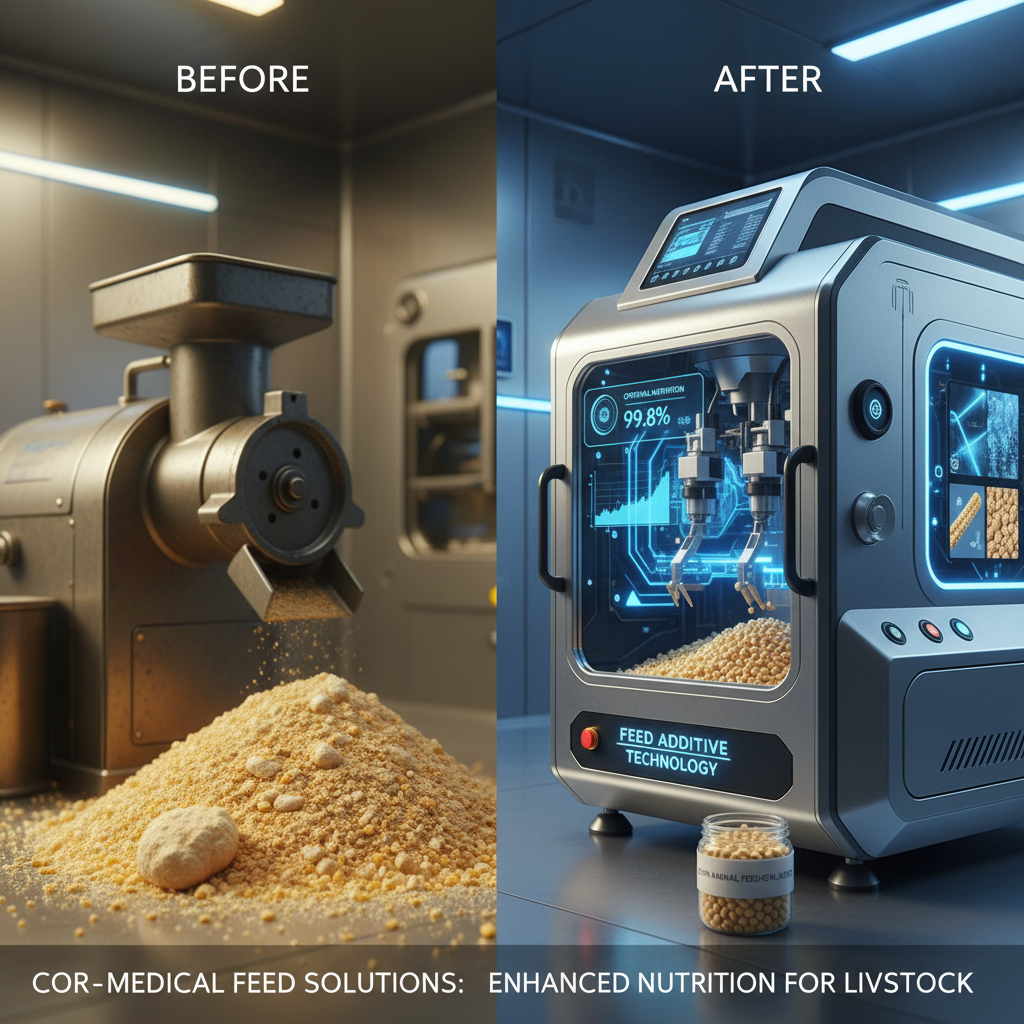
The future of broiler starter concentrate is being shaped by digital transformation and biotechnology. We are seeing the rise of "Smart Concentrates" that incorporate nano-encapsulation technology. This allows specific nutrients to be released at different stages of the digestive process, ensuring that the most sensitive vitamins are not destroyed by stomach acid but are instead absorbed in the lower intestine.
Automation and AI are also playing a role, with feed mills using predictive analytics to adjust the composition of concentrates based on weather patterns and breed-specific genetic drifts. For instance, during extreme heatwaves, concentrates can be automatically adjusted to include higher levels of electrolytes and stress-reducing antioxidants to maintain growth rates.
Sustainability will continue to drive the adoption of alternative protein sources within concentrates, such as insect meal or single-cell proteins. These innovations aim to decouple poultry production from soybean dependence, reducing the pressure on tropical forests and creating a more circular economy in animal feed manufacturing.
Analysis of Future Nutrition Trends in Broiler Starter Concentrates
| Innovation Driver |
Technical Approach |
Expected Impact |
Adoption Score (1-10) |
| Nano-Encapsulation |
Lipid-based nutrient coating |
Higher Vitamin Absorption |
8 |
| Insect Protein |
Black Soldier Fly larvae meal |
Reduced Soy Dependence |
7 |
| AI-Driven Mixing |
Real-time nutrient adjustment |
Precision Feed Efficiency |
9 |
| Phytogenic Additives |
Essential oil blends |
Antibiotic-Free Growth |
10 |
| Probiotic Integration |
Direct-fed microbials |
Enhanced Gut Health |
9 |
| Low-Carbon Raw Materials |
Algae-based protein |
Lower Carbon Footprint |
6 |
FAQS
The ideal mixing ratio depends on the specific product's nutrient density, but typically, concentrates are mixed at ratios ranging from 5% to 25% of the total feed weight. The remainder is usually comprised of energy sources like ground corn or sorghum. Always refer to the manufacturer's technical data sheet to ensure the final protein and energy levels match the specific requirements of your bird breed.
It improves FCR by providing a precise balance of limiting amino acids and digestive enzymes that maximize nutrient absorption. By ensuring that the bird's body can efficiently utilize every gram of protein and energy, less feed is wasted as excrement and more is converted into muscle mass, effectively lowering the amount of feed needed to reach market weight.
No, it is not recommended. Starter concentrates are formulated with high protein and specific mineral levels designed for the rapid growth of young chicks. Using them for older birds can lead to nutrient imbalances, metabolic stress on the kidneys, and unnecessary costs, as older birds require more energy and less concentrated protein for maintenance.
Concentrates are highly sensitive to moisture because they contain concentrated vitamins and minerals that can degrade or clump. They should be stored in a cool, dry, and well-ventilated area in airtight containers. Excessive humidity can lead to mold growth and the degradation of heat-sensitive vitamins, which would compromise the flock's health.
Many modern concentrates are moving toward "Antibiotic-Free" (ABF) formulations, using organic acids and phytogenics instead. However, some still contain therapeutic agents depending on regional regulations. Always check the ingredient label to ensure the product aligns with your farm's certification standards (e.g., Organic or ABF).
The most immediate indicators are uniform growth across the flock, a low mortality rate in the first 14 days, and a high activity level in the chicks. Long-term effectiveness is measured by weighing a sample of the flock weekly to ensure they are meeting the genetic growth curve provided by the breed's breeder.
Conclusion
The strategic implementation of broiler starter concentrate is a cornerstone of successful modern poultry production. By bridging the gap between raw agricultural ingredients and precise biological requirements, these concentrates ensure that young birds develop the skeletal and immune strength necessary for a productive life. From optimizing the FCR to enabling regional feed independence, the impact of high-quality starter nutrition is felt across the entire value chain, from the farm gate to the consumer's plate.
As the industry moves toward a more sustainable and antibiotic-free future, the evolution of these concentrates—incorporating AI-driven precision and green protein sources—will be paramount. Producers are encouraged to move away from generic feed solutions and embrace tailored nutritional strategies to maintain competitiveness in a global market. For those seeking to optimize their flock's performance and ensure long-term profitability, investing in scientifically formulated starter nutrition is the most reliable path forward. Visit our website: www.rcpetfood.com