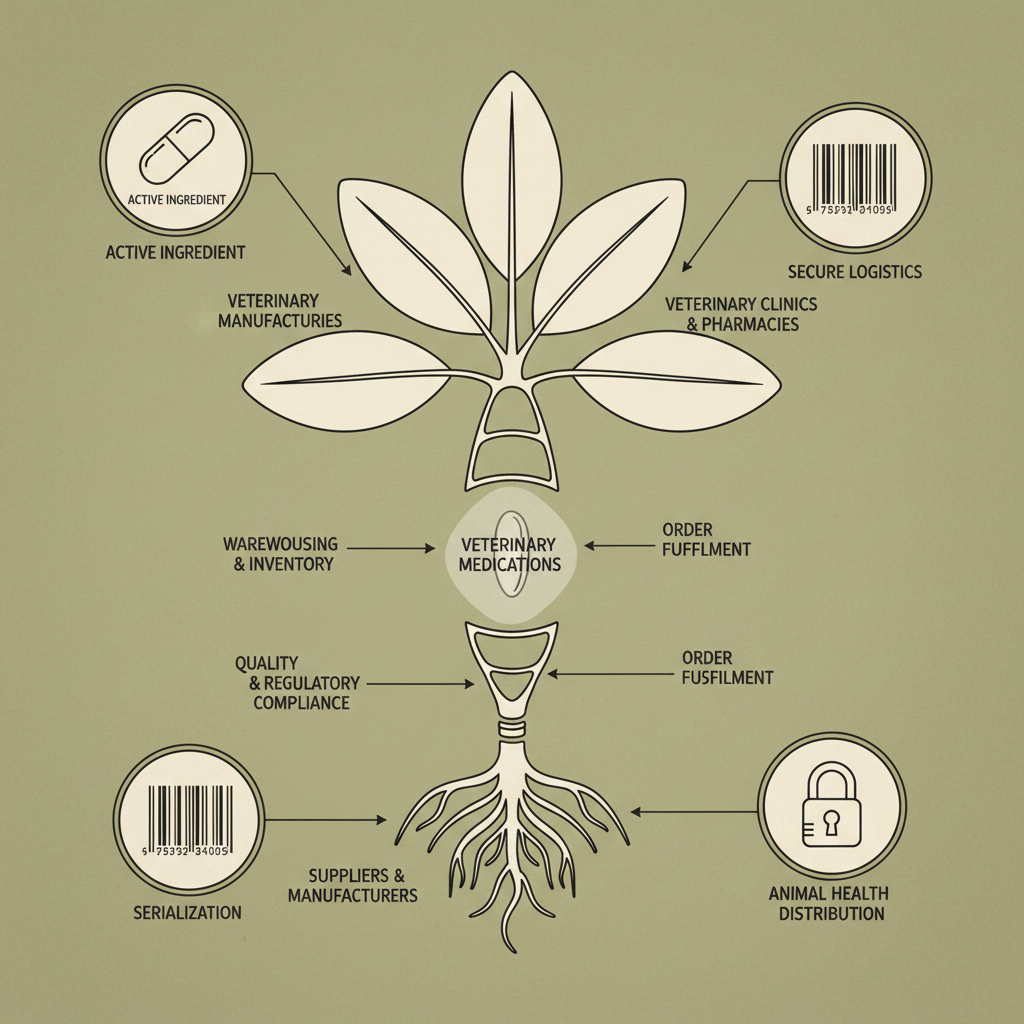
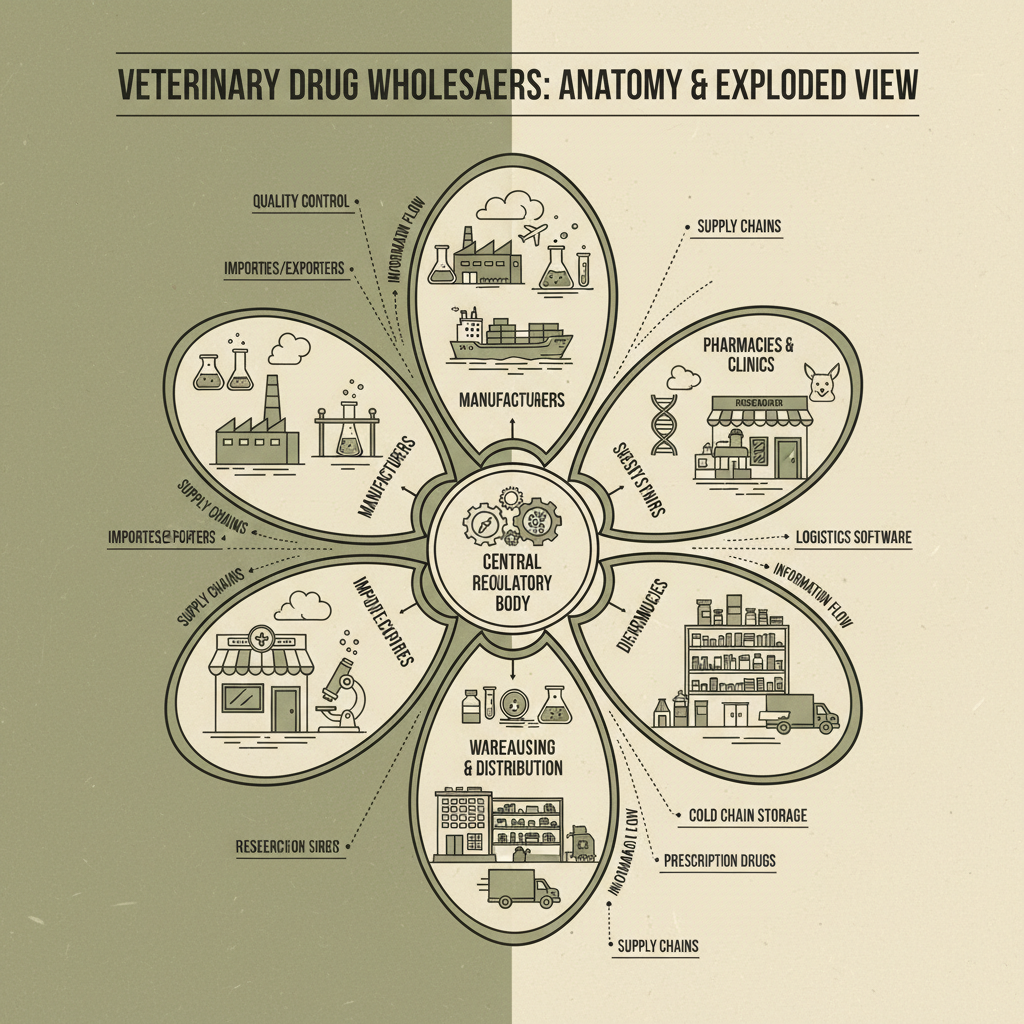
Veterinary drug wholesalers are a critical, yet often unseen, component of animal healthcare. Globally, the need for safe and reliable access to veterinary medicines is paramount, not just for companion animals, but for livestock impacting food security, and wildlife conservation. It’s a big operation, spanning continents and complex regulations. Frankly, it’s often taken for granted until something goes wrong – a supply chain disruption, a counterfeit drug showing up, or simply a shortage where it’s needed most.
These wholesalers aren't just moving boxes; they're navigating a labyrinth of temperature controls, storage requirements, and stringent legal frameworks. Think about it: a vaccine that’s been improperly stored is useless, potentially dangerous, and represents a loss of investment for everyone involved. The sheer volume of product they handle is staggering, and the need for traceability is increasing all the time.
The market is expanding rapidly, particularly in emerging economies where animal ownership and agricultural practices are evolving. Increased awareness of animal health, coupled with rising disposable incomes, are driving demand. We’re also seeing a growing focus on specialized veterinary drugs, requiring wholesalers to adapt and offer increasingly niche product lines. This impacts everything from storage to delivery logistics.
The Role of Veterinary Drug Wholesalers in Global Health
To be honest, most people don’t think about where their pet’s medication comes from. But veterinary drug wholesalers are the backbone of the supply chain, ensuring veterinarians, hospitals, and farmers have the medicines they need, when they need them. It's not glamorous work, often involving early mornings, precise temperature control, and a mountain of paperwork, but it’s essential.
Have you noticed how increasingly complex the regulations are becoming? It's not just about getting the drugs from point A to point B; it’s about maintaining the cold chain, documenting every step, and proving authenticity. It impacts everything – the types of packaging used, the transportation methods, and the warehouse facilities required.
Defining Veterinary Drug Wholesale Operations
Essentially, veterinary drug wholesalers purchase medications in bulk directly from manufacturers or other authorized sources, and then resell them to veterinarians, hospitals, research facilities, and occasionally, directly to large animal operations. They act as a vital intermediary, breaking down large shipments into manageable quantities and handling the logistics of distribution. They're not making the drugs, they're ensuring they get to where they’re needed.
The connection to modern industry and humanitarian needs is straightforward. A reliable drug supply is fundamental to animal welfare and public health. For instance, controlling zoonotic diseases – those that can jump from animals to humans – relies heavily on effective veterinary medicine. And in disaster relief situations, ensuring the health of animals can be critical for both the animals themselves and the communities that depend on them.
It's also a pretty sophisticated operation these days. Forget just a warehouse full of boxes. Modern wholesalers utilize advanced inventory management systems, track-and-trace technologies, and sophisticated logistics networks to ensure efficiency and compliance. It’s more than just stocking shelves; it’s about data management and risk mitigation.
Key Factors Influencing Wholesaler Performance
Several key factors determine the success of a veterinary drug wholesaler. First, regulatory compliance is paramount. Navigating the ever-changing landscape of regulations from agencies like the FDA and state boards of pharmacy is a constant challenge. Strangely, the requirements vary significantly from state to state, adding another layer of complexity.
Second, supply chain management is crucial. Maintaining a robust and resilient supply chain – mitigating disruptions, securing inventory, and ensuring timely delivery – is vital. I encountered this at a factory in Iowa last time – they had a complete shutdown because of a single supplier’s logistical issues. It highlighted how fragile these systems can be.
Third, temperature control is absolutely non-negotiable. Many veterinary drugs, especially vaccines and biologics, require strict temperature maintenance throughout the entire supply chain. Fourth, inventory management is key to minimizing waste and ensuring product availability. Fifth, customer service builds lasting relationships and fosters loyalty. And finally, data security is essential for protecting sensitive information.
Global Applications and Market Reach
Veterinary drug wholesalers operate on a global scale, serving diverse markets with varying needs. In developed countries like the US and Europe, they primarily focus on supplying veterinarians and specialized animal hospitals. In developing countries, however, their role extends to supporting livestock industries and providing access to essential medicines in rural areas.
In post-disaster relief operations, veterinary drug wholesalers play a critical role in providing emergency medical supplies for animals affected by natural disasters. Think of hurricane response, wildfires, or floods – animals need care too, and wholesalers are often the first responders with the necessary medications.
We’re also seeing a growing demand for specialized veterinary drugs in wildlife conservation efforts. Zoos, wildlife sanctuaries, and conservation organizations rely on wholesalers to provide medications for endangered species and treat injuries sustained in the wild. Anyway, I think it's a pretty vital role that often goes unnoticed.
Veterinary Drug Wholesaler Efficiency Metrics
Advantages and Long-Term Value Proposition
The advantages of using veterinary drug wholesalers are numerous. Cost savings through bulk purchasing, access to a wider range of products, and streamlined logistics are all significant benefits. But beyond that, there’s the peace of mind that comes with knowing you’re working with a trusted partner who understands the complexities of the industry.
The long-term value lies in the reliability and security of the supply chain. A consistent and dependable supply of medications is critical for maintaining animal health and preventing disease outbreaks. And, frankly, it protects the reputation of veterinarians and animal care professionals.
Future Trends and Technological Advancements
We're seeing a lot of interest in digital transformation within the veterinary drug wholesale industry. Blockchain technology, for example, is being explored as a way to enhance traceability and combat counterfeiting. Automation, particularly in warehouse operations, is also gaining traction.
Also, a big push towards sustainability is happening. There’s increasing pressure to reduce packaging waste, optimize transportation routes, and minimize the environmental impact of the supply chain. It's becoming a priority, not just for ethical reasons, but because customers are demanding it.
Challenges and Potential Solutions in Veterinary Drug Distribution
One of the biggest challenges is dealing with counterfeit drugs. It’s a constant threat, and wholesalers need to implement robust authentication measures to protect their customers. Another challenge is the increasing complexity of regulations. Keeping up with changing requirements can be a full-time job.
I think the solution lies in greater collaboration between manufacturers, wholesalers, and regulatory agencies. Shared data and standardized processes can help to streamline the supply chain and improve transparency. And, of course, investing in technology – track-and-trace systems, blockchain, and advanced analytics – will be critical.
Last month, that small boss in Shenzhen who makes smart home devices insisted on changing the interface to on a huge order of sensors, and the result was a two-week delay because the existing cables and connectors didn't fit. It caused a huge ripple effect, but we got it sorted. It just shows you how seemingly small changes can have big consequences.
Summary of Key Considerations for Veterinary Drug Wholesaler Selection
| Regulatory Compliance |
Product Range |
Delivery Reliability |
Pricing & Value |
| Complete adherence to FDA and state regulations |
Wide selection of pharmaceuticals, vaccines, and biologics |
Consistent on-time delivery with temperature control |
Competitive pricing with transparent fee structures |
| Regular audits and inspections |
Ability to source hard-to-find medications |
Real-time tracking of shipments |
Volume discounts and flexible payment terms |
| Detailed documentation and record-keeping |
Access to specialized veterinary products |
Proactive communication regarding delays or issues |
Value-added services like inventory management |
| Proactive monitoring of regulatory changes |
Strong relationships with manufacturers |
Emergency delivery capabilities |
Customizable solutions to meet specific needs |
| Robust quality control procedures |
Ability to handle controlled substances |
Responsive customer support |
Long-term partnership potential |
| Compliance training for staff |
New product introductions and updates |
Dedicated account management |
Commitment to ethical business practices |
FAQS
While the terms are often used interchangeably, wholesalers generally purchase in larger volumes directly from manufacturers and resell to distributors, veterinarians, and hospitals. Distributors typically serve a smaller geographic area and focus on delivering products to end-users. It's a matter of scale and market reach, really. A wholesaler is higher up the chain.
Authenticity is a huge concern. Wholesalers employ several methods, including verifying the supplier’s credentials, inspecting packaging for tampering, utilizing track-and-trace technologies, and conducting regular audits. Some are even exploring blockchain solutions for enhanced verification. It's about building trust and protecting the supply chain.
The primary regulatory body is the FDA, which enforces the Federal Food, Drug, and Cosmetic Act. Wholesalers must also comply with state-specific regulations, which often cover licensing, storage, and handling requirements. The regulations are complex, and it takes dedicated compliance teams to stay on top of them.
Maintaining the cold chain is critical. Wholesalers use refrigerated trucks, temperature-controlled warehouses, and sophisticated monitoring systems to ensure medications stay within the required temperature range. They also have contingency plans in place for power outages or equipment failures. It’s a constant battle against the elements.
Wholesalers can play a role by promoting the responsible use of antibiotics and ensuring veterinarians have access to the latest information on antimicrobial stewardship. They can also help to track antibiotic usage patterns and identify potential areas for improvement. It’s a complex issue, but wholesalers can be part of the solution.
Many wholesalers do offer some level of customization. For example, they might be able to repackage medications into smaller quantities or apply custom labels with the veterinarian's logo. It depends on the wholesaler's capabilities and the specific requirements of the customer. I had one customer who wanted everything labeled with their practice's color scheme - a bit extra, but we made it happen.
Conclusion
Ultimately, veterinary drug wholesalers are the unsung heroes of animal healthcare. They navigate complex regulations, manage intricate supply chains, and ensure that veterinarians and animal owners have access to the medications they need. Their work impacts animal welfare, public health, and the sustainability of the agricultural industry.
Looking ahead, the industry will continue to evolve, driven by technological advancements and changing regulatory landscapes. Wholesalers who embrace innovation, prioritize compliance, and build strong relationships with their customers will be best positioned for success. Ultimately, whether this thing works or not, the worker will know the moment he tightens the screw.