Understanding the dynamics of the broiler concentrate price is essential for poultry producers aiming to optimize their operational costs while maintaining high growth rates in their flocks. As the core of a bird's nutritional intake, broiler concentrates provide the concentrated vitamins, minerals, and amino acids that raw grains lack, making the cost of these additives a primary driver of the overall cost per kilogram of meat produced.
In the global poultry market, volatility in the broiler concentrate price often reflects shifts in the availability of raw materials like soybean meal, synthetic amino acids, and corn. For large-scale commercial farms and small-scale producers alike, monitoring these price trends allows for better budgeting, strategic purchasing, and the ability to adjust feed formulations without compromising the health or weight gain of the broilers.
Ultimately, the objective is to find a balance where the broiler concentrate price aligns with the market value of the final poultry product. By analyzing the factors that influence pricing, from logistics to nutritional density, farmers can implement precision feeding strategies that maximize Feed Conversion Ratios (FCR) and ensure the long-term sustainability of their veterinary and nutritional investments.
Global Market Drivers of Broiler Concentrate Price
The broiler concentrate price is heavily influenced by the global commodity market. According to data from the World Bank and FAO, the price of maize and soy—the primary fillers and protein sources—fluctuates based on geopolitical stability and climate conditions in major exporting regions like Brazil and the US. When these raw materials spike, the cost of producing the concentrate rises proportionally, creating a ripple effect across the entire poultry supply chain.
Beyond raw materials, logistics and energy costs play a critical role. The process of pelleting and transporting high-density concentrates requires significant energy, meaning that fluctuations in oil and gas prices often manifest as a change in the broiler concentrate price. Producers must account for these external variables to prevent sudden margins drops during the growth cycle of their birds.
Defining the Value of Broiler Concentrate Price
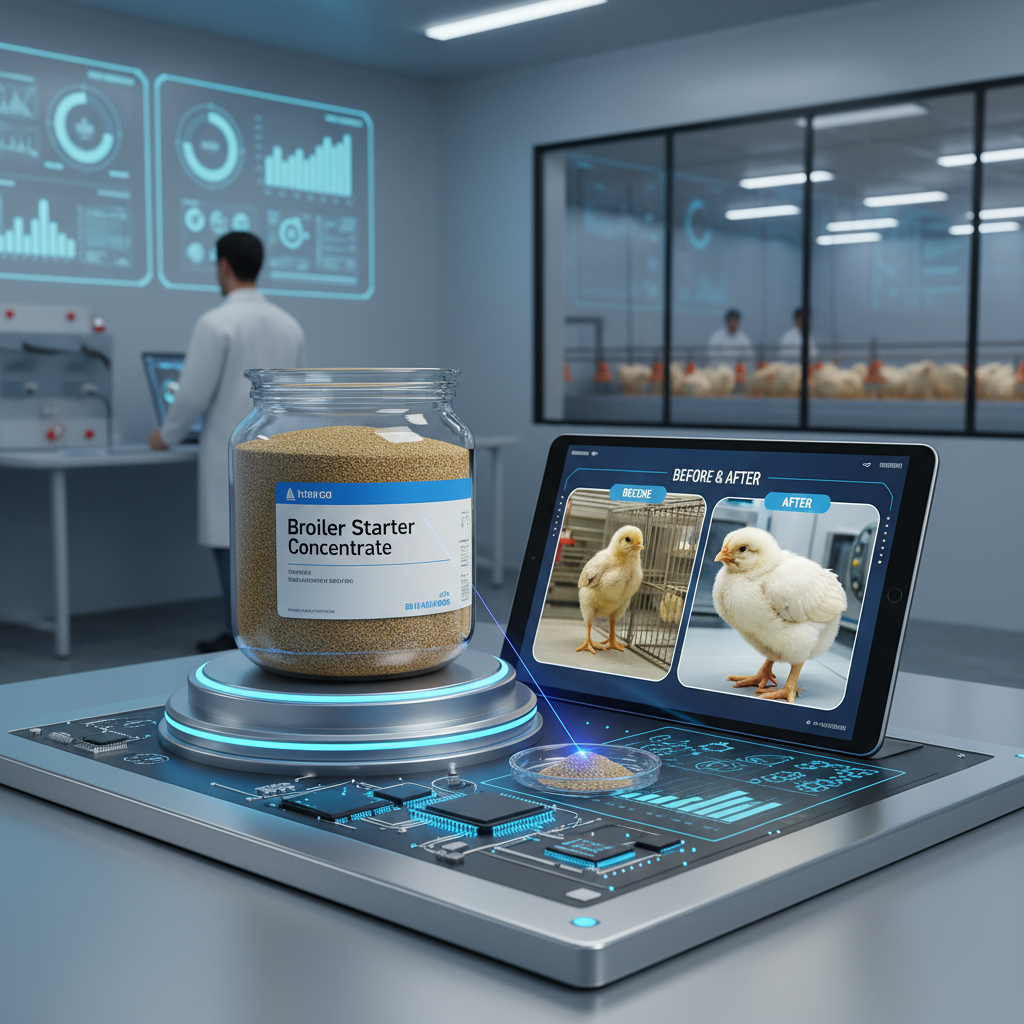
In simple terms, the broiler concentrate price represents the cost of a nutrient-dense mixture designed to be blended with local energy sources (like corn or wheat) to create a complete feed. Unlike full-mash feed, a concentrate contains the "expensive" parts of the diet—synthetic amino acids, vitamins, minerals, and sometimes growth promoters—allowing the farmer to source the bulk of the feed locally.
From an industrial perspective, the value inherent in the broiler concentrate price is not just in the ingredients, but in the precision of the formulation. A high-quality concentrate ensures that birds reach their target weight faster and with less waste, effectively reducing the "cost per bird" even if the initial price of the concentrate seems high.
This pricing model is critical for humanitarian and food security efforts in developing regions. By importing a concentrated nutrient pack and mixing it with local grains, NGOs and local governments can stabilize the broiler concentrate price impact on local protein production, ensuring that affordable chicken meat remains available to the population.
Core Components Affecting Concentrate Costs
One of the primary drivers of the broiler concentrate price is the quality of the amino acid profile. Methionine and Lysine are often the most expensive components; their price volatility directly impacts how much a producer pays for the final concentrate.
Furthermore, the inclusion of specialized additives, such as enzymes for better digestibility or organic acids for gut health, can shift the broiler concentrate price. While these additives increase the upfront cost, they typically lower the total feed requirement per kilogram of meat.
Finally, scalability and manufacturing efficiency play a role. Large-scale manufacturers can leverage economies of scale to keep the broiler concentrate price competitive, whereas boutique, organic, or herbal-based concentrates may command a premium price due to lower production volumes and higher ingredient costs.
Practical Applications and Cost Efficiency
In real-world application, the broiler concentrate price is evaluated against the Feed Conversion Ratio (FCR). In intensive farming zones across Southeast Asia and Africa, producers use concentrate to bridge the gap between locally available low-protein grains and the high-protein requirements of modern broiler breeds.
By optimizing the blend, farmers can mitigate the impact of a rising broiler concentrate price by adjusting the proportions of the mix based on the bird's age—using a higher-cost starter concentrate for chicks and a more economical finisher concentrate as they mature.
Efficiency Comparison Based on Broiler Concentrate Price Tiers
Strategic Advantages of Price Monitoring
Tracking the broiler concentrate price provides a competitive edge by allowing farmers to hedge their purchases. By buying in bulk during market dips, producers can lock in lower costs for an entire growing season, insulating themselves from the sudden price spikes that often occur during harvest failures or geopolitical unrest.
Moreover, a deep understanding of the broiler concentrate price allows for a more transparent cost-benefit analysis of different brands. Instead of simply choosing the cheapest option, savvy producers calculate the "cost per unit of gain," recognizing that a slightly more expensive concentrate may result in faster growth and lower overall expenditure.
Future Trends in Nutritional Pricing
The future of the broiler concentrate price is being reshaped by the shift toward sustainable proteins. The integration of insect-based proteins and algae-derived amino acids is expected to decouple concentrate costs from traditional soy and fishmeal markets, potentially stabilizing the broiler concentrate price over the long term.
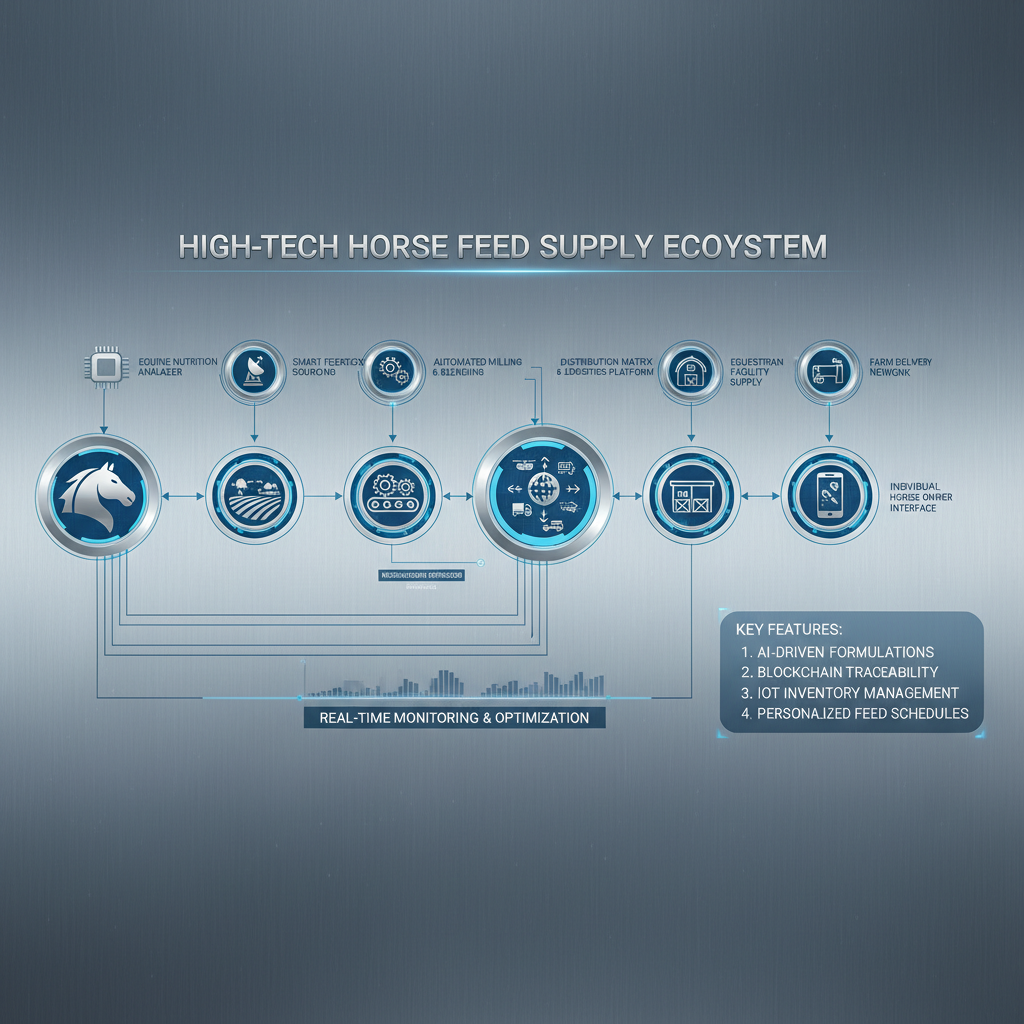
Digital transformation is also playing a role. Precision nutrition software now allows farmers to adjust their concentrate mixing ratios in real-time based on the birds' current weight and environmental temperature. This "smart feeding" reduces waste and optimizes the impact of the broiler concentrate price on the total operational budget.
Additionally, we are seeing a rise in "green" concentrates. While these may initially increase the broiler concentrate price, they allow producers to access premium "eco-friendly" or "antibiotic-free" meat markets, where the higher retail price more than offsets the increased cost of the feed additives.
Overcoming Price Volatility Challenges
The most significant challenge for poultry farmers is the unpredictable nature of the broiler concentrate price. When prices surge, the immediate reaction is often to reduce the quality of the feed, which unfortunately leads to slower growth and increased susceptibility to disease, ultimately costing the farmer more in veterinary bills and lost productivity.
To overcome this, experts suggest diversifying the source of the concentrate. By maintaining relationships with multiple suppliers, farmers can pivot to more cost-effective options when the broiler concentrate price spikes in one particular region or brand.
Investment in on-farm mixing equipment is another viable solution. By purchasing the raw vitamins and minerals separately and mixing them in-house, large-scale operations can effectively bypass the retail broiler concentrate price and reduce their costs to near-wholesale levels.
Comparison of Broiler Concentrate Price Impacts across Production Scales
| Farm Scale |
Sensitivity to Price |
Mitigation Strategy |
Overall Impact Score (1-10) |
| Small Backyard |
Low (Low volume) |
Local sourcing |
3 |
| Medium Commercial |
High (Fixed margins) |
Bulk purchasing |
8 |
| Industrial Integrator |
Moderate (Scale hedge) |
Direct raw importing |
5 |
| Organic Specialized |
Very High (Niche raw mats) |
Premium pricing |
9 |
| Community Cooperative |
Moderate (Shared cost) |
Group buying |
6 |
| Research/Seed Farm |
Low (Funded) |
Budget allocation |
2 |
FAQS
The price is primarily tied to global commodities. Since concentrates rely on imported amino acids and specific vitamins, any disruption in the supply chain, such as a poor soy harvest in South America or shipping delays in Asia, causes the broiler concentrate price to rise. Additionally, energy costs for processing and transport contribute to these frequent shifts.
No. A lower broiler concentrate price often indicates a lower concentration of essential amino acids or the use of lower-grade fillers. This can lead to a poorer Feed Conversion Ratio (FCR), meaning you spend more on total feed volume to reach the same bird weight, effectively making the "cheap" concentrate more expensive in the long run.
The best strategies include bulk buying during low-market periods, utilizing precision feeding software to avoid waste, and diversifying your raw energy sources (like using alternative grains) to lower the overall cost of the final mixed feed while maintaining the quality of the concentrate.
Concentrate price refers only to the nutrient-dense additive. Full feed price includes the concentrate plus the energy fillers (maize/corn). Because concentrates are much more nutrient-dense, their price per ton is significantly higher, but they are more efficient to transport over long distances.
Generally, yes. Organic concentrates avoid synthetic amino acids and growth promoters, requiring more expensive natural alternatives. However, this higher broiler concentrate price is usually offset by the higher market value of organic poultry meat.
To find the true cost, add the cost of the concentrate (based on the broiler concentrate price) to the cost of your local grains, then divide by the total kilograms of meat produced. This gives you the "cost per kg of gain," which is the only accurate way to measure efficiency.
Conclusion
Managing the broiler concentrate price is more than just a procurement task; it is a strategic necessity for any sustainable poultry operation. By understanding the global drivers of cost, the critical role of nutrient density, and the relationship between input prices and the Feed Conversion Ratio, producers can safeguard their margins against market volatility. The shift toward precision nutrition and sustainable ingredients further promises a more stable and efficient future for poultry farming.
Looking forward, the integration of digital monitoring and alternative proteins will likely flatten the volatility of the broiler concentrate price, allowing for more predictable budgeting and higher animal welfare standards. We recommend that farmers actively monitor global commodity trends and invest in high-quality, scientifically formulated concentrates to ensure long-term growth and profitability. Visit our website for professional nutritional solutions: www.rcpetfood.com