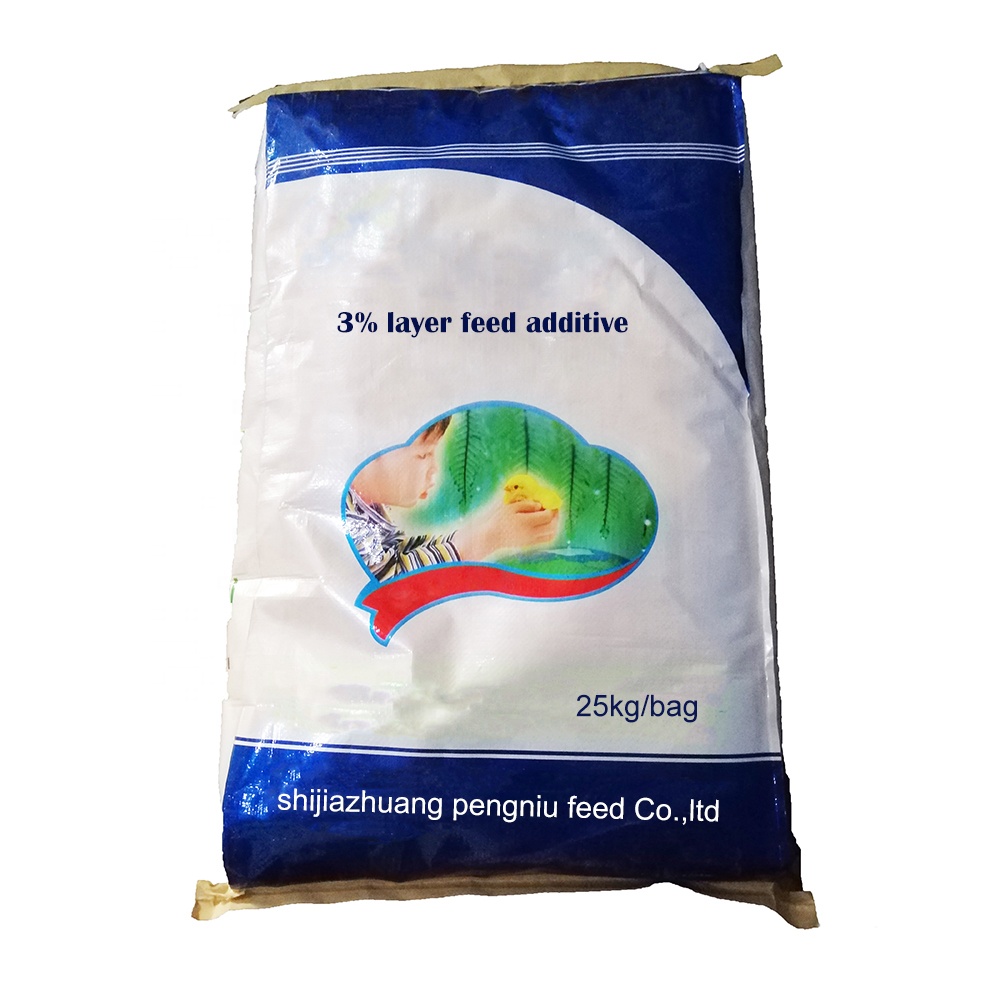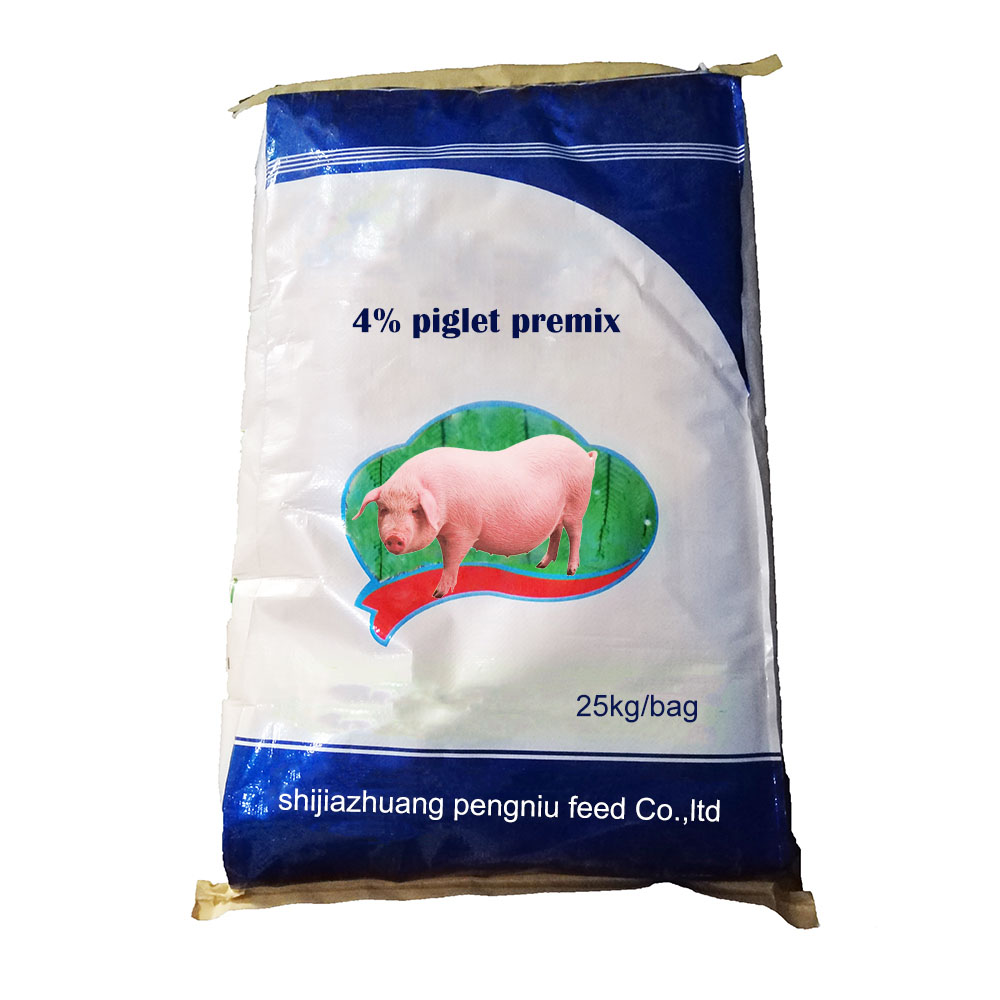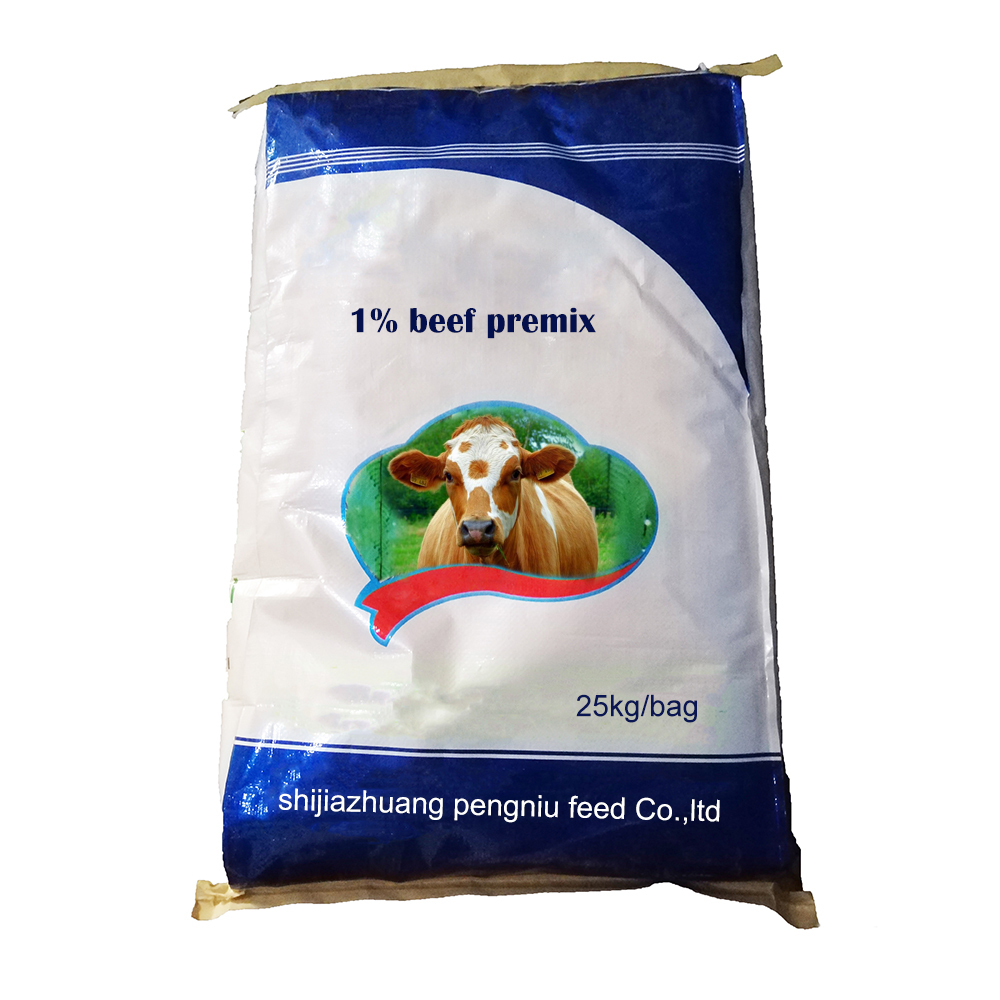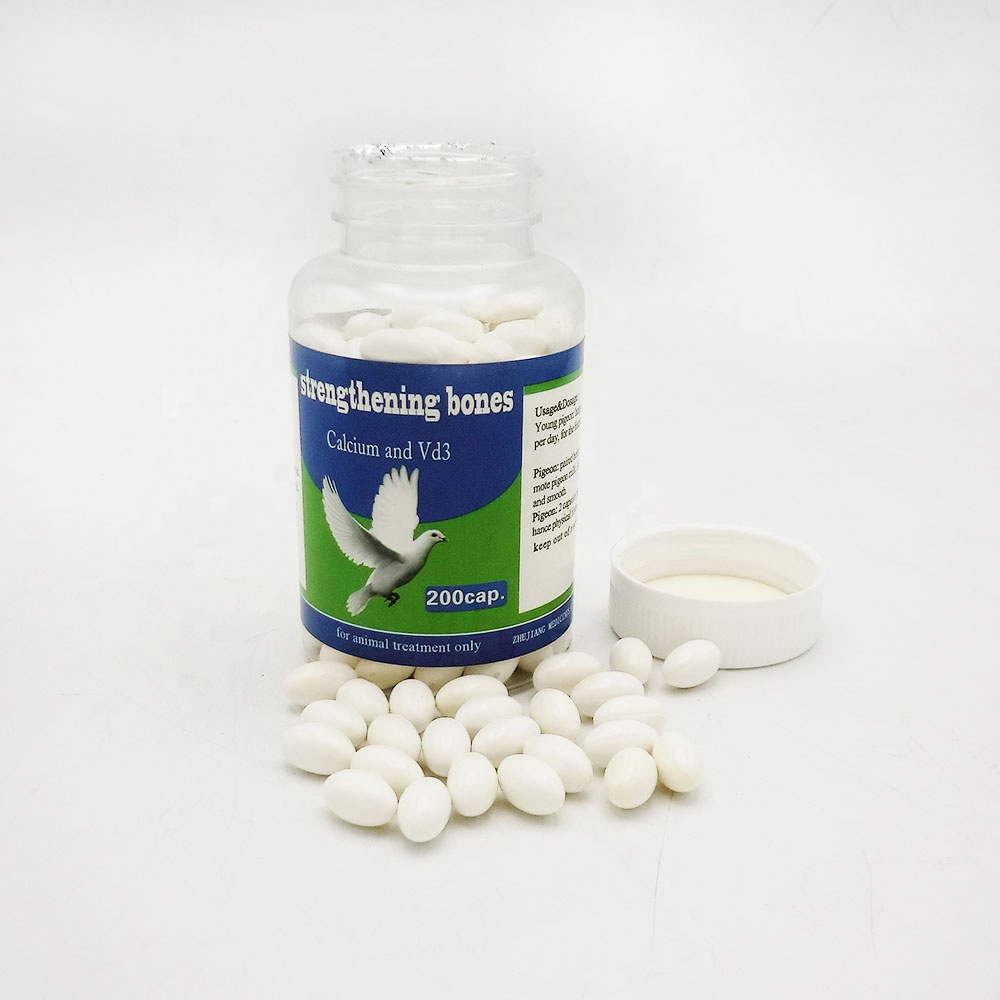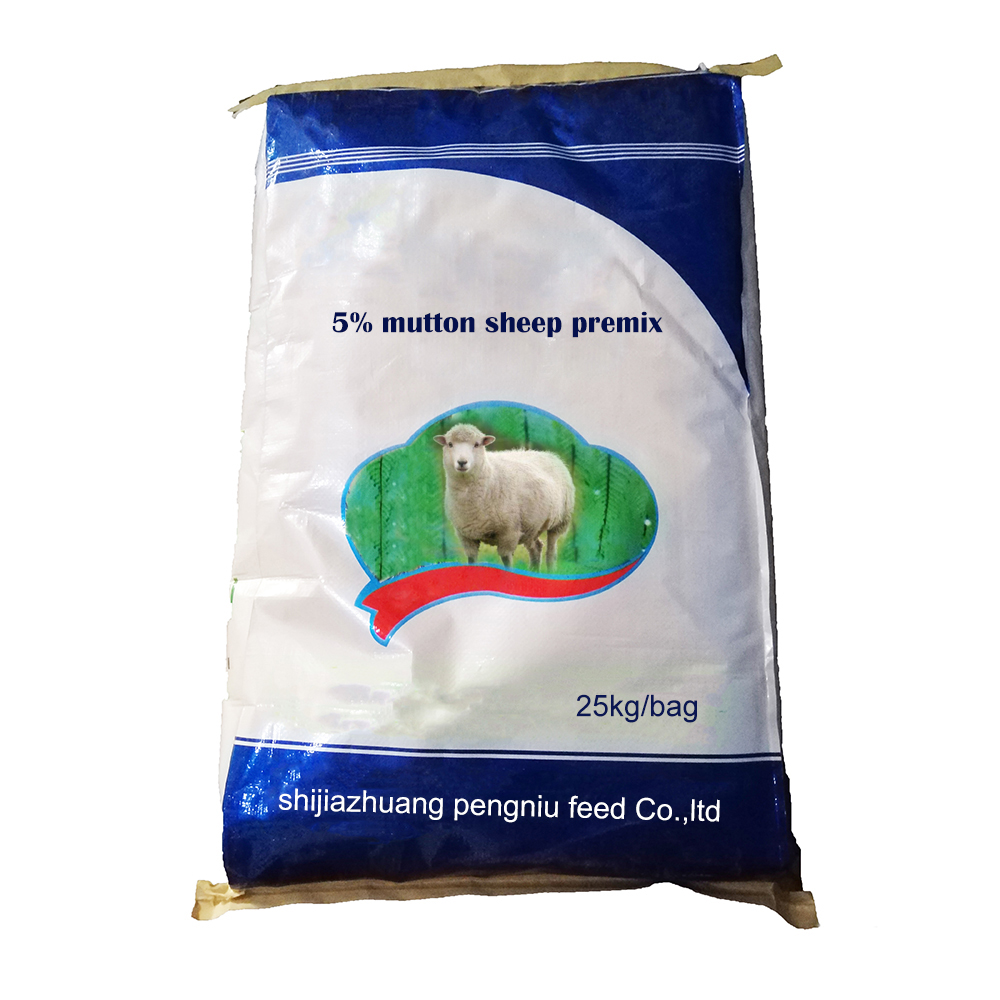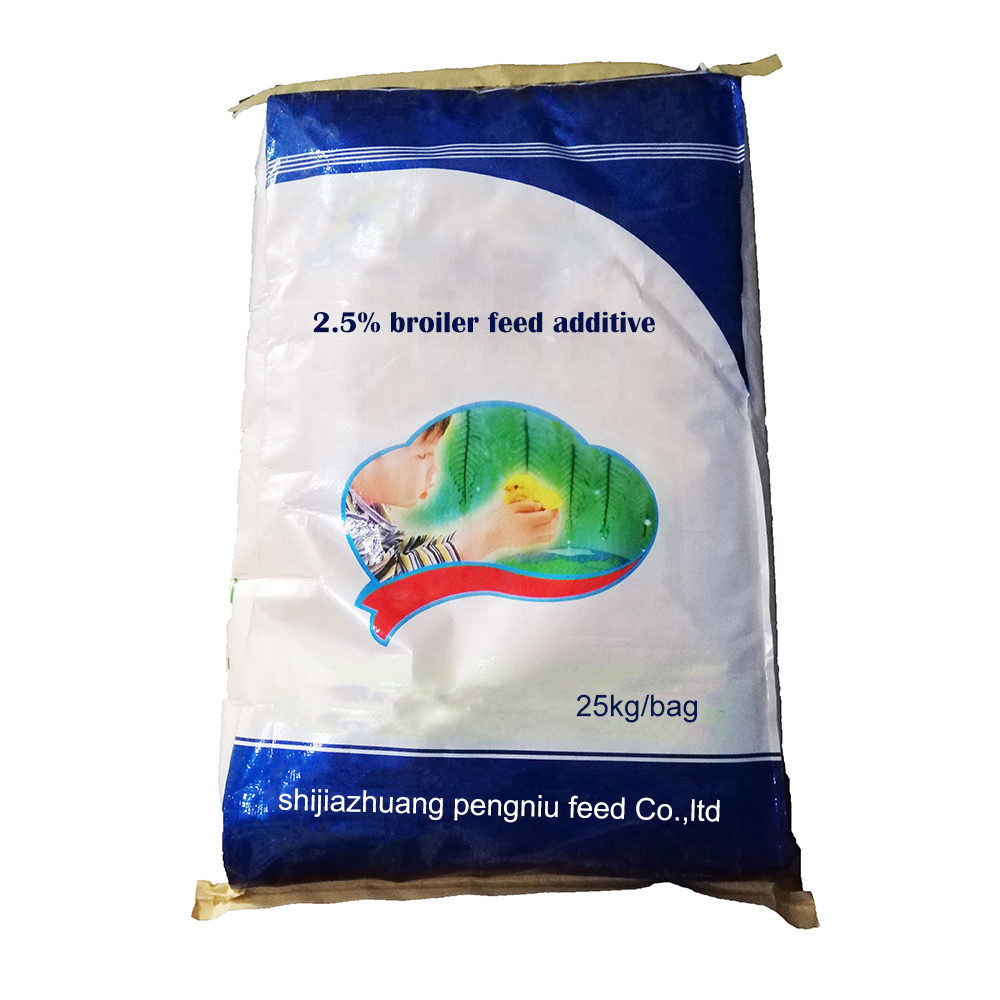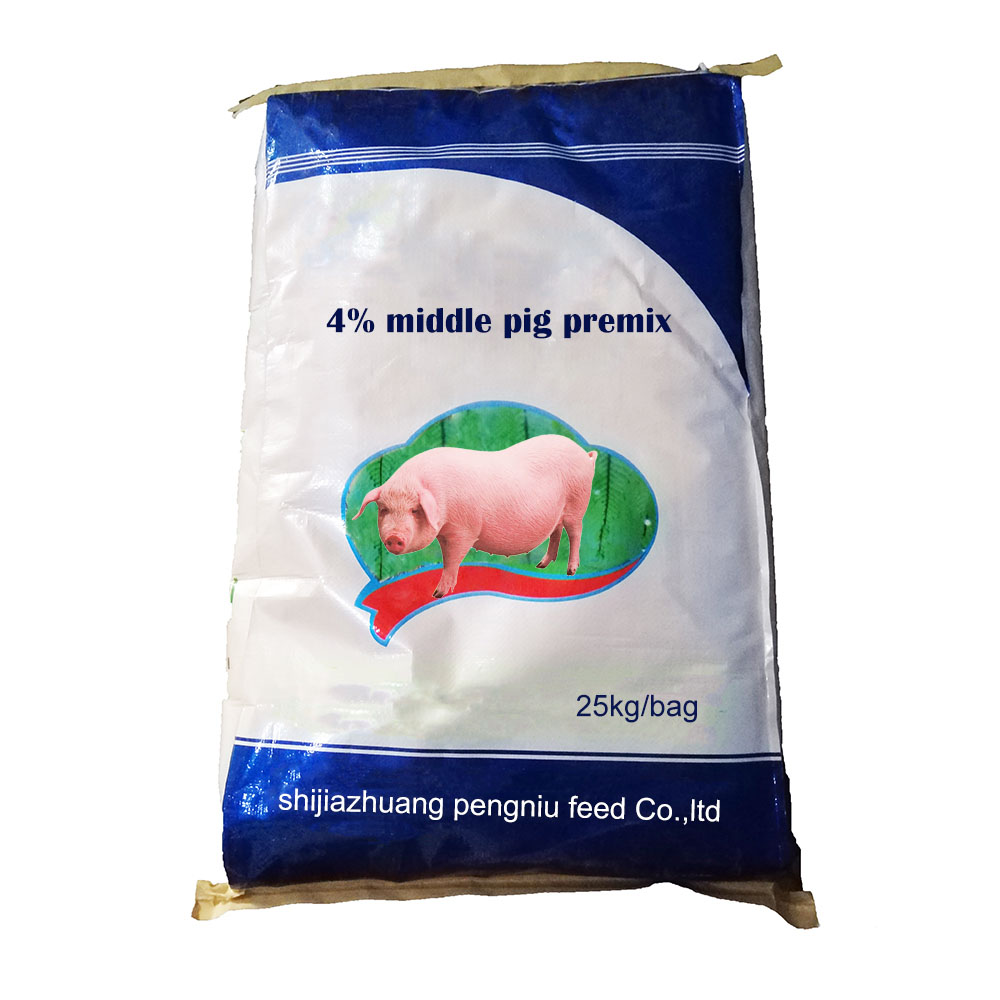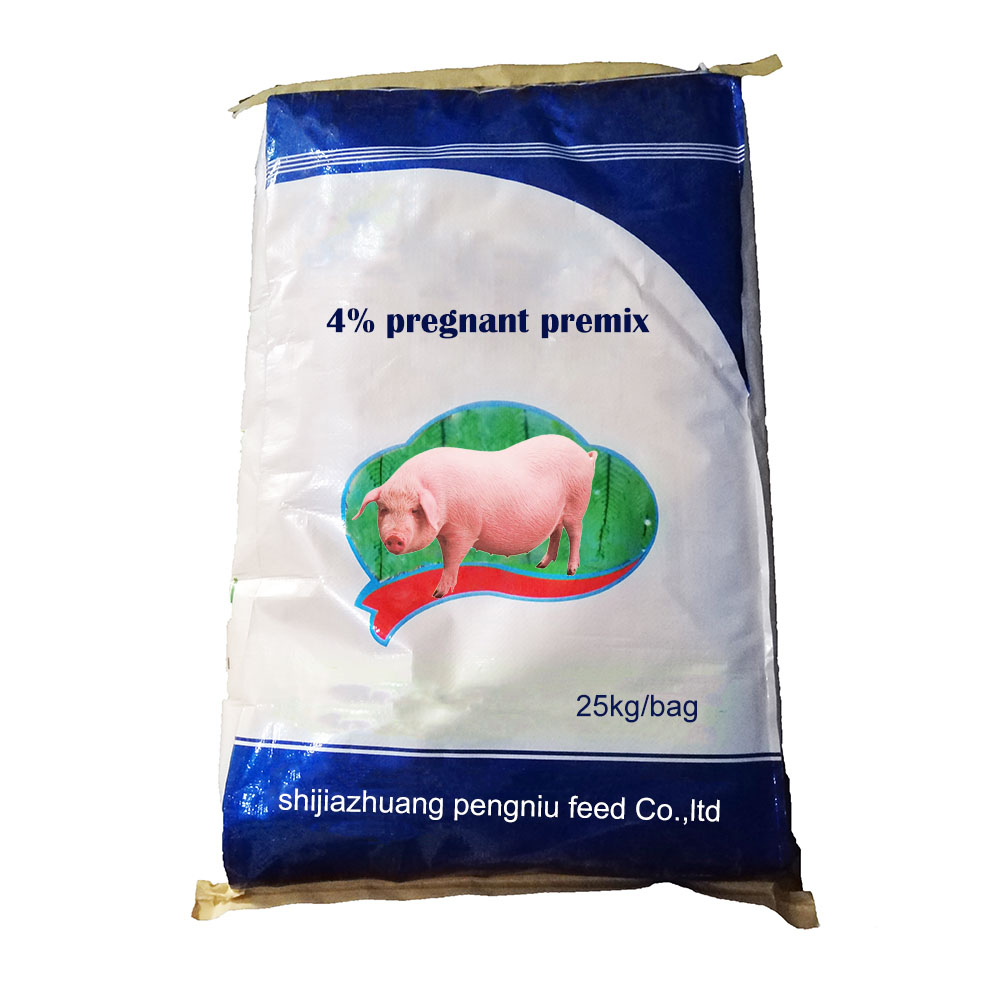
Understanding Animal Additives: Why They Matter More Than Ever
At first glance, “animal additives” might just sound like one of those technical terms that get tossed around in agricultural or industrial settings without much fanfare. But the reality is that these substances are shaping the way we feed, heal, and care for livestock worldwide — and by extension, influencing global food security, sustainability, and even humanitarian efforts.
In a nutshell, animal additives are ingredients added to animal feed or related products to improve health, growth, or productivity. Knowing what they are and how they work isn’t just for scientists or farmers; it’s for anyone interested in how our food systems and animal welfare are evolving to meet the challenges of the 21st century.
Animal Additives in the Global Context: A Growing Necessity
With a global population nearing 8 billion and rising meat and dairy consumption, demand for animal protein is soaring. The Food and Agriculture Organization (FAO) estimates that by 2050, food production will need to increase by about 70% to keep pace. That’s a tall order — and animal additives play a surprisingly big role in making sure livestock farming can sustainably and efficiently meet this need.
Besides boosting growth rates or improving nutrient uptake, additives help prevent diseases, reduce environmental waste, and make feed more digestible. They’re also sometimes the unsung heroes in emergency responses — think: quickly raising resilient herds after natural disasters or in food crisis zones.
However, adding chemicals or supplements to animal diets walks a delicate path. Consumers worldwide demand food that’s safe, ethical, and environmentally friendly. The industry faces challenges balancing productivity with these expectations.
What Exactly Are Animal Additives?
Simply put: animal additives are substances incorporated into animal feed or drinking water to improve performance or health. They include vitamins, minerals, enzymes, probiotics, antibiotics (though increasingly regulated), flavor enhancers, and growth promoters.
Imagine your pet’s multivitamin but developed for cattle, poultry, pigs, or even aquaculture species. These additives can compensate for nutritional gaps in feed, boost immunity, improve feed efficiency, or even enhance product quality like meat tenderness or milk yield.
On a humanitarian level, such additives ensure undernourished or vulnerable livestock populations survive and thrive, which is crucial given that many rural livelihoods directly depend on healthy animals.
Core Components of Animal Additives and What They Mean Practically
1. Nutritional Enhancers
Includes vitamins, minerals, and amino acids. These fill dietary gaps — for example, in regions where soil lacks selenium, animals don't get enough of it naturally. Supplements correct that imbalance.
2. Growth Promoters and Digestive Aids
Enzymes and probiotics improve digestion, helping animals extract more nutrients from feed. Faster growth with less feed costs farmers money — a huge advantage.
3. Disease Prevention and Treatment
From antibiotics (now under pressure worldwide for overuse concerns) to herbal additives with antimicrobial properties, these protect animals from infections, reducing mortality and improving welfare.
4. Palatability and Flavor Enhancers
A bit like seasoning for humans, these additives encourage animals to eat more, especially when feed quality is poor, and hence maintain good growth rates and health.
5. Environmental Modifiers
Certain additives reduce methane emissions from ruminants or nitrogen excretion, addressing the sustainability concerns associated with intensive animal farming.
Mini takeaway:
Each type of additive targets a specific challenge in animal husbandry, allowing farmers and producers to optimize health and productivity responsibly.
Global Applications and Real-World Use Cases
Animal additives find uses everywhere — in industrial livestock farms across Europe and North America, smallholder farms in Africa and Asia, and aquaculture units in Latin America. For instance, in drought-prone regions of East Africa, additives fortified with electrolytes help maintain hydration and nutrient uptake in cattle during harsh seasons.
In post-disaster zones, such as after floods in Southeast Asia, NGOs supply feed additives with immune-boosting supplements to improve herd recovery rates. Similarly, large poultry producers in the US rely on enzyme additives to improve feed conversion, lowering overall costs while meeting stringent environmental regulations.
Even in organic farming, certain natural additives like yeast extracts or herbal blends are approved, reflecting growing consumer demand for “clean” animal production inputs.
Product Specification Table: Typical Animal Additives Profile
| Additive Type | Function | Common Form | Typical Dosage |
|---|---|---|---|
| Vitamins & Minerals | Nutrient supplementation | Powder, premix | 0.1% - 1% of feed |
| Probiotics | Improve gut health | Liquid, powder | 10⁶ - 10⁹ CFU/g |
| Enzymes | Enhance feed digestibility | Powder | 100 - 500 mg/kg feed |
| Growth promoters | Accelerate weight gain | Premix, liquid | Varies by compound |
| Flavor enhancers | Increase feed intake | Powder | 0.05% - 0.1% of feed |
Advantages and Long-Term Impact of Using Animal Additives
The benefits go beyond the obvious productivity boost. Economically, better feed efficiency means less input cost for farmers. Environmentally, additives that reduce emissions or improve nutrient absorption can lower the carbon footprint of animal farming — a huge win for sustainability.
Socially, healthier livestock translate into better food security and livelihoods for farmers, especially in underdeveloped regions. There’s also an emotional angle here: enabling animals to thrive instead of suffering from nutrient deficiencies or disease is more than good business — it’s responsible stewardship.
Admittedly, the trust factor plays heavily too. Consumers want transparency about what goes into animal feeds. Brands that invest in natural or safe additives gain customer loyalty, which in an era of conscientious consumption is gold.
Vendor Comparison Table: Top Animal Additive Suppliers
| Supplier | Product Range | Global Reach | R&D Investment | Sustainability Focus |
|---|---|---|---|---|
| VetAdd Solutions | Full spectrum: vitamins, enzymes, probiotics | Global (80+ countries) | High (10% revenue) | Yes, biodegradable packaging |
| GreenFeed Ingredients | Natural additives, herbal blends | Mostly Europe & Asia | Moderate (6%) | Strong emphasis on organic inputs |
| AgriPlus Labs | Specialized enzyme formulas | North & South America | High (12%) | Focus on emission reduction additives |
Emerging Trends and Innovations in Animal Additives
There’s a growing shift toward eco-conscious and “clean-label” additives — basically safer, natural alternatives that avoid synthetic chemicals. Biotechnology is changing the game too: genetically engineered enzymes or probiotics tailored for specific species and regions.
Digital transformation — think IoT sensors in farms — integrates with additive use by monitoring animal health in real time to adjust nutrition dynamically. Not to mention the rise of blockchain for traceability, ensuring that additives are responsibly sourced and ethical.
Sustainability regulations from global bodies (like ISO and the UN’s Sustainable Development Goals) push feed additive producers toward lowering waste and emissions. Frankly, it’s a competitive advantage to innovate in these areas — those who don’t risk falling behind.
Challenges in the Use of Animal Additives and Smart Solutions
Over-reliance or misuse is a serious issue — especially with antibiotics contributing to resistance. Regulatory scrutiny is tightening worldwide, demanding safer alternatives and better documentation.
Another hurdle is cost for smallholder farmers who often can’t afford premium products. Customized, locally sourced additives could be a partial solution, along with education and partnerships with NGOs to facilitate accessibility.
Quality control is always tricky when scaling production globally. This is where advanced analytical techniques and international standards come in handy, ensuring additive consistency and safety.
Mini recap:
Challenges exist, but combining innovation, policy, and education can provide pathways forward — making animal additives safer, affordable, and more effective for everyone.
Frequently Asked Questions About Animal Additives
- Q: What are the most common types of animal additives used in feed?
- A: The most common include vitamins & minerals, enzymes, probiotics, flavor enhancers, and growth promoters. Each plays a different role, from nutrient supplementation to improving digestion or palatability.
- Q: Are there safety concerns with animal additives for human consumers?
- A: Yes, which is why strict regulations exist globally. Additives are carefully tested to ensure they don’t leave harmful residues in meat, milk, or eggs. Increasingly, natural additives are encouraged for safety and consumer trust.
- Q: How do animal additives improve sustainability in farming?
- A: They can reduce waste and emissions by enhancing feed efficiency or modifying digestion processes, resulting in less environmental impact per unit of animal product.
- Q: Can small-scale farmers access effective animal additives affordably?
- A: It varies by region and supplier. NGOs and government programs sometimes provide subsidies or education. Moreover, locally produced or natural additives can be a cost-effective alternative.
- Q: Where can I learn more about trustworthy suppliers of animal additives?
- A: Industry associations and trusted vendors with transparent certifications are good places to start. Feel free to check out animal additives platforms for up-to-date supplier data.
In Conclusion: Why Animal Additives Are Here to Stay
Whether you’re a farmer aiming for better herd health, a food industry professional committed to sustainability, or simply curious about what goes into your dinner plate, understanding animal additives opens a window into a complex but crucial field.
These substances quietly uphold food security, economic viability, and animal welfare around the globe. And they’re evolving every day — greener, smarter, and more responsive to our world’s needs.
Curious to dive deeper? Visit our website https://www.rcpetfood.com for more insights and trusted products.
References
Post time: November 29, 2025