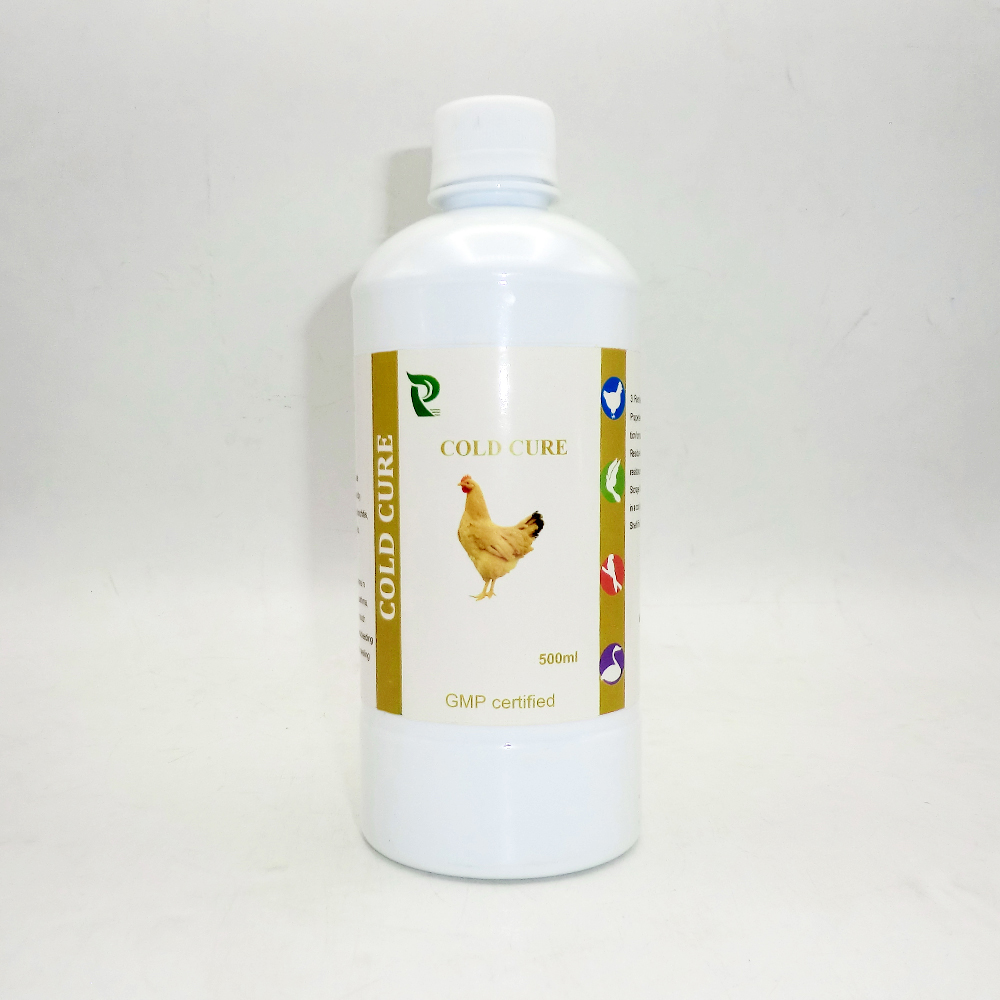
Understanding Additives for Animal Feed: What They Are and Why They Matter Globally
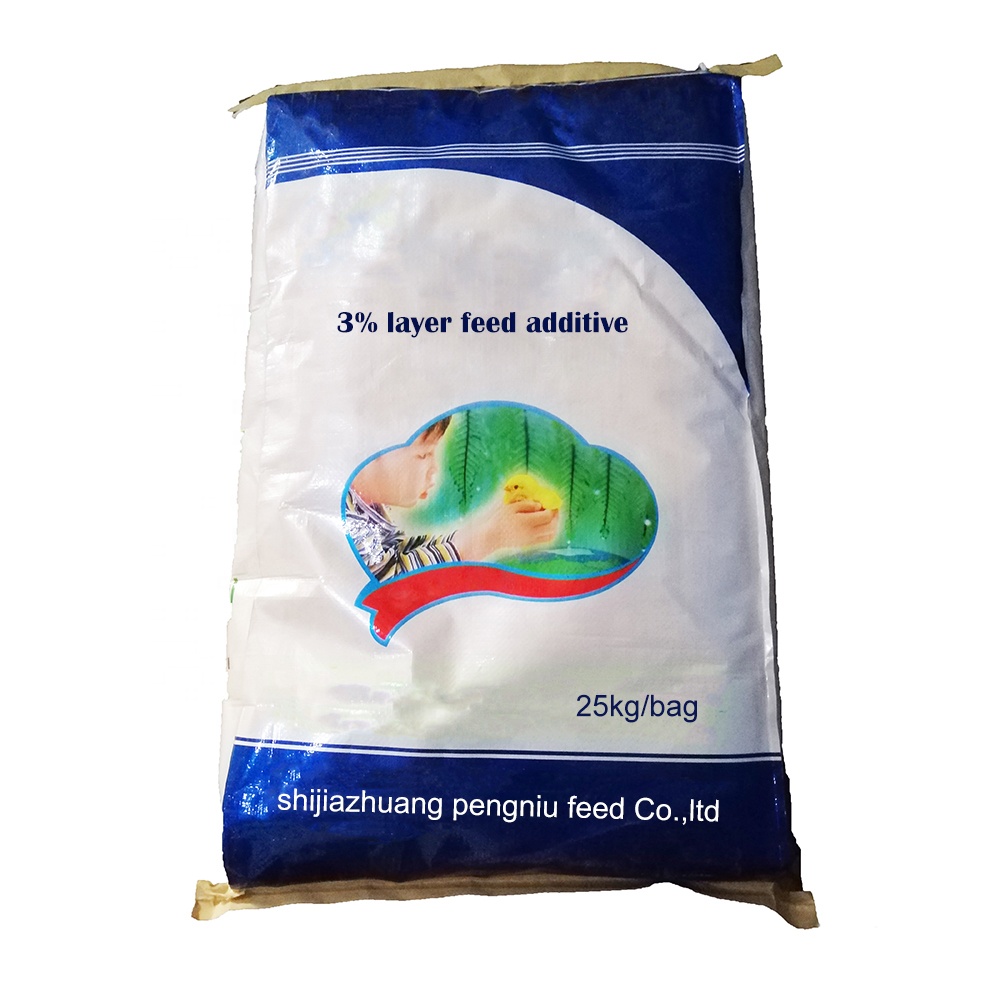
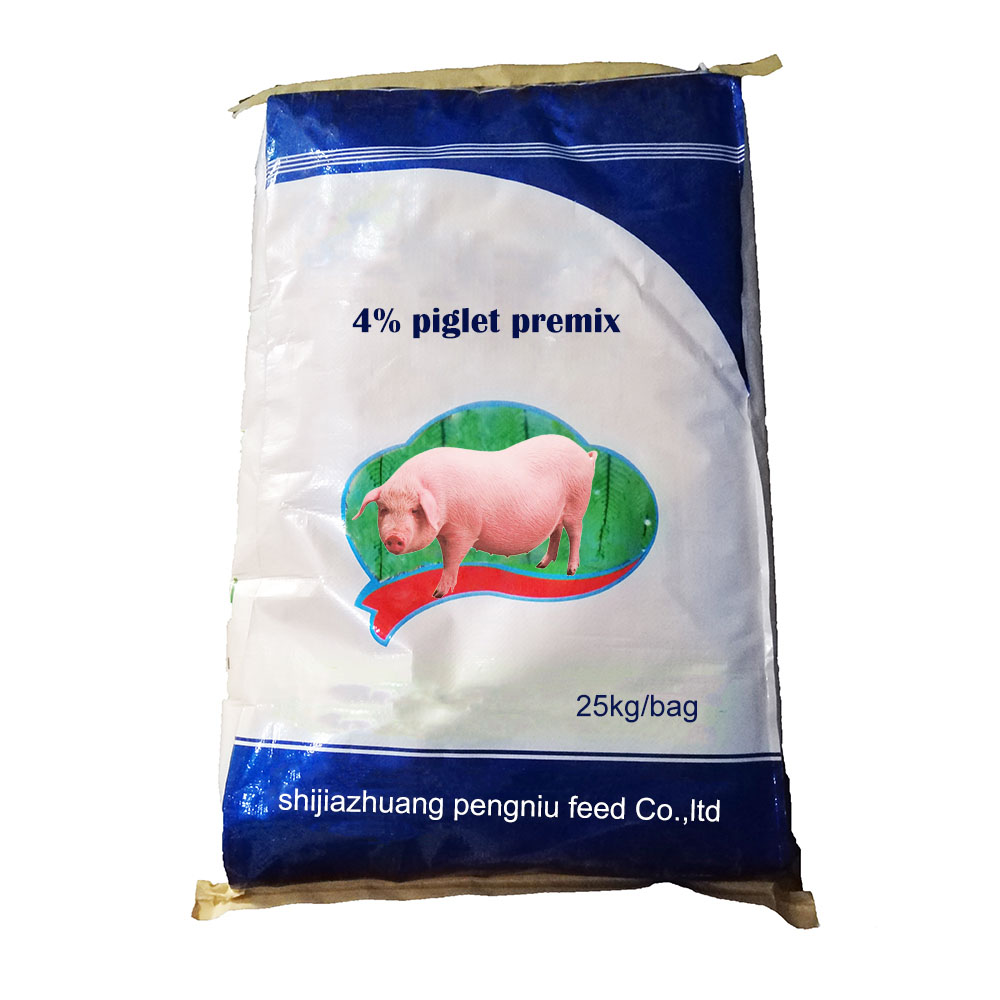
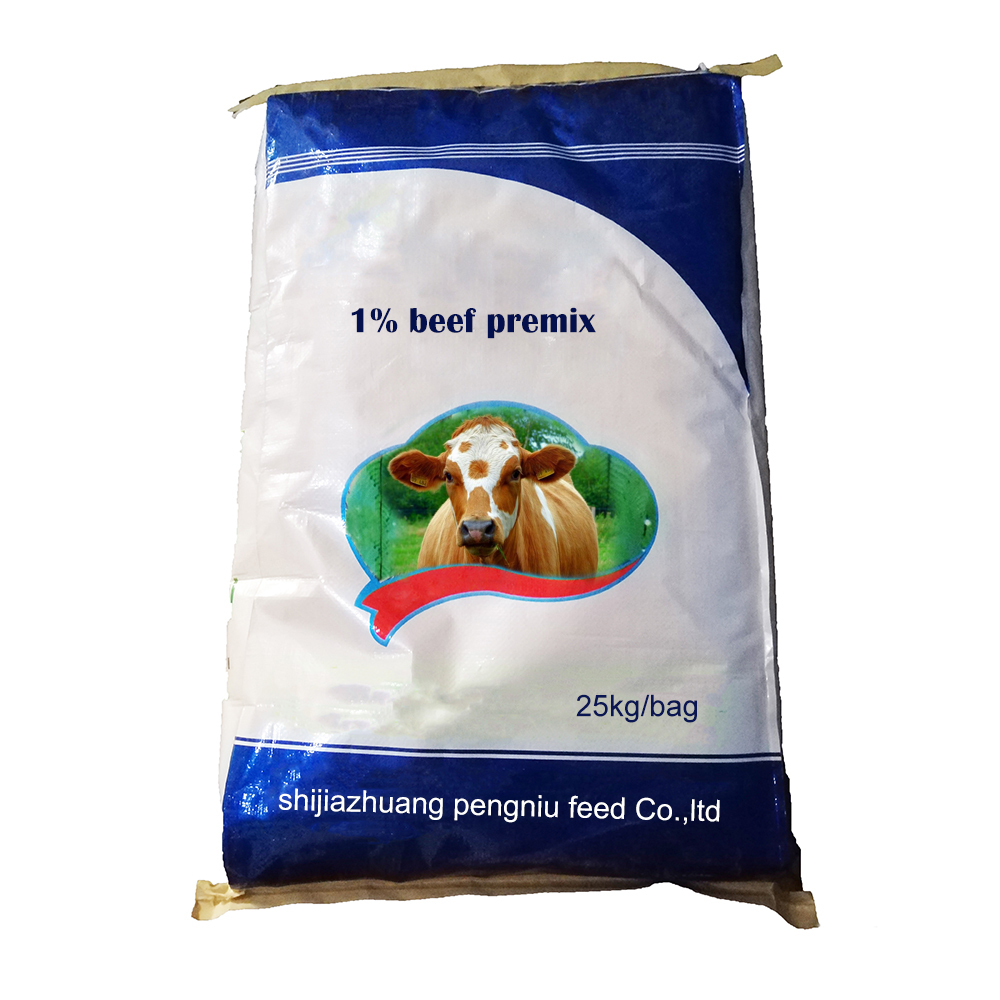
In the complex world of animal husbandry and livestock management, one term you’ll often hear is additives for animal feed. Simply put, these are substances added to animal diets to enhance nutritional value, improve digestion, or prevent disease. But this is more than just an agricultural fad. Globally, as demands for sustainable protein sources escalate and challenges like feed shortages persist, understanding these additives has become crucial—not just to feed animals efficiently, but to protect food security and promote animal welfare.
If you’re in farming, veterinary sciences, or even interested in global food chains, grasping the role of feed additives unlocks a clearer picture of how modern agriculture wrestles with its challenges.
Mini takeaway: Additives for animal feed aren’t just supplements; they’re vital tools that support healthier livestock and stronger, more resilient food systems worldwide.
The Global Context: Why Additives For Animal Feed Are More Relevant Than Ever
Looking at the bigger picture, global livestock production is projected to grow by roughly 59% by 2050, according to the Food and Agriculture Organization (FAO). This growth is driven primarily by rising demand in developing nations. Yet, this increased scale comes with its headaches:
- Feed costs are unpredictable and often the largest expense in farming.
- Animal health problems can decimate herds and compromise food safety.
- Sustainability concerns press harder as environmental impacts of farming become clearer.
Here’s where feed additives step up. They optimize feed conversion rates, promote immunity, reduce methane emissions, and sometimes even replace antibiotic use — a key issue as the world combats antimicrobial resistance. The World Health Organization cites responsible use of additives in feed as a cornerstone of global One Health strategies.
Mini takeaway: From economics to ecology, additives for animal feed tackle core problems in sustainable livestock farming worldwide.
What Exactly Are Additives for Animal Feed?
Put simply, additives for animal feed are natural or synthetic ingredients mixed into animal diets to improve performance and health. They differ from basic nutrients (like proteins or carbohydrates); instead, their job is to make those nutrients more effective or to protect the animals from challenges hidden inside or outside the feed.
These additives can be:
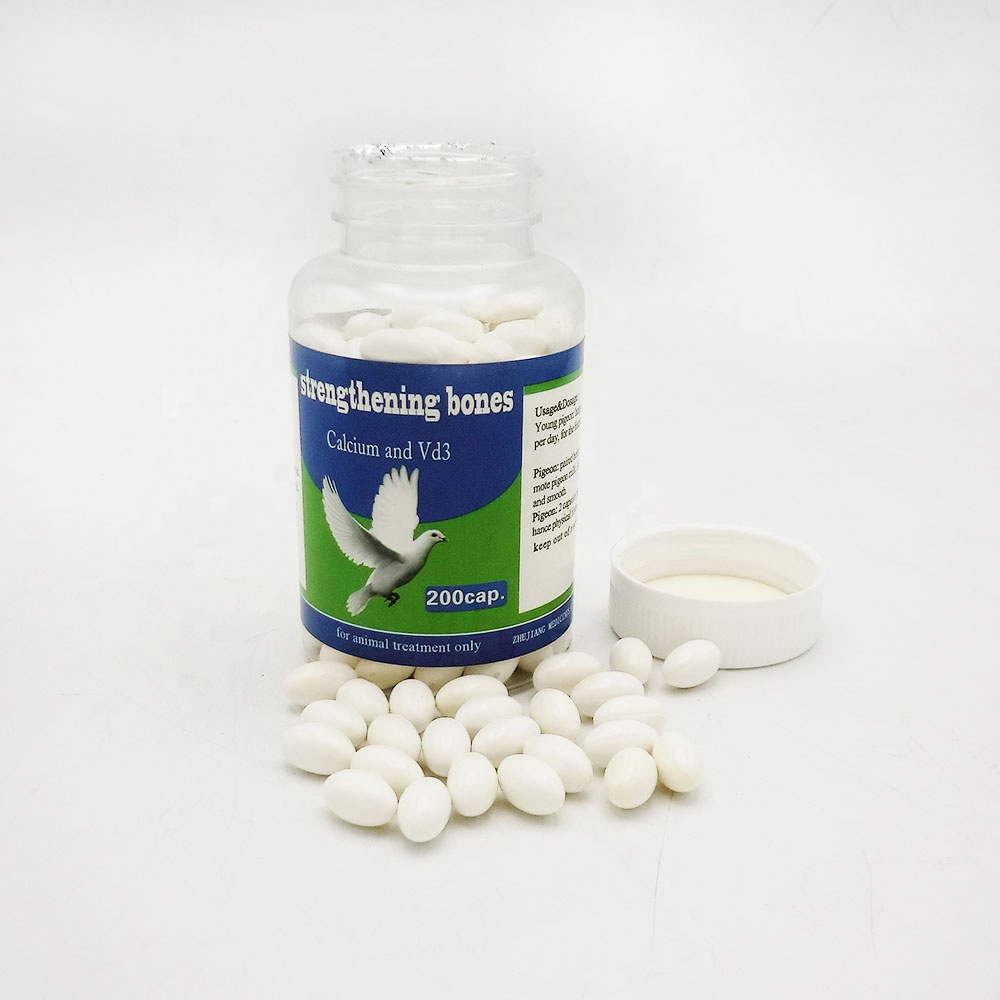
- Vitamins and minerals: to tackle nutrient deficiencies.
- Probiotics and enzymes: to boost gut health and digestion.
- Antioxidants: to maintain feed quality and animal health.
- Preservatives and mold inhibitors: to keep feed safe during storage.
- Growth promoters: sometimes controversial but aimed at faster weight gain.
Modern livestock operations rely on additives to meet strict production targets while caring for animal welfare and product safety. Additives also pave the way for reducing antibiotics in animal farming — a public health milestone.
Mini takeaway: Feed additives are specialized ingredients, not just fillers, designed to unlock animals’ potential in a healthy, science-backed way.
Core Components of Effective Animal Feed Additives
1. Nutritional Enhancement
At the most basic level, additives improve how well animals absorb nutrients. For instance, enzymes like phytase help birds get phosphorus from grains, cutting down environmental phosphorus runoff too.
2. Disease Prevention and Immunity
With the right additives, animals develop stronger natural defenses, reducing the need for antibiotics — a win for farmers and consumers alike.
3. Preservation & Safety
Proper additives prevent feed spoilage, fungal growth, and toxin formation. This means safer, longer-lasting feed stocks, even in challenging storage conditions.
4. Environmental Impact Mitigation
Some additives reduce methane emissions in ruminants or enhance manure digestibility, a cool example of how livestock farming can get greener.
5. Cost Efficiency
Though additives add some cost upfront, they typically lower overall production costs by improving feed conversion ratios, growth rates, or reducing veterinary bills.
6. Adaptability to Diverse Diets
Additives help livestock thrive on variable diets, which is crucial for regions where feed quality fluctuates with seasons or accessibility.
Mini takeaway: From boosting health to environmental benefits, the components of feed additives touch every angle of responsible animal farming.
Global Use Cases: From Small Farms to Industrial Giants
The world’s farmers use additives for animal feed in many contexts:
- In South America: Large beef operations use rumen modifiers to reduce methane, aligning with sustainability targets.
- Sub-Saharan Africa: Additives enrich poor-quality feed during dry seasons, preventing malnutrition in smallholder herds.
- Europe and North America: Regulations encourage replacing antibiotic growth promoters with probiotics and enzymes.
- Post-disaster relief: Emergency feeding programs utilize nutrient-dense additives to support displaced livestock during crises.
One interesting project in India uses organic acid additives to reduce feed contamination in tropical climates, dramatically improving poultry health and reducing losses. These adaptable solutions show how additives for animal feed have both high tech and humanitarian angles.
Mini takeaway: Whether it’s a smallholder or an industrial farm, additives adapt to fit regional needs—helping animals and farmers cope with changing conditions.
Advantages and the Long-Term Value of Feed Additives
Feed additives come with tangible upsides that ripple through economics and ethics:
- Cost Savings: Better feed efficiency means meat, milk, or eggs produced with fewer resources.
- Healthier Animals: Reduced disease risk, less antibiotic reliance.
- Environmental Gains: Lower emissions and waste output.
- Food Security: Higher quality animal products support human nutrition globally.
- Animal Welfare: Safer, more digestible feed means animals endure less stress and suffering.
Frankly, the psychological comfort for farmers knowing they’re doing “right by the animals” counts as much as the dollars saved. It turns farming from a gamble into a more trusted system.
Mini takeaway: Additives don’t just tick boxes on spreadsheets—they create healthier ecosystems, better animals, and more stable livelihoods.
Emerging Trends & Innovations in Additives for Animal Feed
The industry isn’t standing still. Here are some exciting developments:
- Precision Nutrition: Digital technologies now help tailor additive blends for specific breeds or life stages.
- Natural and Organic Alternatives: As consumer demand grows for “clean” products, probiotics, prebiotics, and plant-based additives gain ground.
- Biotechnological Advances: Genetically engineered enzymes that break down feed components more efficiently.
- Green Energy in Production: Sustainable manufacturing processes for additives reduce carbon footprints.
Innovation here feels a bit like a puzzle with many pieces—science, sustainability, and economics fitting together to fuel the next generation of animal feed solutions.
Mini takeaway: The future of feed additives is high-tech, sustainable, and increasingly customized to meet specific animal and farmer needs.
Challenges and Practical Solutions
Not everything is rosy. Challenges include:
- Cost Barriers: Small-scale farmers sometimes struggle to afford sophisticated additives.
- Regulatory Hurdles: Diverse global rules slow down additive approvals and adoption.
- Resistance and Misuse: Overreliance on certain additives can trigger microbial resistance or ineffective outcomes.
Experts advise combining additives with strong veterinary advice and ongoing farmer education. Some startups develop low-cost, locally produced additives to improve accessibility. Plus, harmonizing international standards could speed safe adoption worldwide.
Mini takeaway: Challenges are real but with informed strategy and innovation, solutions are well within reach.
FAQ: Answers to Your Most Pressing Questions
Q1: What are the main benefits of adding probiotics to animal feed?
A1: Probiotics enhance gut flora balance, improving digestion and immune health. Animals tend to grow faster and resist infections better, reducing the need for medicines.
Q2: Can additives really replace antibiotics for growth promotion?
A2: While no single additive completely replaces antibiotics, combinations of enzymes, probiotics, and organic acids have proven effective alternatives under good management.
Q3: Are feed additives safe for organic farming?
A3: Some feed additives, especially natural ones like yeast or plant extracts, are approved for organic systems. Always check certification standards first.
Q4: How do additives help reduce environmental impact?
A4: Additives can lower methane emissions from ruminants, improve nutrient absorption (reducing waste), and prevent feed spoilage, contributing to a greener footprint.
Q5: How can smallholder farmers access quality feed additives?
A5: Many international development initiatives promote affordable, locally produced supplements. Farmer cooperatives and NGOs can be important access points.
Product Specification Overview: Typical Animal Feed Additives
| Additive Type | Typical Use | Effective Dosage | Benefits |
|---|---|---|---|
| Probiotics | Enhance gut health, boost immunity | 10⁸-10⁹ CFU/kg feed | Improved growth, reduced disease |
| Enzymes (e.g. phytase) | Increase nutrient availability | 500-1000 FTU/kg feed | Better phosphorus absorption |
| Organic acids | Preservatives, growth promoters | 0.5-2% of feed weight | Inhibit pathogens, improve digestibility |
| Vitamins & minerals | Correct nutrient deficiencies | Varies by nutrient | Balanced nutrition, better growth |
Vendor Comparison: Global Suppliers of Animal Feed Additives
| Vendor | Product Range | Global Reach | Sustainability Initiatives | Notable Strength |
|---|---|---|---|---|
| DSM | Wide: vitamins, enzymes, probiotics | Over 100 countries | Carbon-neutral production by 2025 | Cutting-edge R&D |
| Cargill | Feed enzymes, organic acids | Global | Sourcing from sustainable agri-systems | Supply chain integration |
| Novus International | Specialty enzymes, antioxidants | Global but focused | Focus on reducing antibiotics | Innovative health solutions |
| BASF | Broad chemicals and feed additives | More than 90 countries | Sustainable chemistry practices | Strong regulatory compliance |
Wrapping Up: Why Investing in Additives for Animal Feed Makes Sense
Looking back, the smart use of additives for animal feed feels like a quiet revolution in livestock management. They balance nutrition, support health, and contribute to environmental goals — all while offering immediate economic benefits. What’s more, their evolving nature means they keep pace with innovation and changing global needs.
If you’re keen to dive deeper into specific feed additive products and solutions tailored to your animals’ needs, why not explore some trusted resources? Visit additives for animal feed today and see what options might fit your operation.
It’s a small step with a potentially huge impact on the sustainability and success of your farm, so why wait?
References
Post time: November 29, 2025