Animal Pharmaceuticals: A Vital Link in Global Animal Health and Food Security
When you hear animal pharmaceuticals, you might think simply of medicines for pets or livestock. Yet this field is far more pivotal globally than many realize. It spans critical health interventions for livestock that feed billions, safeguards animal welfare in food production, and even protects wildlife populations. Understanding what animal pharmaceuticals really are and their broad impact reveals not only a complex industry but a cornerstone of sustainable agriculture, food security, and public health worldwide.
Introduction: The Global Importance of Animal Pharmaceuticals
Globally, the livestock sector contributes nearly 40% of the agricultural GDP, representing trillions of dollars in value (World Bank, 2022). And with over 7.5 billion people relying on animal-source food at least partially, the health of these animals is not a niche topic—it’s fundamental to global nutrition and economies. Animal pharmaceuticals therefore serve as crucial tools for disease prevention and treatment, supporting animal welfare and ensuring food products remain safe for consumers.
However, challenges persist. Resistance to veterinary drugs is on the rise, and supply chain gaps exist especially in low-income regions, threatening livestock productivity and livelihoods. Addressing these issues hinges on better access, innovation, and regulation within the animal pharmaceutical industry.
What Are Animal Pharmaceuticals?
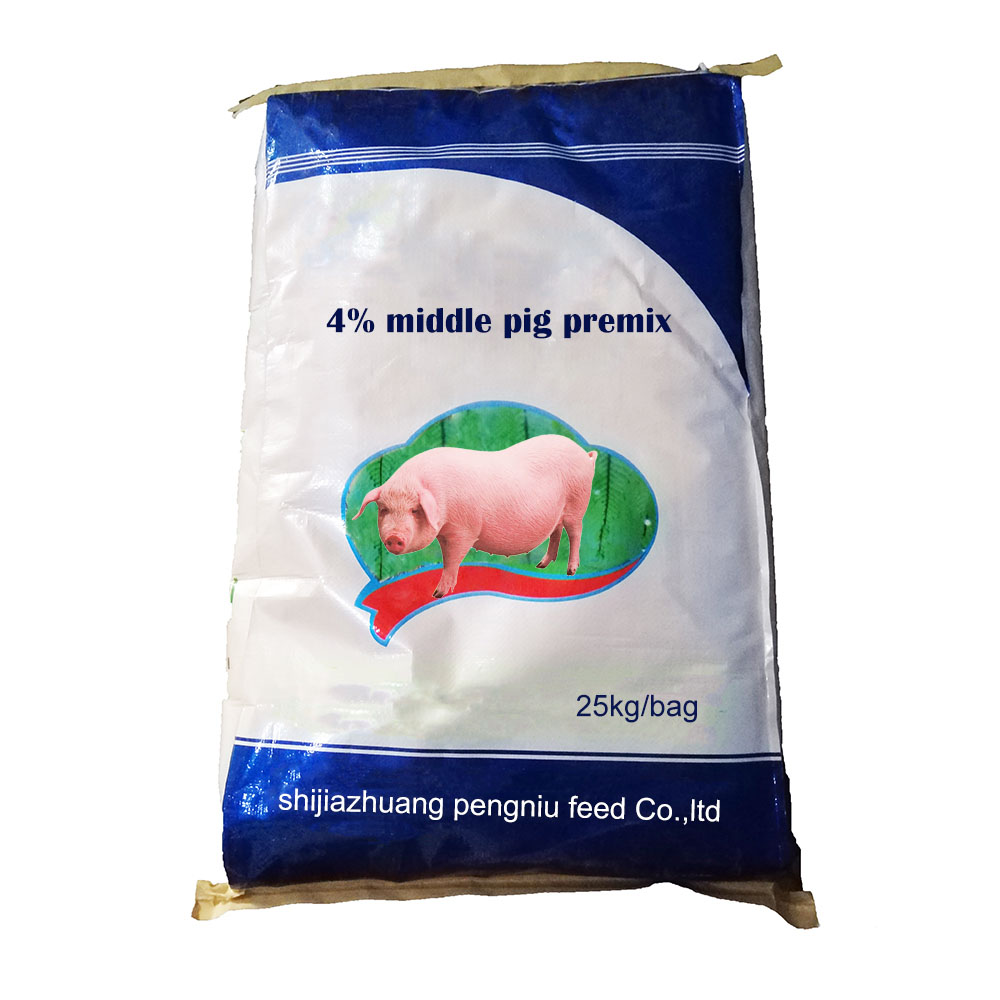
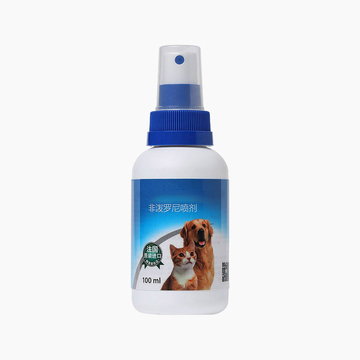
Simply put, animal pharmaceuticals consist of medicines, vaccines, diagnostics, and supplements designed specifically for animals. Unlike human drugs, these are rigorously tailored for species differences, route of administration, and regulatory oversight. They cater broadly to livestock, companion animals, and even wildlife conservation efforts.
Their connection to modern agriculture and humanitarian needs is profound. For example, they not only help treat infections but also prevent outbreaks that could devastate herds, jeopardizing food security and farmer incomes. They are a linchpin in “One Health” approaches that recognize the interconnected health of people, animals, and ecosystems (WHO, 2023).
Key Components of Animal Pharmaceuticals
1. Efficacy and Safety
Foremost, these products must be effective for their intended species and conditions without harming the animal or end consumer. Stringent clinical trials and post-market surveillance ensure this balance.
2. Scalability and Accessibility
Producing and distributing animal pharmaceuticals at scale—and reaching hard-to-serve rural regions—remains a massive practical challenge. It calls for solid logistic networks and adaptable packaging.
3. Resistance Management
Overuse and misuse can spur antimicrobial resistance. Good stewardship programs integrated into pharmaceutical development and dispensation have become key pillars to tackle this.
4. Regulatory Compliance
Each country enforces strict rules for veterinary medicines, often differing substantially. Navigating this patchwork is crucial for manufacturers and distributors.
5. Innovation in Formulation
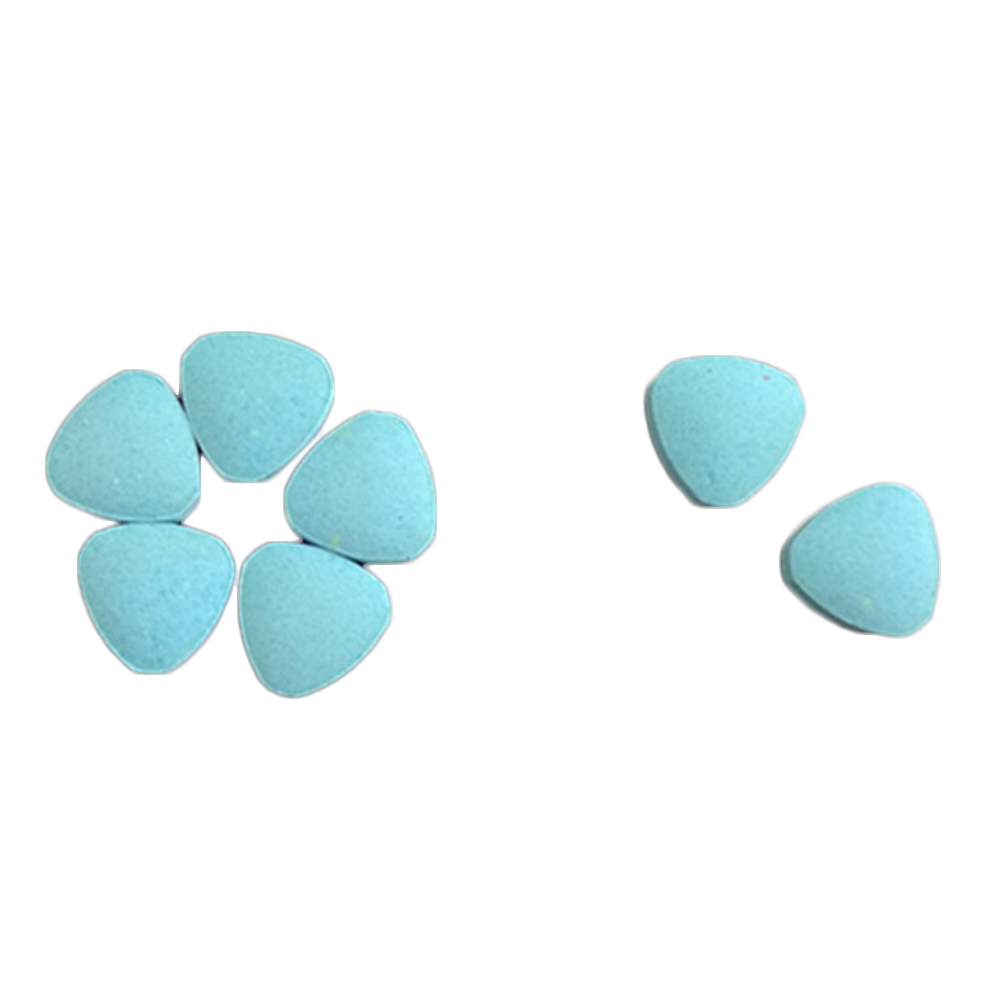
Injectables, oral pastes, slow-release implants, and vaccines—diverse formats cater to varied animal species and farming systems, increasing convenience and compliance.
Product Specification Table: Common Animal Pharmaceutical Types
| Product Type | Typical Use | Delivery Method | Common Species |
|---|---|---|---|
| Antibiotics | Treat bacterial infections | Injectable, oral | Cattle, swine, poultry |
| Vaccines | Prevent infectious diseases | Injection, nasal spray | Large/small ruminants, equine |
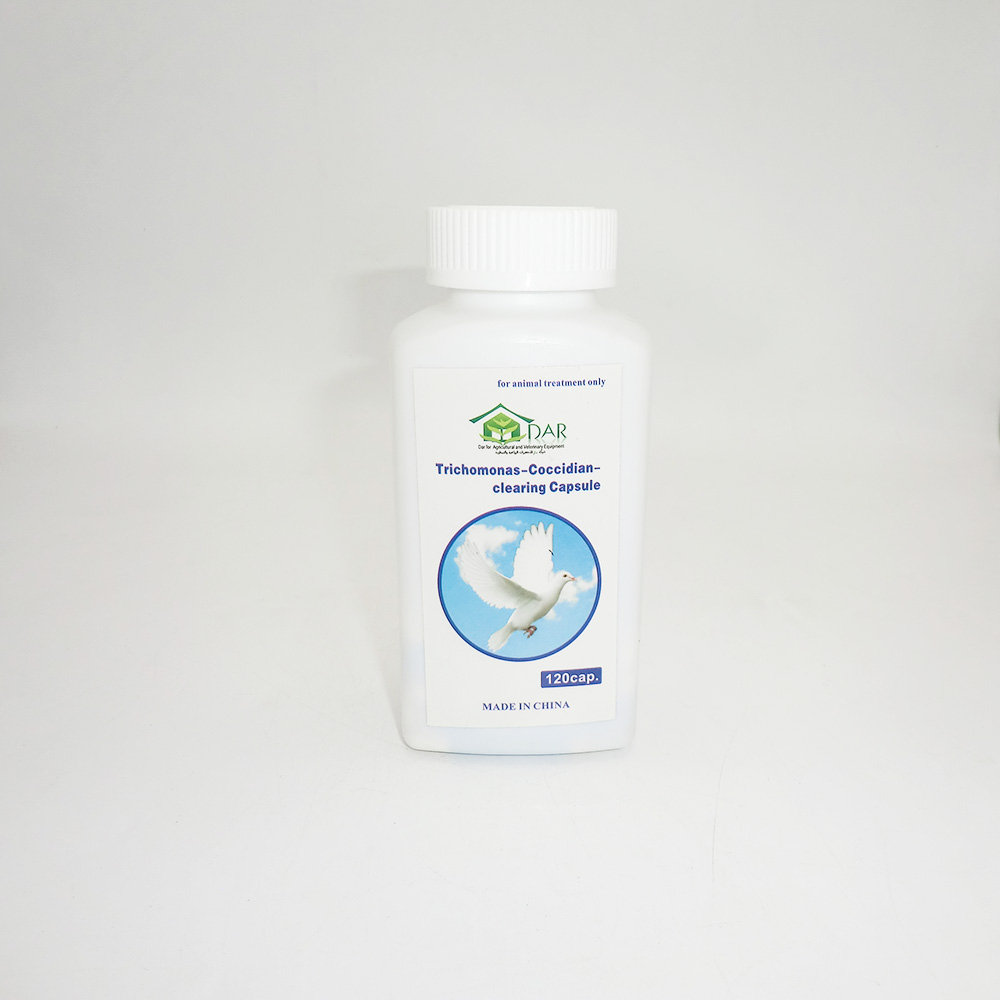
| Antiparasitics | Combat internal & external parasites | Oral paste, topical, injectable | Cattle, sheep, dogs |
| Nutritional supplements | Enhance growth, immunity | Feed additive, injectable | All livestock species |
Mini Takeaway: The variety and tailored formulation of animal pharmaceuticals make them adaptable across species and diverse agricultural systems, underpinning their utility and complexity.
Global Applications & Use Cases
Where do you see these in action? Titles aside, global livestock sectors from Europe to Africa, Asia, and the Americas rely heavily on these products. For instance:
- In Africa: Vaccination campaigns against rinderpest and foot-and-mouth disease have safeguarded millions of animals, protecting livelihoods in pastoral communities.
- In remote industrial zones: Robust injectable antibiotics and parasites control ensure cattle health amid harsh environmental stressors.
- Emergency and disaster relief: animal pharmaceuticals become frontline tools to combat disease outbreaks triggered by environmental crises and displacement.
These examples underscore how animal pharmaceuticals are not just commodities but interventions woven into food systems, wildlife conservation, and economic resilience.
Vendor Comparison: Leading Animal Pharmaceutical Suppliers
| Vendor | Product Range | Global Reach | Innovations | Sustainability Efforts |
|---|---|---|---|---|
| VetPharma Inc. | Broad (vaccines, antibiotics) | 120+ countries | mRNA vaccines, biosensors | Carbon neutral plans (2025) |
| AgriHealth Corp. | Emphasis on antiparasitics | 75 countries | Slow-release formulations | Sustainable packaging |
| BioVet Solutions | Focus on molecules & diagnostics | 50+ countries | Digital diagnostics | Green chemistry processes |
The Advantages and Long-Term Value of Animal Pharmaceuticals
In real terms, good pharmaceuticals yield:
- Reduced animal mortality and morbidity, which translates to increased productivity and profitability for farmers.
- Enhanced food safety by limiting zoonotic diseases and residues in animal products.
- Social impact: Improved farmer livelihoods, especially in smallholder contexts, supporting dignity and community resilience.
- Environmental benefits through better disease control and less antibiotic misuse leading to lower resistance rates.
Oddly enough, many veterinarians I’ve spoken with emphasize the trust factor: farmers rely on these medicines to safeguard livelihoods, reinforcing bond and loyalty within rural economies.
Emerging Trends and Innovations in Animal Pharmaceuticals
Technology marches on. Some exciting developments include:
- mRNA Vaccines: Inspired by successes in human medicine, these promise faster and more adaptable animal vaccines.
- Digital Diagnostics: Field-friendly tests enable quicker, on-site decisions improving treatment outcomes.
- Green Chemistry: Sustainable raw materials and manufacturing reduce environmental footprints.
- Precision Farming Integration: Combining pharmaceuticals with IoT sensors for tailored animal care plans.
As regulations evolve, expect a strong push toward ethical sourcing, transparency, and global harmonization—important given how interconnected food systems are.
Challenges and Strategies to Overcome Them
Of course, it’s not all smooth sailing. Challenges include:
- Antimicrobial resistance (AMR) threatens both veterinary and human health.
- Access inequality: many remote or poor regions lack regular supply.
- Regulatory complexity slows new product approvals and cross-border trade.
Experts suggest integrated solutions: education campaigns for vets and farmers, investment in distribution channels, and international cooperation on regulations. Oddly enough, small changes in packaging design or cold chain improvements can vastly improve usability—often overlooked factors.
FAQ: Frequently Asked Questions About Animal Pharmaceuticals
- What types of diseases do animal pharmaceuticals typically address?
- They cover infectious diseases (bacterial, viral, parasitic), nutritional deficiencies, and sometimes chronic conditions specific to species, like metabolic diseases in dairy cattle. Vaccines and antibiotics are core.
- How does the industry ensure vaccines are safe across species?
- Through species-specific clinical trials and stringent regulatory review, safety profiles, dosage, and delivery methods are tailored carefully to each animal group.
- Are animal pharmaceuticals regulated similarly worldwide?
- No, there is significant variation. Developed regions often have strict agencies like the FDA, EMA, while developing nations may have less formal processes, posing export and safety challenges.
- Can small-scale farmers afford these medicines?
- Cost can be high, but governments and NGOs often subsidize essential veterinary products. Plus, local manufacturing is growing to reduce costs and increase availability.
- What role do animal pharmaceuticals play in food safety?
- They help prevent disease outbreaks that could contaminate food products and ensure animals are healthy prior to slaughter, minimizing risk of pathogens entering the food chain.
Conclusion: Why Investing in Animal Pharmaceuticals Matters
To wrap it up, animal pharmaceuticals are an indispensable piece of the global puzzle. They keep animals healthy, protect human consumers, sustain rural livelihoods, and fuel resilient food systems. In an age of climate uncertainty and growing populations, their role only grows more critical.
If you want to stay ahead in understanding this vital industry or source reliable products, visit our website and explore the future of animal health solutions.
Mini takeaway: Animal pharmaceuticals bridge health, economy, and environment—a real trifecta for global development.
References
Post time: December 2, 2025