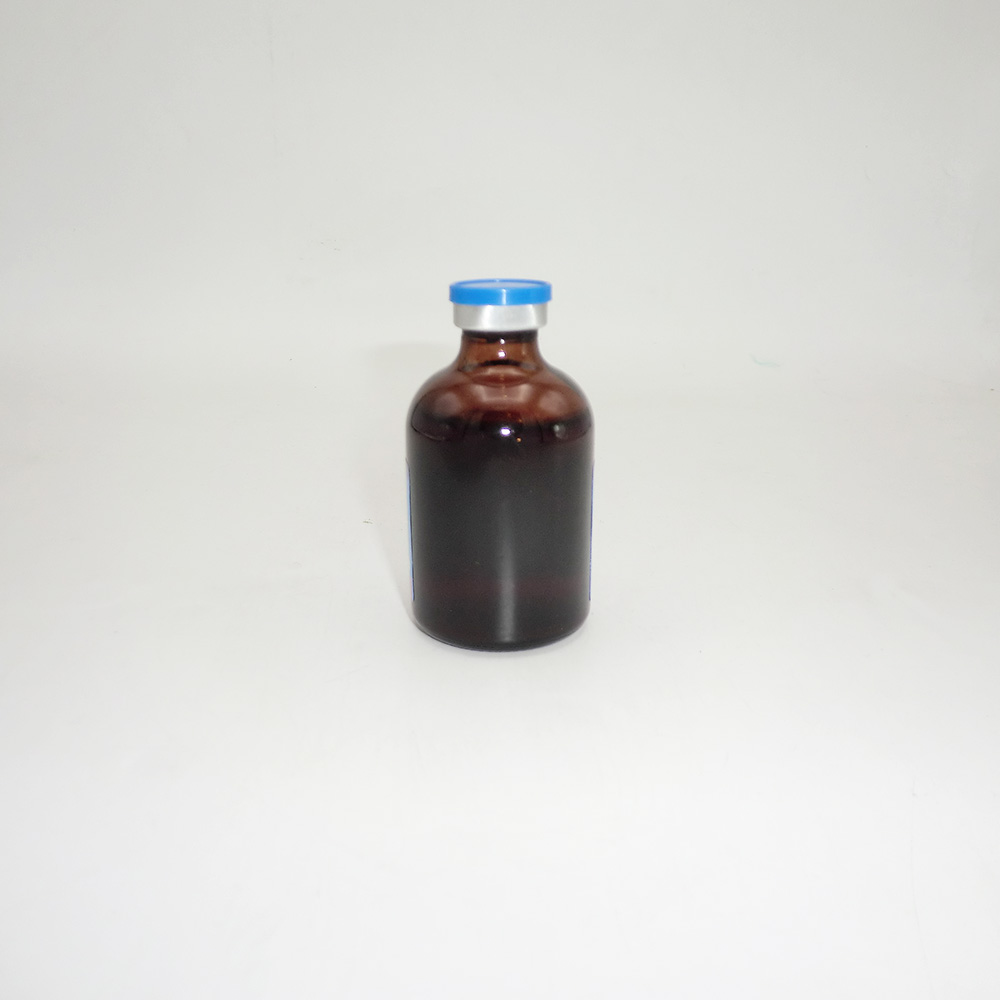
Understanding Dexa Inj Dose: A Comprehensive Guide
Dexamethasone injection (dexa inj) is a potent corticosteroid used to treat a wide range of conditions, from inflammatory illnesses to severe allergic reactions. Understanding the appropriate dexa inj dose is critical for both veterinary professionals and pet owners. This article will provide a detailed overview of dexamethasone, its uses, dosage guidelines, potential side effects, and important considerations for administration. Proper dosage is paramount to achieving the desired therapeutic effect while minimizing the risk of adverse reactions.

What is Dexamethasone and What Does it Treat?
Dexamethasone is a synthetic glucocorticoid, meaning it mimics the effects of cortisol, a hormone naturally produced by the adrenal glands. It's a powerful anti-inflammatory and immunosuppressant medication. In veterinary medicine, dexamethasone is commonly used to treat conditions such as allergies, arthritis, autoimmune diseases, asthma, and skin disorders. It can also be utilized in emergency situations to manage shock or severe inflammation. The appropriate dexa inj dose is heavily dependent on the condition being treated, the animal’s weight, and the veterinarian's assessment.
Key Highlights: Dexamethasone is a potent anti-inflammatory and immunosuppressant used for a wide variety of veterinary conditions. Accurate dosing is crucial for effective treatment and minimizing side effects.
Dexamethasone Dosage Guidelines for Common Species
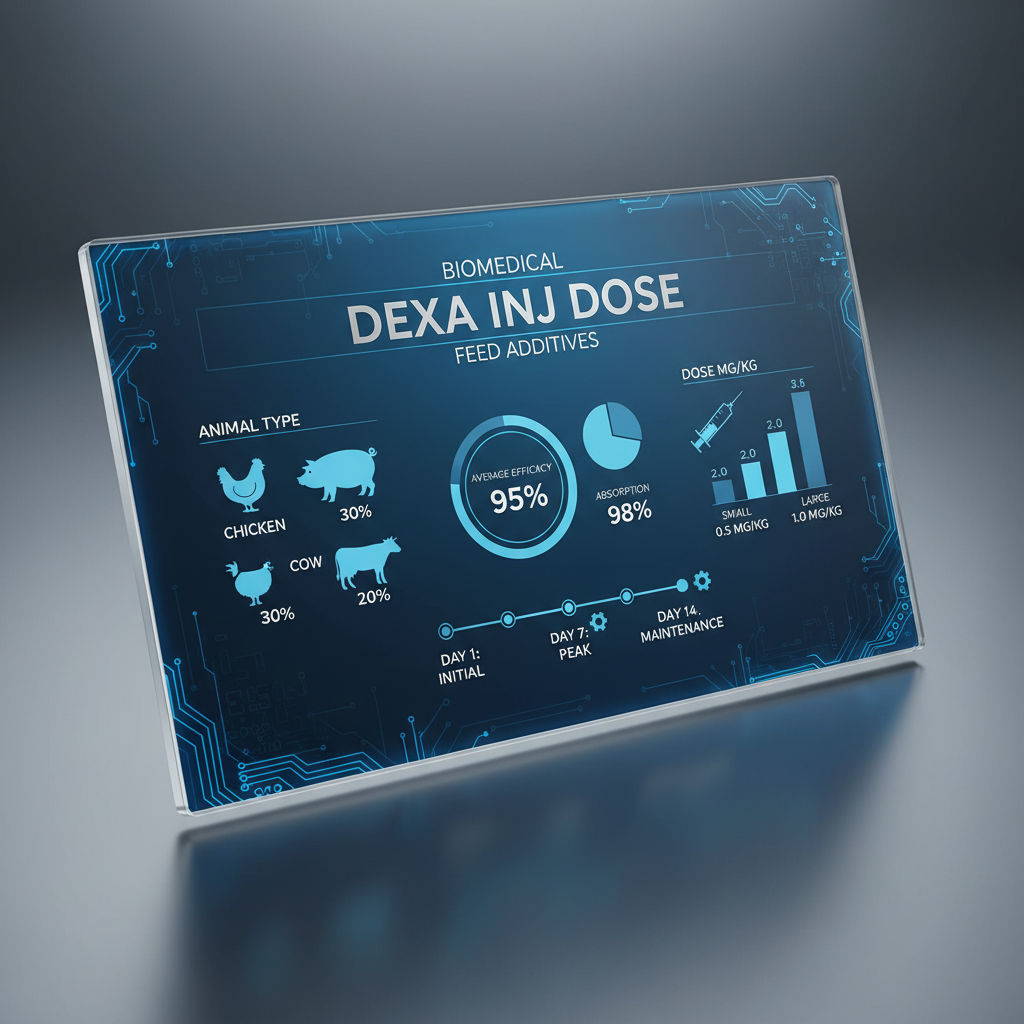
Determining the correct dexa inj dose requires careful consideration. Here's a general guideline for common species, but always follow your veterinarian’s specific instructions. Dosage can be expressed as milligrams per kilogram of body weight (mg/kg) or as a specific volume of the injectable solution.
Potential Side Effects of Dexamethasone
While dexamethasone is effective, it can cause side effects, especially with long-term use. Common side effects include increased thirst and urination, increased appetite, panting, and behavioral changes. More serious side effects can include gastrointestinal ulcers, muscle weakness, increased susceptibility to infection, and suppression of the adrenal glands. It is vital to monitor your pet closely for any adverse reactions and to report them to your veterinarian immediately. Gradual tapering of the dexa inj dose is often necessary to prevent adrenal insufficiency.
Common Side Effects:
• Increased thirst and urination
• Increased appetite
• Panting
• Behavioral changes
Important Considerations and Precautions
Dexamethasone should never be administered without a veterinarian’s prescription and guidance. Animals with certain underlying conditions, such as diabetes, kidney disease, or liver disease, may require adjusted dosages or may not be suitable candidates for dexamethasone treatment. It’s crucial to inform your veterinarian of your pet’s complete medical history. Never stop dexamethasone abruptly, as this can lead to adrenal insufficiency. The recommended dexa inj dose should be followed precisely.
Conclusion: Responsible Dexamethasone Use
Dexamethasone can be a life-saving medication for pets suffering from a variety of conditions. However, responsible use – meaning accurate dosage, careful monitoring, and adherence to your veterinarian’s instructions – is paramount. Understanding the potential benefits and risks associated with dexamethasone is essential for ensuring the health and well-being of your animal companion. Always consult with your veterinarian to determine if dexamethasone is the right treatment option and to establish a safe and effective treatment plan.
Frequently Asked Questions (FAQs)
What is adrenal insufficiency and why is it a concern with dexamethasone?
Adrenal insufficiency occurs when the adrenal glands, which produce cortisol, become suppressed due to long-term corticosteroid use like dexamethasone. Cortisol is essential for regulating many bodily functions. If dexamethasone is stopped abruptly, the adrenal glands may not be able to resume cortisol production quickly enough, leading to a life-threatening crisis. Symptoms include weakness, vomiting, diarrhea, and shock. This is why gradual tapering is so important, allowing the adrenal glands to slowly regain function.
Can dexamethasone be used in pregnant or lactating animals?
Dexamethasone is generally not recommended for use in pregnant or lactating animals. It can cross the placenta and potentially harm the developing fetus. It can also be excreted in milk and affect nursing offspring. Your veterinarian will carefully weigh the risks and benefits before considering dexamethasone treatment in these situations, and alternative therapies may be preferred.
How should dexamethasone be stored?
Dexamethasone injection should be stored in a cool, dry place, protected from light. Keep it out of reach of children and pets. Do not use the medication if it is discolored, cloudy, or contains particulate matter. Always check the expiration date before administering. Proper storage helps maintain the medication’s potency and safety.
Post time: April 7, 2026