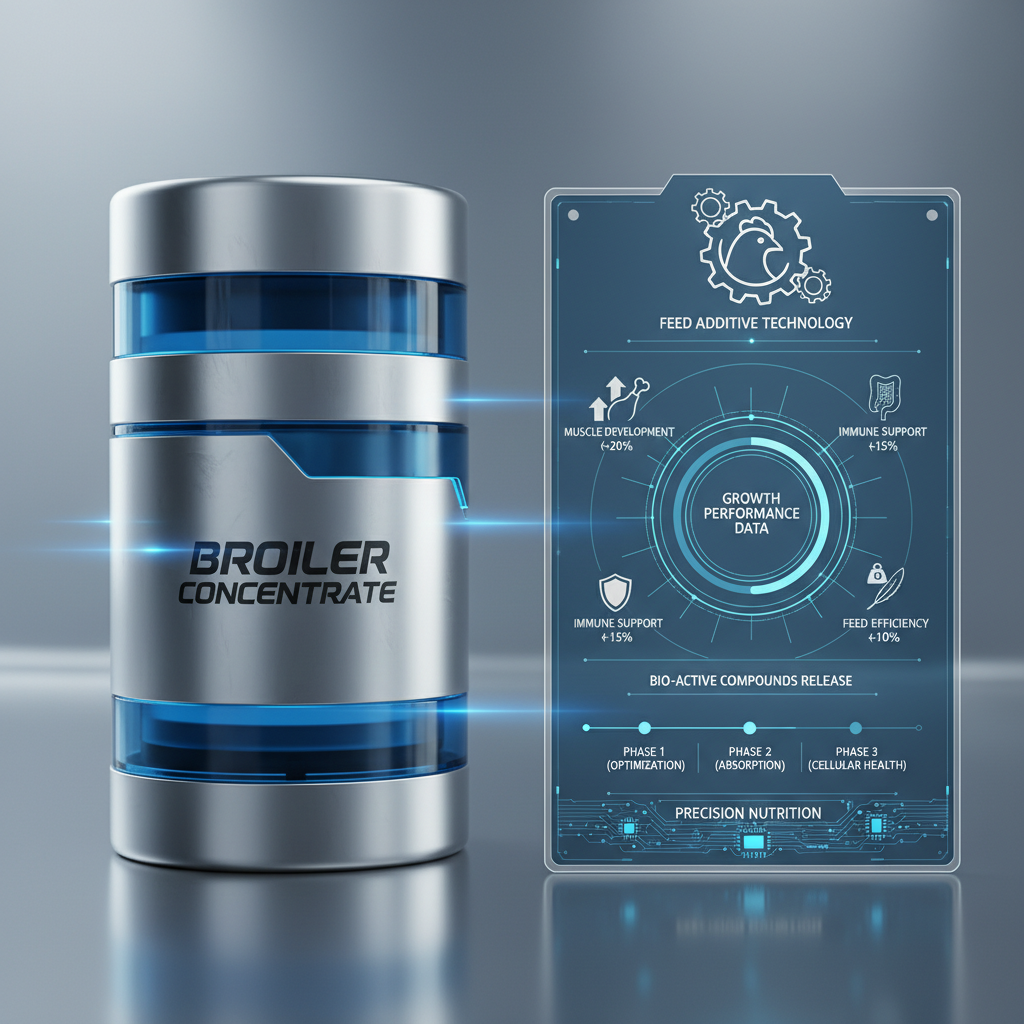
Broiler concentrate is a cornerstone of modern poultry farming, representing a precisely formulated blend of essential nutrients designed to optimize the growth and health of broiler chickens. This carefully balanced feed supplement is vital for maximizing feed conversion ratios, reducing mortality rates, and ensuring consistent meat quality. Its importance extends globally, as poultry serves as a primary and affordable protein source for a rapidly growing world population. Understanding the intricacies of broiler concentrate is crucial for poultry producers aiming for efficiency, sustainability, and profitability.
The global demand for poultry meat continues to rise, driven by factors such as population growth, increasing disposable incomes, and changing dietary preferences. This escalating demand necessitates innovative solutions to enhance poultry production efficiency. broiler concentrate plays a pivotal role in meeting this challenge by providing a concentrated source of vital nutrients, minimizing feed waste, and promoting optimal bird performance. Ensuring consistent quality and accessibility of broiler concentrate is therefore a key focus within the animal nutrition industry.
Modern broiler farming relies on specialized nutrition to achieve rapid growth and efficient feed utilization. Broiler concentrate provides this targeted nutrition, encompassing vitamins, minerals, amino acids, and other essential components. It isn’t simply about providing calories; it's about delivering a scientifically optimized formula tailored to the specific growth stages of broiler chickens, contributing significantly to food security and affordable protein availability worldwide.
Understanding the Global Significance of Broiler Concentrate
The demand for affordable protein is steadily increasing worldwide, with poultry meat playing a critical role in meeting this demand. According to the UN Food and Agriculture Organization (FAO), global poultry meat production is projected to continue its upward trajectory, making efficient and sustainable poultry farming practices essential. Broiler concentrate directly addresses this need by enhancing feed efficiency and bird health, leading to increased meat production per unit of input.
The global broiler industry faces constant pressure to reduce costs and improve productivity. Factors such as fluctuating feed prices, disease outbreaks, and evolving consumer preferences create ongoing challenges. Properly formulated broiler concentrate helps mitigate these risks by optimizing nutrient utilization, strengthening immune systems, and minimizing feed waste. This contributes not only to economic viability but also to the sustainability of the poultry sector.
Defining Broiler Concentrate: A Nutrient-Rich Foundation
Broiler concentrate is a highly potent feed supplement meticulously crafted to provide broiler chickens with a concentrated dose of essential nutrients. Unlike complete feed, which comprises the entire dietary requirement, concentrate is designed to be mixed with other ingredients like grains and protein sources to create a balanced ration. It’s a strategic ingredient, acting as the cornerstone of nutritional support for rapid growth and optimal health.
The formulation of broiler concentrate involves a precise balance of vitamins, minerals, amino acids, enzymes, and other additives. Each component plays a vital role in supporting different aspects of broiler development, from skeletal growth and muscle development to immune function and digestive health. The quality of the raw materials and the accuracy of the formulation are paramount to its effectiveness.
Broiler concentrate isn’t merely a feed additive; it’s a sophisticated nutritional strategy. It's integral to the modern poultry industry, helping producers achieve optimal feed conversion ratios, reduce production costs, and meet the growing global demand for poultry meat in a sustainable manner. It bridges the gap between basic feedstuffs and the complex nutritional needs of fast-growing broiler chickens.
Core Components Influencing Broiler Concentrate Effectiveness
The effectiveness of a broiler concentrate hinges on several key components, with amino acid balance being paramount. Broilers require specific proportions of essential amino acids like lysine, methionine, threonine, and tryptophan for protein synthesis and growth. Insufficient levels of these amino acids can limit growth potential and compromise feed efficiency. Precise amino acid supplementation ensures optimal protein utilization.
Vitamins and minerals constitute another critical component. Vitamin D3 is vital for calcium absorption and bone development, while B vitamins play crucial roles in energy metabolism. Minerals like phosphorus and calcium are essential for skeletal strength. A deficiency in any of these micronutrients can lead to impaired growth, reduced immunity, and increased susceptibility to disease. Proper supplementation ensures robust health and optimal performance.
Enzyme supplementation is increasingly common in modern broiler concentrate formulations. Enzymes, such as phytase and xylanase, enhance the digestibility of feed ingredients, releasing nutrients that would otherwise be unavailable to the bird. This improves nutrient absorption, reduces feed waste, and contributes to lower feed costs. Finally, the inclusion of mycotoxin binders safeguards birds against harmful fungal toxins found in feed ingredients.
Global Applications and Diverse Use Cases of Broiler Concentrate
Broiler concentrate finds widespread application in both large-scale commercial broiler farms and smaller-scale, integrated poultry operations across the globe. In regions like Brazil and the United States, known for their highly efficient poultry industries, concentrate forms the foundation of sophisticated feed programs designed to maximize production efficiency.
In developing countries, broiler concentrate plays a crucial role in improving the productivity of smallholder farmers. By providing a convenient and cost-effective way to supplement locally available feed ingredients, it enables these farmers to increase their yields and improve their livelihoods. Its use contributes to food security and economic empowerment in rural communities.
Even in specialized applications, such as organic broiler production, modified broiler concentrates – formulated with organic-approved ingredients – are utilized to meet the specific nutritional needs of birds while adhering to stringent organic standards. This demonstrates the adaptability and versatility of the concept in diverse farming systems.
Comparison of Broiler Concentrate Formulations
Advantages and the Long-Term Value of Broiler Concentrate
One of the most significant advantages of utilizing broiler concentrate lies in its cost-effectiveness. By providing a concentrated source of nutrients, it reduces the overall volume of feed required, lowering feed costs, which typically represent 60-70% of total broiler production expenses. This translates to increased profitability for poultry producers.
Furthermore, the optimized nutrient profile of concentrate promotes superior feed conversion ratios (FCR). Broilers gain weight more efficiently on a concentrated diet, requiring less feed per kilogram of meat produced. This not only reduces costs but also minimizes environmental impact by reducing feed waste and the associated resource consumption.
Future Trends and Innovations in Broiler Concentrate Formulation
The future of broiler concentrate is inextricably linked to advancements in precision nutrition and sustainable feed production. Research is increasingly focused on tailoring concentrate formulations to the specific genetic makeup and growth stage of individual broiler strains, maximizing their genetic potential.
The incorporation of novel feed ingredients, such as insect protein, algae, and single-cell proteins, is gaining momentum as a means of reducing reliance on traditional protein sources like soybean meal. These alternative proteins offer a more sustainable and environmentally friendly approach to broiler nutrition. Digital technologies, including data analytics and artificial intelligence, will play a key role in optimizing concentrate formulations and improving feed efficiency.
Furthermore, advancements in encapsulation technology will enable the targeted delivery of nutrients to specific areas of the digestive system, enhancing absorption and minimizing nutrient loss. This will lead to even more efficient and sustainable broiler production systems.
Challenges and Solutions in Broiler Concentrate Production & Application
One of the primary challenges in broiler concentrate production is maintaining consistent quality and nutrient accuracy. Variations in raw material quality and formulation errors can compromise the effectiveness of the concentrate and negatively impact broiler performance. Robust quality control measures, including rigorous raw material testing and precise mixing procedures, are essential to mitigate this risk.
Another challenge lies in ensuring the stability of sensitive nutrients, such as vitamins and enzymes, during storage and transportation. Proper packaging, temperature control, and the use of stabilizers can help preserve nutrient potency. Furthermore, improper mixing of concentrate with other feed ingredients can lead to nutrient imbalances. Providing clear mixing instructions and training to farmers is crucial.
Finally, the rising cost of raw materials poses a significant challenge. Exploring alternative nutrient sources, optimizing formulations to reduce nutrient waste, and investing in research and development to improve feed efficiency are critical strategies for addressing this issue and ensuring the long-term affordability of broiler concentrate.
Summary of Challenges and Solutions in Broiler Concentrate Application
| Challenge |
Impact on Broiler Performance |
Solution Strategy |
Implementation Cost (Scale 1-10) |
| Inconsistent Raw Material Quality |
Reduced Nutrient Density & Growth Rate |
Rigorous Supplier Selection & Testing |
6 |
| Nutrient Instability During Storage |
Loss of Potency & Reduced Efficacy |
Optimized Packaging & Temperature Control |
7 |
| Improper Mixing Ratios |
Nutrient Imbalances & Health Issues |
Farmer Training & Clear Instructions |
4 |
| Rising Raw Material Costs |
Increased Production Expenses |
Alternative Ingredient Research & Optimization |
8 |
| Contamination Risk During Production |
Bird Illness & Mortality |
Strict Hygiene Protocols & Sanitation |
5 |
| Limited Access to Technical Expertise |
Suboptimal Formulation & Application |
Extension Services & Knowledge Sharing |
6 |
FAQS
To ensure maximum potency, broiler concentrate should ideally be stored in a cool, dry place, away from direct sunlight and moisture. Temperatures below 25°C (77°F) are recommended. Exposure to excessive heat or humidity can degrade sensitive vitamins and enzymes, reducing the concentrate’s effectiveness. Properly sealed packaging is also critical for preserving nutrient stability.
The protein content of broiler concentrate is a primary driver of growth rates. Broilers require a specific balance of essential amino acids for muscle development. Insufficient protein levels will limit growth potential and result in slower weight gain. Conversely, excessive protein can lead to metabolic stress and reduced feed efficiency. The optimal protein content varies depending on the broiler's age and strain.
Enzymes, such as phytase and xylanase, enhance the digestibility of feed ingredients by breaking down complex carbohydrates and releasing bound nutrients. This improves nutrient absorption, reduces feed waste, and minimizes the excretion of undigested nutrients, leading to improved feed efficiency and reduced environmental impact. They’re particularly beneficial when using feed ingredients with high levels of phytate or non-starch polysaccharides.
Proper mixing is crucial for ensuring a homogenous distribution of nutrients throughout the feed ration. Use a thoroughly cleaned and calibrated mixer, following the manufacturer’s recommendations for mixing time and sequence. Always add the concentrate to the grain and protein sources gradually, ensuring thorough blending. Visual inspection of the finished feed can help confirm adequate mixing.
Mycotoxin binders are added to broiler concentrate to protect birds from the harmful effects of mycotoxins – toxic compounds produced by molds that can contaminate feed ingredients. Mycotoxins can suppress immune function, reduce growth rates, and increase susceptibility to disease. Binders adsorb or neutralize mycotoxins in the gut, minimizing their impact on bird health.
Broiler concentrate formulations should be adjusted at least three times during the bird’s life cycle: starter (0-3 weeks), grower (3-6 weeks), and finisher (6 weeks to slaughter). Each stage has different nutrient requirements to support optimal growth and development. Starter concentrates typically have higher protein and energy levels, while finisher concentrates may be lower in protein and higher in fiber to promote healthy weight gain and reduce fat deposition.
Conclusion
In conclusion, broiler concentrate is an indispensable component of modern poultry production, offering a potent and precise means of delivering essential nutrients to optimize growth, improve feed efficiency, and enhance overall bird health. Its role extends beyond mere nutrition, contributing to food security, economic sustainability, and responsible animal husbandry practices globally.
Looking ahead, continued innovation in formulation, ingredient sourcing, and application technologies will be crucial for maximizing the benefits of broiler concentrate. Investing in research and development, embracing sustainable feed alternatives, and providing comprehensive technical support to producers will be key to ensuring the long-term viability and effectiveness of this vital feed supplement. Visit our website at www.rcpetfood.com to learn more.