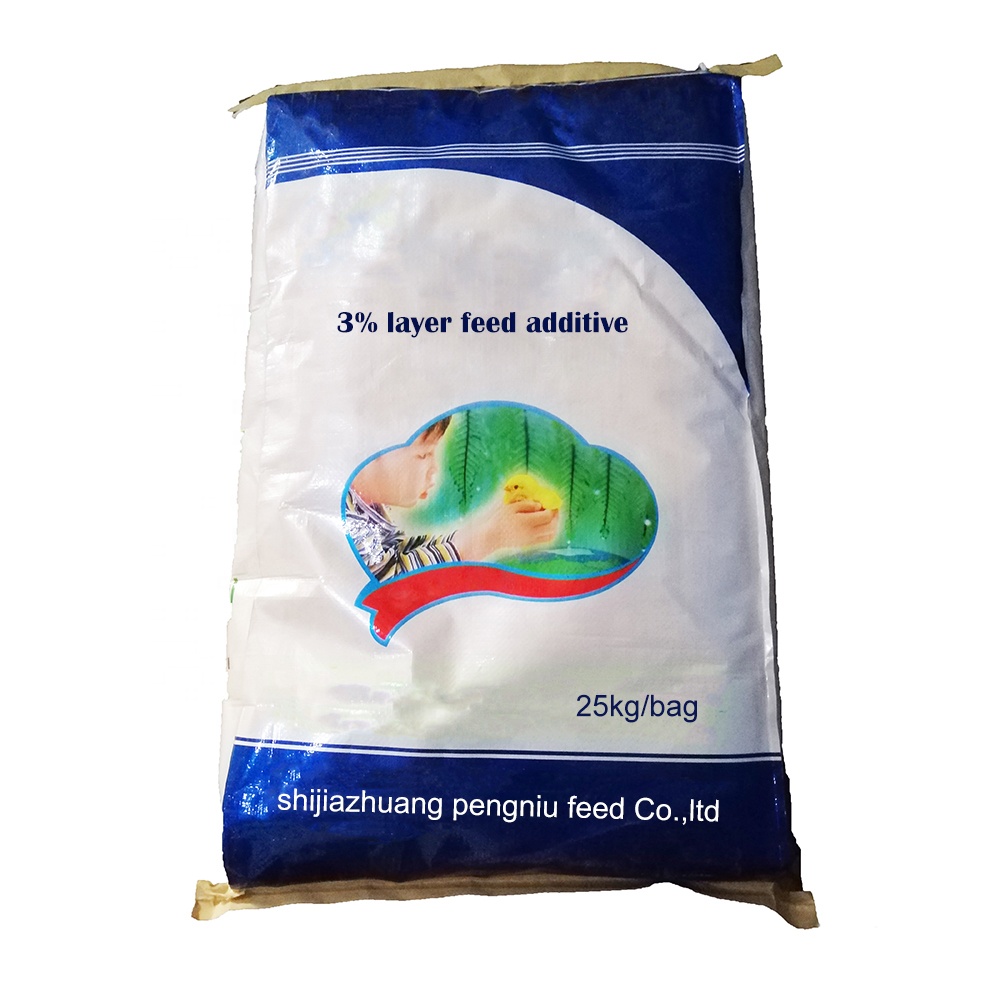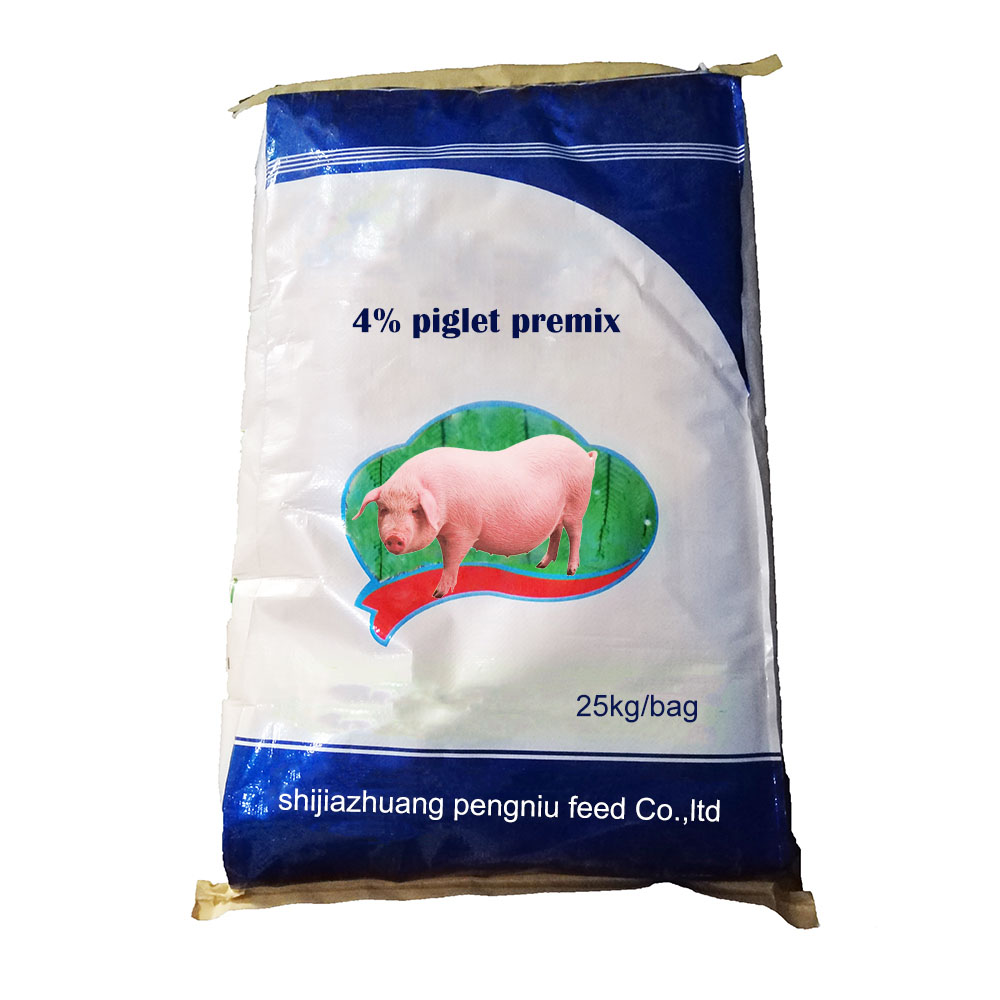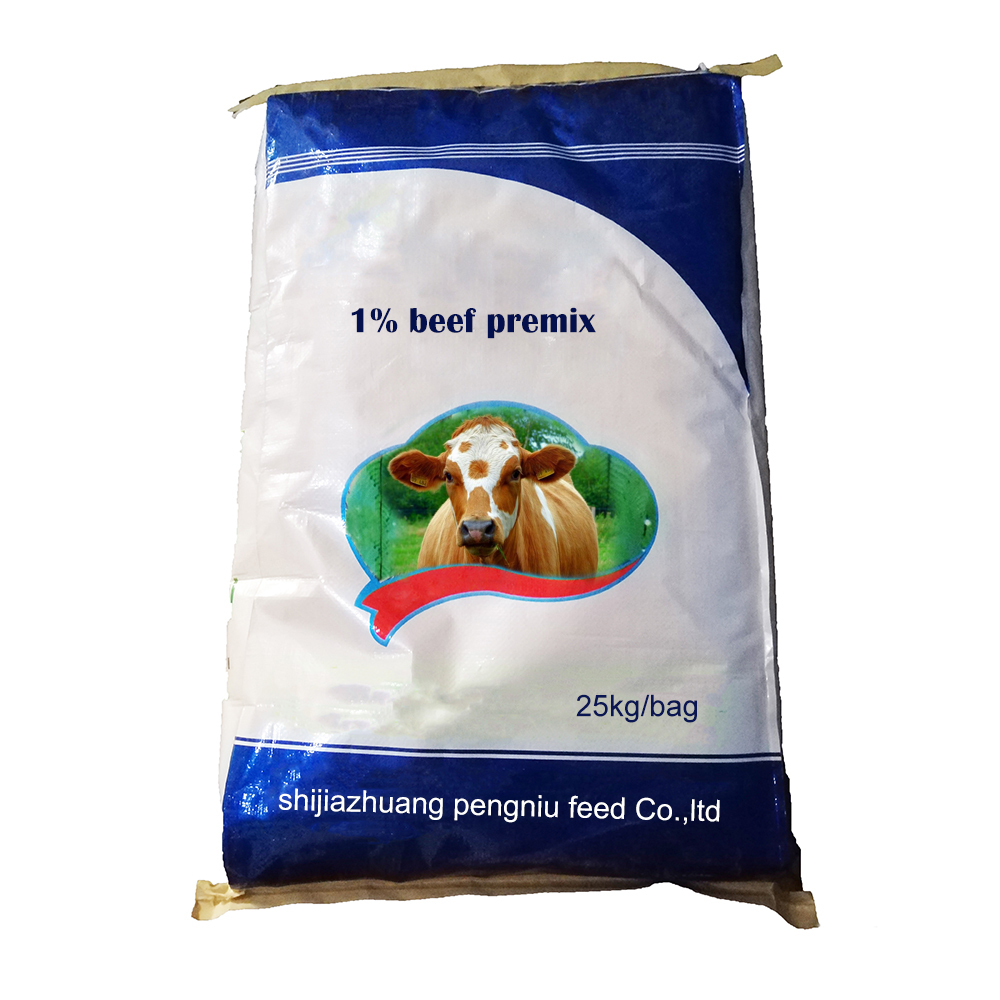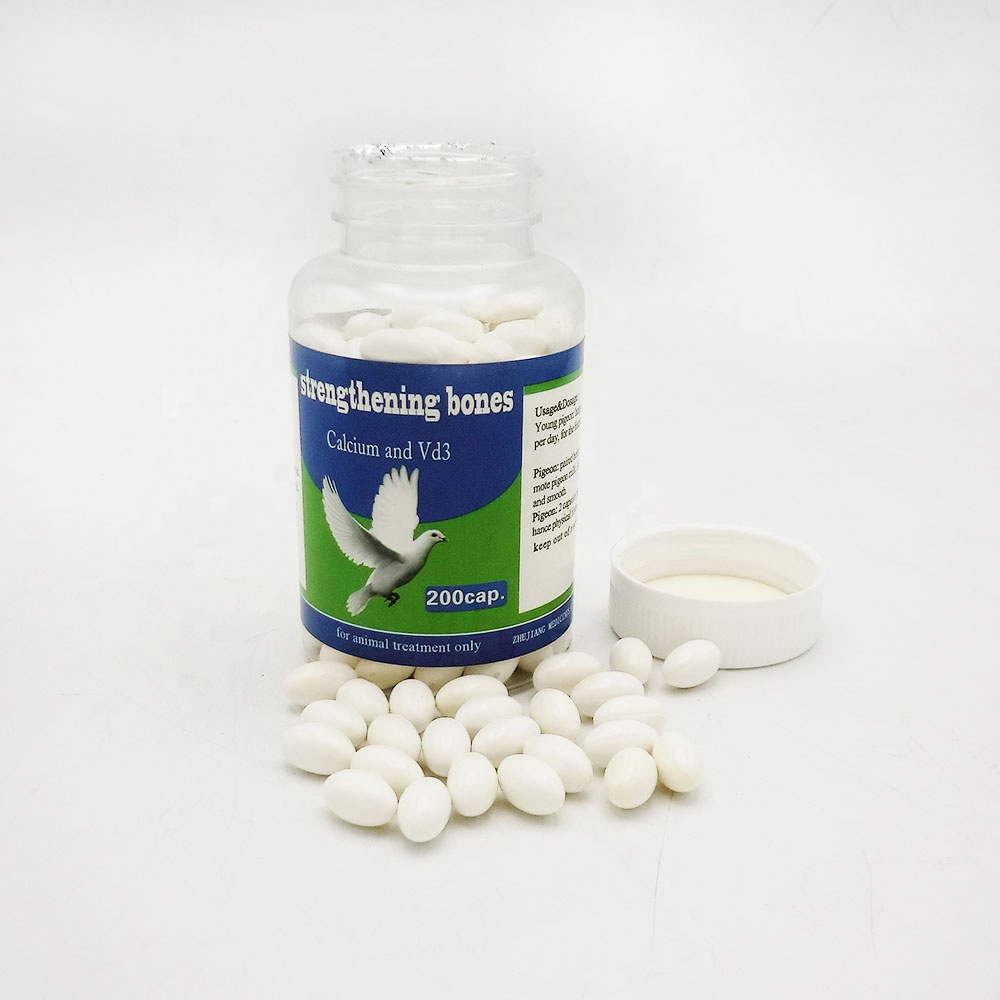
Understanding Animal Feed Additives: Why They Matter Globally
Animal feed additives have become silent heroes in the ongoing story of global food security and sustainable agriculture. Across continents, from sprawling farms in the Americas to intensive animal husbandry in Asia, these substances enhance feed quality, promoting animal health, boosting productivity, and ultimately improving human nutrition. But beyond the obvious productivity gains, their role touches environmental sustainability, animal welfare, and even global economic stability. If you’ve ever wondered why livestock can efficiently convert feed into meat, milk, or eggs, animal feed additives are a big part of the answer.
In a world facing mounting pressures—climate change affecting crop yields, a growing population demanding more protein, and tighter regulations on antibiotics and chemicals—understanding and improving animal feed additives isn’t just a niche interest. It’s a necessity for anyone concerned with the future of farming, food safety, and sustainable resource use.
Animal Feed Additives in a Global Context
According to the Food and Agriculture Organization (FAO), livestock contributes nearly 40% of the global value of agricultural output—quite impressive, really. The role of feed additives is increasingly recognized for improving feed efficiency and reducing environmental impacts (source: FAO).
Globally, demand for animal proteins is expected to rise by about 70% by 2050 (World Bank), putting pressure on feed quality and safety standards. However, this growing demand comes with challenges: the need to reduce antibiotic overuse, minimize greenhouse gas emissions from livestock, and improve animal welfare—all areas where feed additives intervene effectively.
For example, enzymatic additives can help animals extract nutrients more efficiently, while probiotics and prebiotics support gut health, reducing the need for preventive antibiotics. Issues like feed contamination require additives that can neutralize toxins, especially in developing regions where storage and feed handling may be suboptimal.
What Exactly Are Animal Feed Additives?
At its core, an animal feed additive is any ingredient added to animal feed that improves its nutritional value, safety, or performance but isn’t considered a traditional nutrient like protein or fat. These can be vitamins, minerals, enzymes, buffers, preservatives, or growth promoters.
Think of them as the unseen helpers in the modern food chain. They enable animals to grow faster, stay healthier, and digest food better. In humanitarian contexts, such as refugee camps or disaster zones, feed additives improve livestock productivity even when feed supply is limited or of poor quality, helping vulnerable communities sustain their livestock assets and food supplies.
Key Characteristics That Define Animal Feed Additives
1. Nutritional Enhancement
Many additives supply essential micronutrients or improve digestion. For example, enzymes break down tough fibers that animals otherwise can’t digest efficiently, squeezing extra nutrition out of fibrous feed.
2. Health & Disease Prevention
Additives like probiotics improve gut flora balance, naturally boosting the animal’s immune defense, which can reduce reliance on antibiotics—a win both for animal welfare and combating antimicrobial resistance.
3. Preservation & Safety
Certain antioxidants and preservatives prevent spoilage and mycotoxin contamination, critical for maintaining feed safety, especially in regions where feed storage is challenging due to climate.
4. Environmental Impact Reduction
Feed additives can reduce methane emissions from ruminants or improve nitrogen retention, translating into less pollution and a smaller environmental footprint.
5. Economic Efficiency
By improving feed conversion ratios (FCR), additives reduce the total feed amount needed for the same production output, saving costs—a huge plus on large-scale farms.
Global Applications & Use Cases
From what I’ve seen, animal feed additives find their way into nearly every type of livestock production worldwide:
- Intensive Farming: Industrial poultry and pig farms use additives to maximize growth rates and minimize disease outbreaks.
- Smallholder Farms in Africa & Asia: Fortified feed additives can compensate for poor-quality local feed, improving animal survival and productivity.
- Post-Disaster Relief: Aid organizations supplement livestock feed with additives to maintain food supply and income for affected populations.
- Aquaculture: Specialized additives improve feed digestibility and water quality—important given the rapid growth of fish farming.
For example, a dairy cooperative in India reported a 12% increase in milk yield after incorporating enzyme-based additives into feed, directly improving farmer incomes.
Typical Specification Table of a Common Enzyme Feed Additive
| Specification | Details |
|---|---|
| Active Ingredient | Phytase Enzyme |
| Activity | ≥ 800 FTU/g |
| Dosage | 500–1000 FTU/kg feed |
| Form | Powder |
| Shelf Life | 12 months sealed |
| Storage | Cool, dry place |
Comparing Leading Animal Feed Additive Providers
| Company | Product Range | Global Reach | Sustainability Focus |
|---|---|---|---|
| Nutreco | Enzymes, Probiotics, Antioxidants | 100+ countries | Carbon-neutral initiatives underway |
| DSM | Vitamins, Carotenoids, Enzymes | Global | Innovators in sustainable feed solutions |
| Adisseo | Amino acids, Enzymes, Acids | Over 90 countries | Focus on reducing livestock carbon footprint |
Benefits & Long-Term Value of Using Animal Feed Additives
Simply put: feed additives can be a game changer. They improve the nutrient uptake of animals, which can mean less feed per kilo of meat, milk, or eggs produced—translating to lower costs for farmers and reduced environmental degradation.
Then there’s the social aspect. When small-scale farmers see healthier animals and better yields, it reinforces community resilience and food sovereignty, particularly in marginalized areas.
Emotionally, it’s reassuring to know that advances in feed science promote humane treatment and reduce disease outbreaks that cause suffering. They help build trust between producers, consumers, and regulators.
Looking Ahead: Trends and Innovations in Animal Feed Additives
Roughly speaking, the industry is moving in three exciting directions:
- Precision Nutrition: Tailoring additive blends to animal species, lifecycle stage, and environment using AI and big data.
- Sustainability & Green Tech: Developing additives from renewable resources, such as algae-derived enzymes or biodegradable preservatives.
- Biotechnological Advances: Novel probiotics and genetically engineered enzymes that can unlock previously inaccessible nutrients.
Also, regulatory frameworks are tightening up, encouraging manufacturers to innovate safer, traceable products that deliver measurable impact.
Challenges & How the Industry is Adapting
Still, it’s not all smooth sailing. Issues like variable feed ingredient quality, climate variability, and limited farmer education hamper optimal additive use in some areas. Plus, additives can raise upfront costs and require careful handling.
Industry experts suggest more farmer training, improved product formulations for climate resilience, and integrating monitoring tech to ensure proper usage. Also, digital platforms are starting to connect suppliers and farmers directly, bypassing ineffective distribution chains.
FAQ: Frequently Asked Questions About Animal Feed Additives
- What are the most common types of animal feed additives?
- They include vitamins, minerals, enzymes, probiotics, antioxidants, and preservatives—each serving functions from nutrition enhancement to disease resistance.
- How do animal feed additives improve sustainability?
- By improving feed conversion efficiency and reducing waste and emissions, additives help lower the environmental footprint of livestock farming.
- Are feed additives safe for animals and humans?
- Yes, approved additives undergo strict safety evaluations. Regulatory bodies ensure they do not pose health risks to animals or end consumers.
- Can small-scale farmers benefit from these additives?
- Absolutely. Many formulations are designed for affordability and ease of use in diverse farming contexts, improving animal health and yields even with limited resources.
- Where can I learn more or purchase quality animal feed additives?
- Reliable suppliers like Nutreco or DSM offer extensive product lines. For industry insights and sourcing, visit animal feed additives.
Final Thoughts and Next Steps
Animal feed additives aren’t just supplements; they’re strategic allies in supporting sustainable agriculture, animal welfare, and food security worldwide. By improving productivity and reducing harmful inputs, they help meet the challenge of feeding a growing global population responsibly.
To explore the wide spectrum of products and innovations in this space, visit our website: animal feed additives. Whether you’re a livestock producer, feed manufacturer, or nutritionist, staying informed about these additives is key to future-ready farming.
References:
Post time: November 21, 2025