The Global Importance of the Use of Premix in Poultry Feed
If you’ve ever wondered how poultry producers get consistent, healthy growth from their flocks, the use of premix in poultry feed plays a starring role. Simply put, premixes are carefully formulated blends of vitamins, minerals, enzymes, and other nutrients that get added into basic feed to ensure birds receive everything they need for optimal growth. Globally, this seemingly small addition to diets contributes to feeding billions of people by supporting poultry production efficiency and health.
In a world where roughly 130 million tons of poultry meat is produced annually (FAO, 2022), optimizing feed through premixes reduces disease, boosts growth rates, and ultimately addresses food security challenges. It’s a humble yet powerful example of science meeting agriculture to tackle a massive global challenge — keeping the world fed. Those benefits ripple far beyond farms, touching nutrition, economies, and even climate goals. Let’s explore why understanding the use of premix in poultry feed is not just a technical detail but an essential chapter in global food systems.
Mini takeaway: Premixes are vital for consistent poultry nutrition worldwide, impacting production efficiency and food security on a global scale.
Why Use of Premix in Poultry Feed Matters Worldwide
According to the United Nations Food and Agriculture Organization (FAO), poultry is one of the fastest-growing sectors in livestock production, especially in developing countries. But feeding these flocks with plain grains or raw materials isn’t enough. Without the precise use of premix in poultry feed, birds may suffer nutritional gaps that stunt growth or increase vulnerability to diseases.
The challenge here is that poultry nutritional needs are complex and ever-evolving. For example, a chicken raised for meat (broiler) has very different vitamin and mineral requirements than a layer hen producing eggs. Even small imbalances can lead to significant economic losses globally. This problem gets compounded in regions without access to high-quality feed ingredients or advanced veterinary care.
By introducing premixes, manufacturers provide a standardized means to deliver tailored nutrition at scale — a solution that helps meet the increasing global demand for poultry products. According to a report by the World Bank, improving feed quality through premixes can increase meat production by up to 15% while reducing mortality rates.
Mini takeaway: Premixes address critical nutritional challenges, enabling better poultry health and production, especially in resource-limited settings.
What Exactly Is the Use of Premix in Poultry Feed?
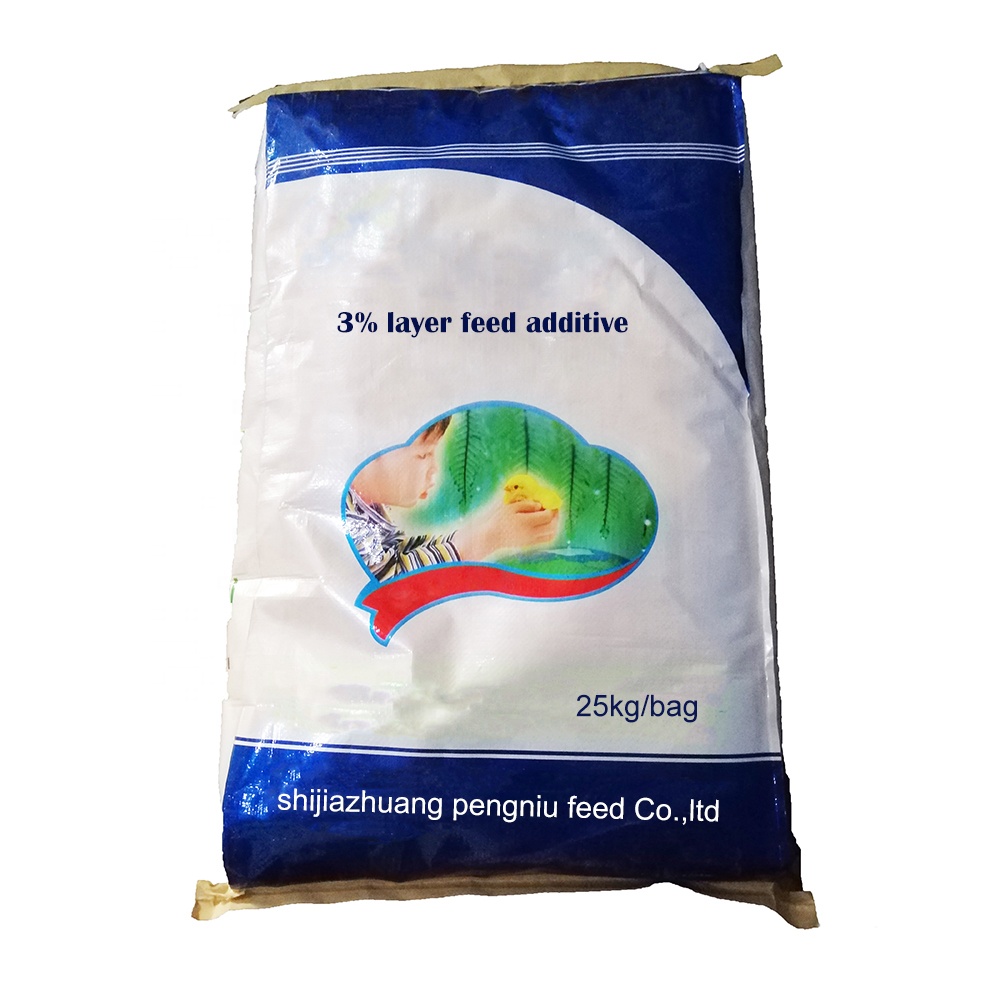
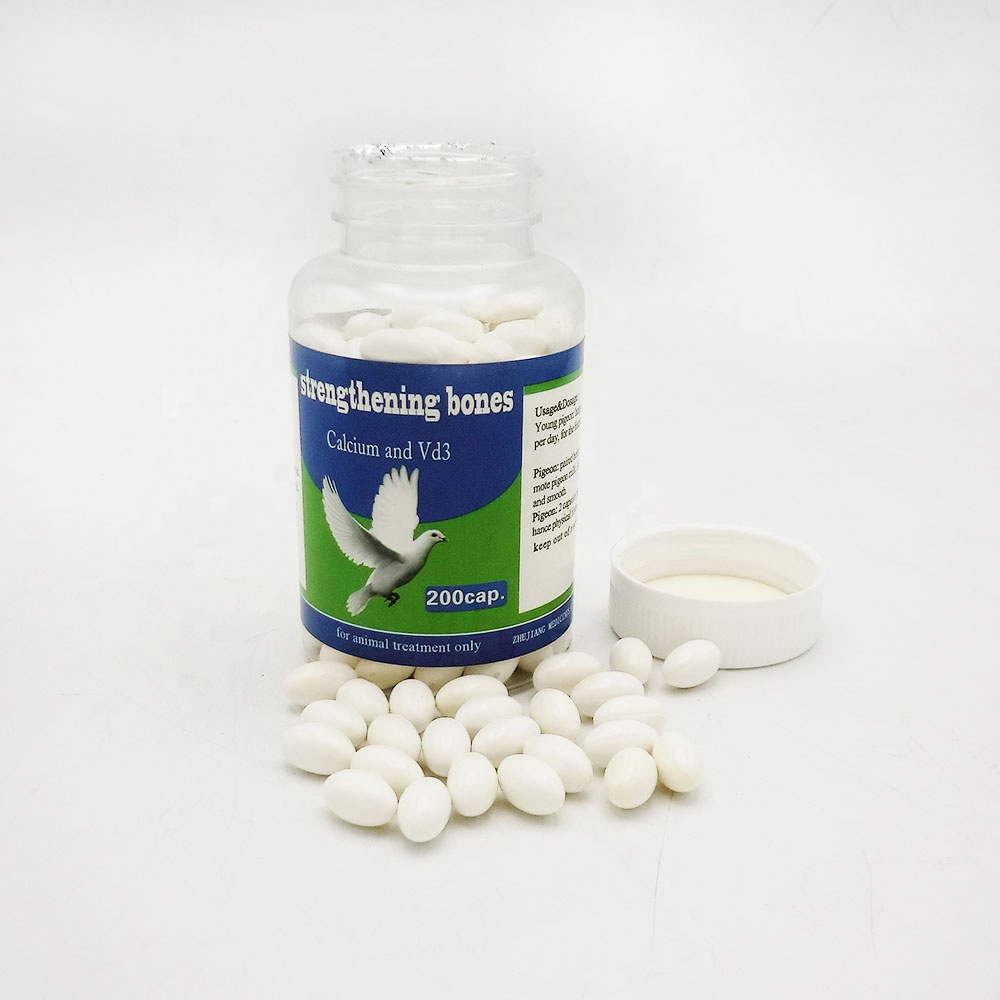
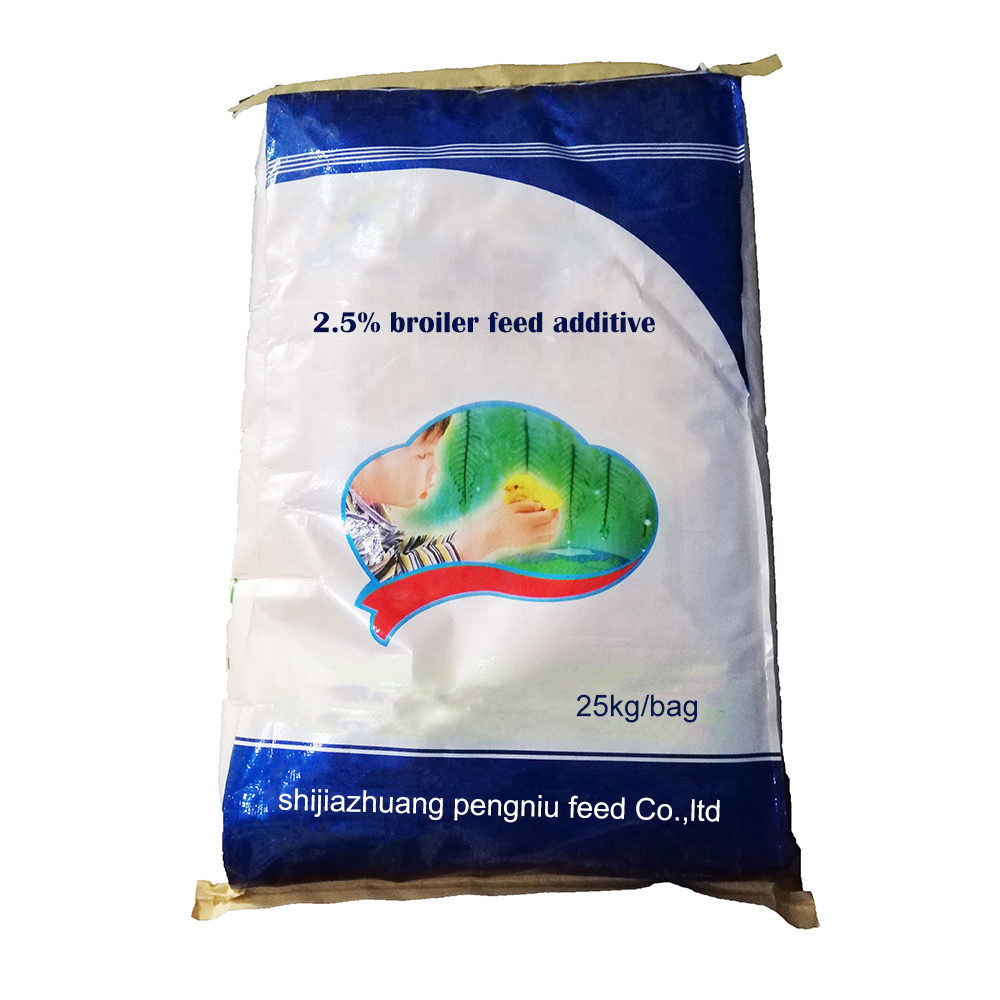
At its core, the use of premix in poultry feed means incorporating pre-blended portions of essential nutrients—like vitamins A, D3, E, minerals like zinc, manganese, copper, and sometimes enzymes, probiotics, or antioxidants—into the base feed. These premixes are carefully calibrated to the intended poultry type and growth stage, manufactured under strict quality standards.
This integration is more than just throwing in extras; it’s a science-driven approach ensuring uniform nutrient delivery. Without premix, feed compositions miss vital micro-nutrients that birds can’t produce on their own but need for metabolism, immunity, and feathering. In many ways, premixes have become the backbone of modern poultry farming, essential to sustaining the pace and scale of global production.
Mini takeaway: Premixes combine critical nutrients in a controlled manner to enhance poultry feed's completeness and effectiveness.
Core Components That Define Effective Premixes
1. Nutrient Composition
The backbone is the precise formulation of vitamins, minerals, amino acids, and enzymes. This blend is tailored based on species and growth phase requirements. The balance must be spot-on to avoid toxicity or deficiency.
2. Consistency and Uniformity
Premixes must mix uniformly into feed so every bite delivers the exact nutrient dose. Poor mixing can lead to uneven nutrition and flock health issues.
3. Stability and Shelf Life
Nutrients can degrade over time, especially vitamins and enzymes. Good premixes include stabilizers and proper packaging to retain efficacy during storage.
4. Safety and Compliance
Ensuring premixes meet stringent regulatory limits on trace elements and contaminants is critical. These products undergo quality control to protect bird and human health.
5. Flexibility and Customization
Good premixes can be customized for regional feed ingredients or specific production goals such as egg quality, growth rate, or disease resilience.
Mini takeaway: The best premixes balance precise nutrient blends with consistency, stability, and safety to match diverse farming needs.
Where and How Premixes Are Making a Difference Globally
The use of premix in poultry feed is widespread but varies enormously across regions and farming scales. In developed countries like the US and Europe, premixes are part of highly controlled feed programs, contributing to highly efficient operations with rapid growth and minimal disease.
Meanwhile, in Asia and Africa, premixes offer a crucial upgrade to traditional feeding methods. For instance, smallholder farmers benefit by supplementing grain-heavy rations to improve egg-laying rates and reduce mortality. Organizations such as the International Livestock Research Institute (ILRI) promote premix use to improve nutrition in small-scale poultry systems, which supports rural livelihoods and food security.
In humanitarian contexts, premixed feed can also support rehabilitation of small flocks in post-disaster zones or refugee camps, where boosting poultry health means better protein access for vulnerable populations.
Mini takeaway: Premixes serve diverse poultry sectors—from industrial farms in the West to smallholder farmers and aid programs in less-developed regions.
Advantages and Long-Term Benefits of Using Premixes
- Improved Growth and Production Efficiency: Nutrient-rich premixes translate directly into better weight gain and egg yields.
- Reduced Feed Costs: By optimizing nutrients, premixes minimize waste and maximize feed conversion ratios, saving money.
- Better Bird Immunity and Health: Balanced micronutrients strengthen resistance against diseases.
- Sustainability: Efficient feeding reduces environmental impact due to lower feed consumption and waste output.
- Social Impact: Supporting poultry farming livelihoods improves nutrition and income in rural communities.
Beyond that, many producers note a psychological boost—knowing their feed supports animal welfare and sustainability builds trust with consumers increasingly concerned with food origins.
Mini takeaway: The use of premix in poultry feed brings measurable economic, environmental, and social returns over time.
Premix Innovation: The Future of Poultry Nutrition
Advances don’t stop at mixing powders. New technologies are emerging that add biotechnology elements—probiotics, phytogenics, or enzyme complexes designed to unlock nutrients better. There's growing interest in precision nutrition, fueling customized premixes created via data analytics on flock health and environmental conditions.
Meanwhile, environmental pressures propel innovations toward natural, sustainable ingredients and energy-efficient production. Digital tools also allow farmers to track feed quality and adjust premix dosages in real-time—an exciting fusion of tradition and tech.
Mini takeaway: Premix use is evolving with precision feeding, biotechnology, and sustainability as the next chapter in poultry feed innovation.
Common Challenges and Practical Solutions
Of course, premixes aren’t silver bullets. Challenges include:
- Ingredient Variability: Base feed ingredients vary widely by region; premixes must adapt accordingly.
- Storage and Stability: Vitamins can degrade quickly under tropical climates.
- Cost Barriers: Small-scale farmers may not afford premium premixes.
To overcome these, experts recommend region-specific formulations, improved packaging solutions, and scalable premix products designed for smaller quantities. NGOs and government programs often subsidize premix access where need is greatest, linking to broader nutrition or economic development initiatives.
Mini takeaway: Addressing premix challenges requires innovation, local adaptation, and supportive policies.
Quick FAQ: Everything You Want to Know About the Use of Premix in Poultry Feed
What exactly is included in premix for poultry feed?
Premix usually contains vitamins (A, D3, E, K), trace minerals (zinc, copper, selenium), amino acids, enzymes, and sometimes additives like probiotics. These boost overall nutritional completeness and bird health.
How does premix improve poultry growth?
By filling nutritional gaps in base feed, premixes ensure consistent nutrient intake. This leads to enhanced metabolism, better immunity, and faster weight gain or egg production.
Can small farmers use premixes affordably?
Yes, many suppliers offer premixes in smaller batches or cooperative programs help reduce costs. Also, some NGOs promote affordable premix blends to support smallholder farmers.
Are premixes safe for poultry and consumers?
Absolutely, premixes must meet strict safety standards ensuring no harmful residues or overdoses. Balanced formulations protect both bird and human health.
Where can I learn more about using premix effectively?
Industry bodies and research institutes like the FAO and ILRI provide extensive resources on poultry nutrition and premix best practices.
Product Specification Table: Typical Premix Formulation Example
| Component | Concentration (per kg premix) | Purpose |
|---|---|---|
| Vitamin A | 10,000 IU | Growth & Immune Support |
| Vitamin D3 | 3,000 IU | Bone Development |
| Vitamin E | 30 IU | Antioxidant |
| Zinc | 40 mg | Feathering & Metabolism |
| Copper | 10 mg | Enzyme Activation |
| Enzymes | Varied | Feed Digestibility |
Quick Vendor Comparison: Premix Suppliers Overview
| Supplier | Product Range | Customization | Price Range | Geographical Reach |
|---|---|---|---|---|
| NutriBlend | Broad (Vitamins, minerals, enzymes) | Highly customizable | $$$ – Premium | Global |
| AgroMix | Standard premixes | Limited | $ – Affordable | Asia, Africa |
| VitaFeed | Specialized enzyme premixes | Moderate | $$ | Europe, Americas |
Wrapping It Up: Why Premix Use Is More Than Just a Feed Additive
In real terms, the use of premix in poultry feed encapsulates so much more than just nutrition — it’s an intersection of science, sustainability, economics, and public health. From farm to fork, these premixes ensure poultry flocks grow healthy, efficiently, and consistently. That’s why for farmers, feed producers, and even policy-makers, investing attention and resources into premixes is a no-brainer.
If you want to deepen your understanding or start improving your poultry feed strategy today, I highly recommend checking out specialized resources and products online. In fact, for a thorough range of premixes and expert advice, check out our poultry feed offerings here. It’s amazing how a simple ingredient mix can ripple through the food chain with such impact.
References:
Post time: December 13, 2025