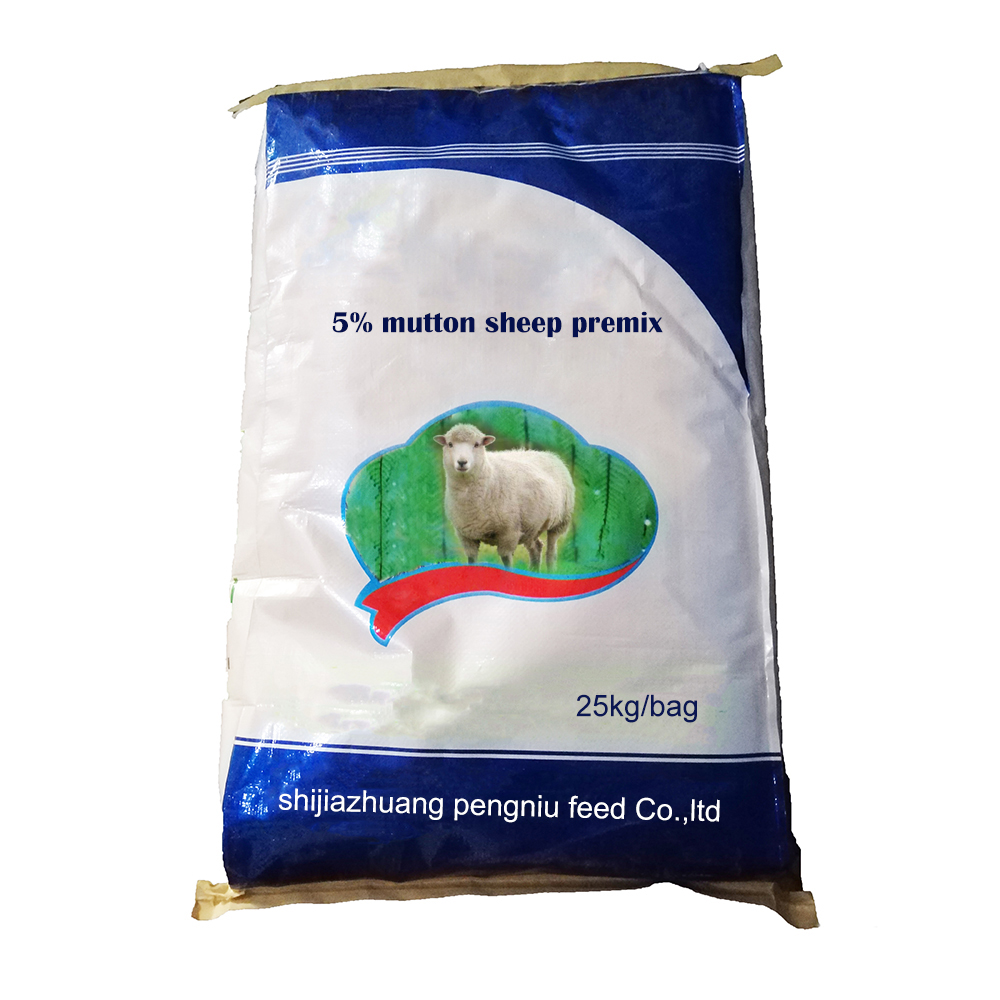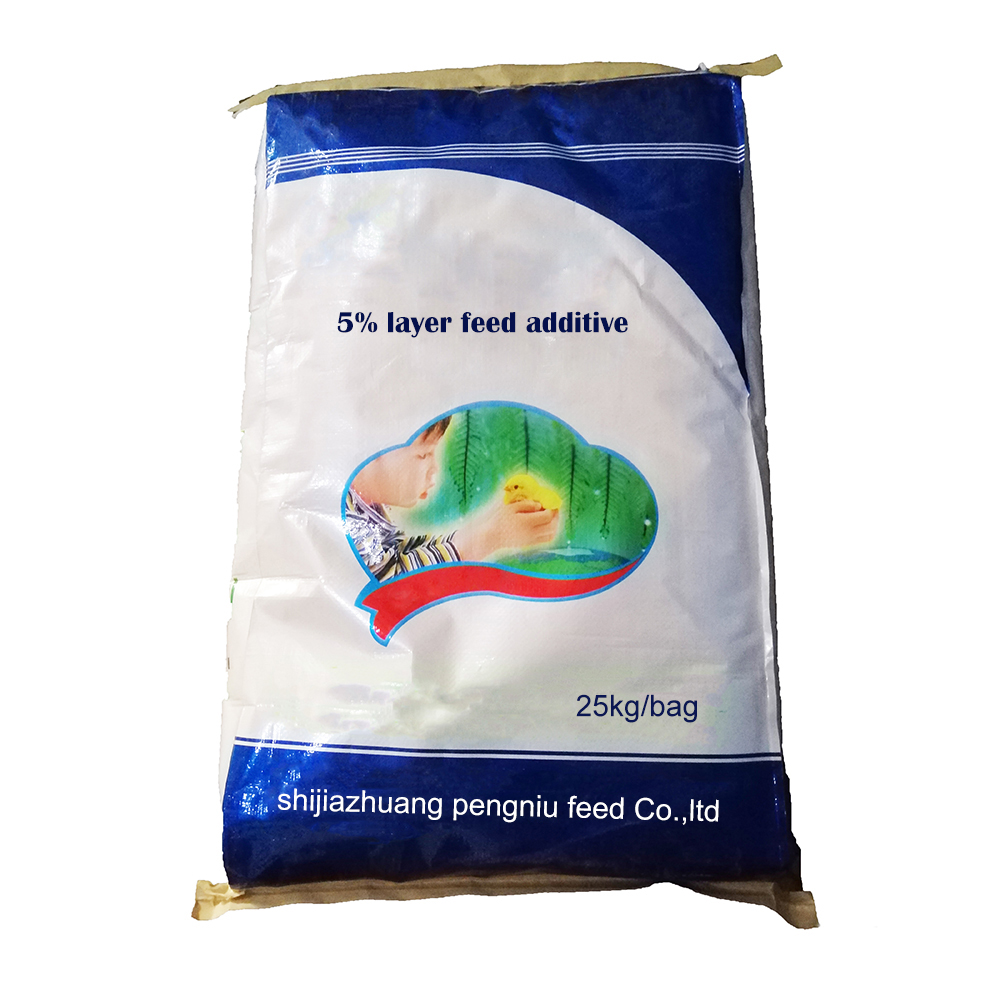
The Lowdown on Sheep Concentrate Feed: Why It Matters in Today’s World
So, what exactly is sheep concentrate feed, and why should anyone outside the farming world care? At its core, this special form of feed is designed to supercharge sheep nutrition — delivering a potent blend of energy, proteins, fiber, and minerals in a compact, digestible package. Across the globe, sheep farmers are discovering that nourishing their flocks efficiently is more than just a local concern; it's tied to food security, sustainability, and economic resilience. Especially for regions relying heavily on sheep for meat, wool, or milk, improving feed quality is like giving their herds a secret weapon against harsh climates, diseases, or market swings.
“Good sheep concentrate feed isn't just fodder; it’s a strategic investment in a farm’s future.”
Context: The Global Significance of Sheep Concentrate Feed
Globally, sheep production accounts for millions of livelihoods — from the rolling highlands of New Zealand to pastoral communities in Ethiopia and beyond. According to the Food and Agriculture Organization (FAO), small ruminant livestock such as sheep contribute significantly to rural income and nutrition. But challenges abound: droughts, fluctuating feed availability, and the demand for higher-quality wool and meat are pressuring farmers to innovate. That’s where sheep concentrate feed plays a starring role — it helps optimize animal performance even when natural grazing falls short.
Another interesting stat: The World Bank reports that improving animal nutrition can increase productivity by up to 30%, a huge win for food security and poverty reduction in vulnerable areas. But, despite advances, many farmers still rely on low-quality or inconsistent feeds, which is inefficient and unsustainable.
Mini takeaway:
- Sheep concentrate feed is crucial for boosting productivity amidst environmental and market challenges.
- It supports global food security and rural livelihoods.
Defining Sheep Concentrate Feed: More Than Just “Feed”
At its simplest, sheep concentrate feed is a nutritionally balanced, energy-dense mixture formulated to complement grazing or roughage diets. It usually contains grains like barley or corn, protein supplements such as soybean meal, and vital minerals and vitamins. The goal? To offer a high-quality, digestible nutrition source that meets the metabolic demands of sheep at different growth stages — from lambs to mature ewes and rams.
In modern agriculture, this feed is the linchpin of efficient, controlled feeding strategies, especially in intensive or semi-intensive operations. Beyond farms, it has relevance in humanitarian and emergency contexts — for example, in recovery zones where pasture might be decimated following droughts or disasters, having access to reliable concentrated feeds keeps flocks alive and productive.
Key Components of Effective Sheep Concentrate Feed
1. Nutritional Balance
This is non-negotiable. Sheep require a precise cocktail of energy, protein, fiber, minerals, and vitamins. Overloading on carbs or protein can do more harm than good, so feed must be carefully formulated to avoid digestive upsets.
2. Palatability and Digestibility
Sometimes I watch sheep hesitate before trying a new feed — palatability really matters. The feed needs to taste acceptable, and its ingredients should be easy to digest, ensuring efficient nutrient absorption.
3. Feed Form and Processing
Whether pellets, crumbles, or meal, the physical form affects intake and wastage. Pellets, though pricier, often reduce feed waste and simplify storage.
4. Cost-Effectiveness
Farmers can't just dump money on feed without returns. The ideal sheep concentrate feed delivers a solid performance-to-cost ratio, blending affordability with results.
5. Safety and Quality Controls
Mycotoxins, contaminants, or poor ingredient sourcing can jeopardize sheep health. Reliable feeds come with strict quality assurance and traceability.
6. Sustainability
With increasing awareness of agriculture’s environmental footprint, many seek feeds with sustainable ingredient sourcing and low carbon footprints.
Mini takeaway:
- Feed must strike a delicate balance between nutrition, cost, and quality.
- Palatability and form influence how well sheep utilize the feed.
- Future-ready feeds need to embed sustainability principles.
Practical Uses Around the World: Who’s Relying on Sheep Concentrate Feed?
Sheep farming traditions vary enormously worldwide, but sheep concentrate feed is making inroads in numerous contexts:
- Australia and New Zealand: High-value wool and lamb producers increasingly rely on concentrates to maximize growth rates during off-grazing seasons.
- East Africa: NGOs introduce concentrate feeds to pastoralist communities to combat seasonal feed gaps and improve herd resilience.
- European Union: Regulatory frameworks encourage feed transparency, revving innovation in sheep concentrates tailored to organic and specialty markets.
- China and Central Asia: Intensive farming operations feed concentrates to speed up lamb meat production, addressing burgeoning domestic demand.
Oddly enough, in some post-disaster relief efforts, sheep concentrate feed is supplied temporarily to maintain livestock condition while grazing recovers — an example of how versatile this product can be.
Sample Sheep Concentrate Feed Specification Table
| Specification | Typical Range or Value | Notes |
|---|---|---|
| Crude Protein | 16-20% | Supports muscle growth and lactation |
| Metabolizable Energy | 10-12 MJ/kg | Energy density for growth and maintenance |
| Fiber (NDF) | 15-25% | Essential for rumen function |
| Calcium | 0.6-1.0% | Bone health and milk production |
| Phosphorus | 0.3-0.5% | Energy metabolism & reproduction |
Comparing Popular Sheep Concentrate Feed Vendors
| Vendor | Product Range | Regional Availability | Sustainability Focus | Price ($/tonne) |
|---|---|---|---|---|
| AgriFeed Solutions | Standard, Organic, High Protein | Global (excl. Africa) | Certified Organic Lines, Carbon Offset | 320-400 |
| PasturePro Feeds | Premium Pellets, Mineral Blends | Europe, Australia | Local Sourcing, Waste Reduction | 350-420 |
| GreenGraze Nutrition | Eco Pellets, Protein Boosters | North America, Africa | Renewable Ingredients, Recycled Packaging | 280-360 |
Advantages and Long-Term Benefits of Sheep Concentrate Feed
Frankly, investing in quality sheep concentrate feeds isn’t just about improving daily weight gain or wool density. It’s about long-term herd health, farm sustainability, and economic resilience. When sheep get consistent nutrition, their immune systems strengthen, production cycles shorten, and farmer stress levels drop.
From a social perspective, supporting concentrated feed availability can uplift smallholder farmers — giving them a reliable tool to improve livelihoods and foster local economies. Emotionally, there’s a peace-of-mind factor knowing your flock is better protected against nutritional pitfalls, especially in tight seasons.
Emerging Trends and Innovations Shaping the Future
Looking ahead, the sheep concentrate feed market is buzzing with innovation:
- Precision Nutrition: Using sensors and AI, feeds are being tailored to individual flock needs, cutting waste and improving performance.
- Alternative Proteins: Legume-based proteins and insect meals are gaining traction as sustainable, cost-effective ingredients.
- Eco-packaging: More suppliers are moving toward biodegradable or reusable packaging to reduce footprint.
- Digital Supply Chains: Blockchain tech is enhancing feed traceability and safety assurance.
It feels like the intersection of tech and tradition — old pastoral wisdom enhanced by new science.
Common Challenges and How They’re Being Tackled
Despite all the benefits, challenges remain. Cost remains a huge barrier for many farmers, especially in lower-income countries. Plus, inconsistent quality from some suppliers leads to mistrust. Then there’s the tricky matter of adapting feeds to different local forage availability and climates.
Fortunately, some solutions are gaining ground:
- Community-based feed production hubs with shared resources help lower costs.
- Mobile apps and extension services educate farmers on mixing concentrates optimally.
- Hybrid feeding — combining natural pasture with concentrates — maximizes cost savings and nutrition.
FAQ about Sheep Concentrate Feed
Q1: What makes sheep concentrate feed more effective than just grazing?
Concentrate feeds provide dense nutrients that pasture alone might lack, especially during droughts or winter. This boosts growth, reproduction, and wool quality, ensuring sheep stay healthy year-round.
Q2: How should concentrate feed be introduced to prevent digestive upsets?
Gradually mix concentrates into the diet over 7–14 days to allow rumen microbes time to adapt, reducing risks of bloating and acidosis.
Q3: Can concentrate feeds be used sustainably in small-scale farming?
Definitely. When used judiciously alongside good grazing, they improve nutrition without excessive cost or environmental damage.
Q4: How important is feed traceability and quality assurance?
Highly important. Poor quality or contaminated feeds can cause illness or lost productivity. Certified and tested products reduce risks significantly.
Q5: Are there specialized concentrates for sheep at different life stages?
Yes. Lambs, pregnant ewes, and lactating sheep have distinct nutritional needs, which specialized feeds address to optimize health and performance.
Wrapping it Up: Why Sheep Concentrate Feed Deserves Your Attention
Overall, sheep concentrate feed is much more than livestock fodder: it’s a strategic tool with profound implications for food security, farm resilience, and sustainable agriculture. Whether you’re a farmer grappling with feed shortages, an NGO supporting community livelihoods, or simply curious about modern animal nutrition, understanding these feeds unlocks a world of possibilities.
Want to dive deeper or find the right concentrate feed for your flock? Visit our curated sheep concentrate feed section.
Quick Reflection:
Navigating sheep nutrition might seem like a maze — but with concentrate feeds evolving constantly, the path is becoming clearer, smarter, and greener. It’s a field where tradition and technology mingle, with farmers’ livelihoods literally at stake. Quite the responsibility — and quite the opportunity.
References:
1. Food and Agriculture Organization (FAO) - Animal Production
2. World Bank - Agriculture Overview
3. Wikipedia - Animal Feed
Post time: November 29, 2025